


On Monday, lively music resonated from various bars along Calle Genova, a bustling street in the heart of Mexico City that seldom experiences quietude. Although it was not yet 11 a.m., a vibrant crowd was already gathered, continuing the festivities from the previous night. For those unaware of the earlier events, one might have assumed that the celebrations had never ceased.
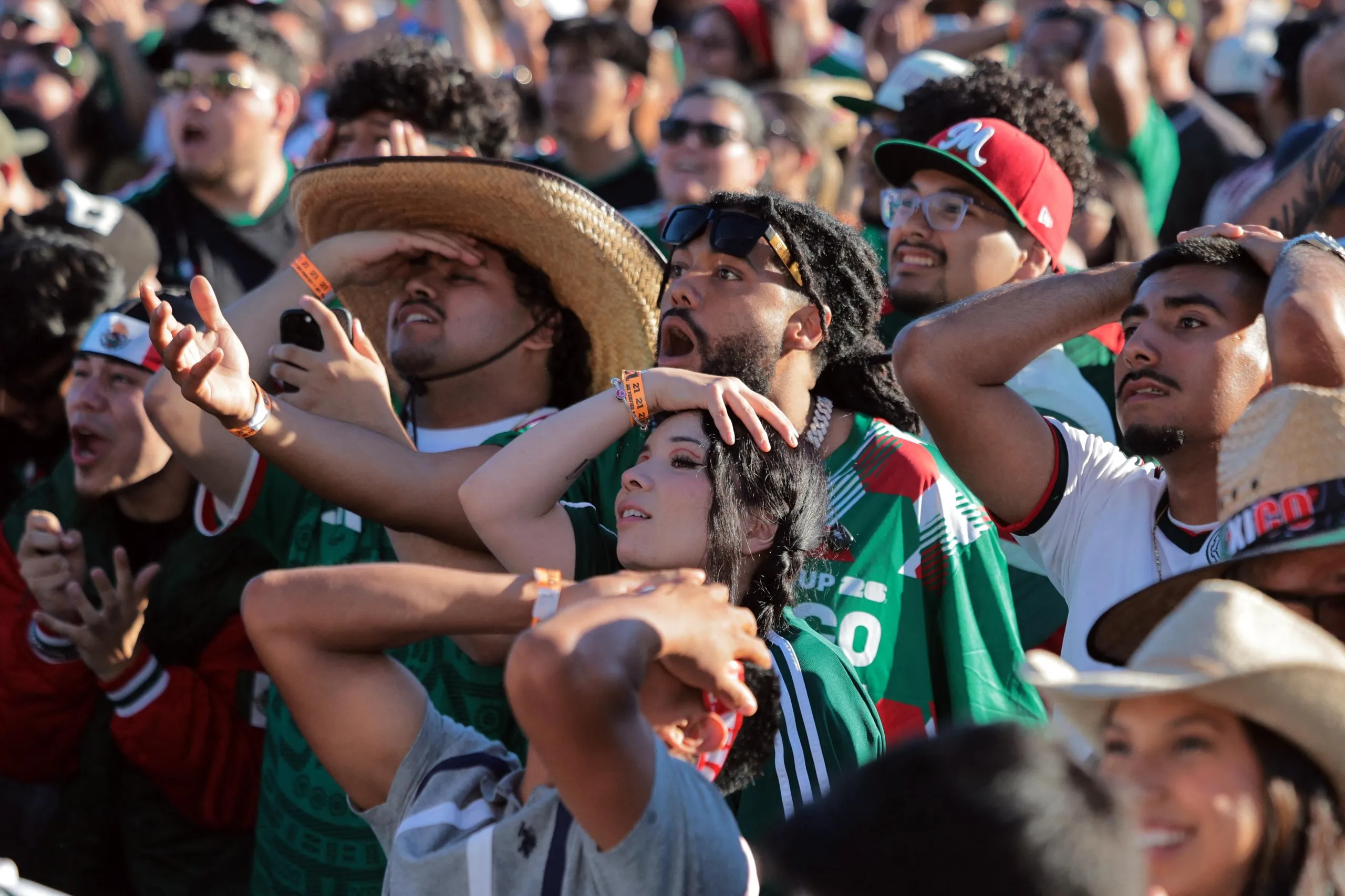
However, the reality was clearer for anyone who headed straight for Paseo de la Reforma after returning from Estadio Azteca. Following Mexico’s victory over Ecuador in the last-16 match, this wide avenue had seen a massive turnout of 1.4 million people celebrating. But just three and a half hours after England dashed El Tri’s hopes, the street was nearly deserted, and cleanup crews were hard at work, with only a few remaining partygoers lingering in the side streets.
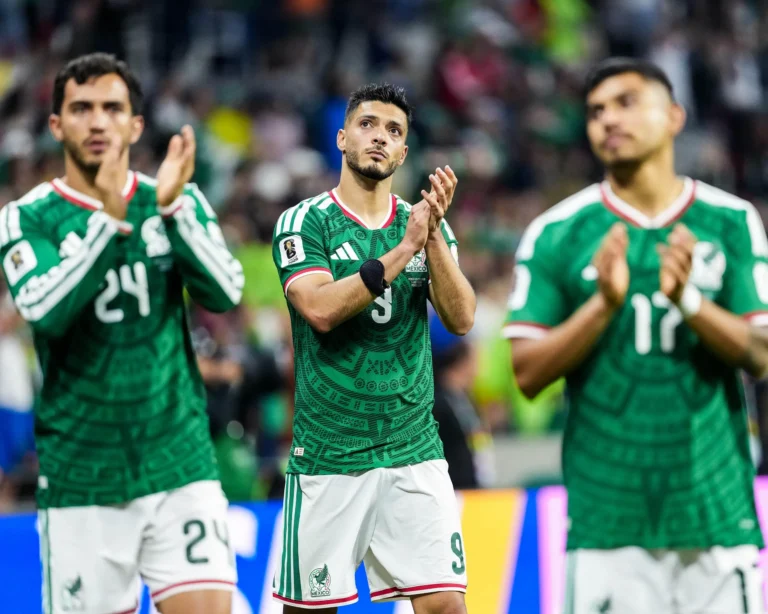
Despite the disappointment, the mood among Mexicans blended sorrow with smiles. While the primary celebrations had died down, smaller gatherings persisted elsewhere, with a generally positive atmosphere prevailing. There was a shared sentiment that Mexico had truly put forth a commendable effort in a thrilling World Cup match; a bittersweet realization that they had performed well enough to deserve more, especially with England’s goalkeeper Jordan Pickford delivering an outstanding performance.
El Universal, one of the largest newspapers in Mexico, described the match as “A setback that will hurt for eternity,” praising the team for their “an epic performance against England” It seemed evident that Mexico’s downfall was partly self-inflicted, particularly due to defensive lapses that enabled Anthony Gordon to secure the penalty that nearly sealed their fate.
President Claudia Sheinbaum aimed to uplift spirits, stating on social media, “We showed everyone that Mexico is the best host in the world, with happy and united people,”
While Estadio Azteca lived up to its legendary status, creating an electric atmosphere on Sunday night, there was no palpable hostility towards the English supporters. Any animosity was limited to half-hearted chants directed at a group of journalists entering the stadium. Supporters from both teams mingled in the concourses and nearby bars, continuing to sing and take group photos late into the evening.
As Mexico’s run in the co-hosted tournament came to an end, the final whistle marked the close of their participation. While the United States may represent the core of the 2026 World Cup, Mexico has undeniably been its heart and soul. Football holds deep significance here, woven into the fabric of society rather than merely serving as a form of entertainment. Such a statement should not diminish the largely successful efforts of the United States to create a welcoming experience for visitors; however, spending time in Mexico during the knockout rounds invigorated the spirit of the tournament.
Yet, the Azteca will remain dormant for the remainder of the summer, as will the stadiums in Guadalajara and Monterrey, the latter being an impressive venue. Although the Azteca may not boast the polished appearance and modern amenities of its counterparts, it possesses an allure that is unique. Access issues and infrastructural concerns were largely resolved as the tournament unfolded, leaving one to wonder why this footballing monument could not have been utilized for at least another week. Perhaps, for those visiting from afar, the charm lies in its unrefined nature. Still, would it have been too much to allow Mexico to participate in the festivities for a little longer?
There remains hope that the increased exposure for Mexican players serves as a launching pad for future success. Anyone who witnessed 17-year-old Gilberto Mora’s impressive performance against England, where he also excelled against Ecuador, surely recognized the emergence of a future star.
Mexico often operates under the radar since its domestic league, which is financially rewarding and draws substantial crowds, provides a secure environment for its talents. Players seeking opportunities abroad might find themselves priced out by clubs that do not urgently need to sell. Greater mobility and visibility in Europe’s elite leagues would help this football powerhouse of 133 million realize its immense potential.
- World Cup 2026
- Mexico
- England
- World Cup
- features