


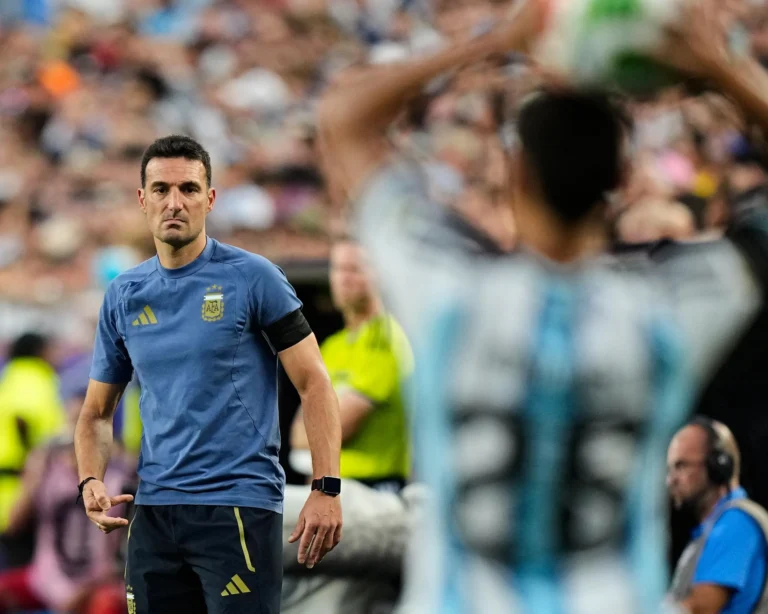
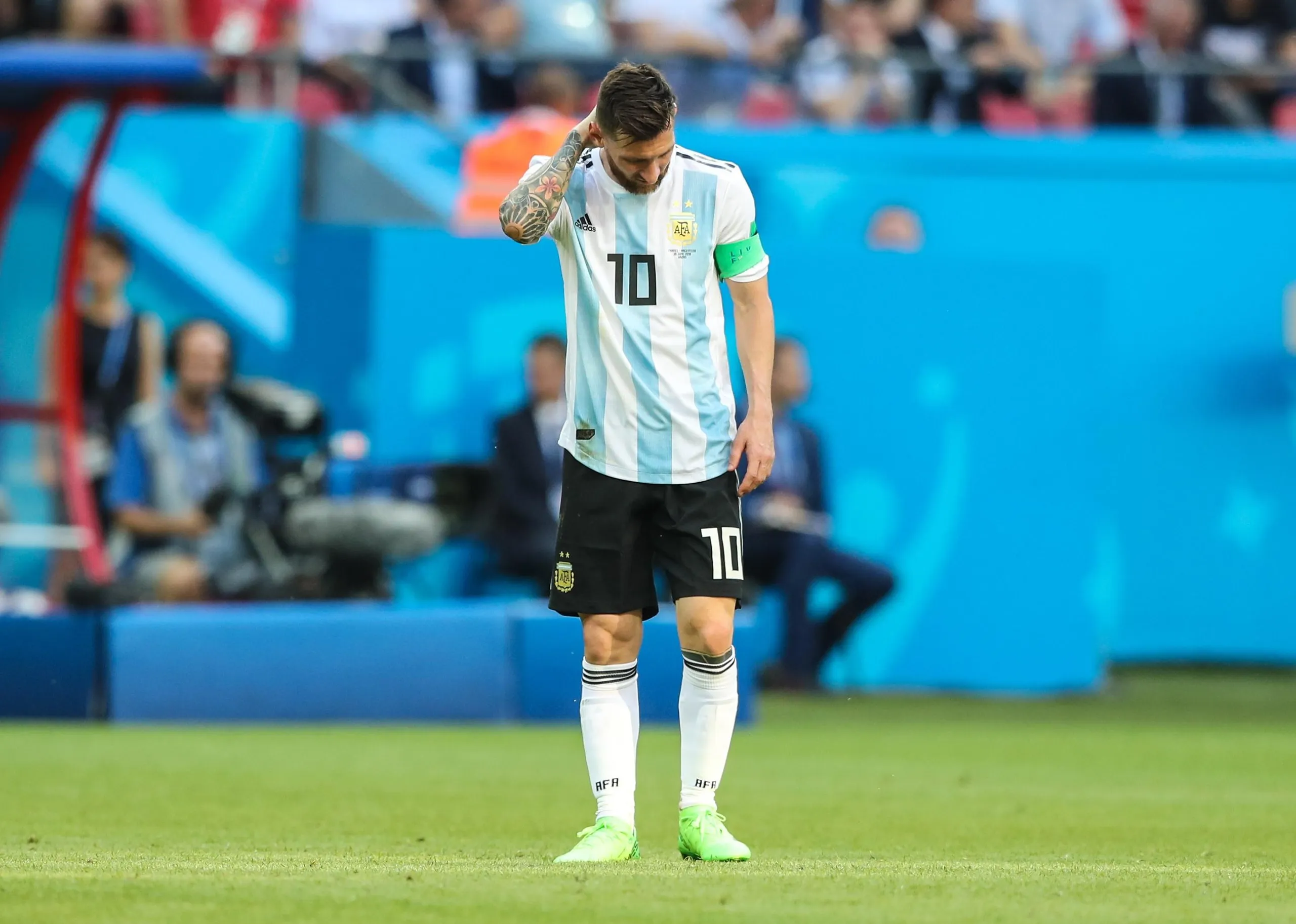
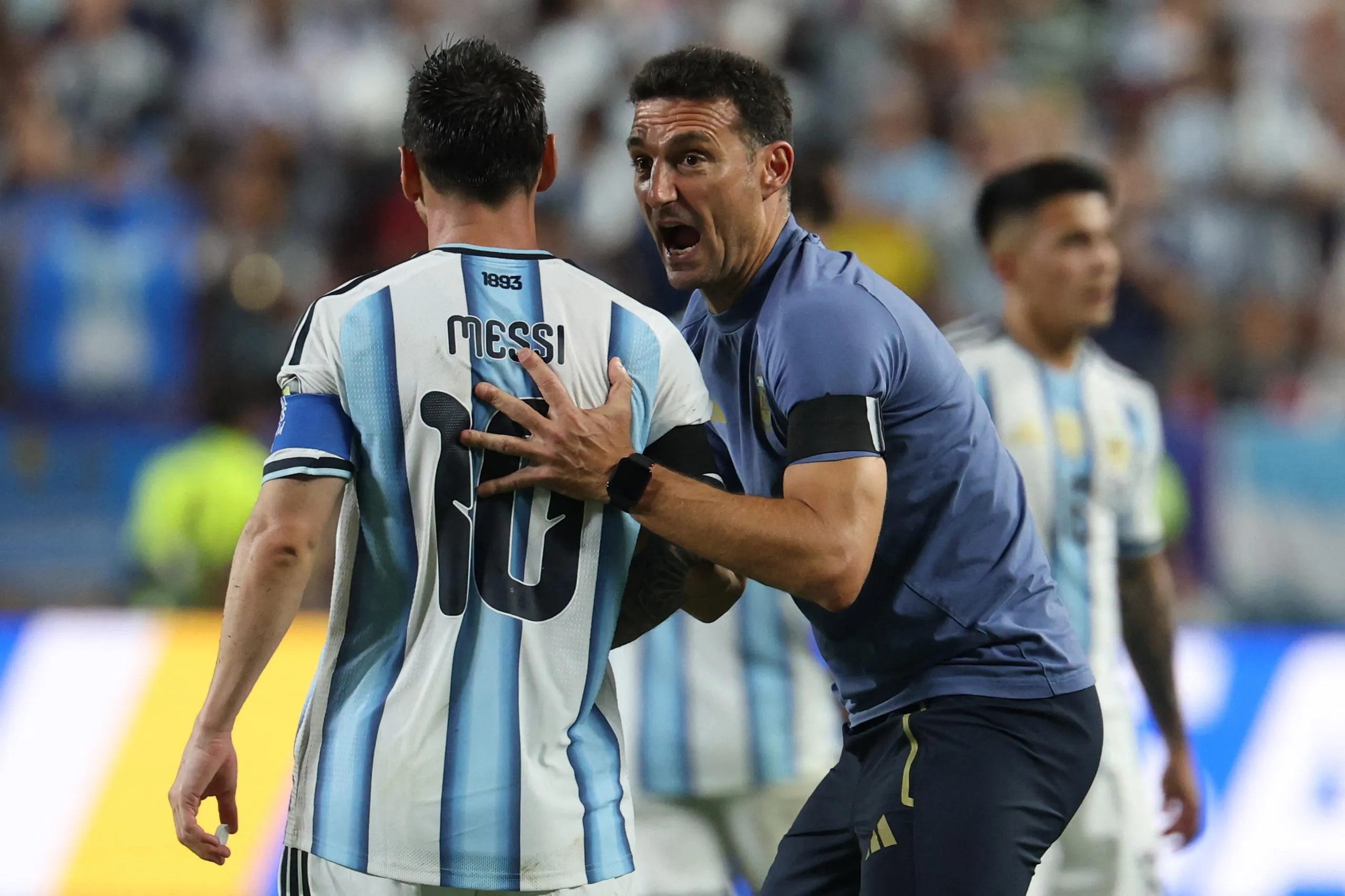
During Lionel Messi’s unfortunate debut for the national team in Budapest back in 2005, he experienced a rather harsh dismissal just 45 seconds after entering the match, following a slight swing at Hungary’s Vilmos Vanczak. Remarkably, he received only two passes during that brief appearance, both from Lionel Scaloni. While these initial interactions might seem trivial, they marked the beginning of a significant relationship that could see Argentina join an elite group as a two-time World Cup champion.
Messi has often highlighted Scaloni as one of the first players to genuinely embrace him. Following his goal against Serbia and Montenegro in the 2006 World Cup group stage, Messi, then just 18 years old, was celebrated in the tunnel by Scaloni, who congratulated him with an enthusiastic hug. Though only nine years older than Messi, Scaloni has played an almost fatherly role in their connection throughout the years.
This partnership has blossomed into an extraordinary journey, with Scaloni guiding Messi—a player widely regarded as one of the greatest of all time—toward success on football’s grandest stage, despite initially being appointed to the role by chance.
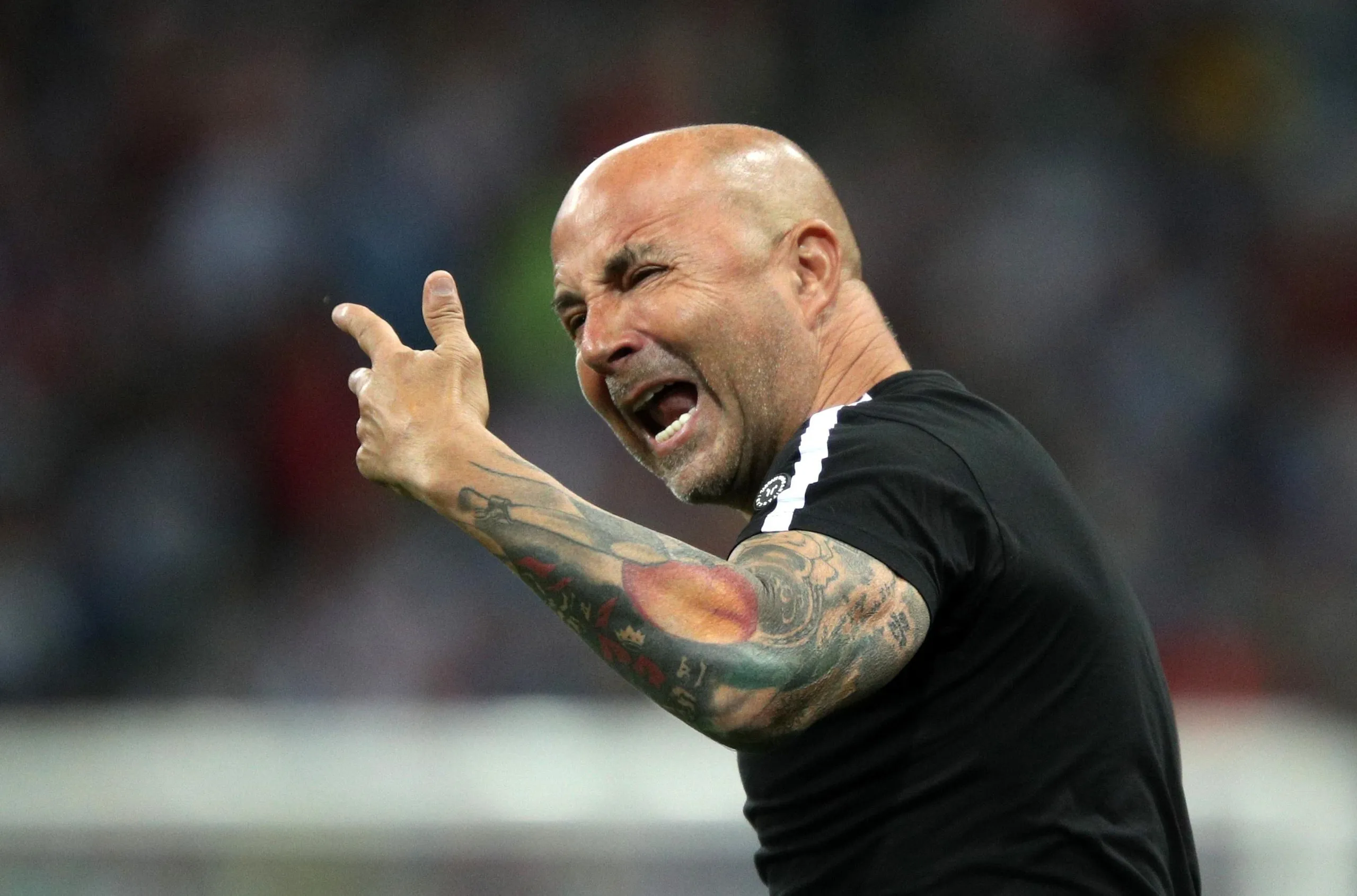
Scaloni assumed the head coach position for Argentina following the tumultuous 2018 World Cup. The tournament was marred by underperformance. Jorge Sampaoli, hired at a significant cost from Sevilla, struggled to implement a high-pressing strategy that clashed with Argentina’s sluggish defense. After a disappointing draw with Iceland, the team faced a severe 3-0 defeat against Croatia, eventually scraping through the group stages with a tense victory over Nigeria, thanks to a stunning goal from Messi and a late volley from Marcos Rojo. Argentina’s elimination came in the Round of 16, losing 4-3 to France in a match that highlighted their inferiority.
Sampaoli clearly felt the weight of the pressure, often appearing pale and unwell during games, and he departed after the tournament. The Argentine Football Association (AFA) found itself in a difficult position; lacking funds, they faced the daunting challenge of revitalizing a team that had not claimed a major trophy since 1993. Scaloni, then the under-21 manager and a former assistant to Sampaoli, was selected as the most economical option to oversee the squad during six planned friendlies through the end of the year.
Continuing his work with the under-21s, Scaloni led them at the L’Alcudia tournament in Valencia. Meanwhile, Messi remained tight-lipped in Barcelona, having briefly stepped away from the national team after a heartbreaking penalty shootout loss to Chile in the 2016 Copa América final. Following the 2018 World Cup, his future with the national team was uncertain.
What was abundantly clear, however, was Scaloni’s understanding that Argentina needed Messi to succeed. An integral part of Scaloni’s staff was former River Plate and Valencia playmaker Pablo Aimar, who had been Messi’s idol growing up. When Scaloni reached out to Messi, he included Aimar in the conversation, articulating his vision of a revitalized squad centered around Messi.
Messi was convinced, possibly recognizing their shared backgrounds. Scaloni, Aimar, and another assistant, Walter Samuel, were all members of José Pékerman’s second Under-20 World Cup-winning team in Malaysia in 1997. Messi, part of Argentina’s youth success, had witnessed Pékerman’s influence on player development, which emphasized nurturing them as individuals, not just athletes.
Scaloni mirrors this philosophy in his management style. His analyst, Matías Manna, often states that one asado [barbecue] can hold as much value as 20 tactical video sessions. In the context of intense tournaments, where players spend weeks together, fostering camaraderie is crucial. Argentina has cultivated that bond. Under pressure, they have consistently tapped into an inner strength, whether against Cape Verde, Egypt, or Switzerland.
Messi’s role within this framework is intriguing. He has evolved into a more vocal leader over the past four years, contrasting sharply with his previous, quieter demeanor observed in Brazil and Russia. Despite the attention he receives, his teammates do not appear to harbor any resentment; instead, they express a desire to win for him. “He has a group of friends by his side,” Scaloni remarked earlier in the tournament, “people who will give their all for him, who see him as a god, but also as a kid from the barrio.” Achieving such a balance is commendable, and Scaloni has successfully managed it.
In Qatar, Scaloni’s defining characteristic has been his tranquility. “The sun will rise tomorrow,” he noted after Argentina’s loss to Saudi Arabia and the thrilling victory against the Netherlands. At times, it felt as though he bore the weight of a nation on his shoulders. His emotional reaction following the decisive penalty in the final shootout was particularly moving, showcasing a humble man overwhelmed by the significance of his accomplishments.
Throughout this tournament, Scaloni has displayed heightened emotions, even struggling to complete his interview after the win over Egypt. There is a sense that he, like his players, is riding an emotional wave, striving to maintain composure. If he can sustain this for just two more matches, he will become the second manager, after Vittorio Pozzo, to secure two World Cup titles. This achievement would be remarkable for a coach who was initially chosen simply because the AFA could not afford a more prominent figure. The accidental manager could soon be celebrated as one of the greatest World Cup coaches in nearly a century.
- Argentina
- World Cup 2026
- World Cup
- features