


Taylor added.
Russell added.
In an alternate reality, Harry Kane might not be celebrated as England’s leading goalscorer but rather as a goalkeeper. On his initial day at Ridgeway Rovers, his first club, coach Dave Bricknell asked if any players were willing to take a turn in goal. The six-year-old Kane eagerly raised his hand and demonstrated considerable talent.
“I thought I’d found a goalkeeper,” Bricknell recalls. “At that age, you don’t get many kids that don’t mind standing in front of a ball.”
However, parents soon pointed out that Kane excelled even more as an outfield player. This wasn’t the only moment in his early career when he nearly pursued goalkeeping.
Kane was a natural scorer, netting over 40 goals in his inaugural season, which caught the attention of Arsenal scout Steve Leonard. They recognized his potential not only in front of goal but also in goalkeeping, leading him to train with goalkeeper coach Alex Welsh in the evenings.
How did this almost-goalkeeper transition into a prominent figure in the conversation about England’s greatest No. 9? Those who mentored Kane during his formative years remember his unwavering determination and self-confidence, traits that were not always apparent to others. Some speculate that his understanding of a goalkeeper’s perspective provided him with an edge as a forward.
“The best thing I could ever say about Harry is his resilience,” Bricknell states. “He didn’t really care if he missed because he knew another chance would come along, which has held him in great stead.”
While many young athletes falter in the face of rejection, Kane returned to Ridgeway Rovers undeterred after being let go by Arsenal. Soon after, he was scouted by Tottenham Hotspur’s Mark O’Toole. Although he was released again, a brief stint at Watford, where he scored against Spurs, led to his return.
“Having two caring parents, guiding him the right way, he’s had a stable relationship most of his life, that keeps you grounded,” Bricknell reflects. This stability proved crucial during his numerous loan spells at Spurs, a time when many doubted he would secure a first-team position. During this phase, he was called up to represent England’s under-20s by Peter Taylor for the World Cup in Turkey, where he faced further disappointment.
Taylor recognized Kane’s strengths, particularly his finishing ability and efficiency in front of goal. However, like many others, he did not foresee the remarkable trajectory Kane would take.
“If you’d asked me if he was going to go back from that tournament and all of a sudden get into Spurs’s first team and have the career he’s had, I would’ve said: ‘I hope he does, because you couldn’t meet a nicer boy, but probably not.’ He’s put his heart and soul into his career.”
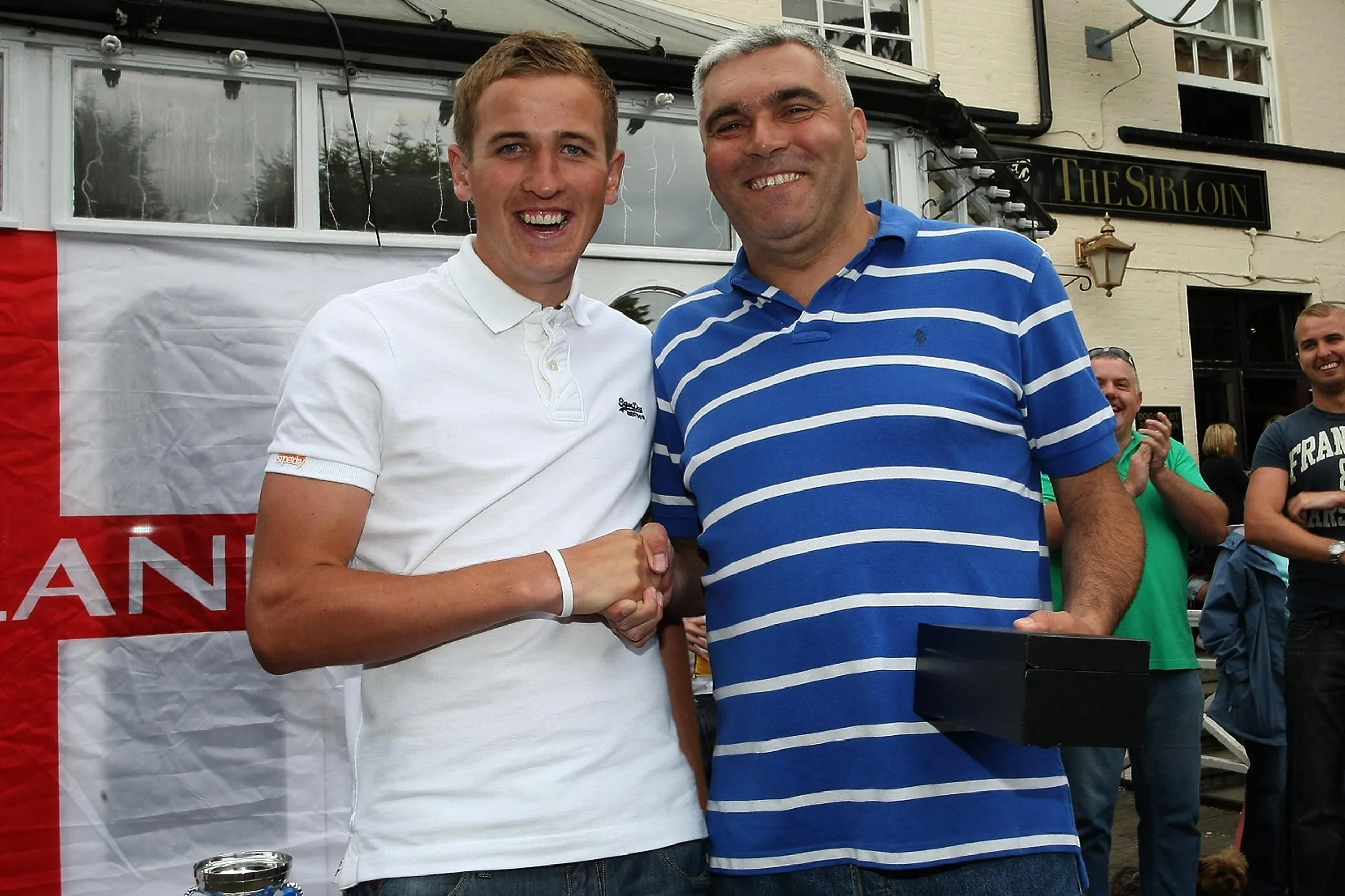
The young Kane also possessed a sense of humor. Taylor, tasked with assembling a team on short notice, organized a golf putting competition to foster team spirit. While everyone else donned standard training gear, Kane arrived fully outfitted in golf attire, complete with hat and gloves. “He’s come down as if he’s going to play the Open,” Taylor laughs. “Harry’s great company. He was quietly confident he was going to have a good career. You could just tell there’s something about him – he was confident. It wasn’t a case of ‘football owes me a living’; it was: ‘I’m gonna work me socks off to have one.’”
Despite being part of a strong England squad, which included talents like John Stones and Ross Barkley, Kane managed to score only once as they finished bottom of their group, which included Iraq, Chile, and Egypt.
On the return ferry from Turkey, Taylor enjoyed a conversation with Kane. “I believe Harry Kane is the best player in the world in terms of mental strength, willpower and endeavour,” Taylor noted.
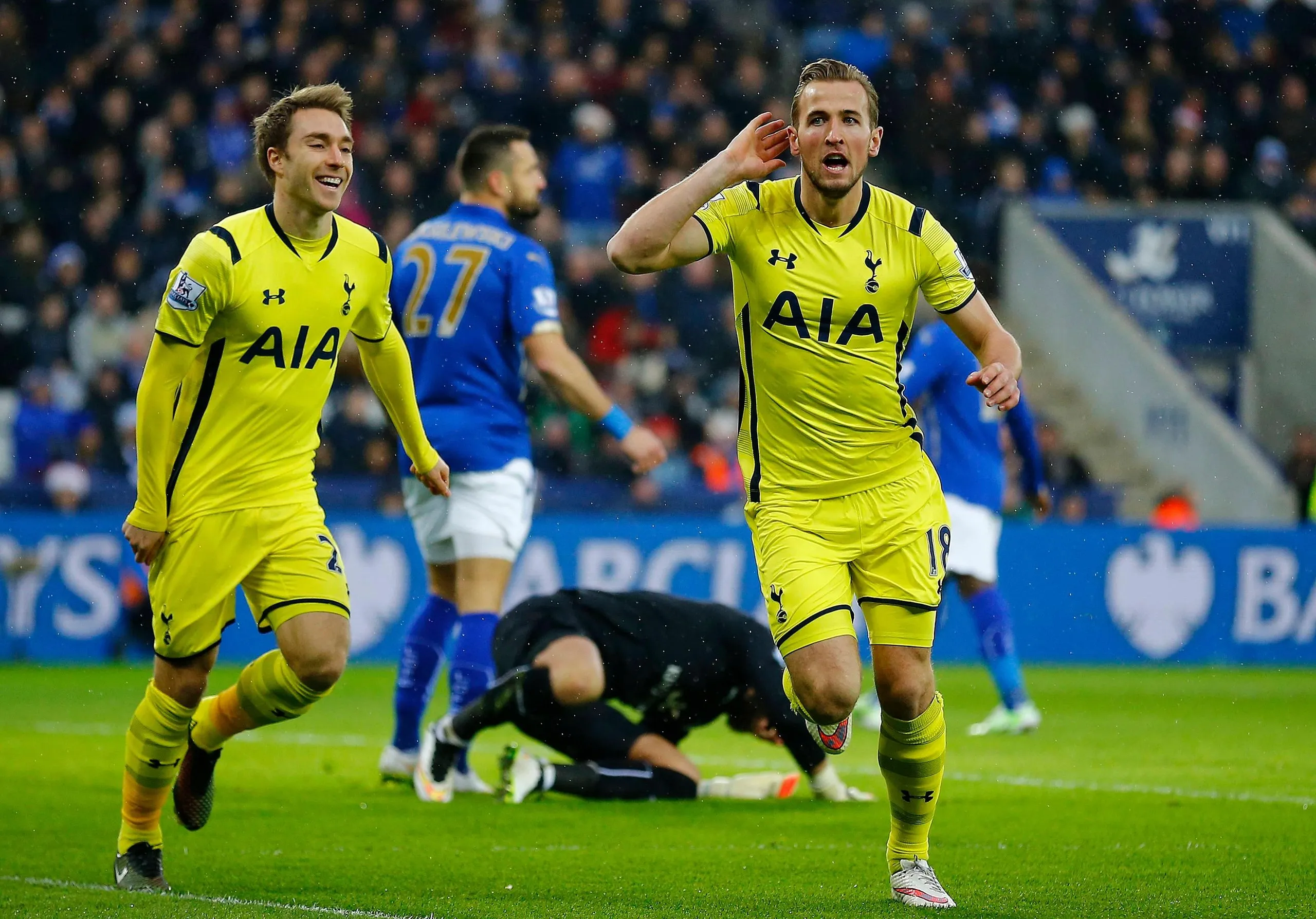
In the following season, 2013-14, Kane was given a chance in the Spurs first team by Tim Sherwood, finishing with four goals. The next year, under Mauricio Pochettino, he truly flourished, scoring 31 goals in 51 matches, which included 21 goals in the league. By 2016, he had secured his first of three Premier League Golden Boots.
Initially, Kane and Pochettino struggled to find common ground. The manager encountered a frustrated striker wary of another coach who might prioritize new signings over promoting academy talent. Pochettino was not entirely convinced by Kane’s style.
Kane favored a more traditional approach: holding the ball, playing with his back to the goal, and waiting for scoring opportunities. Pochettino, on the other hand, sought forwards who were dynamic, pressing from the front and fluid in movement, a style Kane eventually adopted.
Pochettino pushed him hard, emphasizing the need for improved fitness. Kane responded positively, purchasing a second home near the training facility, allowing him to be the first to arrive and the last to leave.
“He is completely focused on his football.” Pochettino stated in his 2017 book, Brave New World. “Harry had a quiet, powerful, strong aura about him,”
Five years after that Under-20 World Cup in Turkey, Kane found himself as a World Cup semi-finalist.
Gareth Southgate became another key figure in Kane’s career, molding teams around the striker that achieved remarkable success for England. In 2017, Southgate introduced Allan Russell, a former Scottish player, as the striker coach.
“Over the years, it turned into a self-assurance that he just cannot be nudged off track, whatever happens.” Russell observed. “Is he a nice guy? No. He’s a good guy. Nice guys get taken advantage of, seem to be a little bit softer. He’s mastered that fine line. Other players will act selfish, and their behaviours will come across as maybe arrogant. Those traits come out in Harry in his ability to score goals.”
How does one enhance the skills of a Premier League Golden Boot winner? Russell explains that while some players require coaching, others need to be challenged; Kane falls into the latter category. Those who have met Kane often remark on his genuine and amiable demeanor, contrasting with the selfish arrogance often associated with success at the highest level.
“He’s like: ‘I’m playing,’” Russell states. “‘Every game – I want to score goals, I want to break records.’ That’s his mentality. “Now he is older and wiser. He manages his energy levels better in games. He manages triggers on when to press. He manages when he comes deep. You’re probably seeing him at his prime. “The tournaments I had with him, you could see him starting to dip towards the end. That could be mental fatigue, because he carries the team a lot as captain. Now he’s matured into a true leader, maybe the anxiety and stress of being captain is no longer a big drain on his energy levels; maybe it’s allowed him to go and flourish more.”
After Kane scored twice against the Democratic Republic of the Congo to secure a win for England, Russell texted him, expressing his admiration. “I wouldn’t put it past him.”
Kane replied, “Thanks Al, I know you’ll enjoy that second finish.”
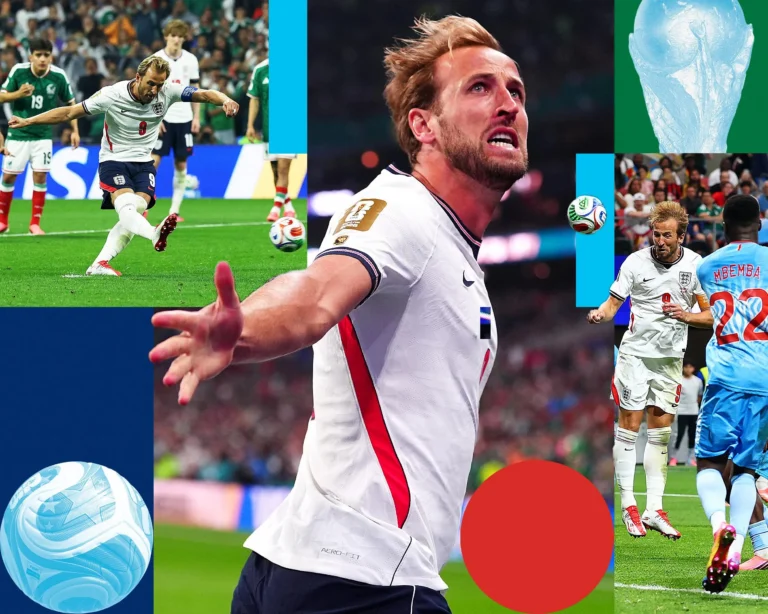
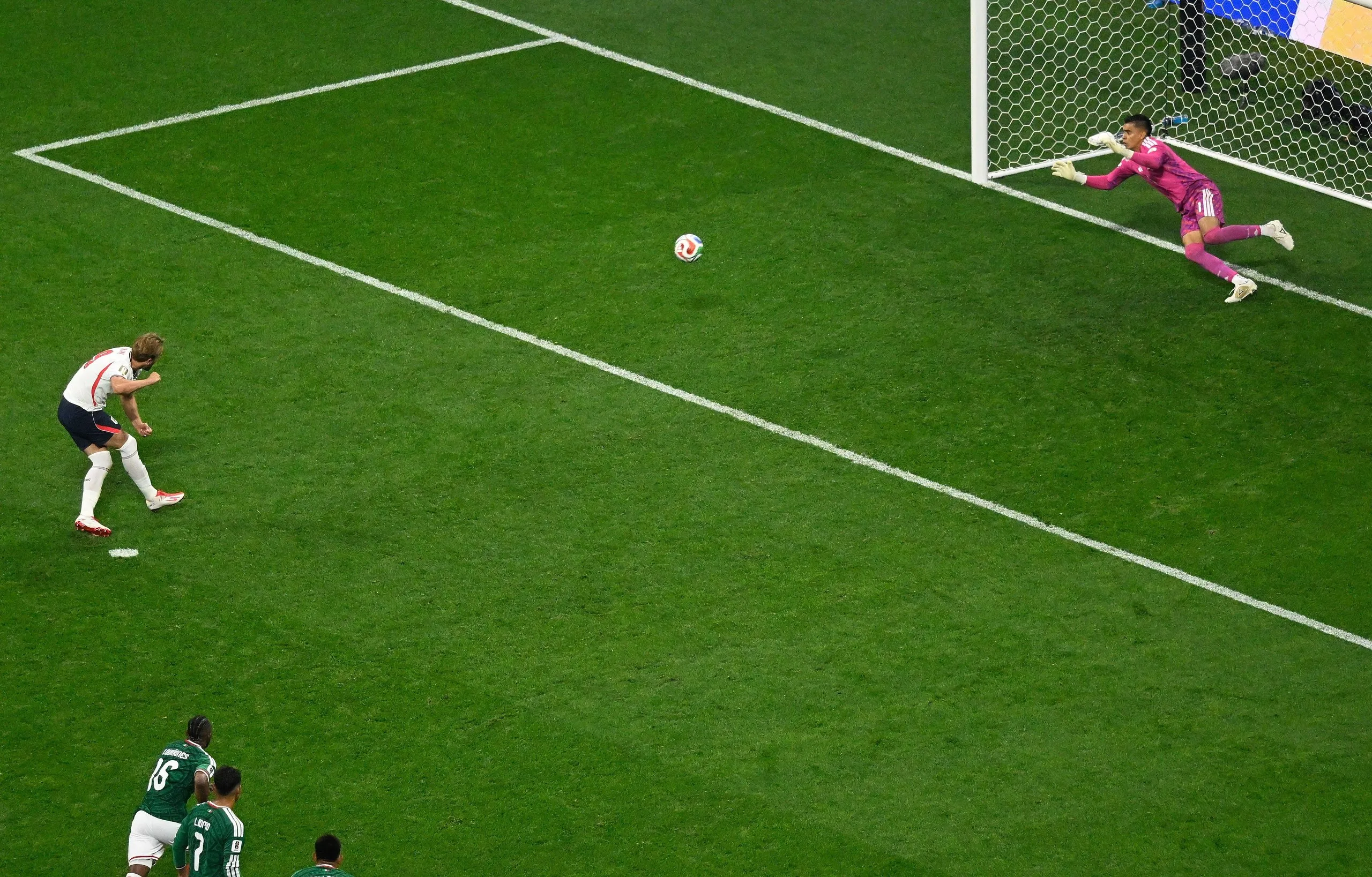
Remarkably, during this World Cup, Kane appears to be performing at an even higher level. Approaching his 33rd birthday just days after the final, he has already matched his six goals from the 2018 tournament. As England’s top scorer, he surpassed Gary Lineker as the all-time leading scorer for England in World Cups, even surpassing Pelé in the process.
Russell recounts a moment in Lithuania, suggesting to Kane that he could sit out a friendly match to rest. “He’s like: ‘I’m playing,’” Russell remembers. “‘Every game – I want to score goals, I want to break records.’ That’s his mentality.”
“Now he is older and wiser. He manages his energy levels better in games. He manages triggers on when to press. He manages when he comes deep. You’re probably seeing him at his prime,”
“The tournaments I had with him, you could see him starting to dip towards the end. That could be mental fatigue because he carries the team a lot as captain. Now he’s matured into a true leader; perhaps the anxiety and stress of being captain no longer drains his energy levels, allowing him to flourish.”
Will we witness Kane at another World Cup? “I wouldn’t put it past him.”
- Harry Kane
- England
- World Cup 2026
- World Cup
- features