


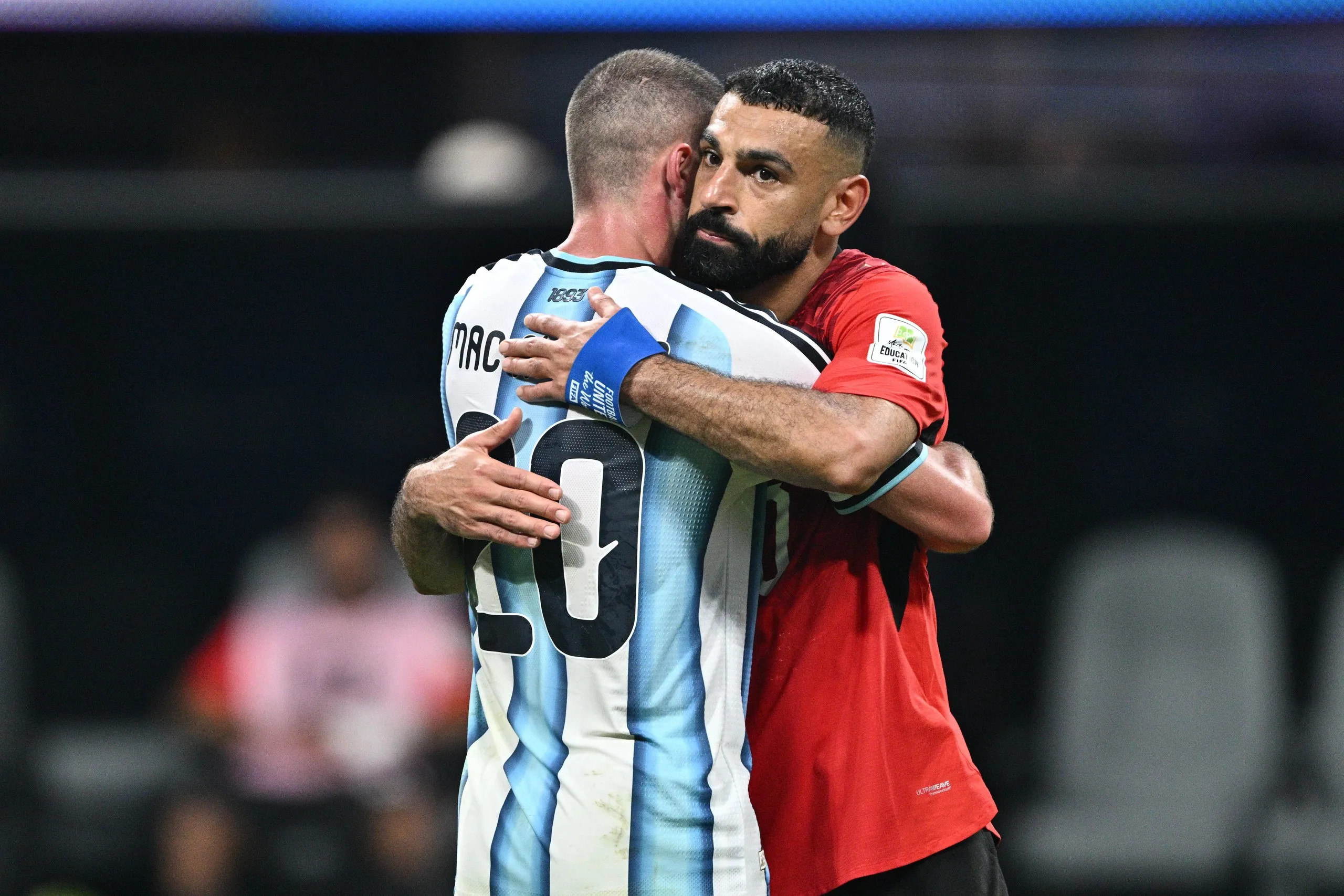
For nearly 15 minutes on Tuesday, it appeared that Egypt was on the verge of pulling off one of the most astonishing upsets in World Cup history. Leading 2-0 against Argentina, the reigning champions, goalkeeper Mostafa Shobeir had earlier thwarted a penalty, denying Lionel Messi a chance to equalize. However, in a dramatic turn of events during the second half, Argentina rallied, scoring three goals in just 13 minutes, thus ending Egypt’s remarkable journey in the tournament.
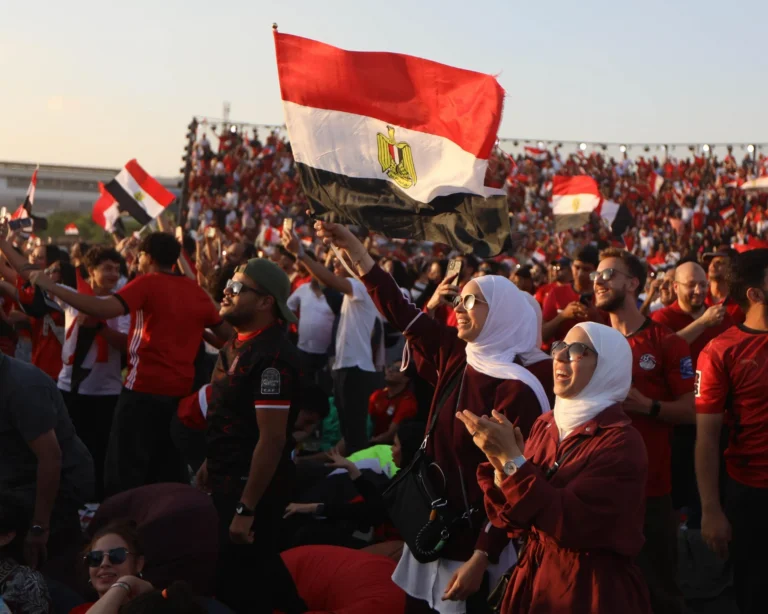
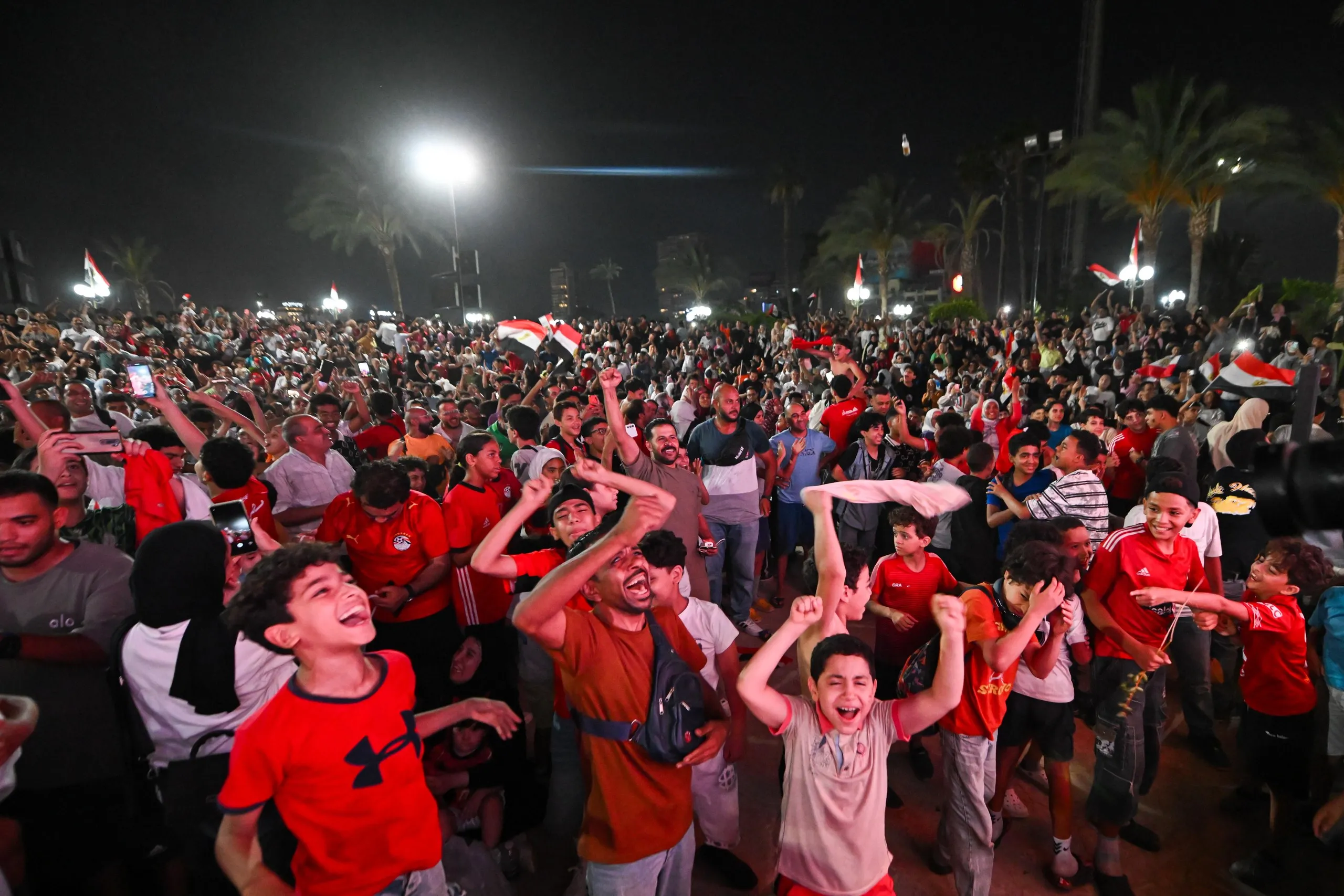
The thrilling match quickly shifted from elation to heartbreak, as many fans expressed frustration over what they perceived as referee decisions favoring Argentina. Nevertheless, amidst the disappointment, a surge of pride emerged. Upon their return to the hotel in Atlanta, the Egyptian team was met with a warm welcome from numerous fans who had gathered to show their support. This emotional reception served as a poignant reminder that, despite the bitter conclusion, this squad had provided Egyptians with their first taste of collective joy in 15 years, since the 2011 revolution.
In recent years, Egypt has faced one of its most severe economic crises, with a rising debt burden stemming from government expenditures on grand projects. This economic turmoil has led to rampant inflation, ongoing foreign currency shortages, and a currency that continues to depreciate against the dollar. For many everyday Egyptians, the impact has been profound, with stagnant wages failing to keep pace with soaring prices, making basic necessities increasingly unaffordable. Over 70% of Egypt’s 118 million citizens depend on the government’s bread subsidy program, the largest of its kind in the Middle East and North Africa.
With diminished prospects, many Egyptians, including myself, have turned to football for fleeting moments of happiness.
Egypt boasts a rich football history, being a founding member of the Africa Cup of Nations (Afcon) and winning the inaugural title in 1957. Emerging from the Suez crisis, the nation’s triumph symbolized a new era of independence for Africa. The Pharaohs have claimed the Afcon title a record seven times, but have not triumphed since the Arab Spring, the same year Mohamed Salah made his debut for the national team.
In February 2012, a tragic incident unfolded following a Premier League match between Al Ahly and Al Masry in Port Said, resulting in 74 fatalities and over 500 injuries due to a stampede. This disaster prompted the government to suspend the league for two years, severely impacting the national team.
Since the revolution, Egypt has reached the Afcon final twice, in 2017 and 2021. Although the country hosted the tournament in 2019, they faced a shocking defeat in the last 16 against South Africa, a campaign marred by allegations of sexual harassment against forward Amr Warda. Two years later, under Salah’s captaincy, they succumbed to Senegal in a final shootout.
Egypt’s World Cup history has also been a source of disappointment. Despite being participants since 1934, they had never won a World Cup match until last month, when they triumphed over New Zealand. This makes their recent performance all the more remarkable, as they navigated the group stage unbeaten and advanced to the last 16 for the first time.
Yet, their most significant achievement was uniting the country in celebration. Their vibrant spirit was infectious, with players dancing with fans in the streets after matches, Salah singing along with a boombox in hand, reminding everyone that this endeavor transcended mere football. As one of only two teams, alongside Morocco, to reach the last 16 from outside Europe and the Americas, Egypt carried the aspirations of many across Africa and the Arab world. In Libya, crowds gathered in Martyrs’ Square, singing Egyptian anthems and waving flags after Egypt’s penalty victory over Australia. In Lebanon, joyful celebrations erupted in the streets, where both Lebanese and Egyptian flags were raised in various cities.
The Egyptian Committee for the Reconstruction of Gaza organized public viewing parties for displaced Palestinian families to watch Egypt’s matches. They set up screens, seating, and electricity in Gaza City, offering a rare distraction. Children wrapped themselves in Egyptian flags while others cheered for Salah and the team. In their eyes, Egypt’s victories were victories for them as well. Tragically, the committee’s director, Mohammed Fawaz al-Wahidi, was killed in an IDF strike just hours after Egypt faced Argentina.
After Egypt’s win against Australia, coach Hossam Hassan held the Palestinian flag at Dallas Stadium, declaring, “I’m dedicating this victory to the Egyptian people and Palestinian people, those kind and honourable people,”
The match against Argentina solidified Egypt’s evolution from a team mired in football purgatory to a skilled side capable of inspiring their compatriots and competing with the finest teams globally.
Following their loss, the Egyptian Football Association (EFA) issued a statement expressing gratitude to the Egyptian people for their “unwavering support, loyalty and belief” throughout the tournament, which it described as “a source of immense pride and motivation” The performances, the EFA noted, “had reflected the spirit and character of our nation” The federation also pledged to address the controversial refereeing decisions encountered during the match.
Egypt’s accomplishments do not erase the political or socioeconomic challenges facing the nation, but the unity and collective joy that has enveloped the streets have been remarkable to behold. For a fleeting moment, millions of Egyptians found common ground in hope, celebration, and national identity.
At last, Egypt had seemingly broken the longstanding curse of the Pharaohs.
- Egypt football team
- World Cup 2026
- World Cup
- Egypt
- comment