


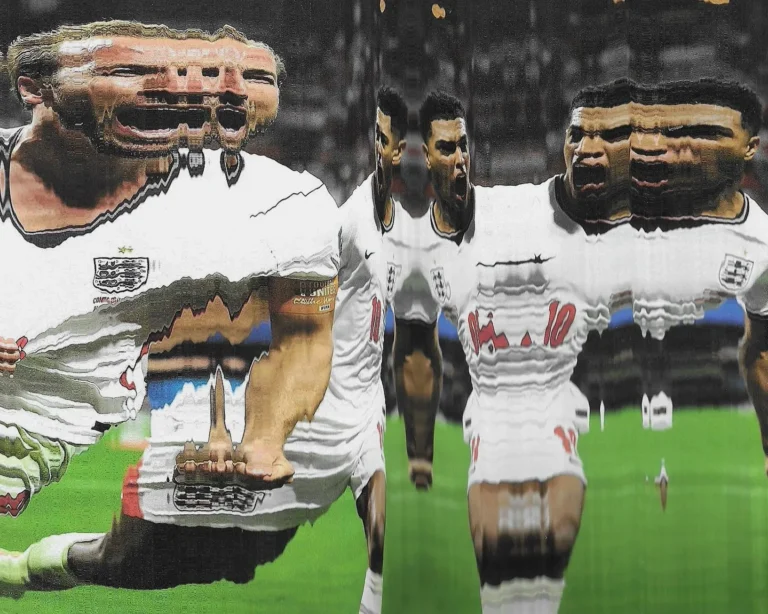
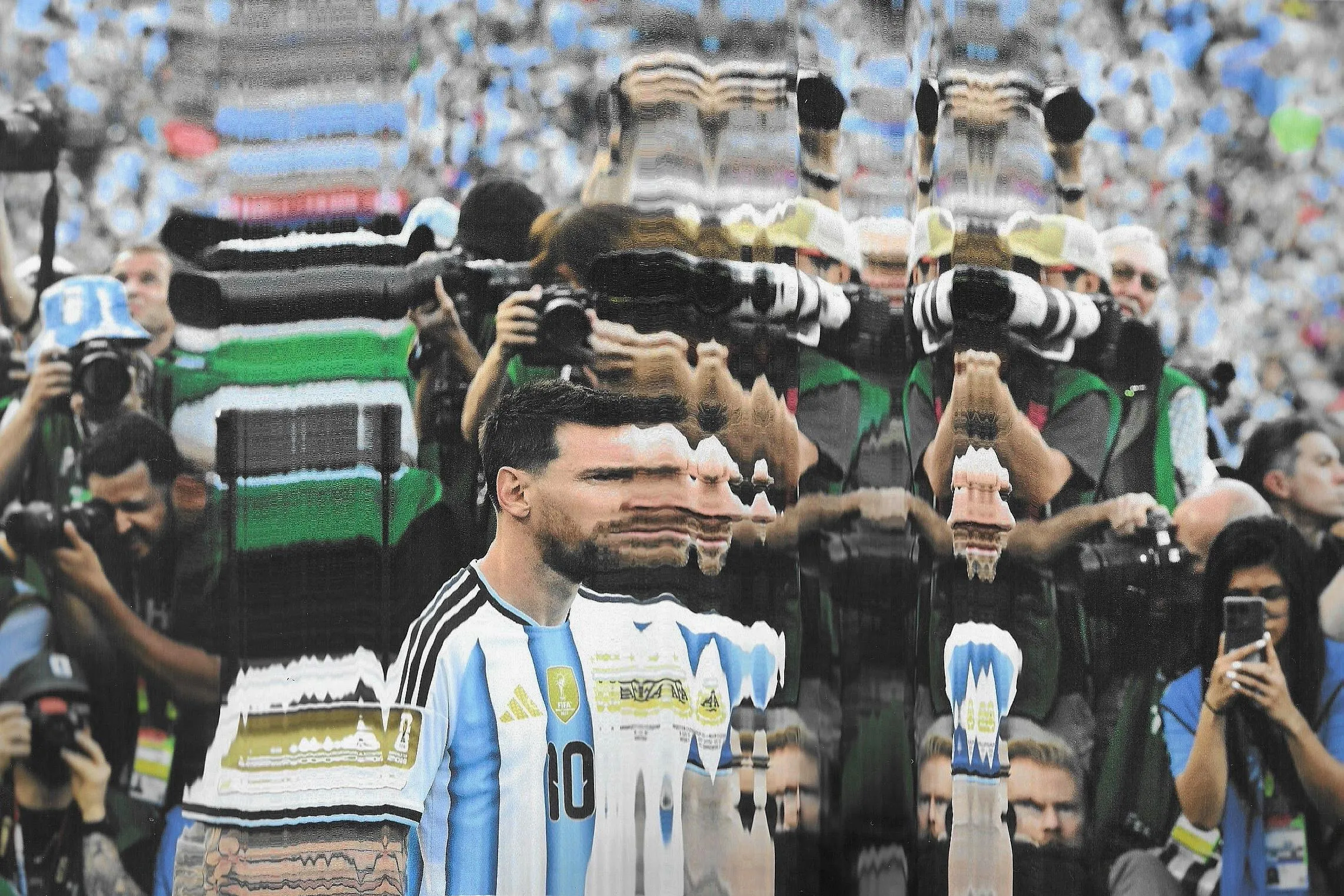
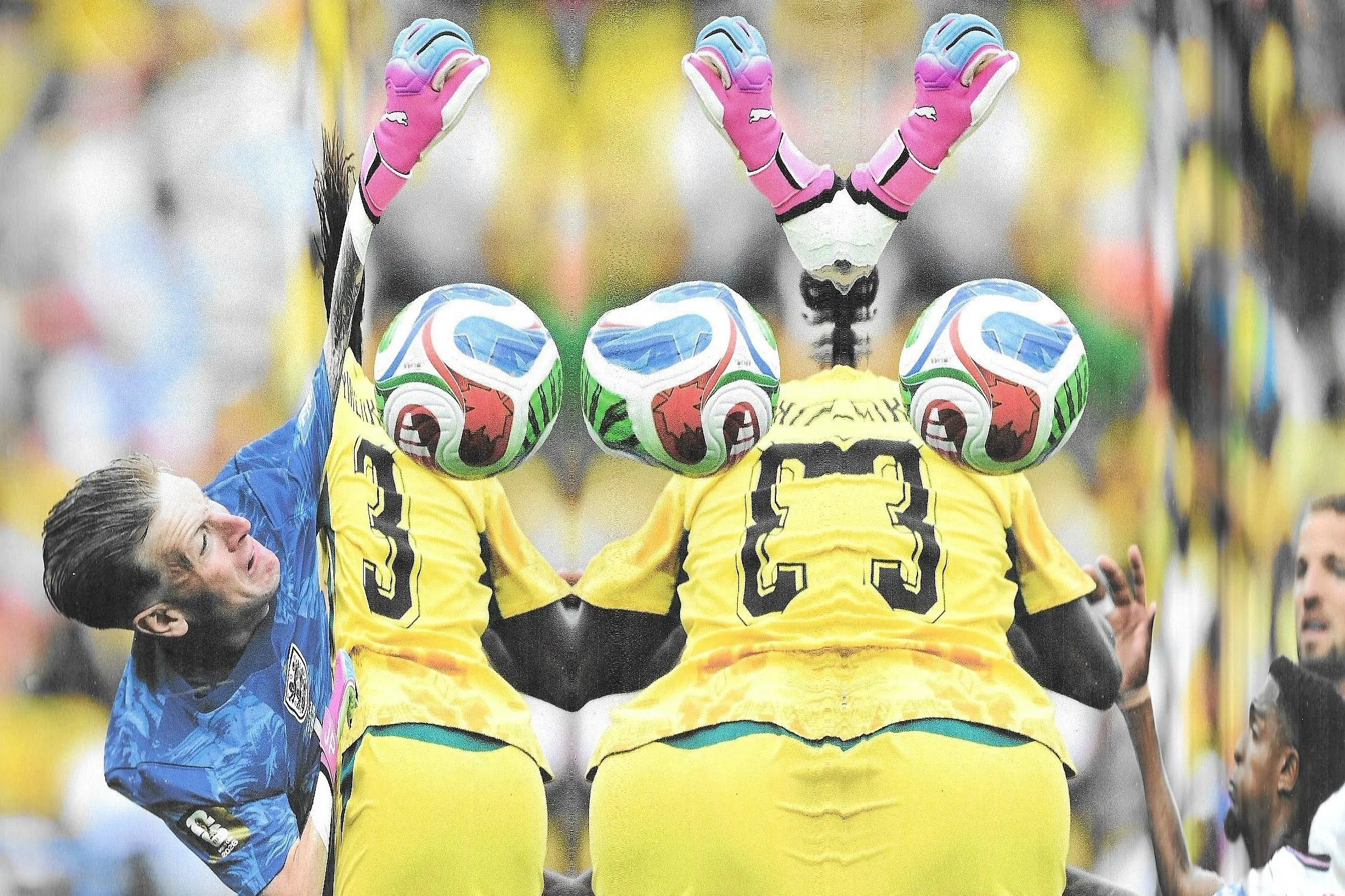
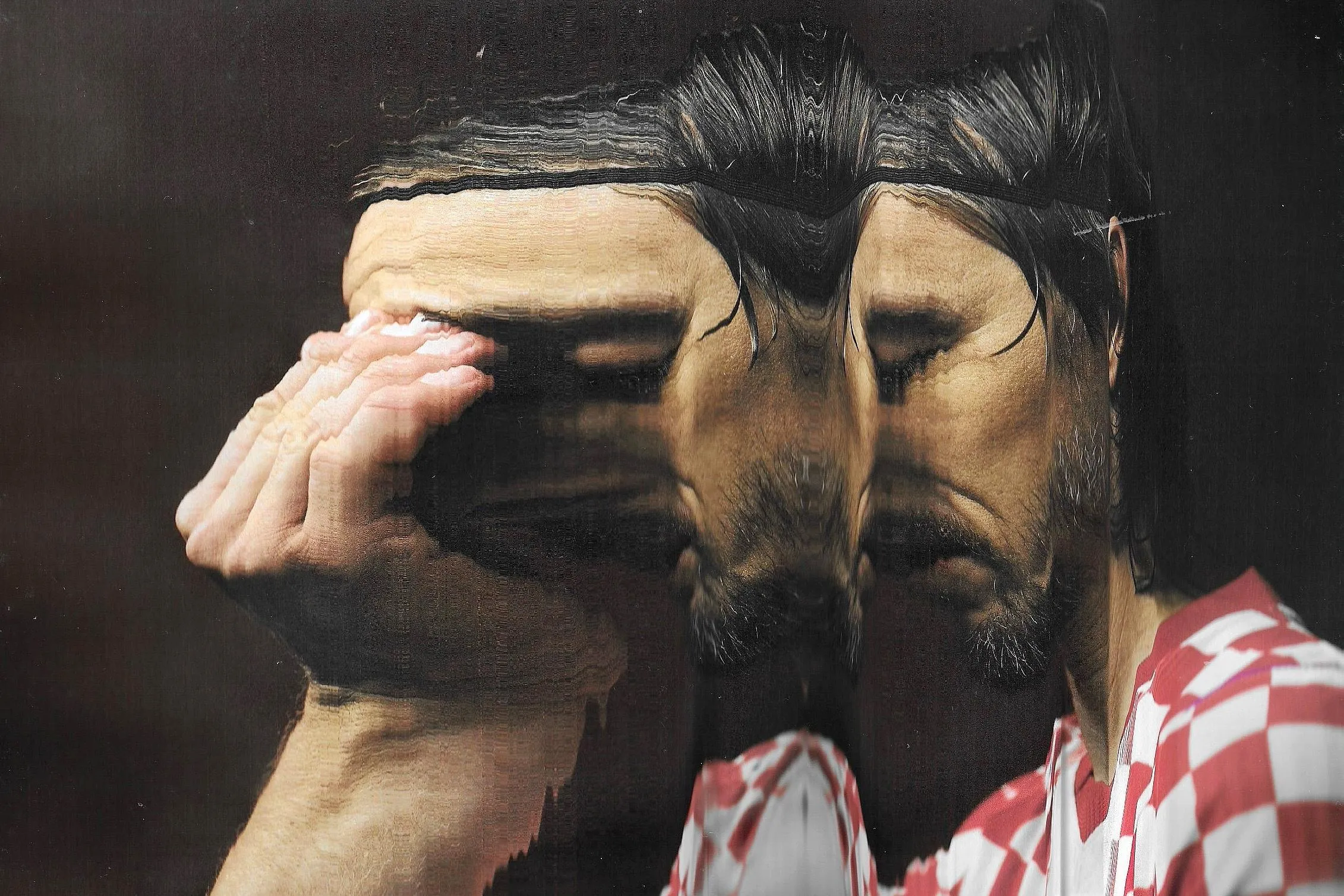
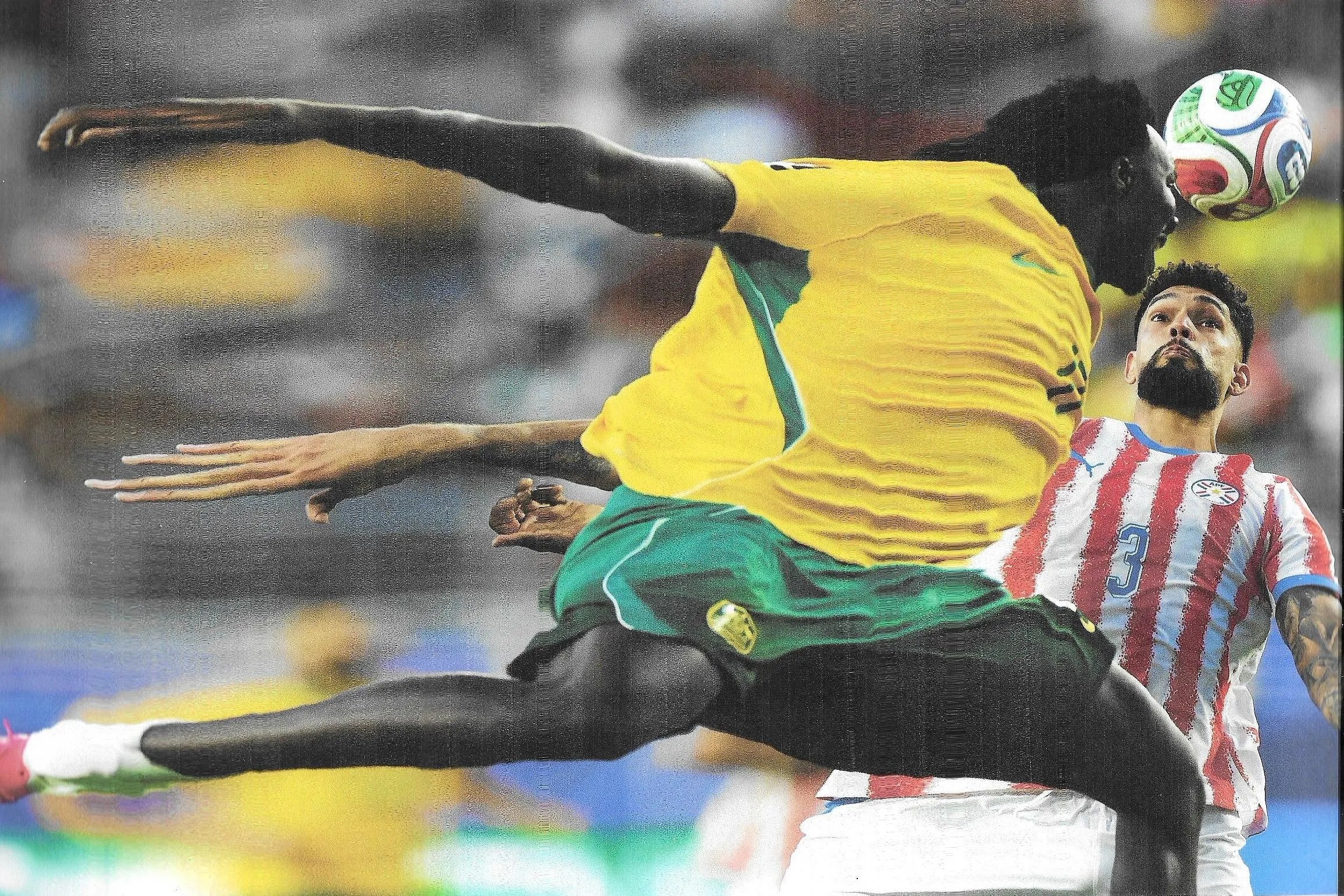
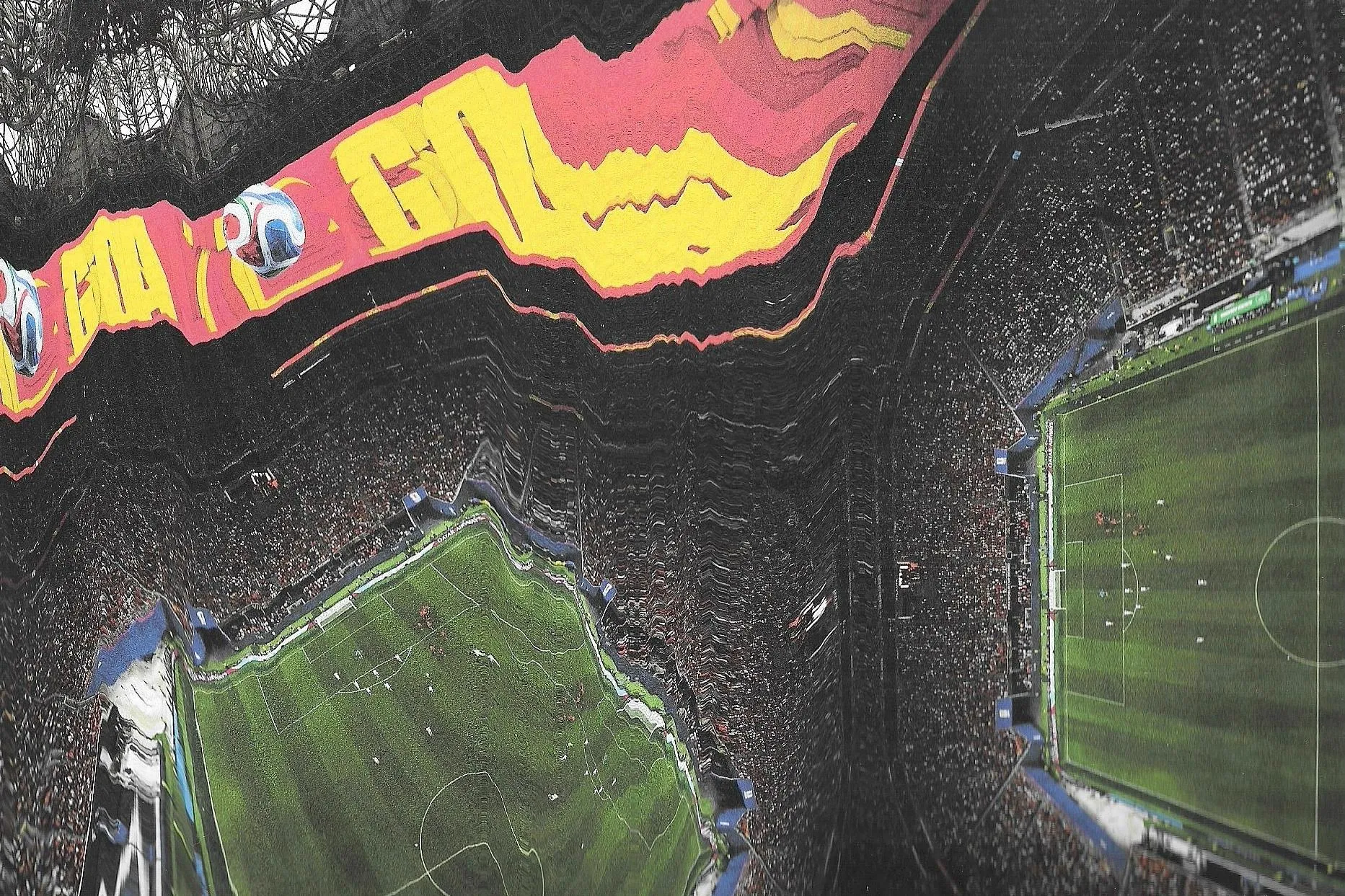
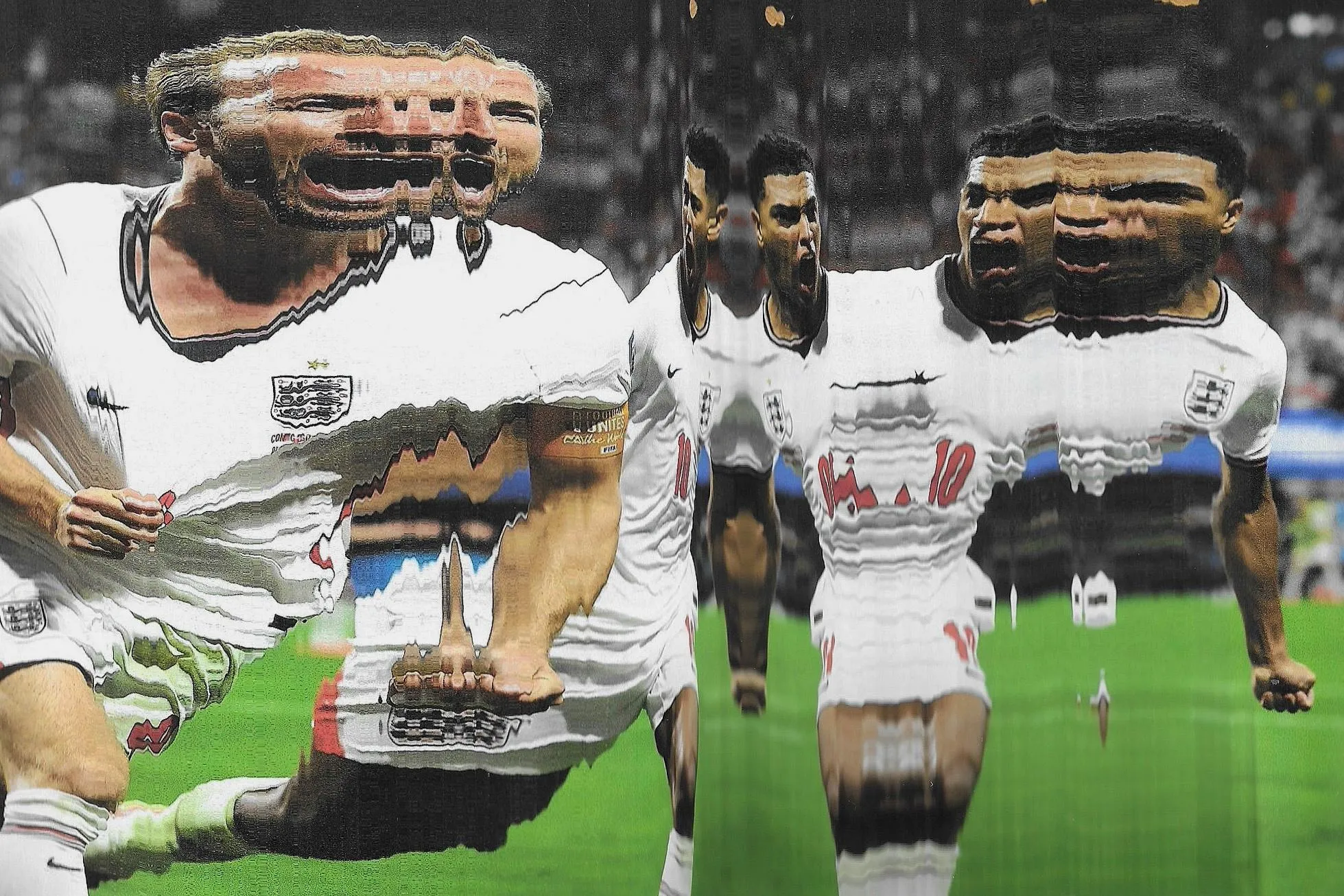
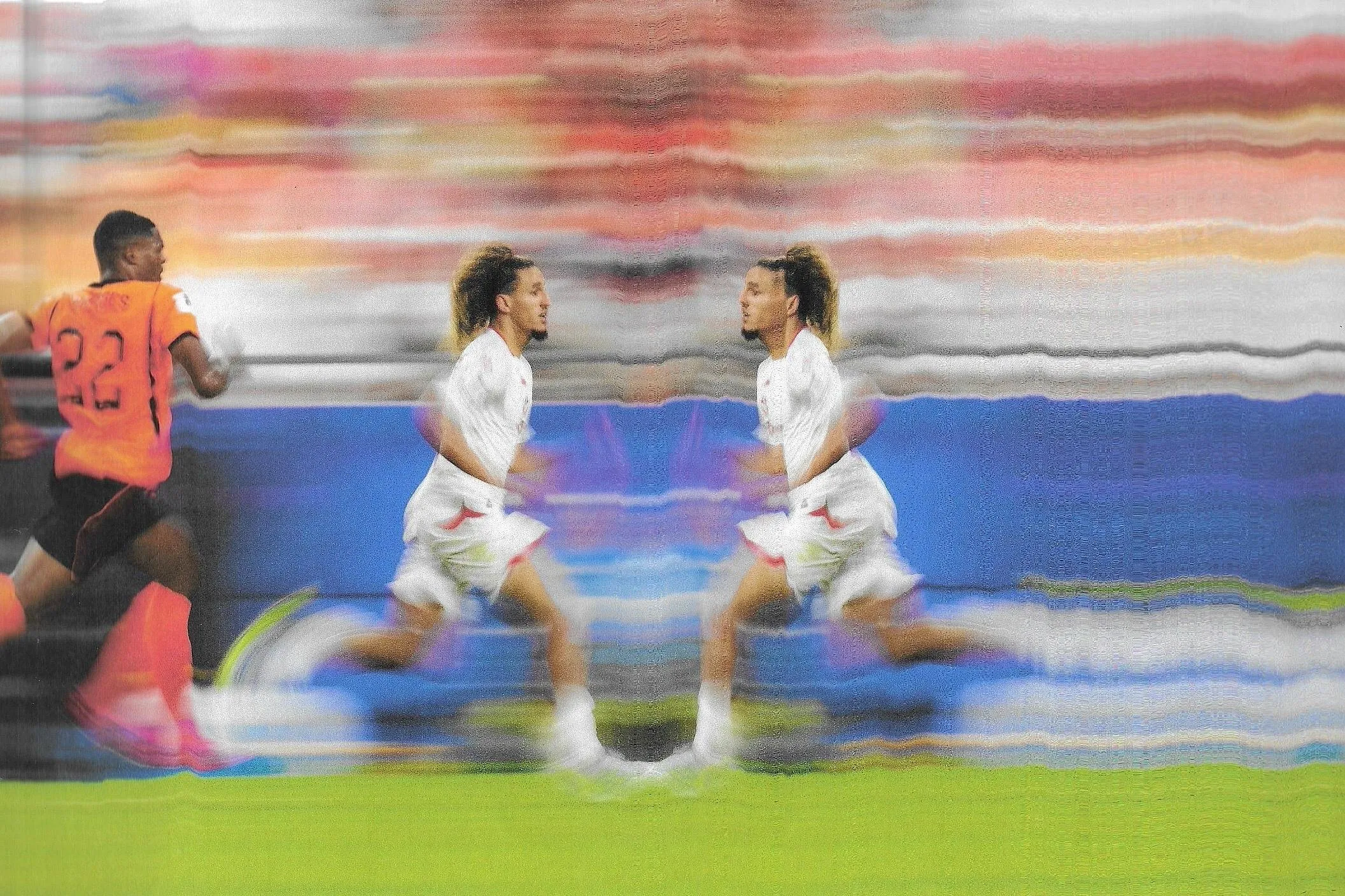
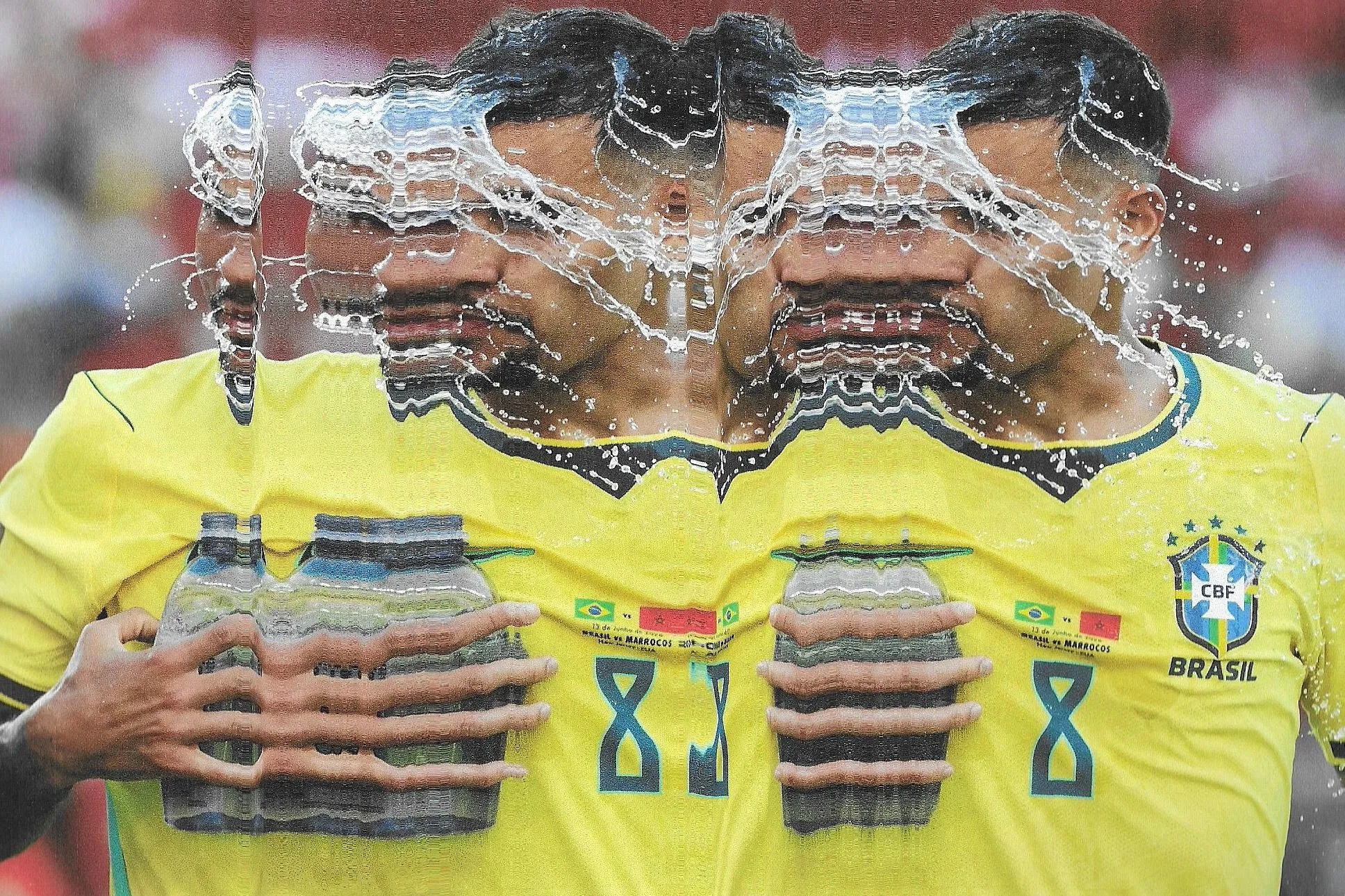
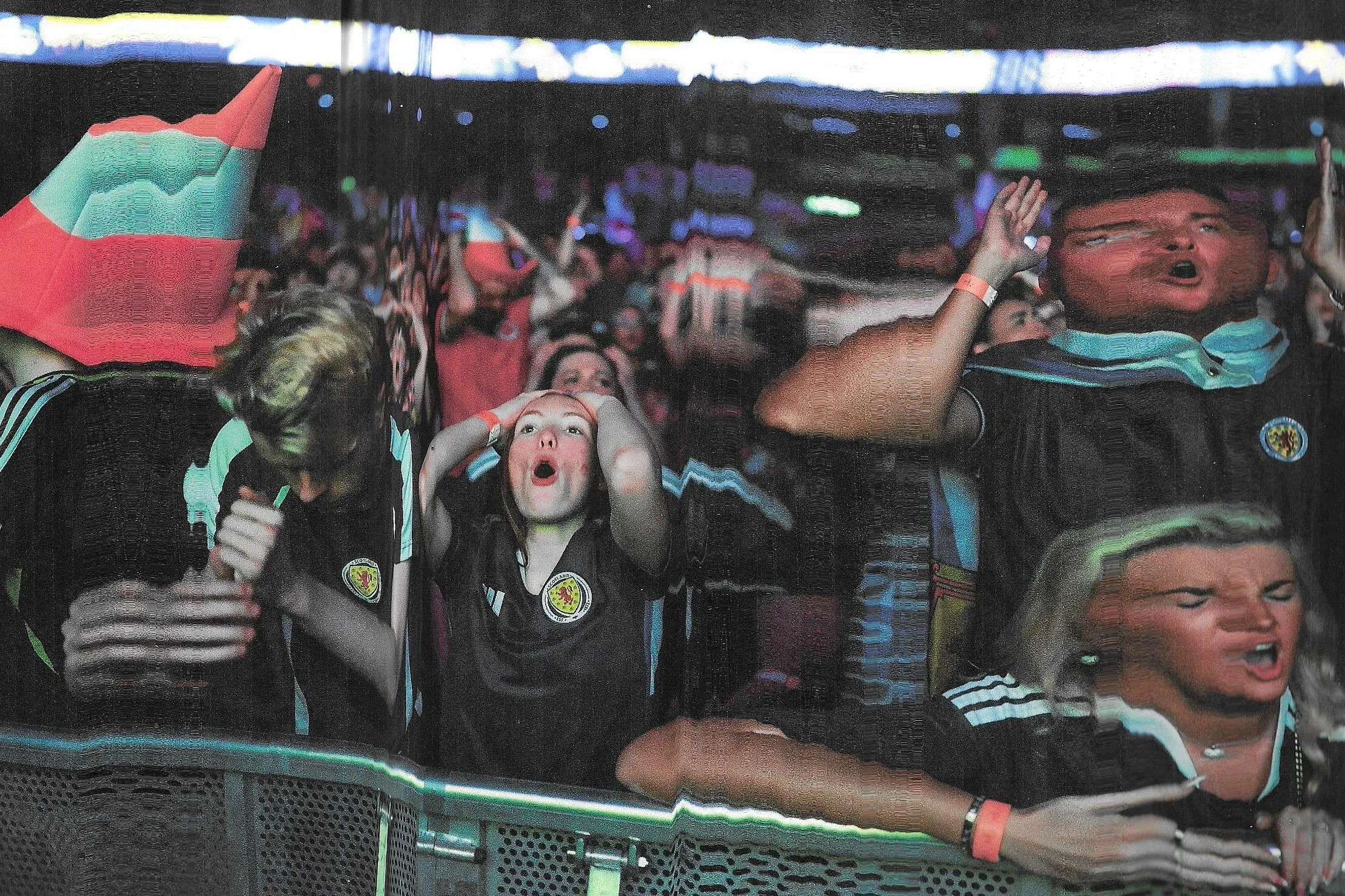
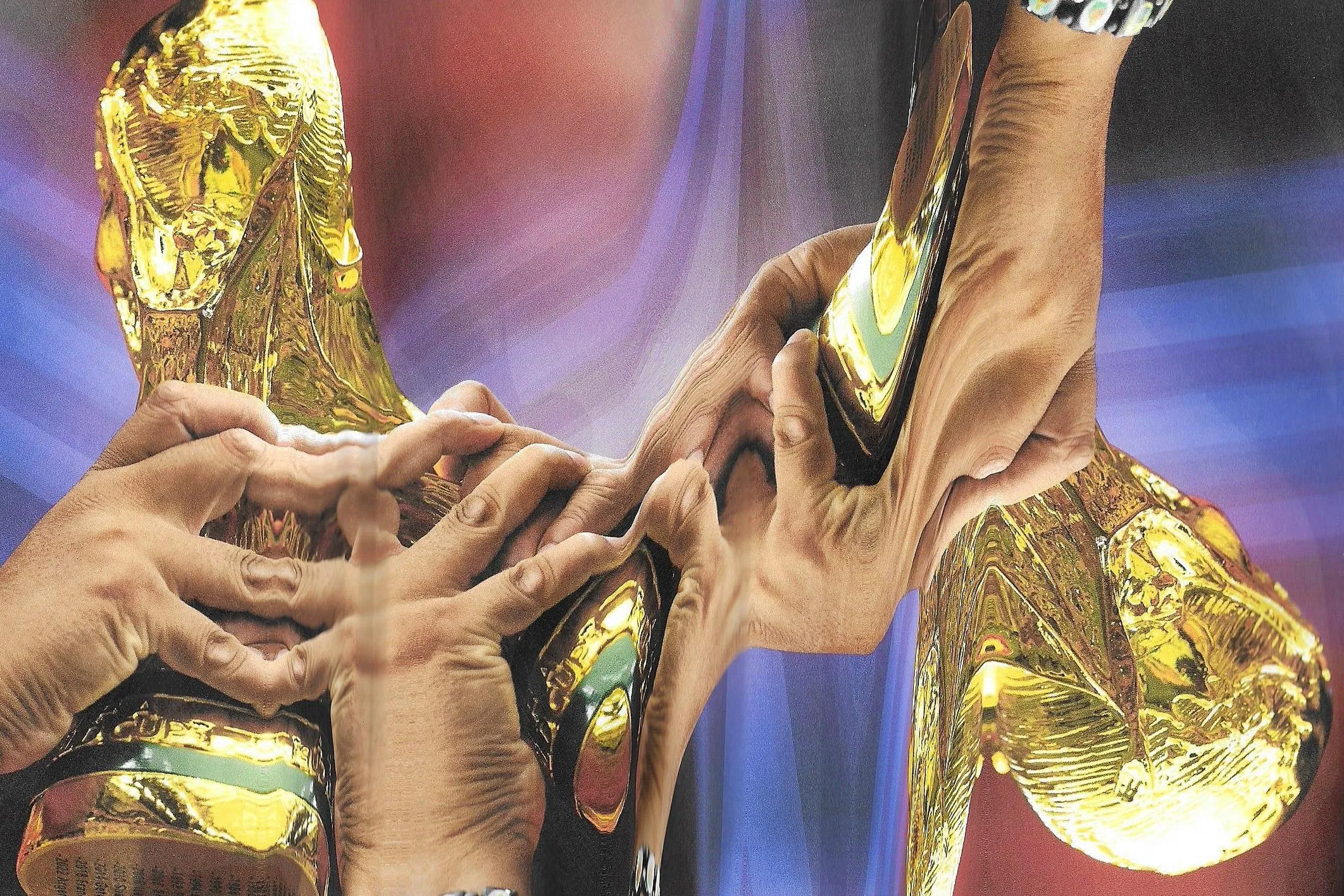
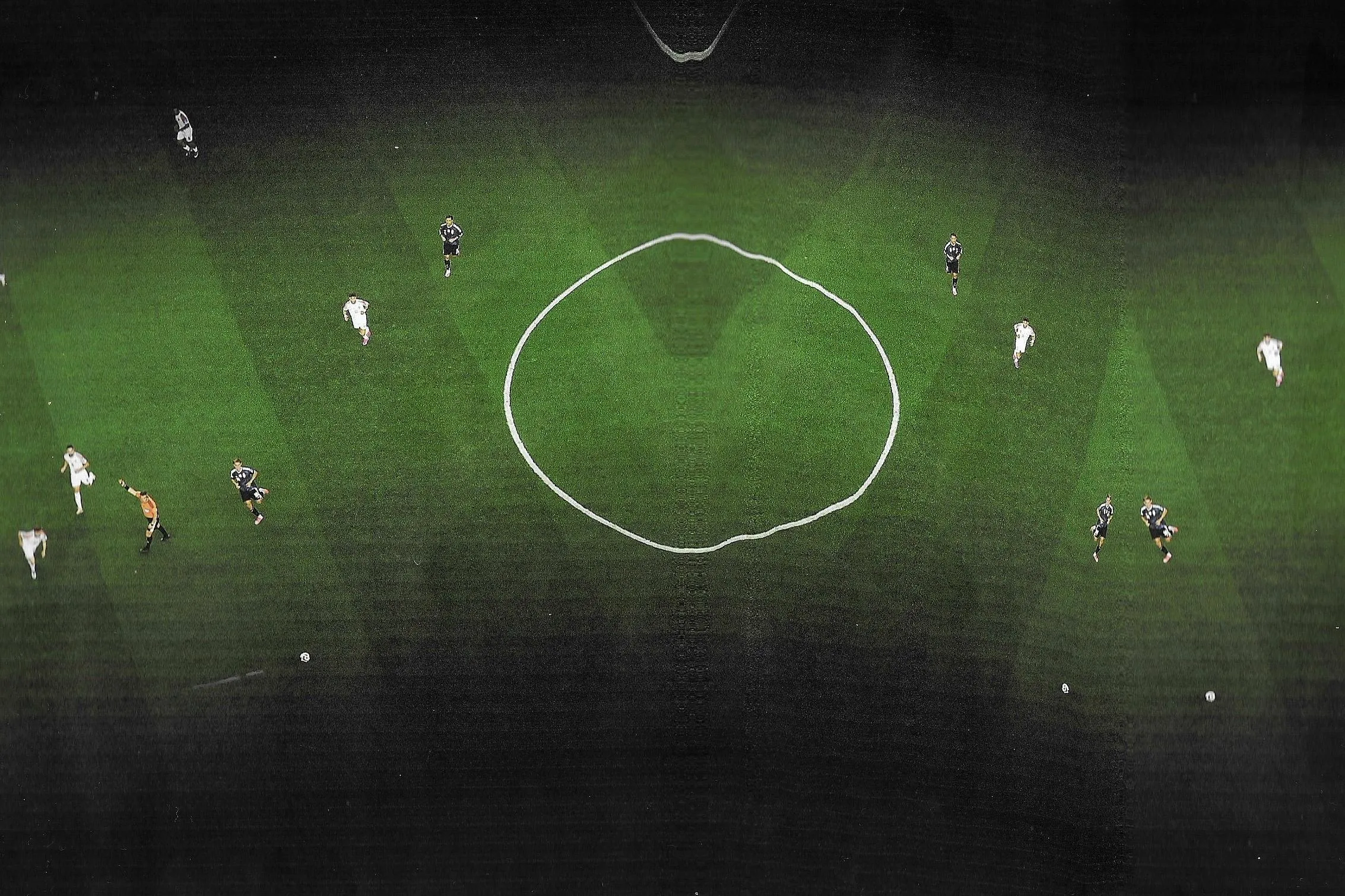
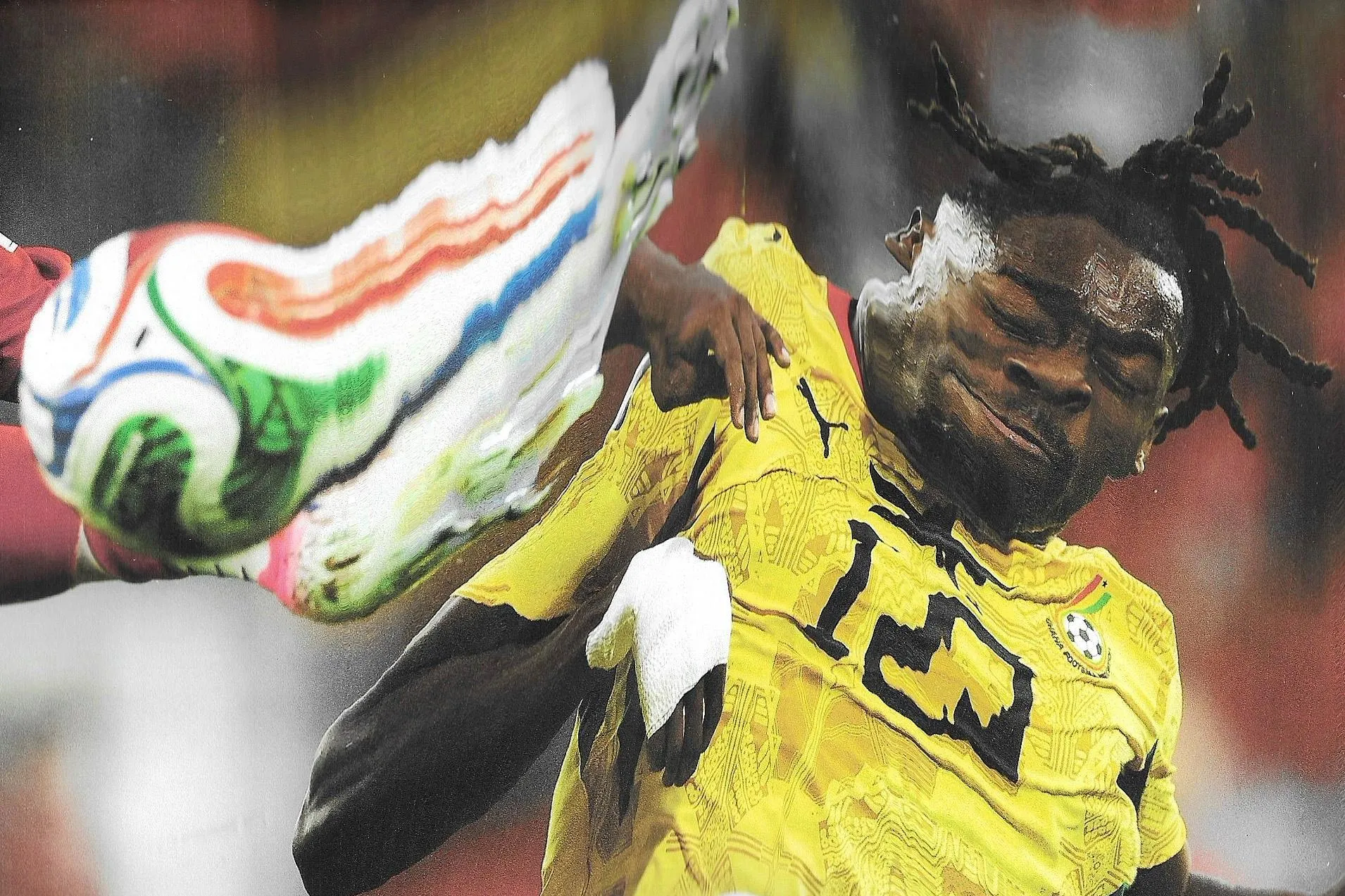
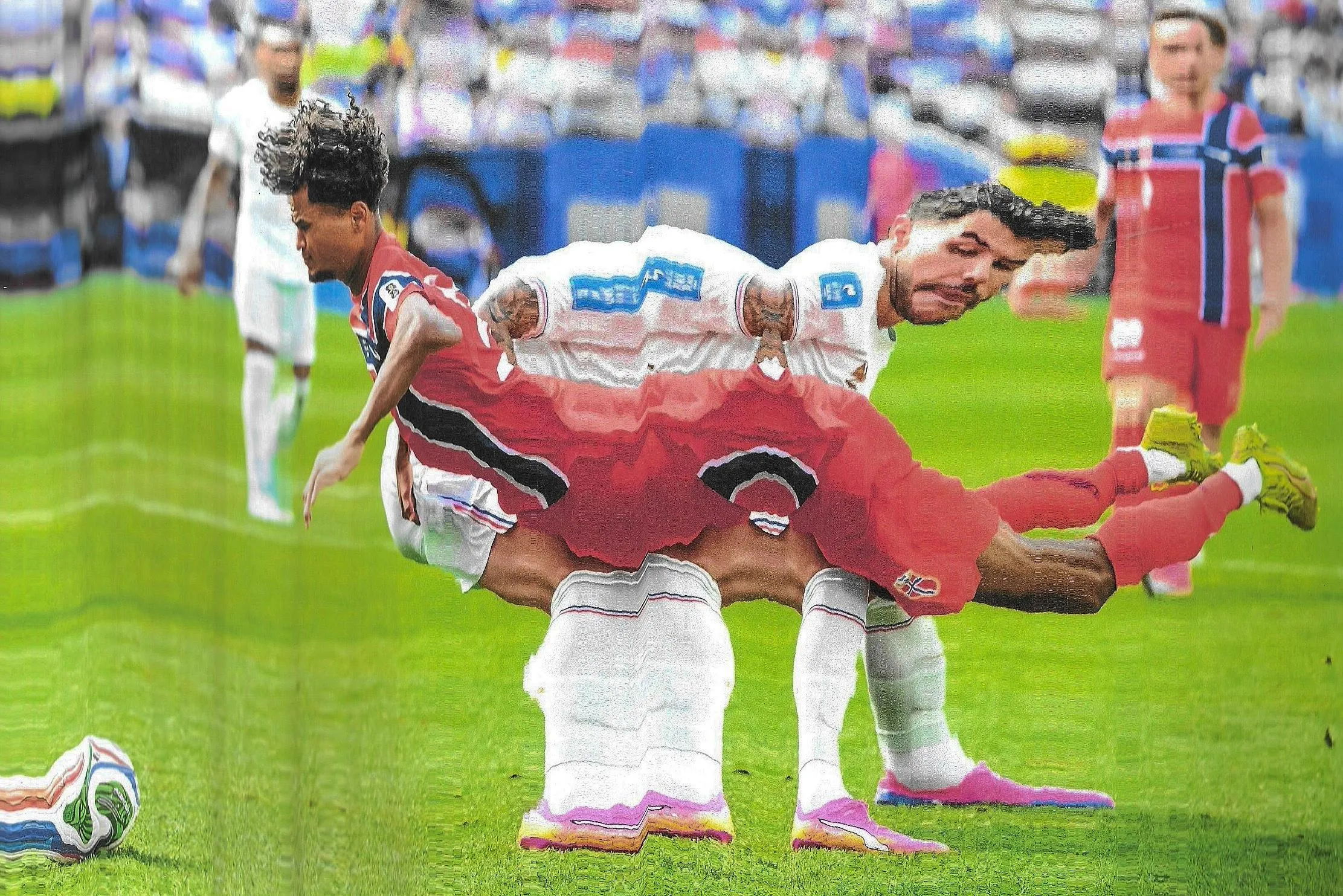
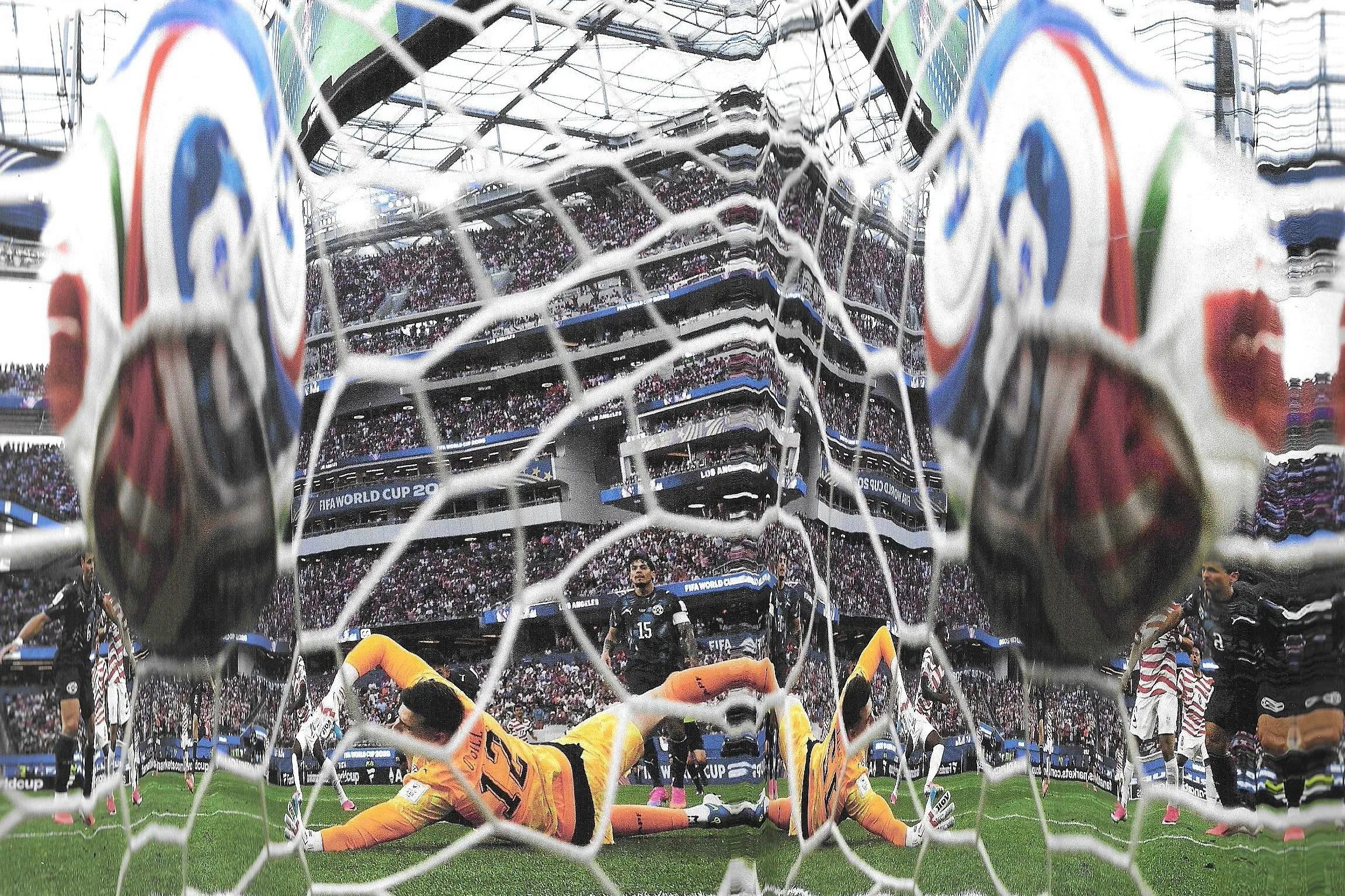
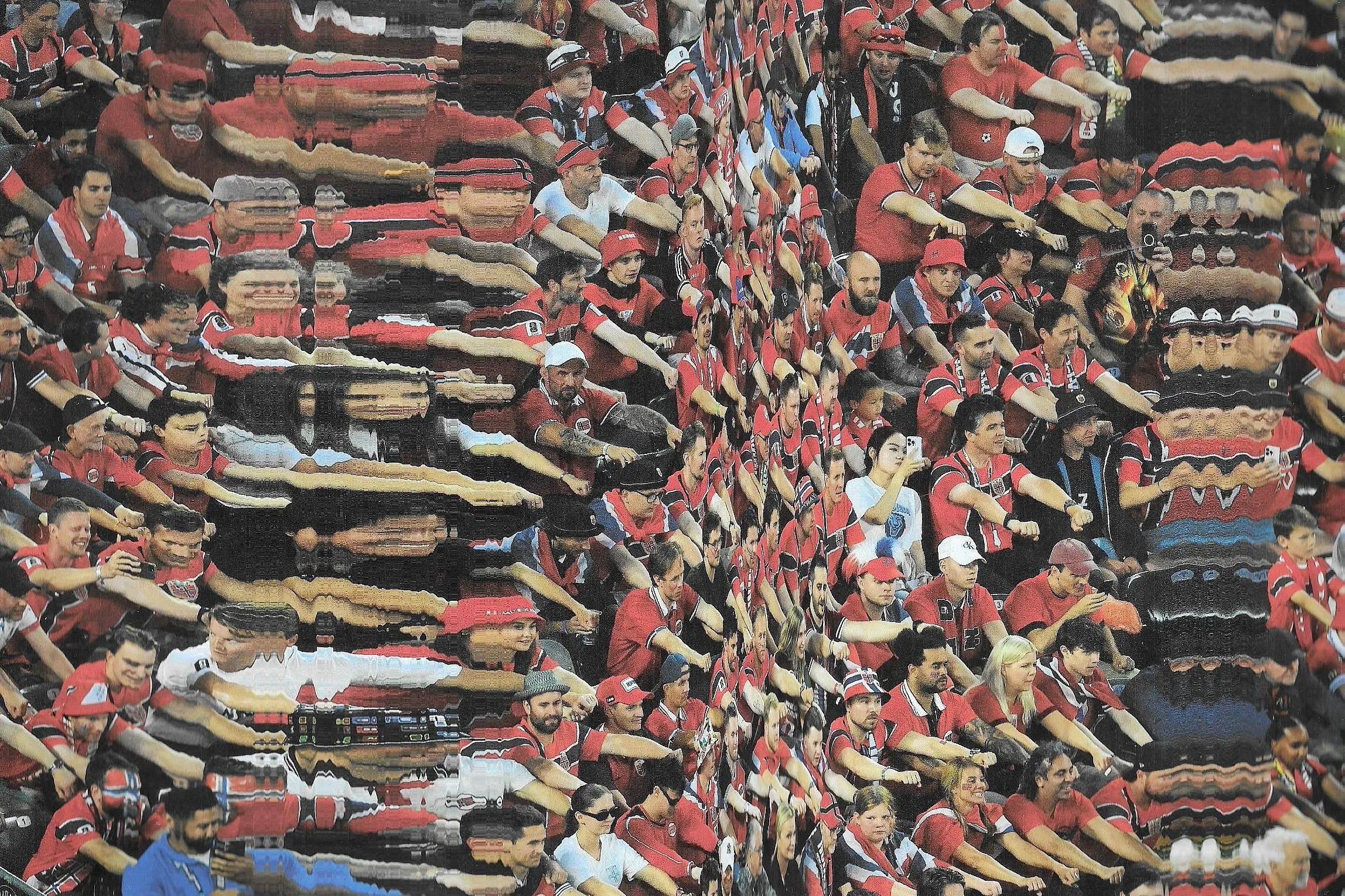
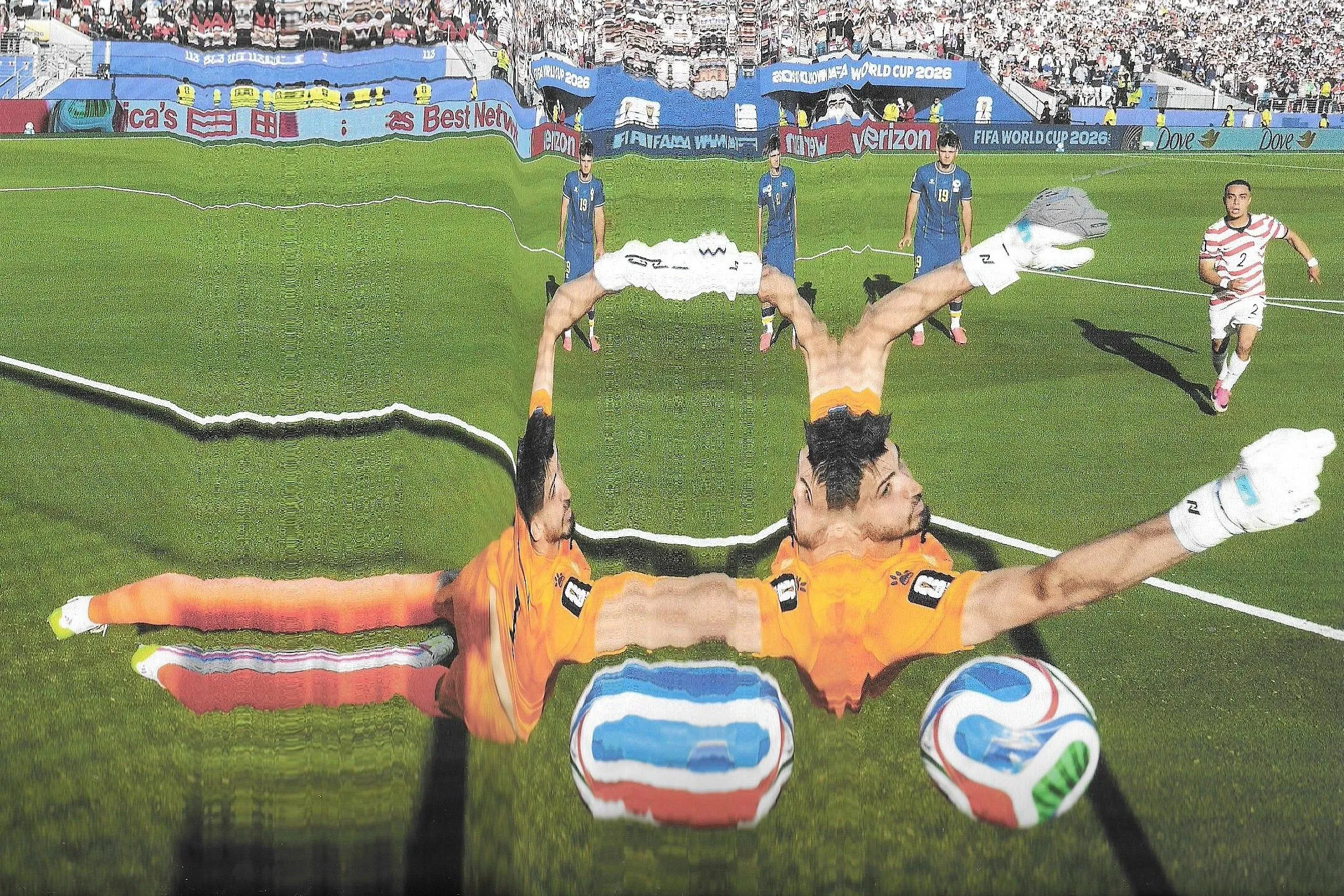
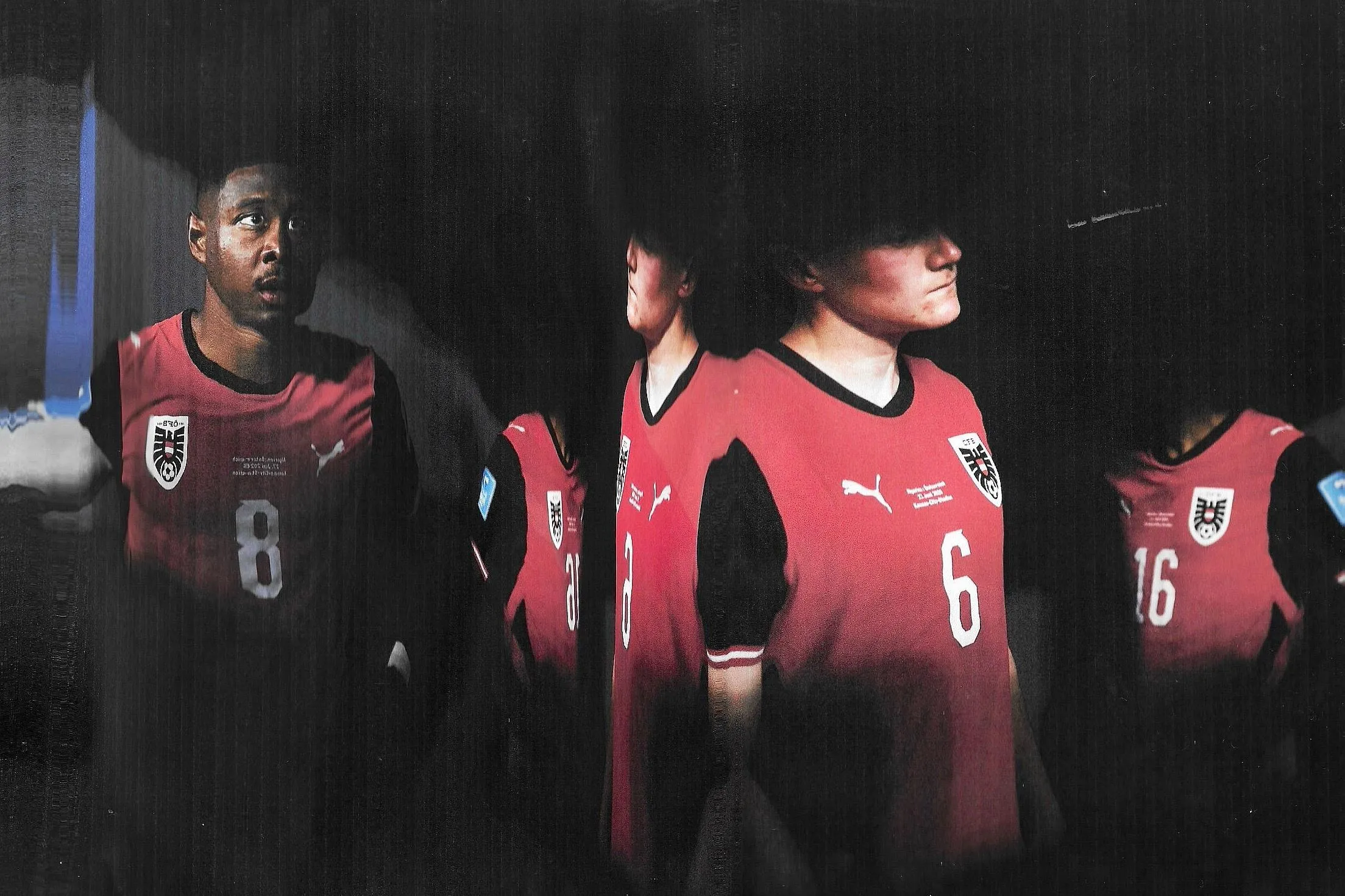
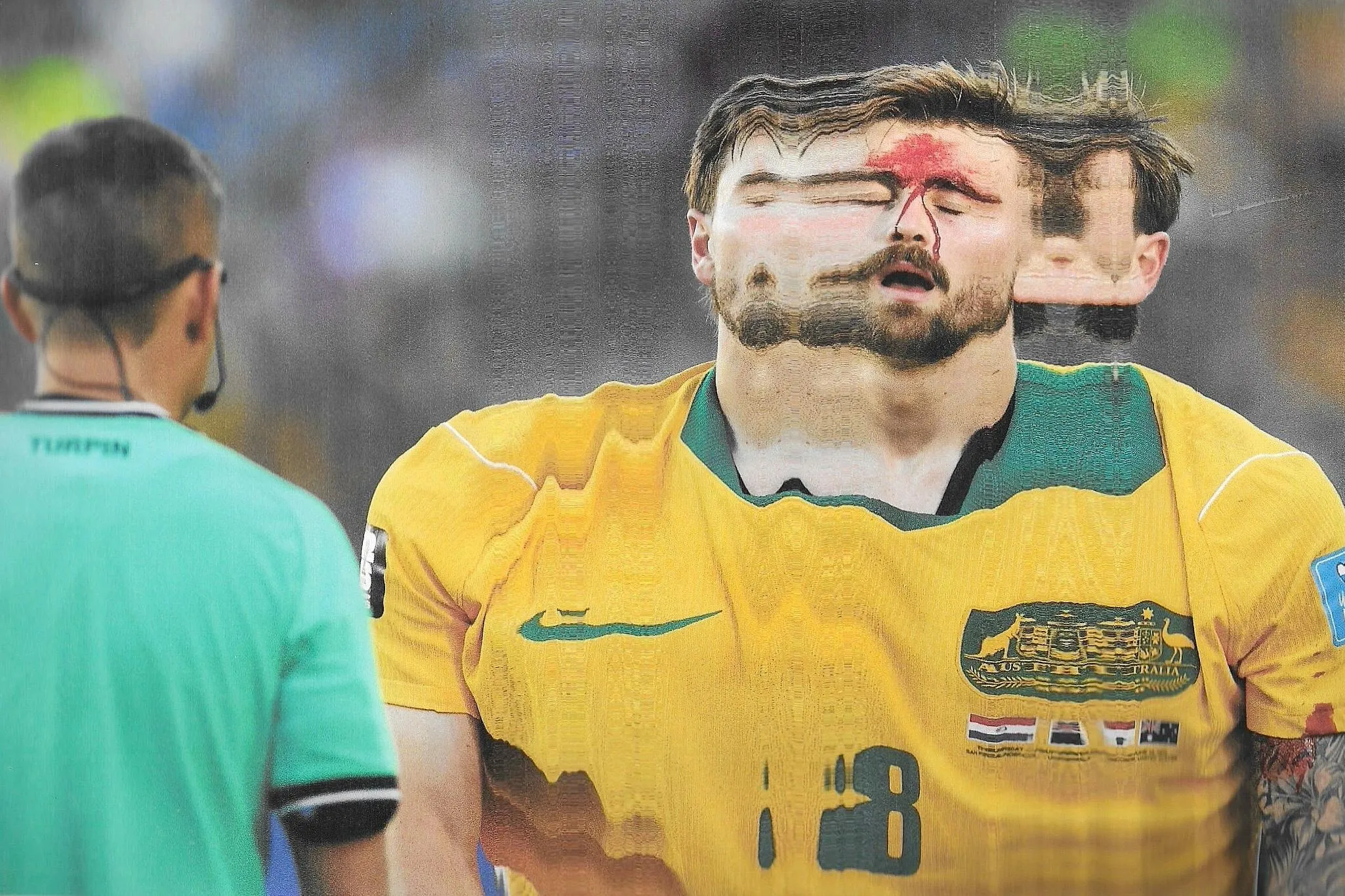
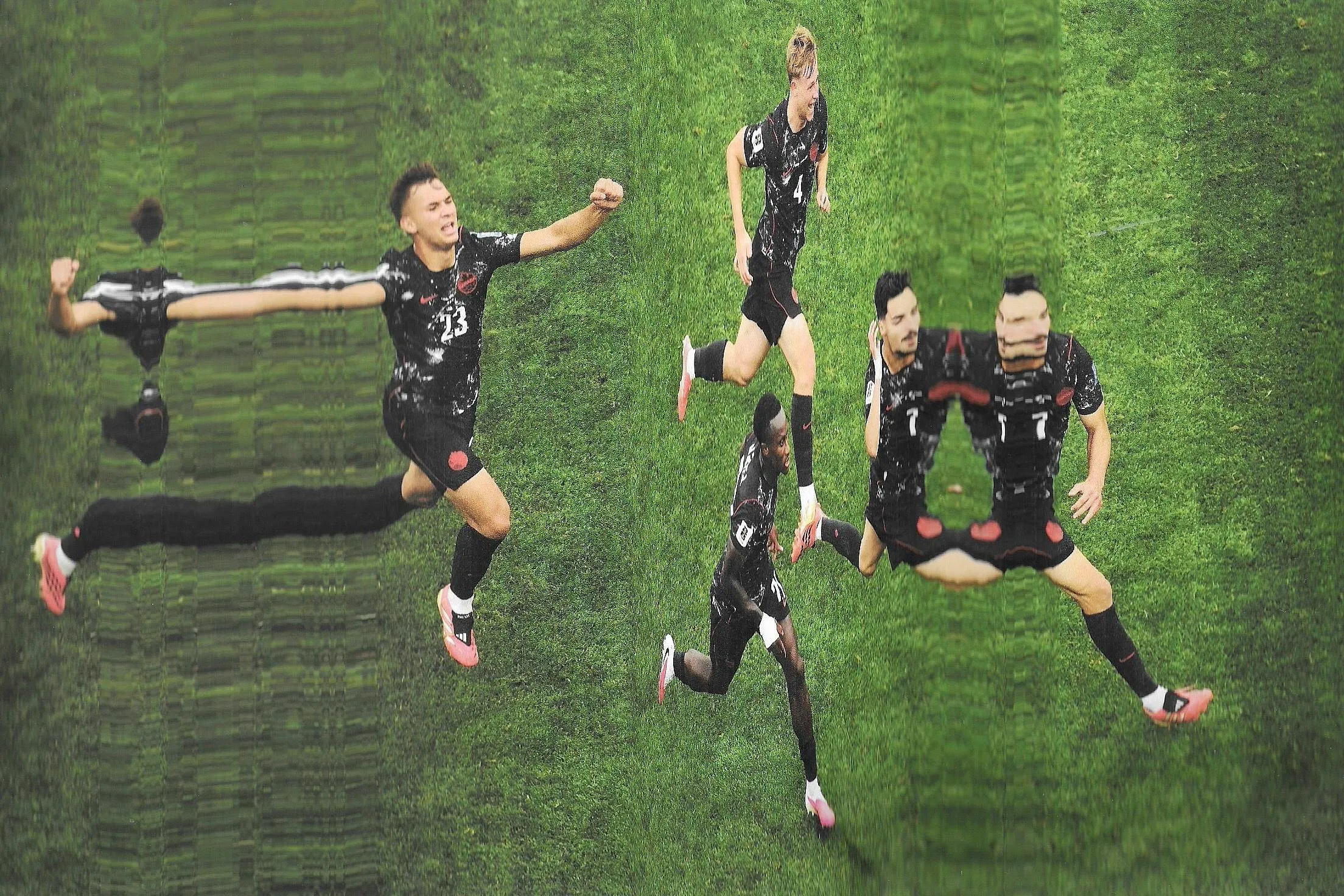
Even after editing numerous football images, I have yet to experience a World Cup match in person, which often makes me envious of those who capture the live action. This year’s tournament, however, has shown that one can produce creative visuals without being on-site.
One photographic method I’ve explored previously is slit-scanning, where a film roll passes through a narrow opening in a traditional camera, capturing time as it flows. This intricate technique, while complex, produces fascinatingly warped images, giving a nod to the long-standing challenge of ‘rolling shutter’ that has intrigued photographers for decades.
A more straightforward approach to achieving a warped effect is to utilize printed photographs in conjunction with a digital flat-bed scanner, as depicted in the accompanying gallery.
The origins of scanning in sports photography trace back to the late 1930s, when Hollywood engineer Lorenzo Del Riccio developed the ‘circular flow camera.’ This innovative device was employed at the Del Mar Thoroughbred Club in the U.S., capturing the climactic moments of horse races.
The film was designed to move at the pace of an average horse, resulting in a distortion of any body parts moving at different speeds. Nevertheless, it effectively recorded a crucial detail—the winner of the race.
In the 1960s, acclaimed Life magazine photographer George Silk utilized slit-scanning to showcase athletes in motion during Olympic tryouts. His images of shot-putters and sprinters offered a unique, impressionistic view of sports.
This World Cup has witnessed a surge of photographers employing innovative techniques to document the event. Florence Pernet captured attention by photographing her television screen, a method that quickly went viral after being shared by French footballer Michael Olise. Pernet noted, “I don’t have an accreditation, but I do have my TV and my own vision.”
Even professional photographers from prestigious agencies are increasingly encouraged to explore unconventional methods, leading to the incorporation of vintage cameras, infrared imaging, and prismatic filters alongside high-end mirrorless cameras and telephoto lenses. Recently, Getty’s Shaun Botterill shot in Mexico with the same film stock he used during the 1986 World Cup.
Through my experiments with a flat-bed scanner, I learned that certain types of images resonate more strongly with specific motion styles. For example, I took a spontaneous approach for Harry Kane’s goal celebration, relying on chance rather than meticulous planning. In contrast, later images, like the mirror shots of Kylian Mbappé, were the result of careful consideration.
Some critics may question the logic behind distorting reality or embracing imperfections in photography. Just a few decades ago, photographers strived for cameras capable of capturing 30 sharp frames per second with eye-controlled autofocus. Why then, some may ask, turn away from technological advancements and journalistic standards? The answer lies in photography’s dual role as both an art form and a documentary medium, which is inherently flexible and subjective, free from rigid constraints.
While I acknowledge that the manipulated images required significant skill and creativity to create—making them remarkable in their own right—it can be invigorating to experiment with photography and view the World Cup from a different angle, even if I am 3,000 miles away from the action.