



On Wednesday night, Atlanta Stadium will host a pivotal moment in the World Cup, with just 101 matches played and three remaining. The atmosphere is electric as the much-anticipated Countdown begins, marking the final moments before the kickoff of one of the tournament’s most significant matches. The excitement is palpable, reminiscent of the fervor that precedes a grand event, as the announcer’s voice echoes through the stadium, setting the stage for the unfolding drama.
As the familiar countdown rings out, anticipation builds for the clash between England and Argentina, a match that many consider to be the pinnacle of international football. While Argentina-Brazil boasts a certain grandeur, and Germany-Netherlands often delivers thrilling encounters, this matchup carries with it a unique energy and historical weight that transcends the sport itself.
The significance of this encounter feels like a culmination of a grand narrative, almost as if the entire World Cup has been leading to this point. The palpable tension suggests that this match is not just a game, but a cultural phenomenon, steeped in history and rivalry.
At the heart of this rivalry is the long-standing dispute over the Falkland Islands, known as Malvinas in Argentina. Located 290 miles from Argentina and 8,000 miles from Britain, this territorial conflict has reignited interest recently, particularly due to the discovery of substantial oil reserves nearby. For Argentina, the 1982 Falklands War remains a crucial aspect of national identity and football lore, serving as a painful reminder of past struggles.
This enmity is not evenly matched; the English may not fully appreciate the extent to which they are perceived as antagonists in this rivalry. Conversely, for Argentina, football is more than a sport; it embodies national pride and identity. The upcoming match will serve to clarify these dynamics, highlighting the depth of passion that underpins the competition.
Both nations share a commonality; football significantly influences their national psyche. The teams are not merely collections of players, but rather dynamic groups propelled by star athletes and intense emotions. The match in Atlanta promises to be anything but rational, as both teams have experienced their fair share of dramatic encounters in recent games.
Regardless of the outcome, the match will likely be filled with tension and unpredictability. England’s recent performances have shown they can be pushed to their limits, while Argentina boasts players eager for confrontation. High-stakes moments, such as VAR controversies and crucial 50/50 challenges, are expected to add to the drama.
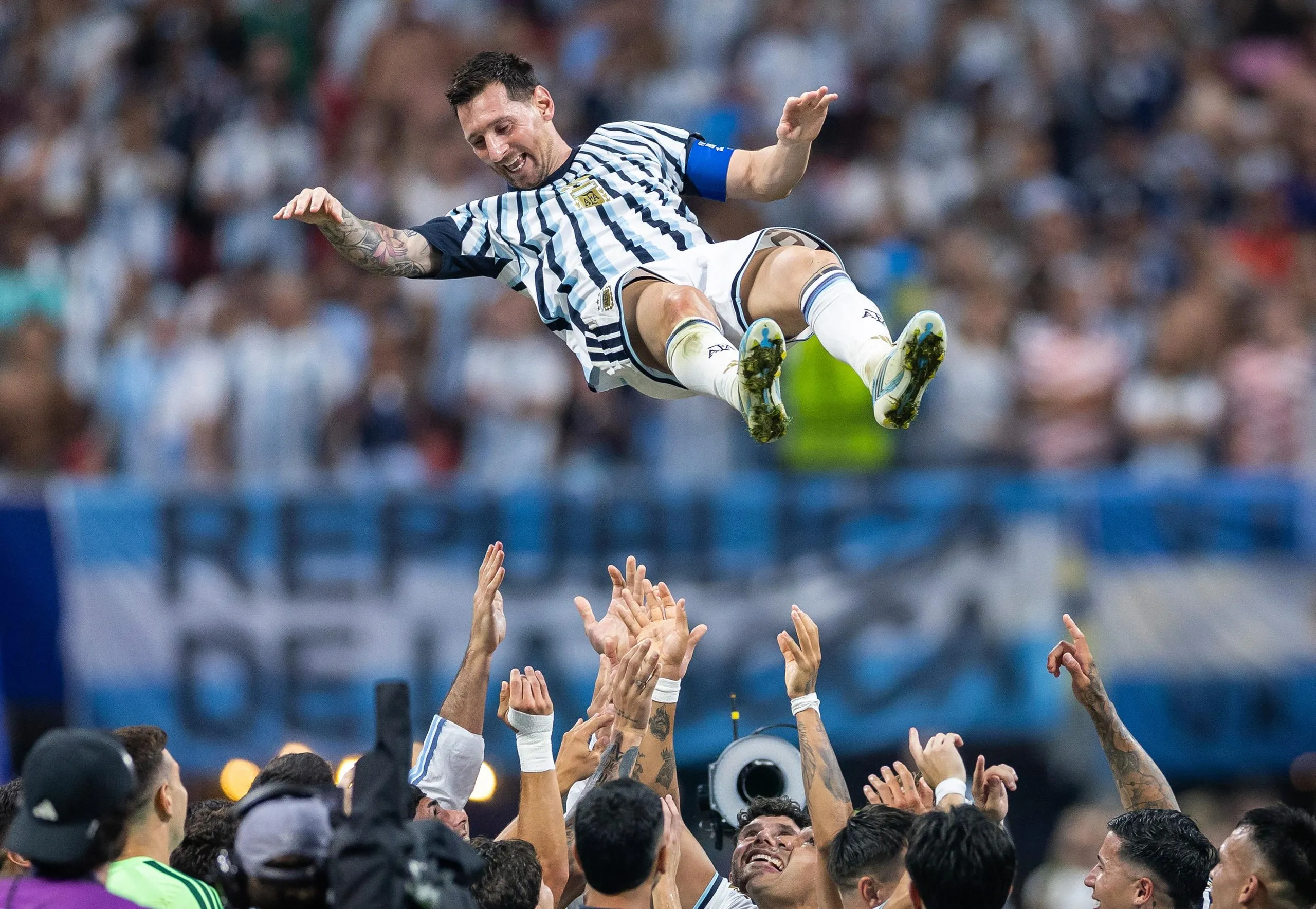
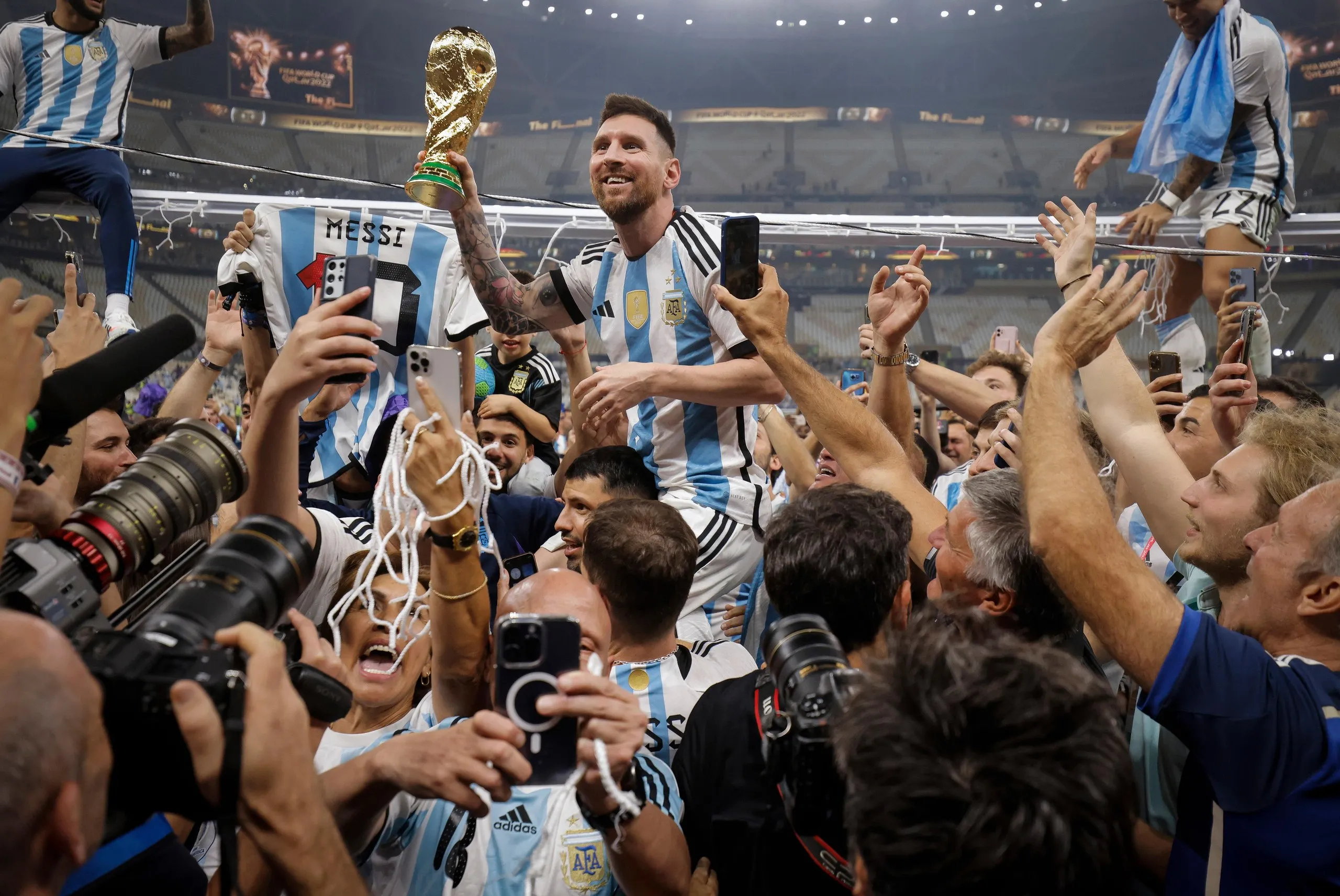
Beyond the rivalry, this match represents a significant chapter in Lionel Messi’s illustrious career. Widely regarded as one of the greatest players ever, Messi’s journey has captivated fans around the globe. The stakes are high; losing to England could tarnish his legacy, despite his numerous accolades and achievements.
Messi’s status has led to a near-mythical reverence, with fans and teammates alike idolizing him. It raises questions about whether Argentina is playing for a team or for Messi himself, embodying what George Orwell described as “NAYYYN!! EEEIGHYYT!! SEEEVEERRN!! …” There’s a sense of oddity in this devotion; how much do people truly know about this enigmatic genius beyond his remarkable skills?
Moreover, Messi’s extraordinary performance at 39 adds another layer of intrigue. Speculation about FIFA’s motivations and possible biases has surfaced, with many believing that the organization desires Messi’s presence in the tournament to attract viewers and generate revenue. While there’s no concrete evidence supporting these theories, the lack of trust in FIFA’s integrity has been exacerbated by questionable decisions.
Amidst the historical backdrop and intense emotions, there is also the novelty of Messi never having faced England. However, his extensive experience against Premier League clubs may provide insights into how England can effectively contain his unique playing style.
Messi’s history against English clubs has been impressive; he has played 26 matches, securing 17 victories, with four losses and 27 goals scored. His unforgettable performances in the Champions League against teams like Manchester City and Tottenham have left a lasting impression, showcasing his ability to dominate on English soil.
While Messi has faced challenges against high-tempo teams, England can draw lessons from past encounters. The key will be to apply pressure effectively, as teams that disrupt Messi’s rhythm have historically found success. The atmosphere in Atlanta is sure to be charged, and this match will undoubtedly become a battle of wills.
Ultimately, the outcome will carry significant implications for both teams. Argentina, with its array of talented players, poses a serious threat to any defensive lapses from England. Players like Declan Rice and Harry Kane are poised to make their mark, while Jude Bellingham’s fiery spirit offers hope for the English side.
In this high-stakes encounter, the essence of football will be on full display—a contest defined by determination, passion, and the desire to seize the moment. As the teams prepare to face off, the anticipation builds for what promises to be a memorable chapter in World Cup history.
- World Cup 2026
- England
- Argentina
- Lionel Messi
- World Cup
- features