


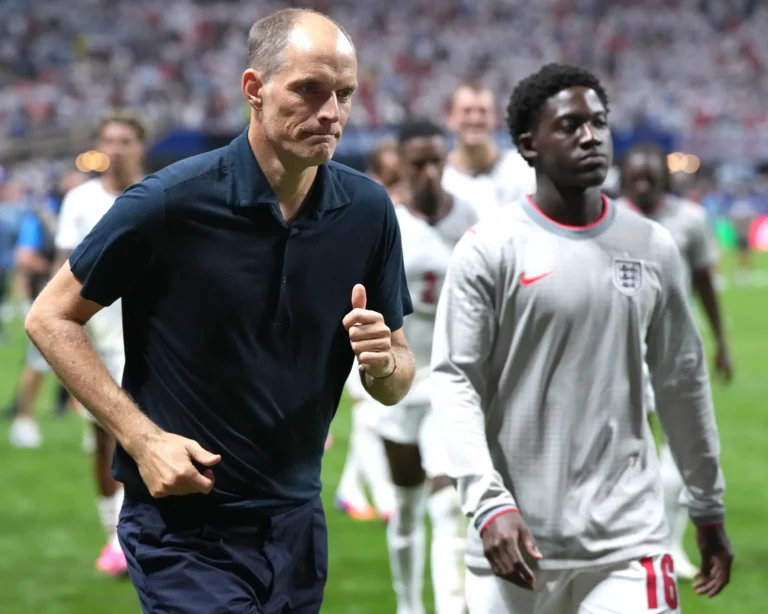
Upon his appointment as England’s head coach, Thomas Tuchel emphasized his desire for a Premier League-style approach, characterized by speed, intensity, and relentless football. He communicated a clear vision, meticulously analyzing his squad for the World Cup, aiming to overwhelm rivals with both physicality and tireless running.
His selection included specialists and players who could contribute positively to the team’s dynamic. With various like-for-like options available, Tuchel displayed boldness in his decisions, confidently justifying the exclusion of creative talents like Phil Foden and Trent Alexander-Arnold by insisting he had a specific vision in mind.
England initially showcased their fast-paced strategy in a victory over Croatia, but this illusion crumbled spectacularly as they surrendered a lead in the semi-final against Argentina. Tuchel’s tactical retreat was striking; despite Argentina being vulnerable, he appeared to falter.
Reports emerged of confusion among England players regarding Tuchel’s defensive strategy, with many surprised he didn’t utilize the explosive speed of players like Noni Madueke, Bukayo Saka, or Marcus Rashford to exploit counterattacking opportunities against Argentina.
Criticism of Tuchel’s tactics came from several former players. Thomas Müller, the former Germany striker, took a harsh view, noting how England’s defensive posture allowed Argentina to dominate. Wayne Rooney, providing analysis for the BBC, cautioned that Tuchel’s strategy seemed fraught with risk.
The analysis extends beyond the final score. Inside the camp, the atmosphere reportedly remained positive, reminiscent of their unity demonstrated against Mexico in the Azteca. However, England struggled to establish a clear rhythm or identity in their play, raising questions about Tuchel’s squad configuration and in-game decisions.
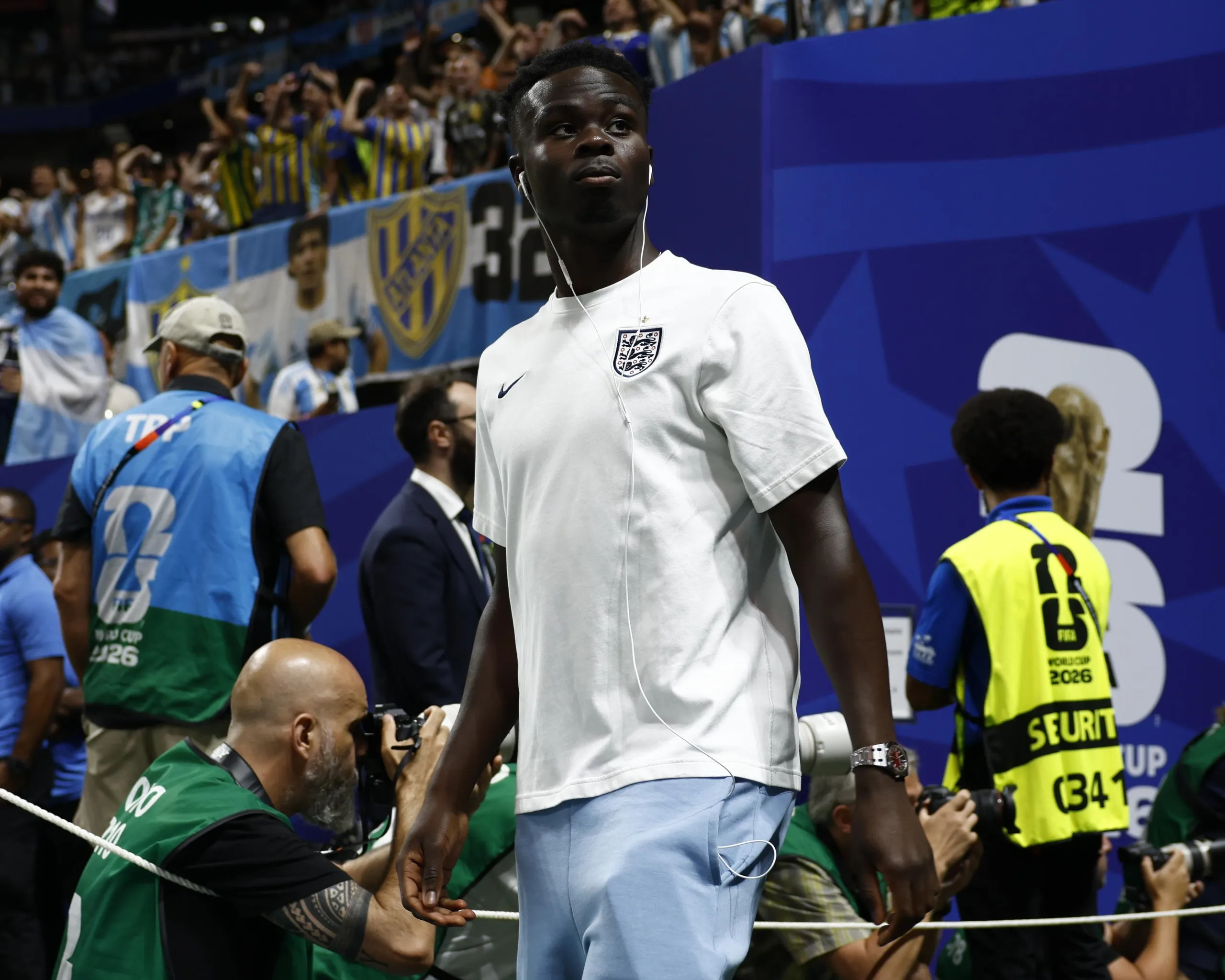
While lamenting the absence of Foden and Palmer may seem futile, given their domestic challenges, it is equally important to note that Tuchel did not opt to leverage the pace available on his bench. He deviated from his original strategy and displayed a lack of confidence in Saka’s fitness, despite the winger being ideally suited to exploit the weaknesses in Argentina’s defense.
Saka’s ongoing battle with an Achilles injury may have influenced Tuchel’s hesitance to deploy him, even though he had previously exhibited moments of brilliance. Ultimately, the manager fell into the all-too-familiar trap of depending on players who were either unfit or had a history of injuries.
England required Saka’s abilities on the field, but he remained an unused substitute. Tuchel’s strategic choices limited his options; he seemed intent on having wingers stretch the play rather than allowing players like Palmer and Foden to drift inside and congest the midfield. Yet, Madueke, who replaced Saka, delivered a disappointing performance.
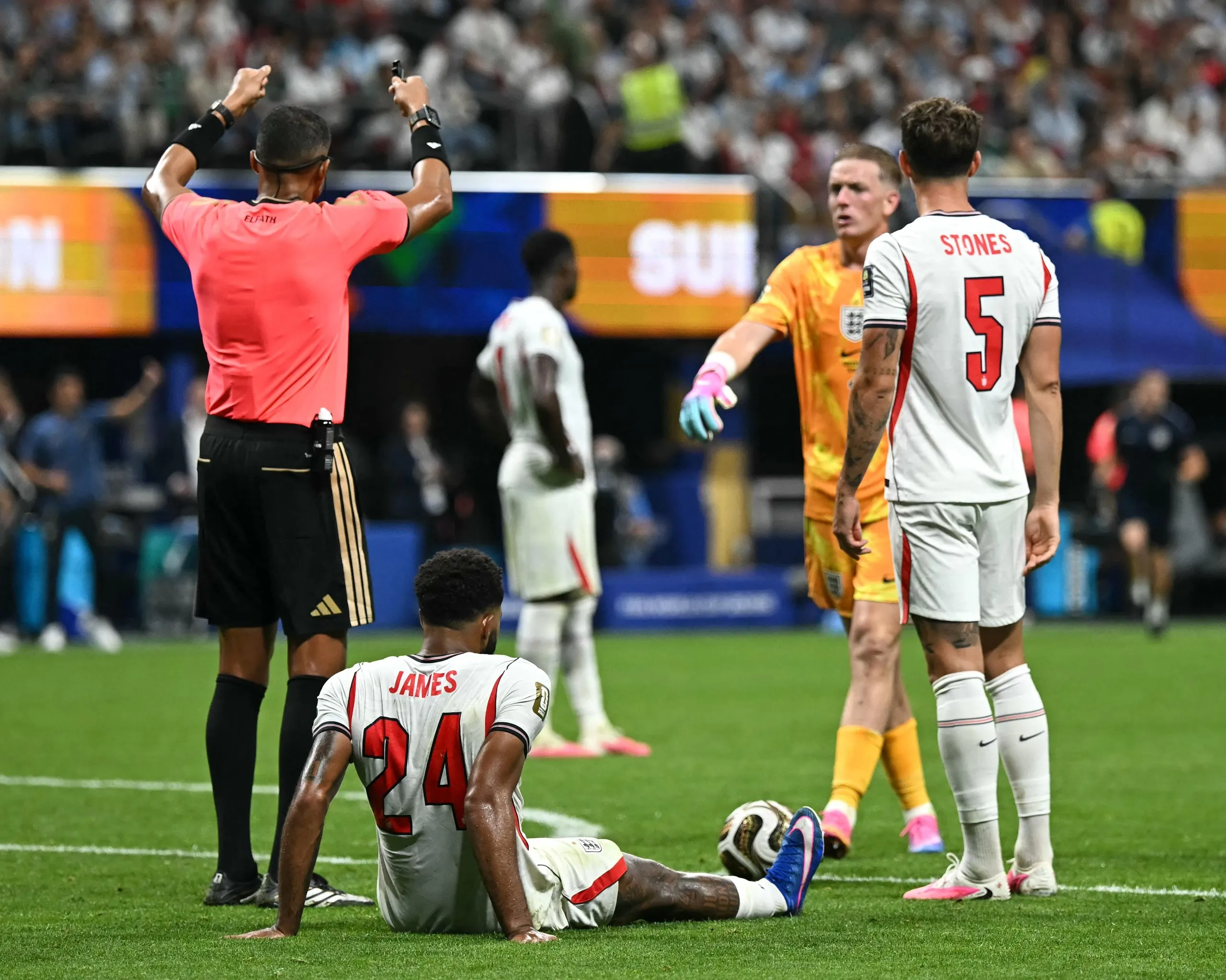
Additionally, the absence of direct runners like Morgan Gibbs-White, who scored 18 goals last season yet was not included in the squad, raises further concerns. The injury struggles within the squad were evident, as Tino Livramento returned home due to injury, while John Stones appeared rusty in defense. Reece James, tasked with the challenging right-back role, experienced hamstring issues and cramping just before Argentina equalized.
These issues were not unforeseen. However, it is also true that Tuchel faced limited defensive options. While Luke Shaw and Lewis Hall are solid left-backs, their injury histories are concerning. Harry Maguire’s negative reaction to his omission hints at the challenges Tuchel faced in selection.
Ultimately, Tuchel’s squad included six center-backs but only one left-footed left-back, Nico O’Reilly, alongside just four central midfielders. This lack of versatility hampered his ability to adjust when Declan Rice encountered issues with neural pain affecting his hamstring and lower back.
Rice’s presence is vital to England’s structural integrity; without him in midfield, the team lacks coherence. Tuchel was aware of his vice-captain’s struggles to finish matches yet failed to find a suitable alternative, relying on Jordan Henderson and Kobbie Mainoo for cover.
These selections raised eyebrows, particularly Henderson’s inclusion at 36, who had made only a brief appearance before suffering a wrist fracture. Tuchel’s preferred adjustment when Rice faced difficulties was to move James into midfield instead of utilizing Mainoo, who has yet to see significant playing time.
Tuchel’s choices seem puzzling, especially when he expressed frustration about England’s lack of control against Argentina while omitting players comfortable with the ball. His decisions appear deliberate, and what compounds the situation is that he strayed from his game plan.
Why did he fail to maximize his squad’s potential? Tuchel had previously mentioned having 14 or 15 players capable of starting, while others were designated for specific scenarios. For instance, Ivan Toney was included to serve as a physical presence in emergencies, but not utilizing Ollie Watkins when Harry Kane faltered against Argentina seemed illogical. Watkins, who only appeared briefly against Panama, must be questioning Tuchel’s commitment to Kane.
Many England managers have faltered by overly accommodating star players, and Tuchel was expected to break this mold. However, he now appears to be following the same path as his predecessors. The scrutiny surrounding his decisions will be intense, with players questioning the manager’s cautious approach and why they were not afforded opportunities. Fans are beginning to lose faith, and while the FA may continue to support Tuchel, the damage to his reputation is significant. His missteps are glaring, and the manner of the defeat makes it difficult to overlook them.
- Thomas Tuchel
- England
- World Cup 2026
- World Cup
- Argentina
- analysis