


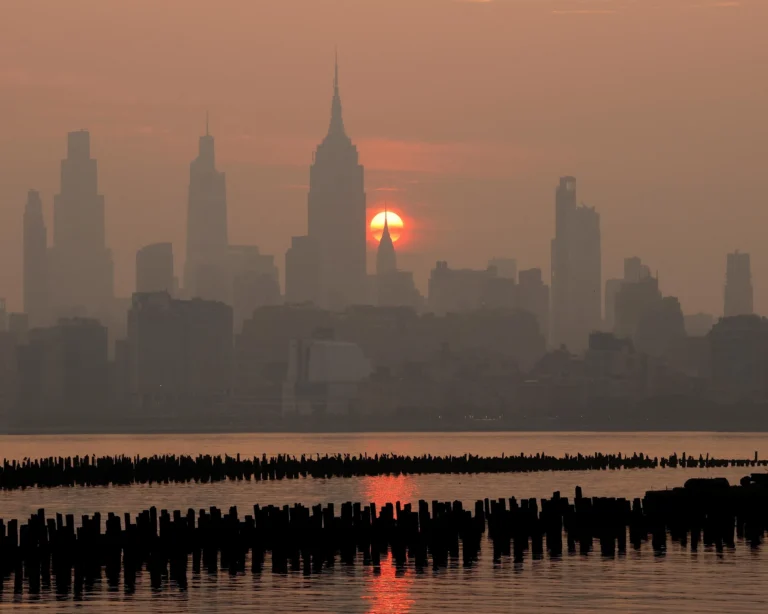
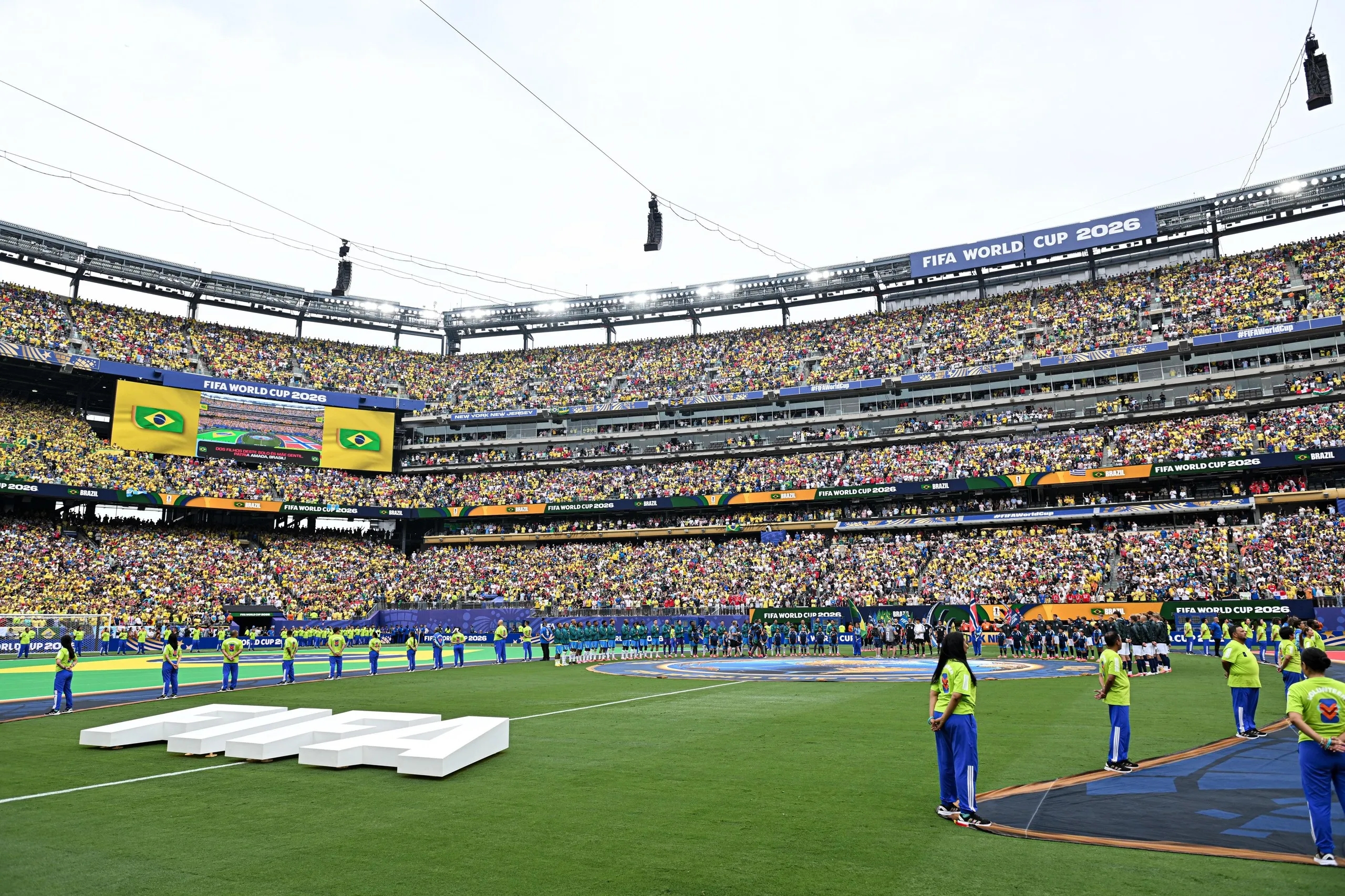
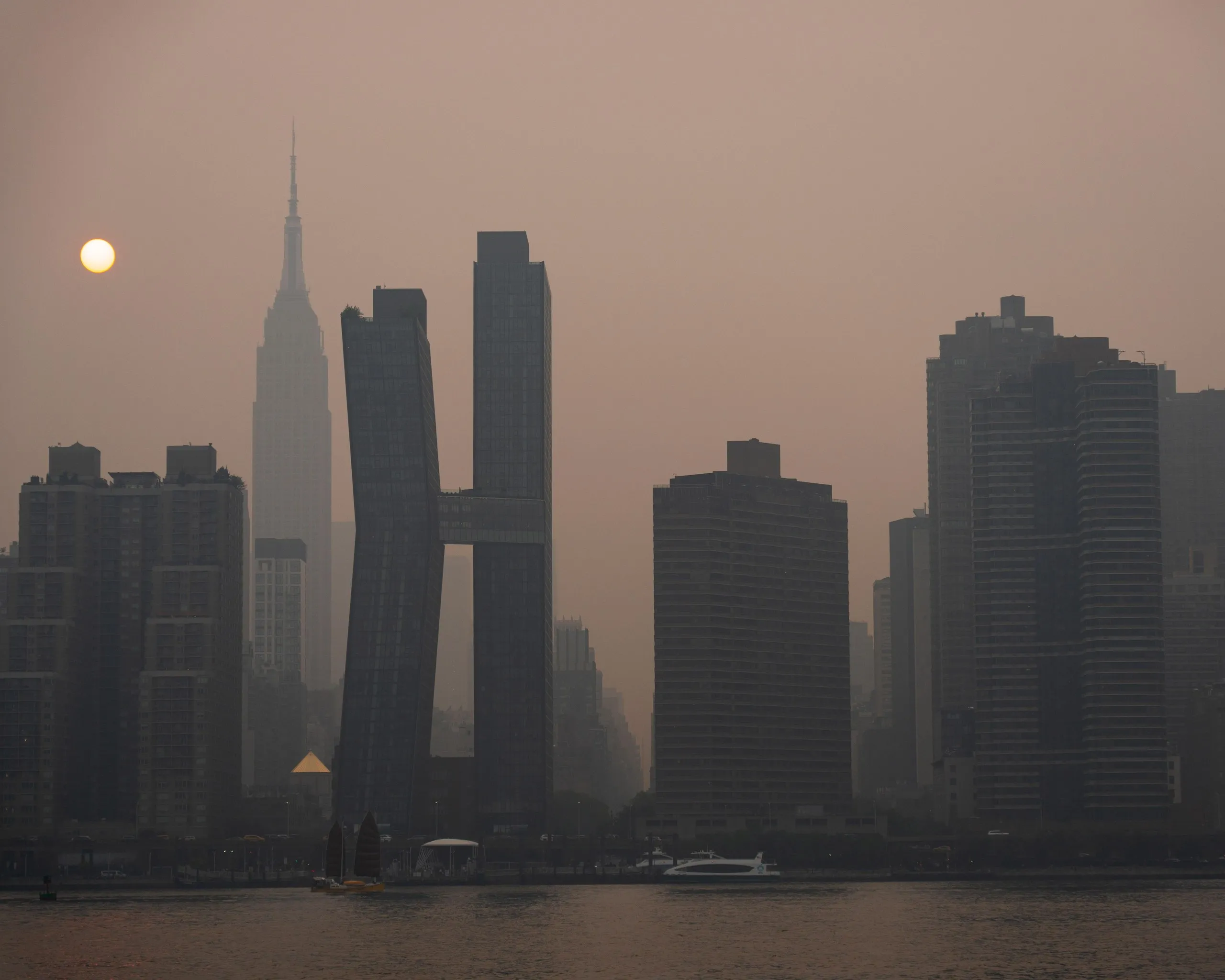
The thick haze that has settled over New York and much of the eastern United States in recent days has brought a sense of irony to observers in Dallas and Los Angeles. As they prepare to watch the World Cup final at the New York/New Jersey Stadium, commonly known as MetLife Stadium, they do so with a hint of schadenfreude.
While Dallas and Los Angeles were passed over for the final when Fifa made its decision in February 2024, their venues are deemed more impressive and less susceptible to the climatic challenges now facing New York. The city was selected for its global allure and favorable broadcast times for European audiences.
Concerns about hosting the final at MetLife primarily revolved around the extreme heat typical of New York summers. Chelsea’s Enzo Fernández previously described such conditions as “very dangerous” after experiencing them during last year’s Club World Cup semi-final. However, the current air quality crisis has posed an unexpected challenge for Fifa.
Wildfires in Canada have caused dense smoke to drift southward, affecting air quality in many eastern U.S. cities. An air quality advisory was updated from “unhealthy” to “very unhealthy” late on Thursday, prompting New York City officials to declare a citywide code red from Tuesday to Thursday. Residents were advised to remain indoors and avoid strenuous activities, which is hardly ideal for the highly anticipated match expected to draw a global television audience of 1.6 billion.
The smoke was prominently visible in downtown Manhattan, obscuring landmarks such as the Statue of Liberty across the Hudson River. The air quality was so poor that numerous flights from Newark Airport in New Jersey were canceled.
Fortunately, conditions began to improve on Friday, and Fifa officials express optimism for improved air quality by Sunday. Rain is forecasted for Saturday, which may help clear the smoke, but the sporting events leading up to the final have already been affected.
A National Women’s Soccer League (NWSL) match held in Queens on Wednesday took place amidst an orange-brown haze, with players mandated to take additional breaks during each half, adhering to the league’s poor air policy.
With the uproar surrounding Fifa’s decision to implement hydration breaks at the World Cup, the possibility of further stoppages is likely to incite additional dissatisfaction among fans.
The adverse weather conditions are particularly unfortunate for New York, which has actively embraced the World Cup. Although the start of the tournament last month was somewhat overshadowed by the New York Knicks’ historic NBA championship win over the San Antonio Spurs, the momentum has grown significantly since then.
All seven previous matches at MetLife Stadium have sold out, and securing a reservation at local restaurants and bars to view England’s semi-final loss to Argentina proved challenging.
Beyond the weather, the most pressing concern for the final is the accessibility of the stadium, notorious among NFL fans for its limited public transport options and the difficulties posed by the Lincoln Tunnel connecting Manhattan to New Jersey.
Adding to the complications, parking will be restricted to guests and VIPs on Sunday, while transportation costs have surged significantly for the tournament. A collaborative effort by the governments of New York and New Jersey has temporarily reduced the return fare on New Jersey Transit trains from $150 (£112) to $98, still a steep price for a mere 20-minute journey. For those seeking more economical options, shuttle buses from Manhattan will be available for $20.
In a more prominent manner, Donald Trump is expected to arrive in style, with his Marine One helicopter scheduled to fly over the stadium before landing at a nearby airport. While Fifa remains tight-lipped, managing the president’s presence is another concern. Following an incident last year where Trump seemingly disrupted Chelsea’s celebrations post-Club World Cup victory, Fifa has taken steps to ensure he will present the trophy alongside Infantino.
A precedent for this was set four years ago when the emir of Qatar, Sheikh Tamim bin Hamad al-Thani, draped a traditional Arab cloak over Lionel Messi before he accepted the trophy from Infantino. With Trump, however, unpredictability is the norm. Fifa attempted to gauge his intentions through talks at Trump Tower on Friday afternoon, which necessitated road closures that caused significant traffic disruptions on Fifth Avenue. Fifa hopes this does not foreshadow the challenges to come.
- World Cup 2026
- World Cup
- features