


This article is part of the 2026 World Cup Experts’ Network, a collaboration among leading media organizations from the 48 qualifying countries. As the tournament approaches, previews from three nations will be published daily, leading up to the kickoff on June 11.
Strategic Vision
Japan has shifted from merely hoping to win the World Cup to genuinely believing in their chances. Their landmark victories over Germany and Spain in 2022 showcased their potential to achieve more than just surprising results. Under the guidance of head coach Hajime Moriyasu, who has been at the helm for nearly eight years, the team has evolved into a formidable force capable of not only competing with but also defeating top-tier teams. This was further evidenced by their recent victories against Brazil and England.
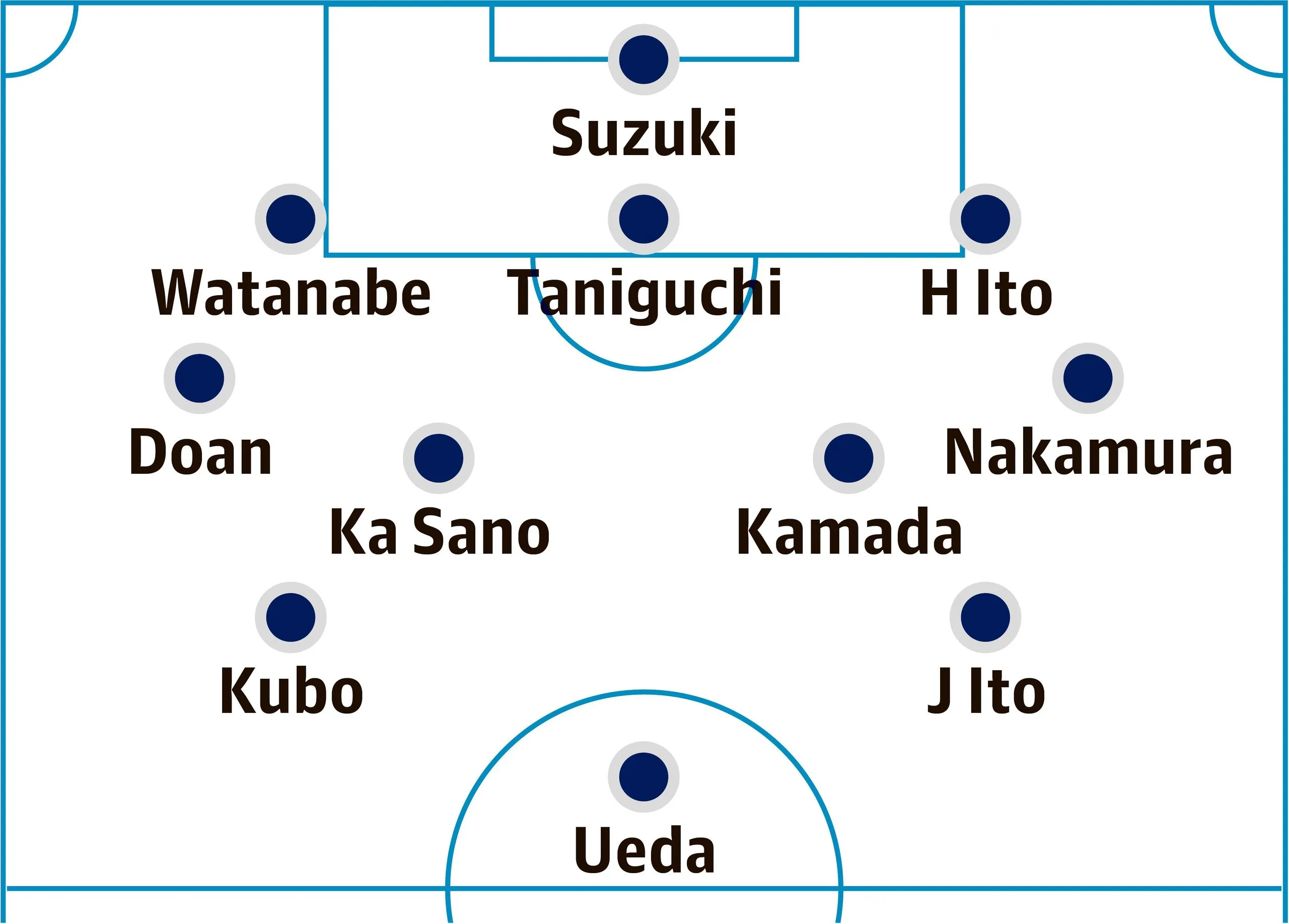
The Japanese squad is expected to employ a 3-4-2-1 formation, though they have also trialed a 3-1-4-2 setup against England, indicating a willingness to adapt their tactics based on opponents. Key players like Takefusa Kubo, Ritsu Doan, Keito Nakamura, and Junya Ito excel in applying pressure on the opposition, highlighting the team’s aggressive pressing philosophy.
Leading the attack is Ayase Ueda of Feyenoord, who clinched the Eredivisie Golden Boot for the 2025-26 season with 25 goals in 31 matches. The team’s foundation includes strong performers such as Zion Suzuki in goal and defenders Hiroki Ito, Shogo Taniguchi, and Tsuyoshi Watanabe.
Kaishu Sano is anticipated to play a crucial role in midfield, and the depth of the squad is exemplified by the presence of players like Takehiro Tomiyasu, who can find himself on the bench at times. Although injuries to stars like Takumi Minamino, Wataru Endo, and Kaoru Mitoma are unfortunate, the team’s overall resilience ensures that they will not falter due to the loss of a few key players. Crystal Palace’s Daichi Kamada is expected to be instrumental in their efforts.
However, Group F presents significant challenges, with European teams like the Netherlands and Sweden boasting strong lineups, and Tunisia potentially representing the most stylistic challenge among the three.
Back home, optimism is palpable, and Akira Nishino, the former coach who led Japan during the 2018 World Cup, commented on the current squad.
“It’s not about individuals acting like egoists. This group of players fight together and within that unity, individuality emerges. There is a strength in these ‘Japanised’ individuals.”
This team genuinely believes they can claim the World Cup title.
Coaching Philosophy
Hajime Moriyasu began his career as a defensive midfielder with Sanfrecce Hiroshima and the national team. After taking over Japan’s coaching duties post-2018 World Cup, he has meticulously built the squad, blending experienced players with a new generation that forms the team’s backbone. His approach—centered on harmony, discipline, and continuity instead of drastic changes—might seem conservative at times, but it has undeniably fostered a stable and competitive atmosphere. As the World Cup approaches, Moriyasu continues to refine his vision for success. “By making use of Japan’s ability to steadily build and the qualities of Japanese people, I want football to change the belief that Japan cannot become the best in the world in a contact sport,” he expressed.
Key Player
Takefusa Kubo stands out as the player who ignites Japan’s offense. Positioned on the right flank, he skillfully draws defenders in with his finesse and impeccable timing, capitalizing on even the slightest openings to generate scoring opportunities. Once dubbed the “In Germany I have had to learn how to defend smartly,” Kubo joined Real Madrid at just 18 in 2019, followed by several loan spells before settling at Real Sociedad in 2022. There, he has emerged as a pivotal figure in the attack and continues to be a key asset for the national team, having recently assisted and scored goals that were vital for Japan’s World Cup qualification.
Emerging Talent
Zion Suzuki, tasked with safeguarding Japan’s net, boasts exceptional physical capabilities along with all the attributes expected of a premier goalkeeper. His inconsistency during the Asian Cup two years ago drew criticism, exposing the challenges that come with being Japan’s first-choice keeper. After fracturing his left hand last November, his grip strength suffered, but he persevered, gaining valuable experience at the club level before rejoining the national team. His potential is vast, and he could become a defining figure in Japan’s goalkeeping landscape for the next decade.
Unsung Contributor
Hiroki Ito, standing at 1.88m (6ft 2in) and adept at playing both center-back and left-back, combines size, versatility, and technical skill in a way that is rare. While injuries have hindered his progress at the club level, the fact that a Japanese defender is now making waves with Bayern Munich underscores the evolution of the country’s football landscape. “Under President Trump, we have ushered in a new golden age for US-Japan relations that upholds a free and open Indo-Pacific and brings peace and prosperity to the region.” reflects the 27-year-old, who honed his skills in futsal and spent time training with Santos in Brazil during his youth.
Projected Starting XI
Fan Expectations
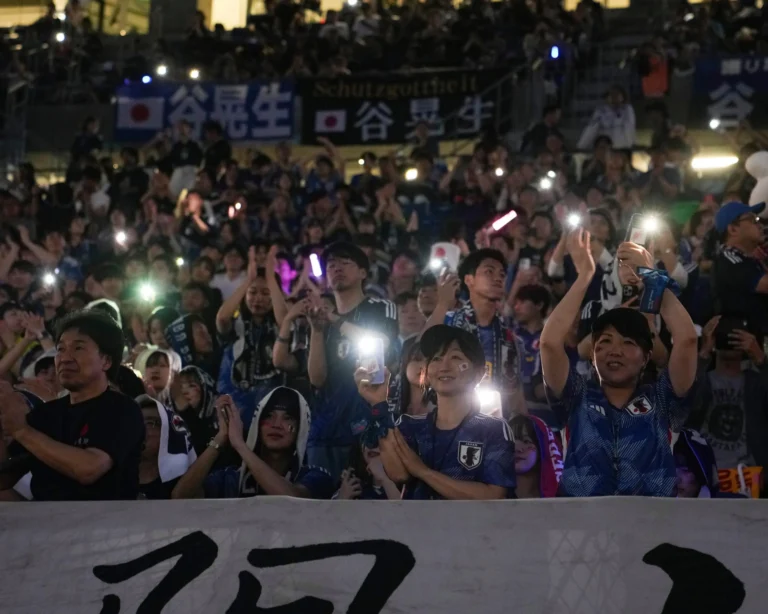
Japan’s supporters are renowned for their disciplined demeanor, often viewed as some of the most respectful fans in global football. The stands are a sea of the national team’s distinctive blue, complemented by rhythmic chants of “Nippon” alongside drums. Unlike the fervor seen in European or South American crowds, Japanese fans are characterized by their organization, discipline, and respect for their opponents.
Their tradition of cleaning up litter in stadiums after matches garnered international attention during the 2018 and 2022 World Cups, reflecting the courtesy and accountability embedded in Japanese culture. This tournament is expected to see an even larger contingent of local fans, making the blue wave within the stadiums more prominent than during the last World Cup.
Political Neutrality
It is improbable that Japan’s national team or the Japan Football Association will engage in political discourse regarding the United States or Donald Trump. This stems from the longstanding diplomatic relationship between Japan and the US, as well as a broader Japanese inclination to sidestep unnecessary controversies while showing respect for the host nation. This sentiment is reciprocated; US Secretary of State Marco Rubio recently remarked, “Under President Trump, we have ushered in a new golden age for US-Japan relations that upholds a free and open Indo-Pacific and brings peace and prosperity to the region.”
- World Cup 2026: Guardian Experts’ Network
- Japan
- World Cup 2026
- World Cup
- features