


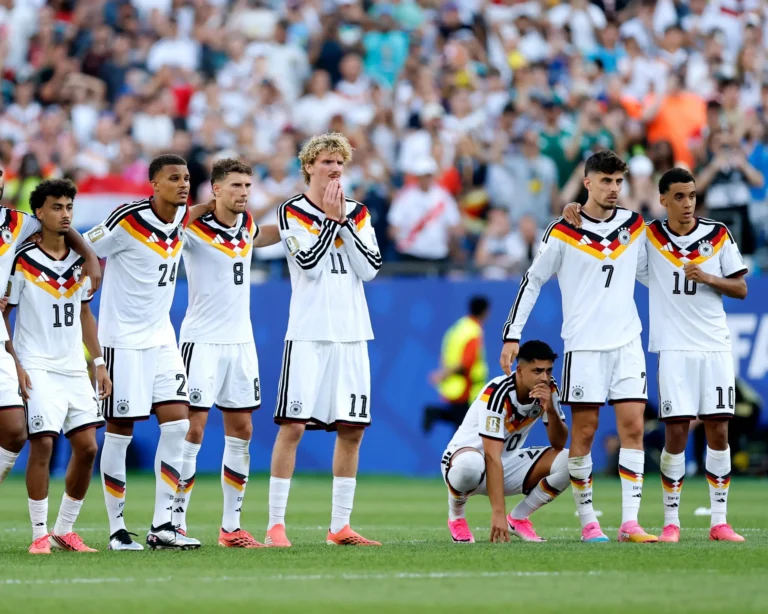
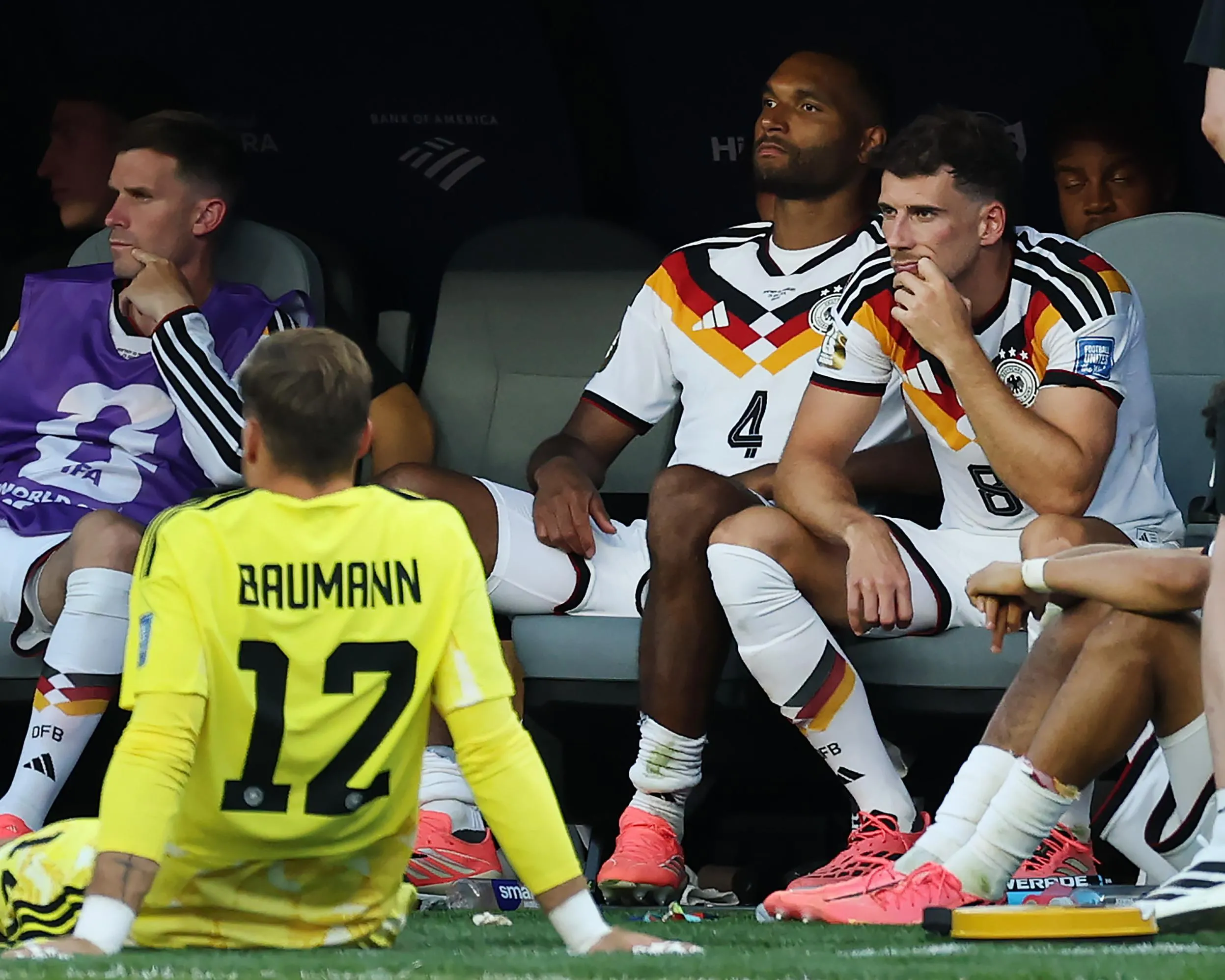
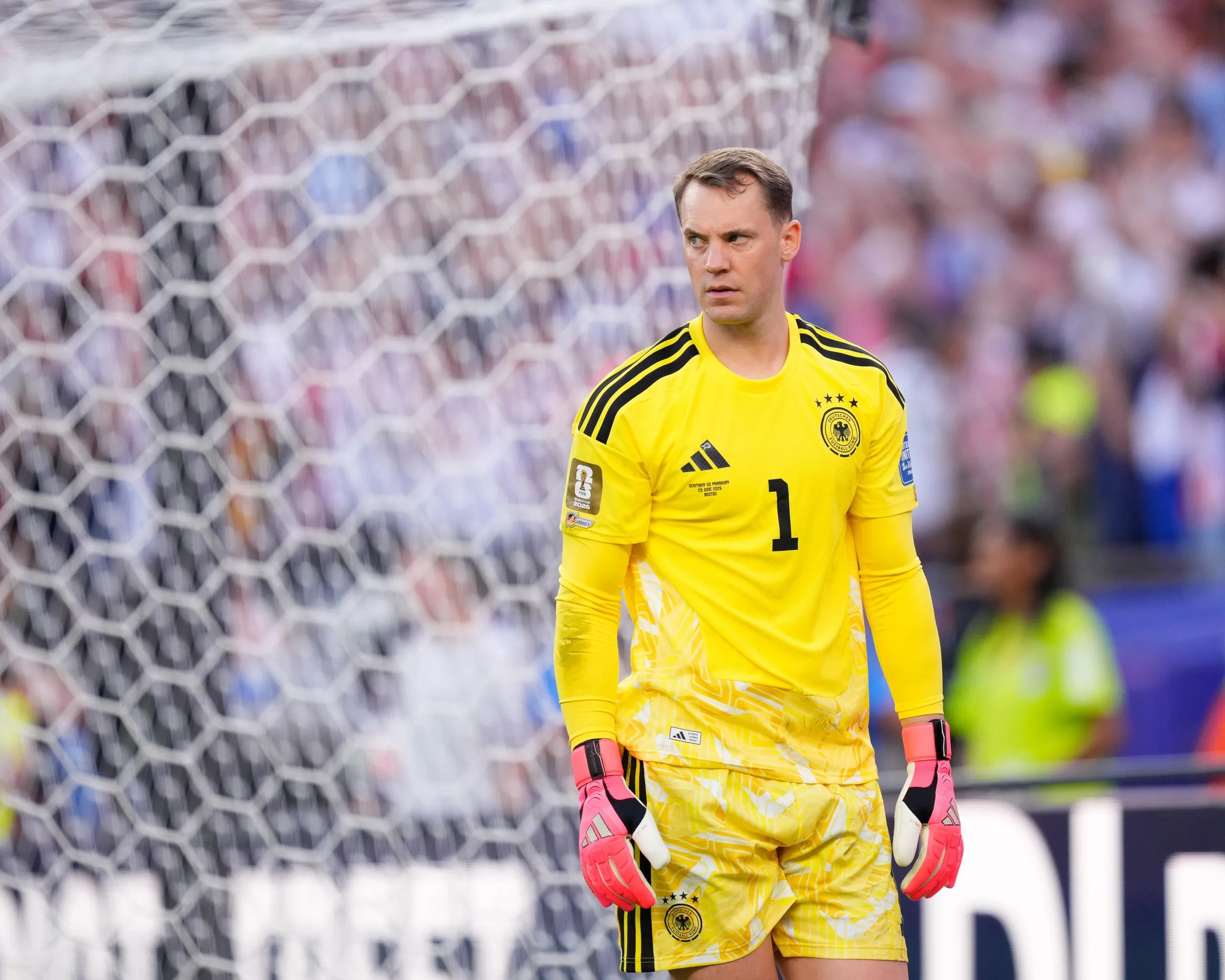
Germany’s early elimination from the World Cup for the third consecutive time has left many, including former captain Philipp Lahm, in disbelief. He emphasizes the need for continuity within the national team, a quality that has been absent for the last decade. Lahm argues that German football is yet to establish a definitive style of play, leading to constant experimentation with new players and strategies. He points out that developing a cohesive team takes years, which has not occurred under current management.
Historically, Germany has thrived when players understood their roles and the team operated with a clear attacking and defensive strategy. However, Lahm notes that this essential understanding was missing during the recent tournament. The lack of control in matches was evident as the team struggled to build play confidently from the back and maintain possession in the opponent’s half.
Once known as a Turniermannschaft, a term signifying a team that finds its rhythm as the tournament progresses, Lahm believes those days are over. He critiques the team’s downward trajectory throughout the tournament, attributing it to the abandonment of effective strategies, such as the use of Deniz Undav as a substitute against Paraguay.
Lahm shares two key suggestions he would have implemented differently: placing Joshua Kimmich in midfield, where he excels at Bayern Munich, and utilizing Florian Wirtz centrally behind Kai Havertz. He expresses frustration with Nagelsmann’s frequent system changes, noting that top teams like Spain and France stick to a consistent style that is executed flawlessly, making it difficult for others to counter.
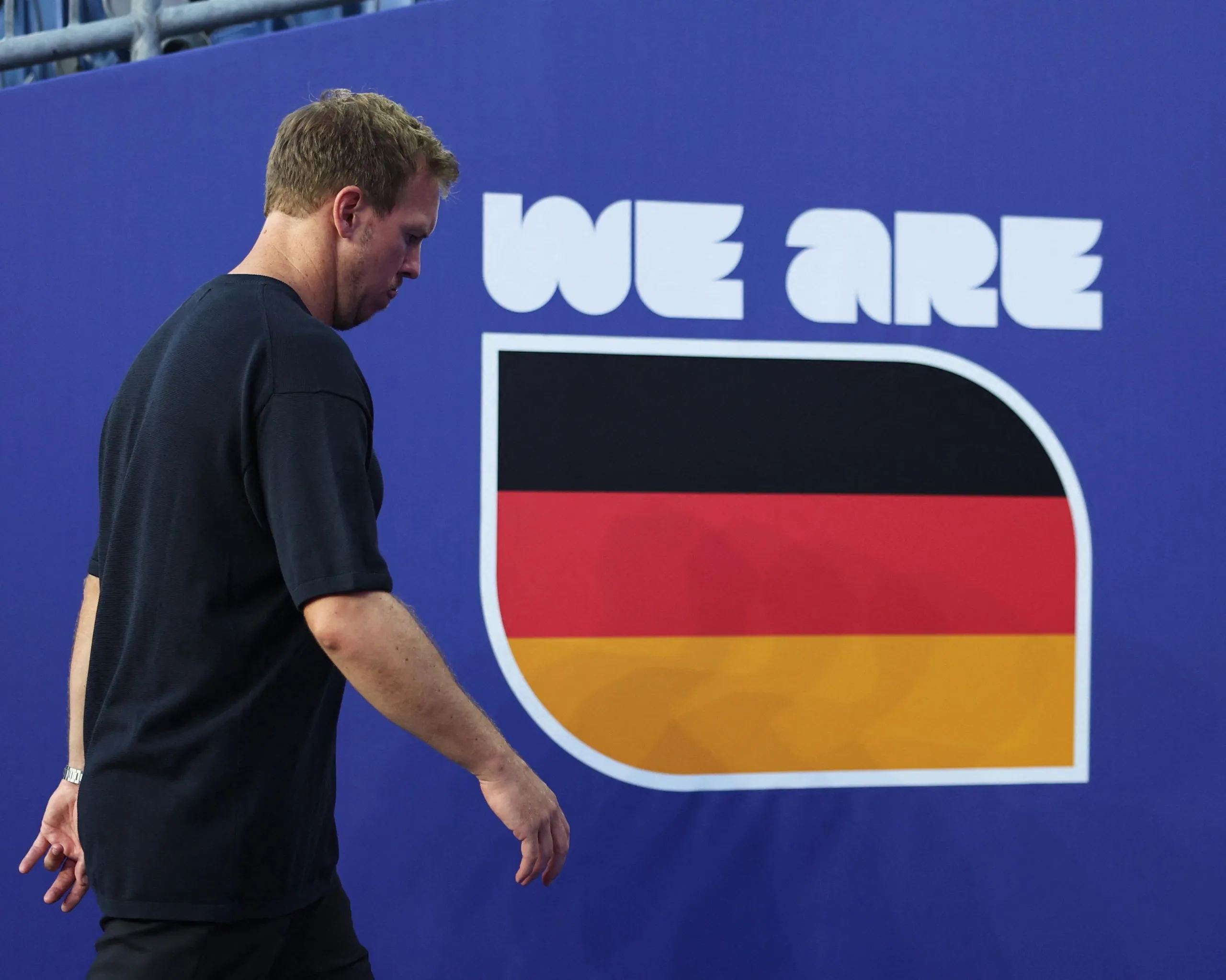
In his critique of Nagelsmann’s tactics, Lahm references the coach’s decision to alter the formation in a meaningless group match against Ecuador, stating that every change sends a significant message to the team, which should be clear and purposeful.
Despite the disappointment, Lahm finds hope in the team’s unity during adversity. He praises players like Antonio Rüdiger for supporting teammates and highlights their resilience. Rüdiger acknowledged his rivals, while Havertz and Kimmich defended their coach and teammates, demonstrating a collective spirit that Lahm believes can be foundational for future success.
Lahm defends the players against claims of lacking the right attitude. He contrasts the current team’s effort with the disastrous performance of the 2018 World Cup winners, asserting that this squad is giving their all and feeling the sting of failure deeply. He recalls Kimmich’s fear of falling into despair after their elimination, underscoring the emotional weight of these losses.
The current generation, according to Lahm, consists of players who have been groomed in structured youth academies, viewing football as a career since adolescence. He underscores the necessity for strong leadership to navigate the evolving landscape of modern football.
Moreover, Lahm insists that the next generation deserves a fair opportunity to thrive. However, he laments that coaches often revert to the 2014 World Cup heroes. He believes that while this may offer short-term stability, it also conveys a lack of trust in the team’s ability to progress independently. Drawing parallels with Argentina and France, he notes that they have successfully integrated established players while maintaining order within their squads.
Over the last three World Cups, Germany has seen coaches Joachim Löw, Hansi Flick, and Nagelsmann fail to make an impact. Lahm sees no issue with the players themselves, citing their success in top European clubs. He emphasizes that individuals like Rüdiger, Wirtz, and Kimmich have proven their talents on significant stages and that only France possesses more depth in talent than Germany.
He stresses that the World Cup symbolizes national pride, and teams must resonate with their supporters. If disruptions continue, fans may struggle to connect with the team, leading to widespread disappointment. Lahm reflects on the camaraderie he shares with former teammates, contrasting it with the current squad’s experience, which he fears may lack the same lasting bonds.
As discussions about Nagelsmann’s future unfold, Lahm believes that before considering potential successors, the fundamental issue of German football’s identity must be addressed. He asserts that the nation must determine its style.
“Are we Spain? Are we Argentina? Are we France? No, we are Germany.”
He calls for a reconnection with their unique football culture and identity, advocating for this change with determination.
We should do so with conviction.
Philipp Lahm’s column was produced in partnership with Oliver Fritsch at the German online magazine Die Zeit.
- World Cup 2026
- Germany
- World Cup
- comment