


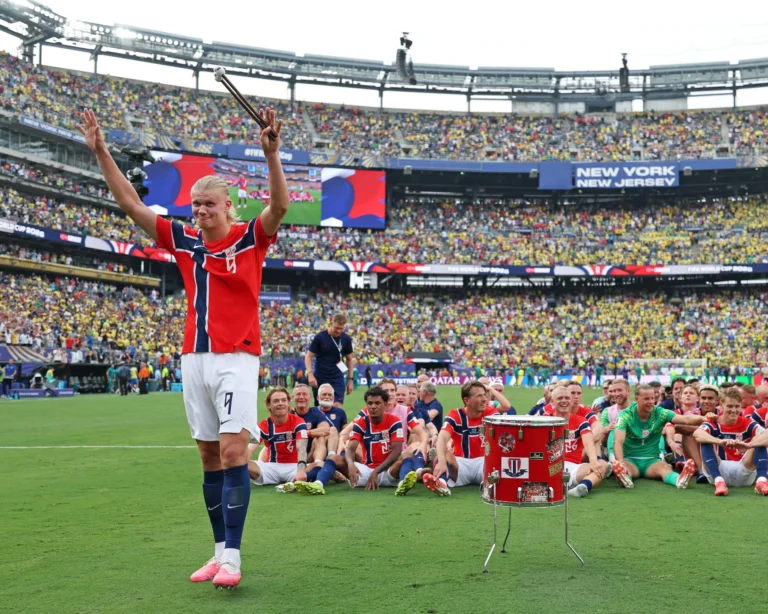
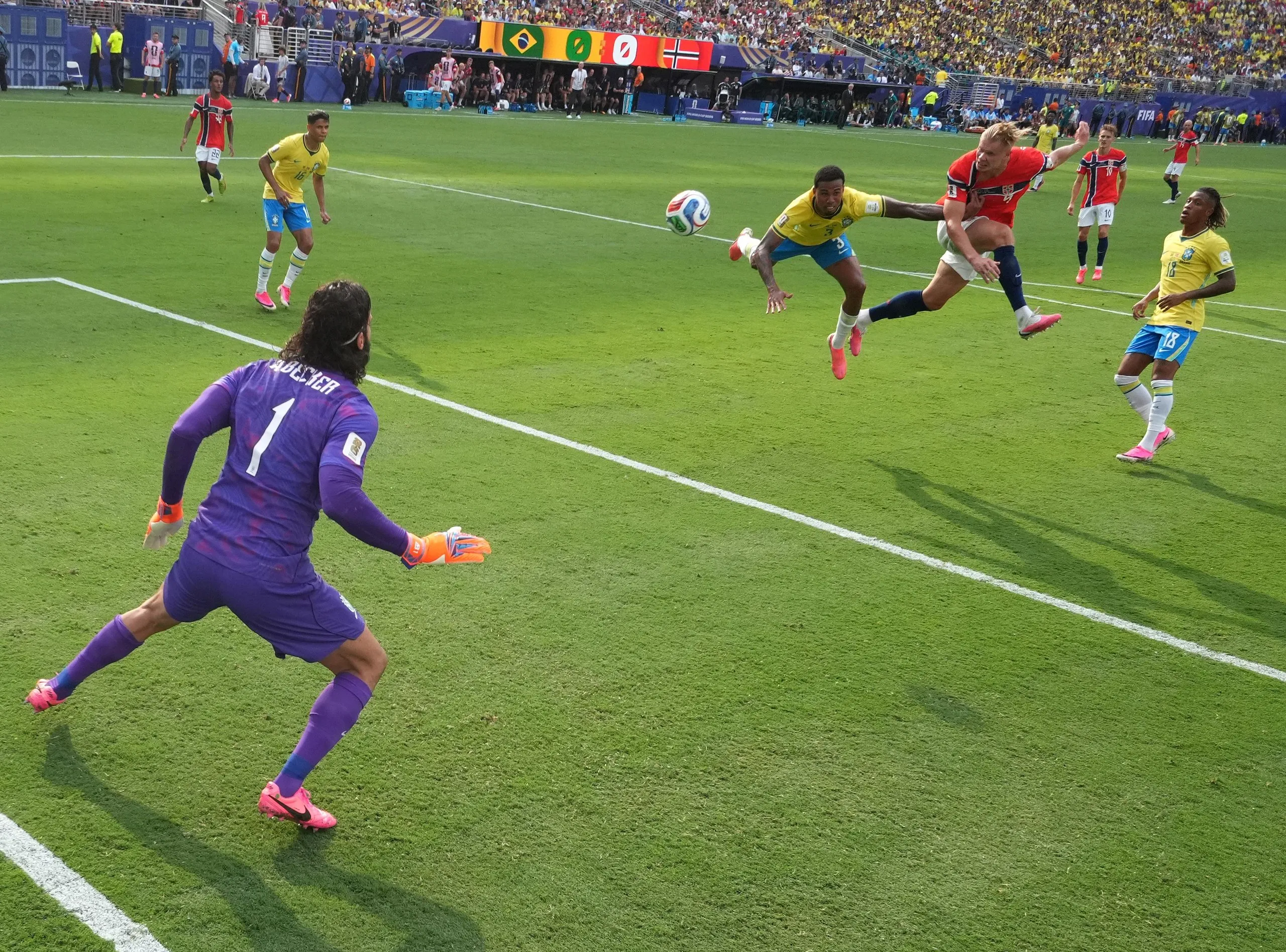
The outcome felt surreal as Norway, a nation of 5.5 million, triumphed over Brazil, the five-time champions, to advance to their first World Cup quarter-final in 28 years.
The match highlighted a stark contrast in player development between the two nations. While Brazil’s stars such as Neymar and Vinícius Júnior emerged from a system that emphasizes early talent identification and specialization, Norwegian players like Erling Haaland and Martin Ødegaard benefited from a different upbringing.
This divergence stems from a 2007 initiative by Norges idrettsforbund (NIF), Norway’s sports governing body, which revised its foundational rights established in 1987. These rights prioritize participation, safety, and enjoyment in sports for children, mandating that all coaches and clubs adhere to them.
Under the age of nine, young athletes in Norway engage solely in local matches, devoid of results, league tables, or trophies. At age 11, competitive play begins, but rankings and scores remain absent. Only at age 13 can they participate in national competitions.
Two of the eight rights emphasize the importance of mastery and the freedom to choose, allowing children the opportunity to explore various sports rather than being directed towards a singular focus too soon. This approach enables gifted youngsters to integrate skills from multiple disciplines into their chosen sport.
Haaland is perhaps the most notable product of this framework. When the rules were updated, he was merely six years old. His father, Alf-Inge, shared that Haaland spent the next eight years immersed in handball, athletics, and cross-country skiing alongside football. Reportedly, Norway’s handball federation was interested in him before he ultimately chose football at the age of 14.
Analyzing his goals reflects this unique background. His header demonstrates a leap reminiscent of his handball days, while his powerful strikes reveal the efficiency of movement learned through skiing. These foundational experiences complement his football training, contributing to his remarkable performance on the pitch.
Alongside Haaland, Alexander Sørloth also represents this philosophy. Growing up in Trondheim, he juggled football, handball, and speed skating. Like Haaland, he hails from a family of athletes—his father participated in the 1994 World Cup for Norway, while his mother played handball. Both forwards developed their physicality and movement through diverse sports experiences.
Norway’s goalkeeper, Ørjan Håskjold Nyland, was already 17 when the new regulations were implemented, and while they did not shape his early development, he exemplifies the kind of instinct that these rules formalized. Before settling into a goalkeeping role, he engaged in handball and alpine skiing.
During the match against Brazil, his upbringing proved beneficial when he executed a penalty save with the agility of a skier and later deflected a goal-bound shot with the acrobatic reflexes akin to those of a handball player.
This scenario underscores the advantages of fostering a patient approach to childhood sports participation rather than one driven by urgency. Norway has demonstrated success in this regard, having topped the Winter Olympics medal table for the fourth consecutive Games, achieving a record of 18 golds and outperforming nations significantly larger in size.
While many countries follow Brazil’s model of early talent identification and specialization, Norway’s achievements prompt a reevaluation of whether prioritizing a child’s right to choose may indeed be a more beneficial path. Legislation supporting patience in youth sports is uncommon, and winning through this approach remains a rarity.
The eight rights were not designed with World Cup victories in mind; rather, they aimed to ensure that children could participate in sports without fear of embarrassment. They allow young talents to still enjoy their childhood, regardless of their skill level. This squad’s victory will be remembered, but the essence of the law is rooted in the joy it fosters.
“To enjoy football and make it the thing you like to do most in life,” stated Erik Thorstvedt, a former goalkeeper for Norway and Tottenham. “The most important thing is, don’t put too much pressure on the kids.”
Following the final whistle against Brazil, Norwegian fans erupted into a Viking chant, a rhythmic expression that builds from hesitance to a thunderous crescendo. This sound resonates not just as tribal pride, but also as a reflection of the supportive upbringing these players received—one where parents encouraged their children to explore sports at their own pace and cheered them on every weekend.
Next up, Norway faces England, renowned for their exceptional youth academies, as they aim to make history by reaching the semi-finals. Their journey is not just about football; it embodies a larger narrative of a nation allowing its children the freedom to explore, play, and truly enjoy their formative years in sports. The fact that they triumphed against Brazil is remarkable, but what truly matters is the collective experience of a country witnessing its youth thrive on the field.
- Norway
- World Cup
- World Cup 2026
- Erling Haaland
- features