


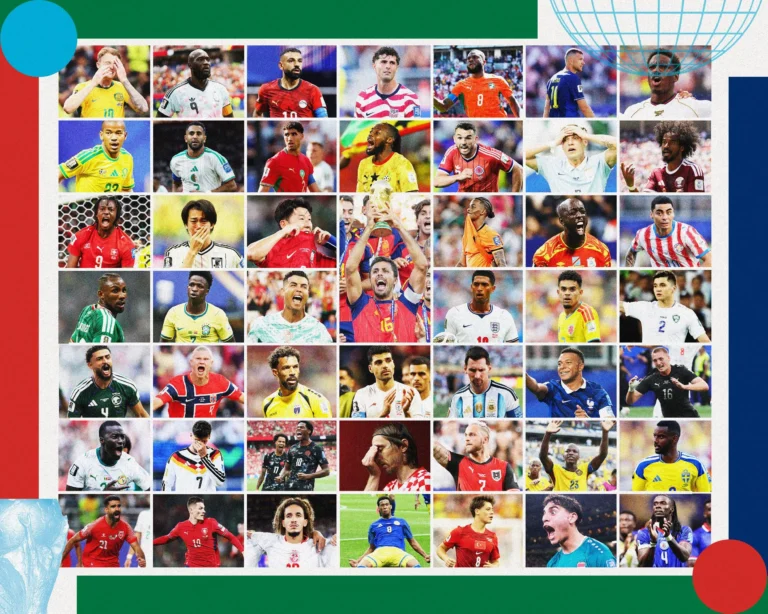
Less than a year after Gianni Infantino took over as FIFA president, the organization announced a significant change to the men’s World Cup, expanding the tournament from 32 to 48 teams. This decision elicited varied responses. Diego Maradona expressed enthusiasm for Infantino’s initiative, stating it allowed countries to aspire to participate in the tournament, reigniting their love for the sport. Conversely, Joachim Löw, then the coach of Germany, voiced concerns, arguing that such a move could dilute the tournament’s competitive integrity and ultimately diminish its quality.
The inaugural 48-team World Cup, claimed by Spain after 104 matches over five weeks in North America, suggests both Maradona and Löw made valid points.
“delighted by Gianni’s initiative” Infantino remarked following the announcement of the expanded format in 2017. The 2026 World Cup indeed showcased the sport’s global diversity, with Africa and Asia benefiting significantly from increased qualifying slots. All four debutant nations made their mark, with Livano Comenencia’s equalizer for Curaçao against Germany standing out as a memorable group-stage moment, while Cape Verde emerged as the tournament’s underdog, despite not securing a win.
Moreover, the expansion allowed six nations to experience knockout football at the World Cup for the first time, with Egypt and Canada celebrating their inaugural victories. Infantino’s strategy to share the tournament’s record revenues among FIFA’s member associations could strengthen smaller nations, particularly those tapping into previously underrepresented diasporas, in future competitions.
Disparities Among Teams
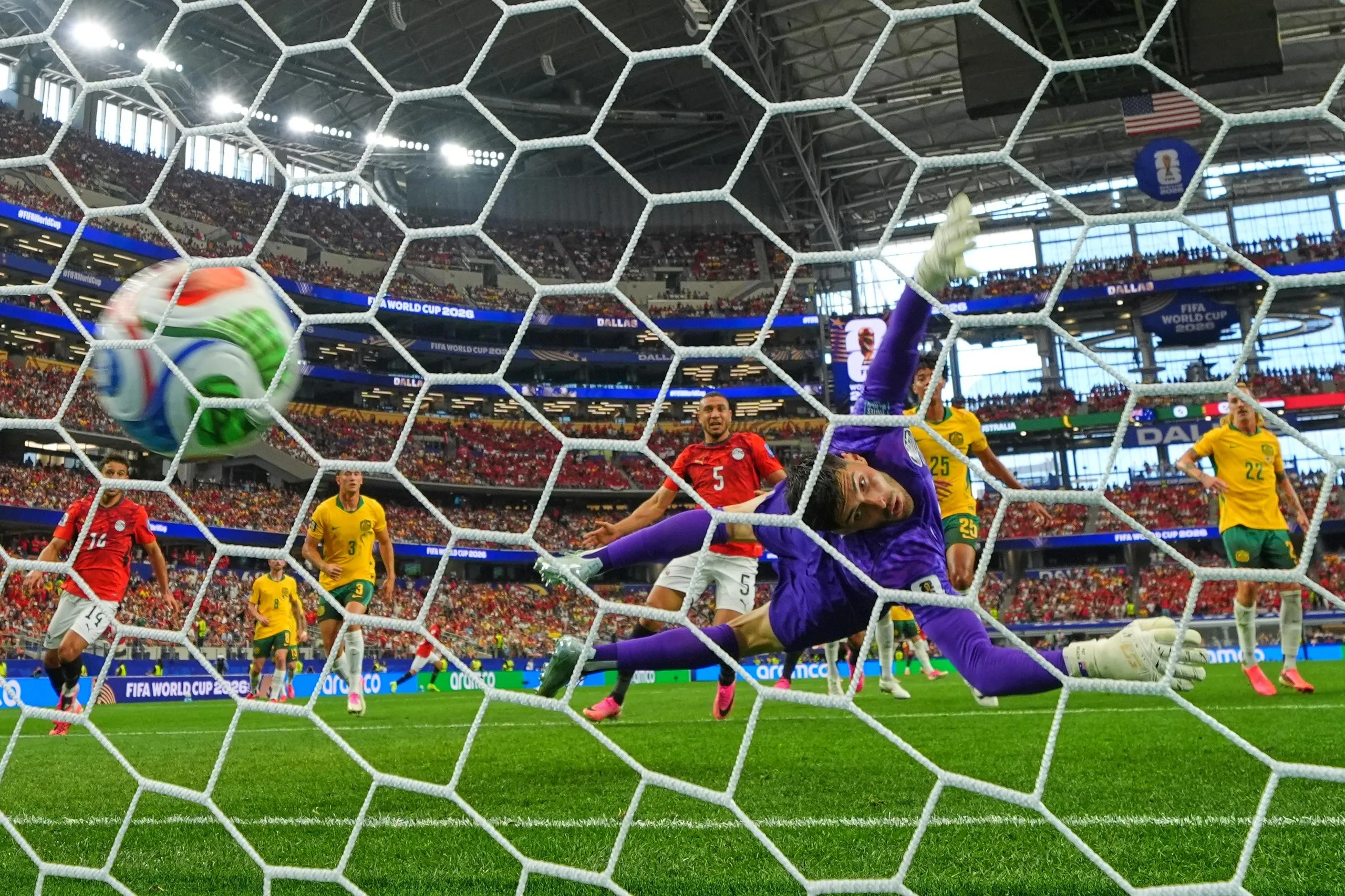
The increase in teams led to a noticeable gap in the quality of competition during the group stages. In the last 32-team World Cup held in Qatar, the most significant discrepancy was between Brazil and Ghana, with a 60-place difference in their world rankings. In contrast, the latest tournament featured five group matches with differences exceeding 65 positions. While some of these encounters were surprisingly competitive — such as England’s 0-0 draw with Ghana and Spain’s goalless match against Cape Verde — the top teams rarely faced the threat of an upset or an early exit, unlike the shocking eliminations of Spain in 2014 and Germany in 2018. This time, only a struggling Uruguay faced an early departure.
In 2022, Costa Rica recorded the worst goal difference at -8, but five teams in 2026 either matched or exceeded that deficiency. Iraq, with a -11 goal difference, became the tournament’s weakest link in Group I, which was the closest approximation to a group of death that the 48-team format could produce, featuring France, Norway, and Senegal, all of whom advanced without difficulty. The less intense group stage did allow star players like Kylian Mbappé and Lionel Messi to build momentum in a memorable race for the Golden Boot.
Issues with the Third-Place System
Following the dramatic conclusion of the 2022 group stage, where only two teams were eliminated before the final matches, FIFA opted to retain four-team groups instead of three for the expanded format. This decision meant that eight third-place teams would advance to the last 32, raising concerns about the potential for collusion and the advantage given to teams playing later, who could strategize based on prior results.
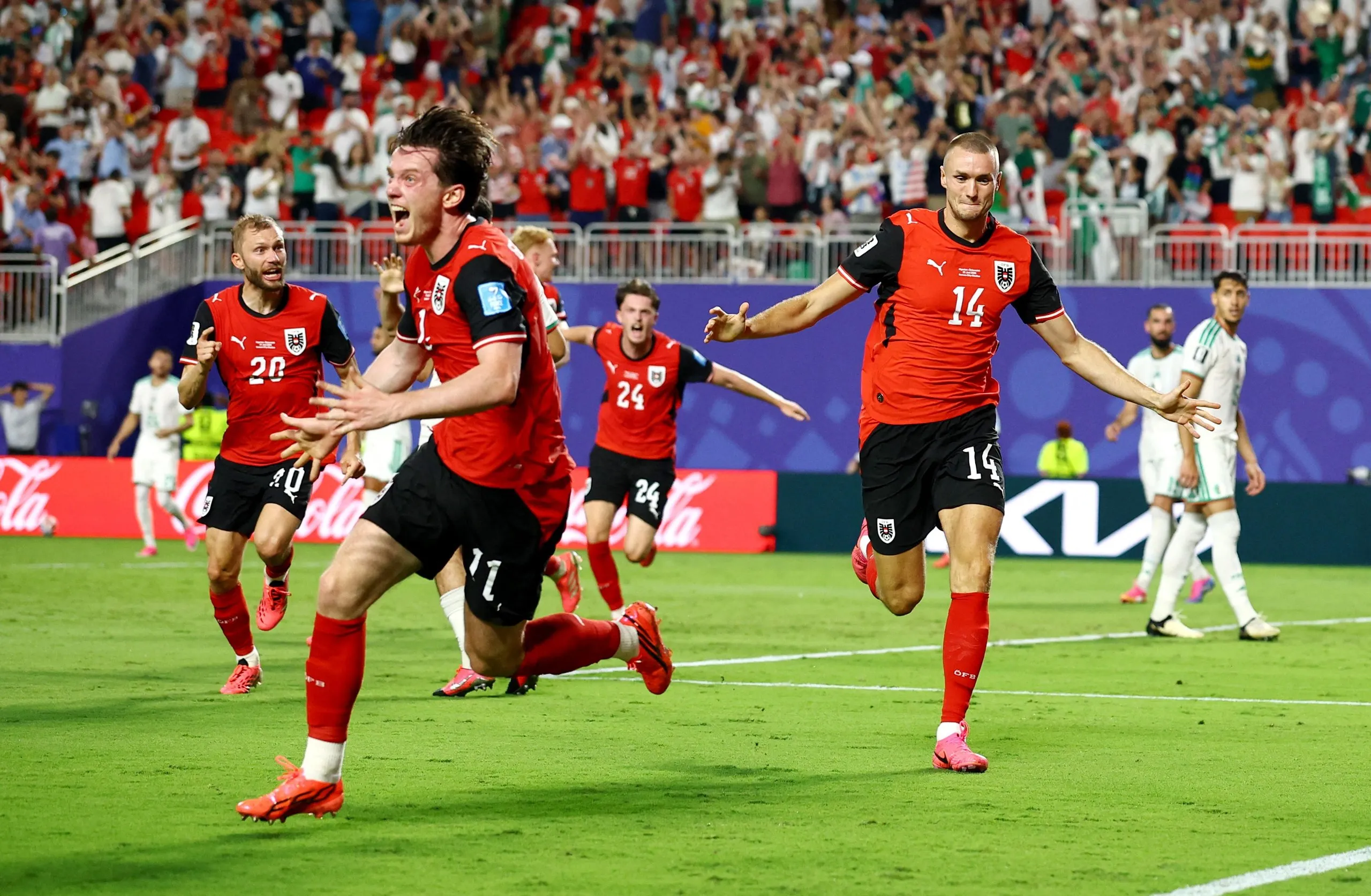
Knockout round matchups could shift unexpectedly. For instance, when Riyad Mahrez scored to put Algeria ahead 3-2 against Austria in the 93rd minute of their final group stage match, they appeared set to face Spain in the knockout round. However, conceding an equalizer in the 96th minute changed their opponents to Switzerland. Additionally, teams finishing third, like Scotland, had to wait several days to learn their fate, ultimately finding out they were eliminated.
The transition from goal difference to head-to-head results as a tie-breaker resulted in five teams being eliminated before their final group matches, creating a false sense of competitiveness within the third-place system.
Future of Expansion: 64 Teams?
Infantino reiterated the goal of organizing the World Cup to benefit not only Europe and South America when he hinted at a potential expansion to 64 teams. Adding 16 more nations, with only 24 additional matches, could be a logical progression for FIFA if it seeks to eliminate the third-place system and revert to a format where the top two teams advance. This change would introduce more competitive tension, although it could further exacerbate disparities among groups.
Nations like New Caledonia (ranked 151) and Indonesia (ranked 118) made late-stage qualifying efforts for the 2026 edition and could secure spots under increased quotas. The question remains: how would they fare against football powerhouses like Spain or Argentina? Moreover, with the world’s 16 top-ranked teams potentially clustered together, high-profile matchups may become increasingly scarce. Matches like England’s 4-2 victory over Croatia might not occur with a 64-team setup.
Logistically, managing four matches a day over a three-week group stage poses challenges, especially during the sweltering summer heat in Spain, Portugal, and Morocco. Among the 23 proposed venues, only the updated Bernabéu and Camp Nou stadiums boast roofs. The prospect of further expansion will undoubtedly be a hot topic of discussion in the coming months.