


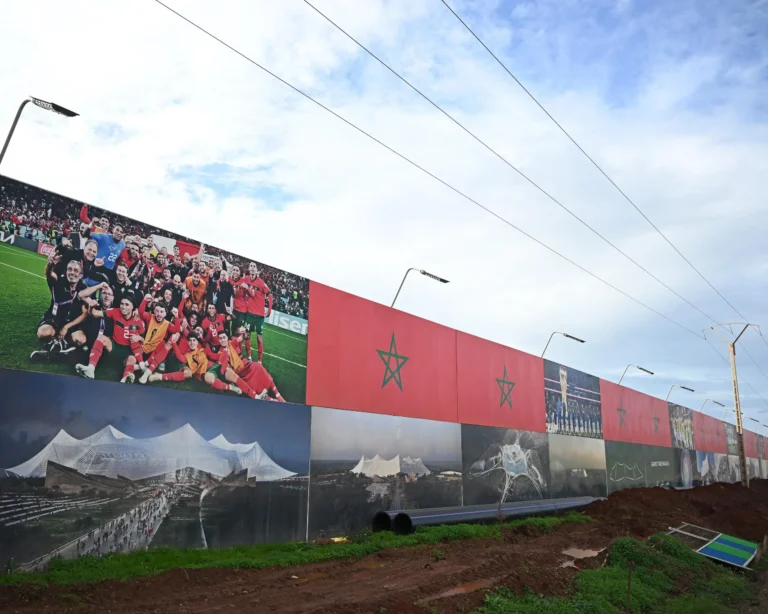
Morocco’s recent World Cup campaign concluded with a quarter-final defeat to France, yet officials from the country’s football federation (FRMF) are already looking ahead. With the Women’s Africa Cup of Nations (Wafcon) starting in Rabat this Sunday—just one week after the World Cup final in New Jersey—and the Under-17 Women’s World Cup approaching this autumn, the need for meticulous preparation is paramount.
Investment and Infrastructure Development
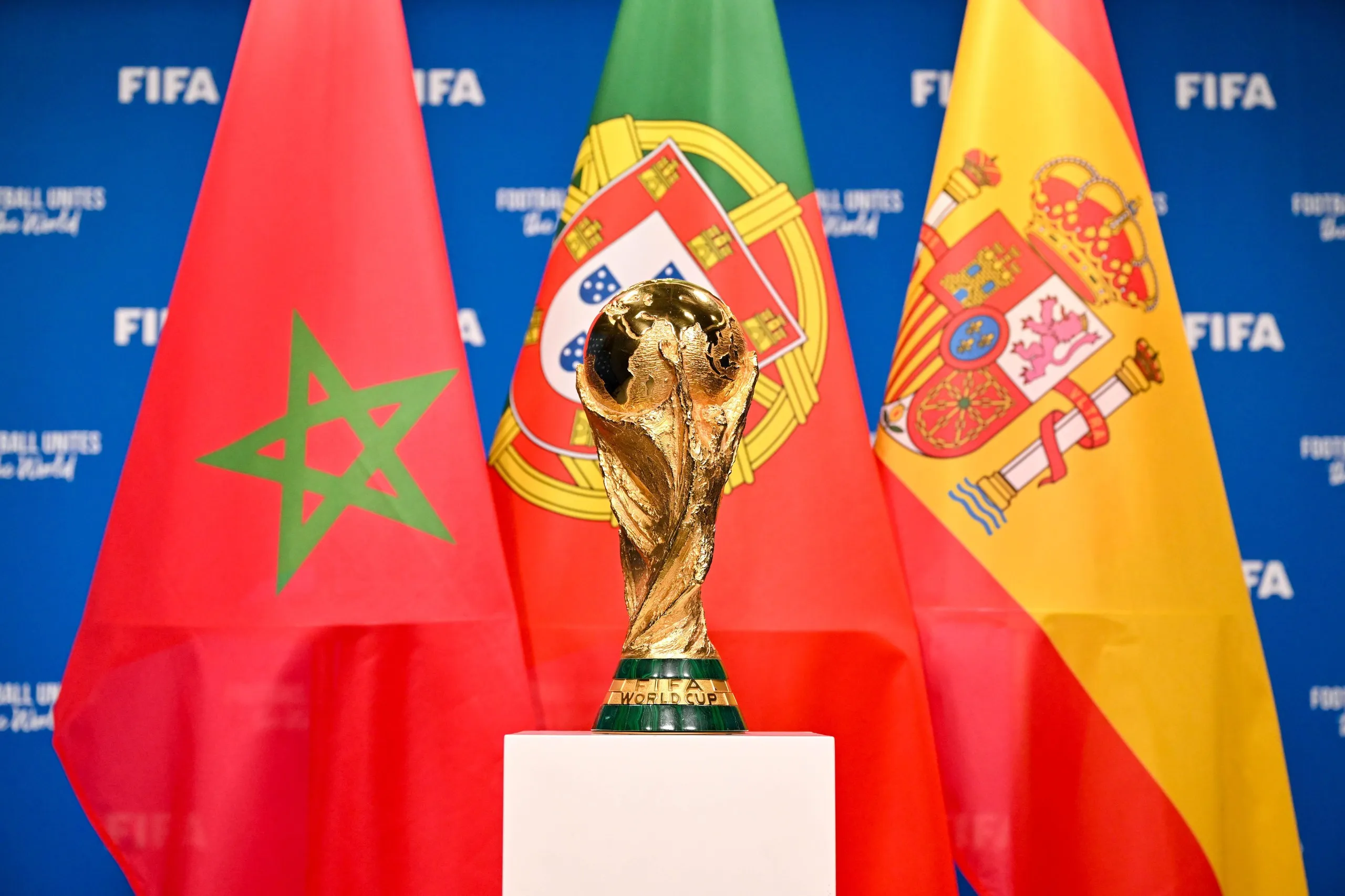
As the countdown to the 2030 World Cup, co-hosted by Morocco, Spain, and Portugal, continues, the focus remains on conducting all preparations with utmost professionalism. The Moroccan government has allocated between 50 to 60 billion dirhams (£4bn-£4.8bn) for direct football investments, with an additional £17bn designated for infrastructure improvements. An analysis from the International Monetary Fund suggested that accelerated spending from 2024 to 2030 could represent 11.9% of Morocco’s GDP in 2024.
Organizational Efforts and International Collaboration
Established in 2024, the Morocco 2030 Foundation, responsible for organizing the tournament, has spent considerable time in the United States to learn from its World Cup organization. Monthly meetings with Spain and Portugal are ongoing, aimed at enhancing collaboration. FIFA is anticipated to announce the host cities by the end of the year and may revert to the local organizing committee model, previously set aside in favor of direct management from Miami.
Public Sentiment and Skepticism
“The World Cup, for Morocco, is beyond football; it is about developing infrastructure that would be beneficial for the country going forward,” shared a key official who chose to remain anonymous. “Our stadiums in Rabat and Tangier are 100% ready.” The journey towards hosting the World Cup began under King Hassan II’s leadership, who made an unsuccessful bid for the 1994 tournament. Attempts in 2006, 2010, and 2026 also fell short before Morocco was finally awarded the 2030 event during King Mohammed VI’s reign.
Reflecting on this journey, journalist Amine El Amri remarked, “Being in my 40s, I bear testimony to all the unsuccessful bids to host the World Cup,”
Sports sociologist Abderrahim Bourkia from the Institute of Sports Science in Settat noted the skepticism surrounding the significance of the World Cup.
“Hosting a World Cup is a project that engages every Moroccan in a common dream, knowing that a World Cup comes with a cost, but also with a huge boost to the infrastructure of a very young and very demanding society.”
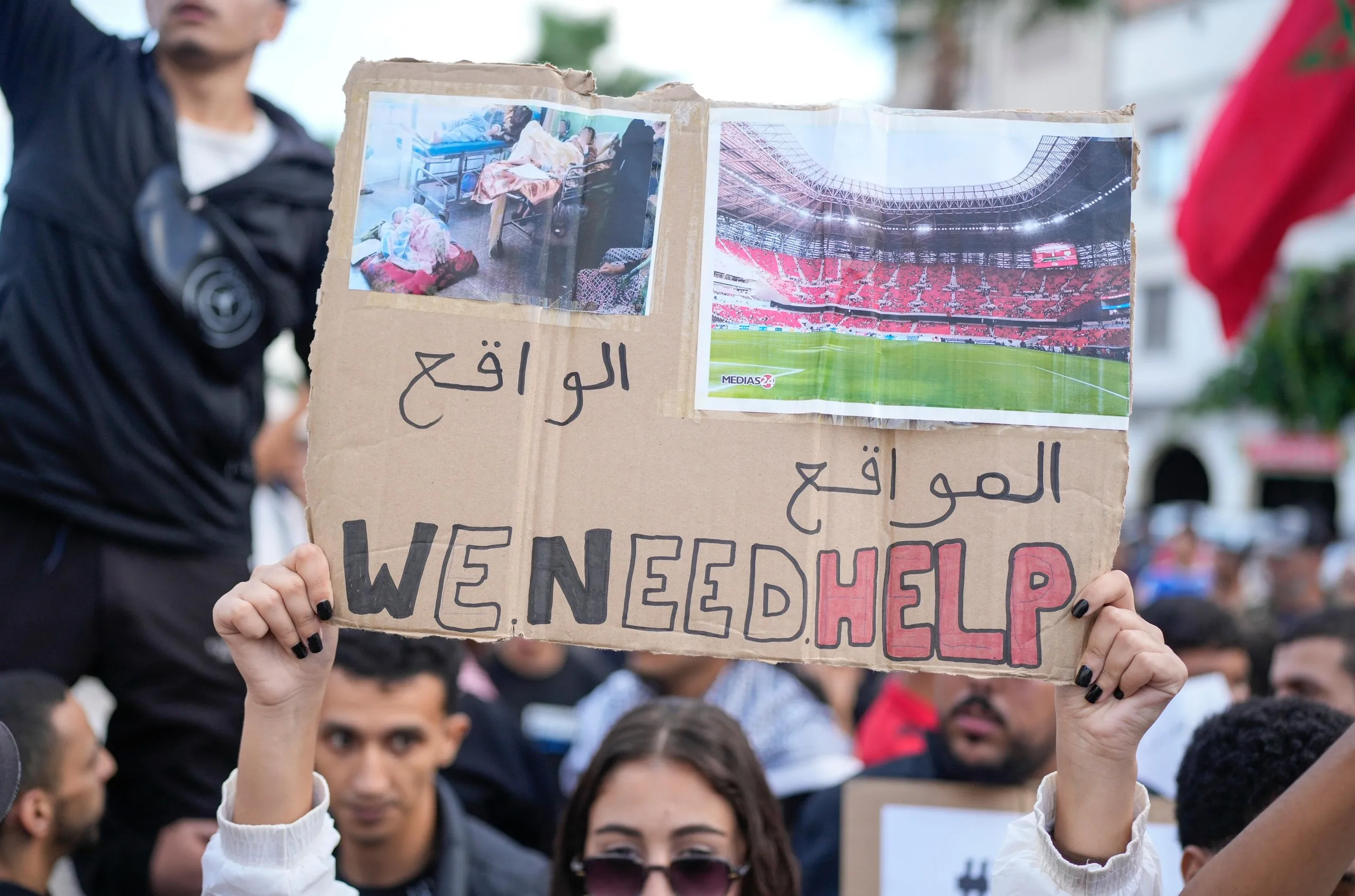
“Others with political positions wonder whether the huge investments should be directed toward education, health, or employment,”
Bourkia further stated, “Social status and educational background can shape perceptions too. Public opinion, therefore, remains somewhat ambivalent, reflecting differences in social background, political views, and economic expectations. “Morocco is investing heavily in transport infrastructure, airports, railways, stadiums, urban renewal and digital services. Beyond physical infrastructure, the country is strengthening its institutional capacity to organise mega-events, coordinate policies and improve governance.”
Morocco stands to gain valuable insights from South Africa’s experience during the 2010 World Cup. Dennis Mumble, a former CEO of the South African Football Association and part of the 2010 Local Organizing Committee, emphasized, “Our experience shows that ‘success’ lies in planning for legacy, promoting national unity and ensuring infrastructure does not become a burden over the long term,”
Mumble warned that “Some stadiums can become a burden on the fiscus, if not utilised optimally. I don’t believe we built white elephants, but we may not have learned how to position these venues as multi-purpose venues, for concerts of global performers, multi-sports use, church and massive political events.”
“They were later [criminally] charged and convicted, paying relatively steep fines for this unlawful conduct. Planning to the most minute detail became everything for us.”
While Morocco aims to present its World Cup as “one with African colors,” skepticism about the potential legacy benefits persists among many in the continent’s football community, particularly in sub-Saharan nations.
Over the past decade, the FRMF has forged bilateral cooperation agreements with most African football federations. With nearly half of African nations lacking adequate pitches for international matches, forcing them to play outside their borders, Moroccan officials maintain that collaboration with the Confederation of African Football is integral to their World Cup legacy initiative.
Mumble advises that managing global reputation will be as significant a challenge for Morocco as the logistical preparations, especially given the heightened media scrutiny on its political, economic, and social issues. This mirrors the experience of Qatar during the 2022 World Cup, which faced intense criticism over migrant worker deaths and human rights violations.