



The 2026 World Cup marked a poignant farewell for several legendary players, including Lionel Messi, Cristiano Ronaldo, Luka Modric, Neymar, James Rodríguez, and Guillermo Ochoa, as they exited the tournament with tears. As we set our sights on the 2030 World Cup, players aged 32 and above are likely reassessing their chances of selection and adapting their routines to combat the effects of aging.
In these power rankings, we are giving preference to teams with a solid base. Teams boasting numerous key players in their 20s are better positioned to navigate the upcoming four-year cycle than those facing the challenge of replacing aging stars. This list identifies ten teams that have strong foundations and realistic aspirations of reaching the quarter-finals in four years.
The ages of mentioned players as of June 1, 2030, are included in parentheses.
1) Spain
Spain will enter the 2030 World Cup as the first defending champion to also host the next tournament, making them the favorites to repeat their success. Under the adept guidance of Luis de la Fuente, who understands the strengths of his team and has earned the unwavering commitment of his players, this squad has the potential to become a formidable force.
The goalkeeping trio of Unai Simón (32), Joan García (29), and David Raya (34) may be retained for another cycle. In defense, Marc Pubill (26), Eric García (29), Pedro Porro (30), and Pau Cubarsí (23) provide a reliable backbone. The midfield is set to see the return of Dani Olmo (32), Gavi (25), and Pedri (27), with Rodri (33) likely starting in a pivotal role. Young talents like Nico Williams (27) and Lamine Yamal (22) showed their significance in the tournament’s later stages, while Ferran Torres (30) could again serve as a potent option off the bench.
Additionally, Spain possesses depth beyond their title-winning squad. Players such as Dean Huijsen (25) and Cristhian Mosquera (25) could step in for Aymeric Laporte (36), while Fermin López (27), Pablo Barrios (26), Javier Guerra (27), Marc Bernal (23), and Jesús Rodríguez (24) have all featured under de la Fuente. If strikers like Samu Aghehowa (26) or Gonzalo García (26) can emerge as reliable scoring options, Spain’s attacking prowess could become even more fearsome.
2) France
France welcomes a new coach just in time for the next cycle, with Zinedine Zidane taking over from Didier Deschamps, whose previous World Cup campaigns yielded diminishing returns. The key question is what lessons Zidane can draw from their unexpected semi-final loss to Spain.
Goalkeeper Mike Maignan (34) is expected to continue his tenure, supported by a strong defense featuring Dayot Upamecano (31), Ibrahima Konaté (31), and William Saliba (29). The midfield remains robust with Manu Koné (29) and Aurélien Tchouaméni (30), along with potential stars Eduardo Camavinga (27) and Khéphren Thuram (29). Kylian Mbappé (31) will be eager to add to his scoring tally, with Michael Olise (28) and Désiré Doué (24) providing support. Although talent abounds, overcoming Spain’s tactical structure will be crucial, and Zidane’s experience in squad management may prove invaluable.
3) England
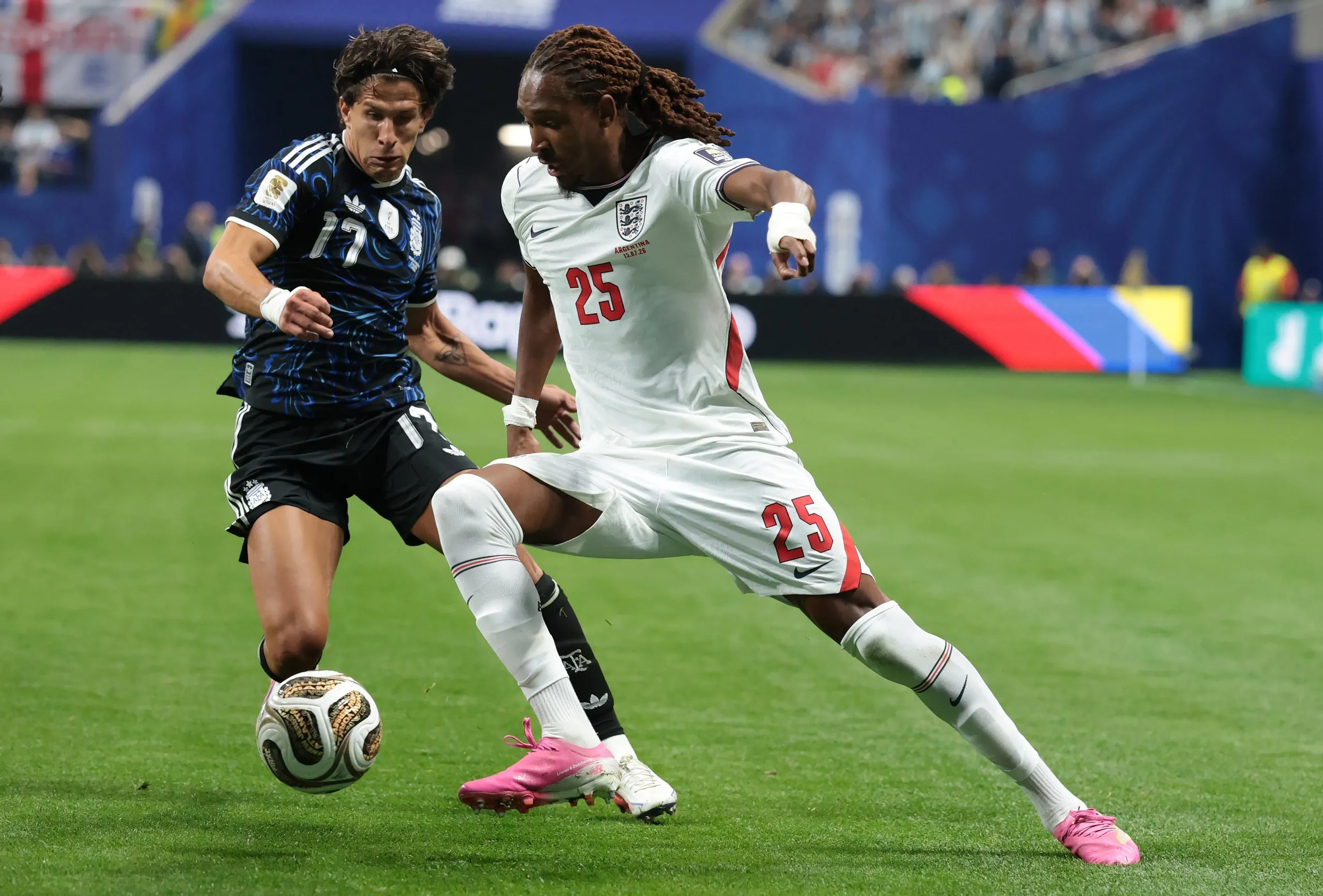
The Three Lions displayed remarkable resilience, defeating Mexico in a thrilling match and rallying against Norway to reach the semi-finals. Their failure to maintain a 2-0 lead against Argentina will linger in memory, but England is well-positioned for a strong response at Euro 2028 and the next World Cup—albeit with one significant caveat.
Marc Guéhi (29) emerged as a standout center-back throughout the tournament, and Djed Spence (29) concluded the World Cup in excellent form. Declan Rice (31), Elliot Anderson (27), Jude Bellingham (26), and Kobbie Mainoo (25) offer a variety of midfield combinations, while Bukayo Saka (28) and Anthony Gordon (29) performed admirably on the flanks. The primary concern lies in whether Harry Kane can remain a dependable option at age 36, as England has yet to identify a clear successor to their all-time leading scorer. The goalkeeper position also remains competitive, but players like Lewis Hall (25), Cole Palmer (28), Adam Wharton (26), Alex Scott (26), Phil Foden (30), Rio Ngumoha (21), and Ayden Heaven (23) highlight the squad’s depth.
4) Morocco
Morocco is laying a solid foundation as one of the primary co-hosts for the 2030 tournament. With back-to-back quarter-final appearances and a semi-final berth, along with holding the Afcon 2025 title, the newly appointed coach has infused energy into the squad without compromising stability. The question now is whether Morocco can advance even further in 2030.
Defensively, Achraf Hakimi (31), Chadi Riad (26), Anass Salah-Eddine (28), and Noussair Mazraoui (32) are expected to remain key contributors. After a breakout performance at the World Cup, Ayyoub Bouaddi (22) should continue developing alongside Azzedine Ounahi (30) in midfield. Ismael Saibari (29) was expected to be a reliable scorer before his injury, while Bilal El Khannouss (26), Gessime Yassine (24), and Brahim Díaz (30) add depth to the attack.
Morocco recently clinched the U-20 World Cup, showcasing talents like forwards Othmane Maamma (24) and Yassir Zabiri (25) along with goalkeeper Ibrahim Gomis (25). If goalkeeping star Yassine Bounou (39) can maintain his exceptional form, Morocco will pose a formidable challenge for any opponent.
5) Argentina
Argentina’s journey to the final underscored Messi’s irreplaceable role in the team, both as the catalyst for their attack and the emotional core that his teammates rallied around. His absence will be profoundly felt.
However, Argentina is not solely dependent on Messi. Julián Álvarez (30) has matured into a leading figure and will be supported by the dynamic Lautaro Martínez (32). Enzo Fernández (33) has much to atone for following his send-off, but he is expected to anchor the midfield this cycle. Veteran defenders Nahuel Molina (32), Cristian Romero (32), and Lisandro Martínez (32) will add experience, while Emiliano Martínez (37) still has contributions to make. Furthermore, they were runners-up in the recent U-20 World Cup, with promising talents like midfielder Milton Delgado (24), left-back Julio Soler (25), and goalkeeper Santino Barbi (24) emerging as key figures.
6) Portugal
Portugal is left pondering what might have been with a more agile forward at the helm of an otherwise strong team. Cristiano Ronaldo has confirmed he won’t participate in the 2030 tournament at the age of 45, raising questions about whether Roberto Martínez has squandered the best opportunity for this generation to claim a first World Cup.
Diogo Costa (30) ranks among the world’s top goalkeepers, and he is well-supported by Gonçalo Inácio (28) and Nuno Mendes (27) in defense. António Silva (26) aims to revitalize his promising career, potentially with Bournemouth, while João Neves (25) and Vitinha (30) would be starters in many national teams’ midfields. The attacking lineup also includes Gonçalo Ramos (28), João Félix (30), and Francisco Conceição (27). However, with aging stars like Bruno Fernandes (35), Bernardo Silva (35), and Rúben Dias (33), it feels as though the window of opportunity may have closed.
7) Norway
Norway’s impressive quarter-final run has set a high bar, with a culture surrounding the team that became the envy of many. Most of their key players are expected to return in four years, including their standout performer.
Erling Haaland (29) was one of the few who truly enjoyed the World Cup experience and should remain a threat to defenses in the next tournament. Support from Andreas Schjelderup (26), Antonio Nusa (25), and Oscar Bobb (26) will be critical in the attacking third, while Martin Ødegaard (31) aims to overcome his injury challenges to orchestrate play once again. Defensive stability and goalkeeping will need attention, but with Haaland at the forefront, Norway remains a contender.
8) Côte d’Ivoire
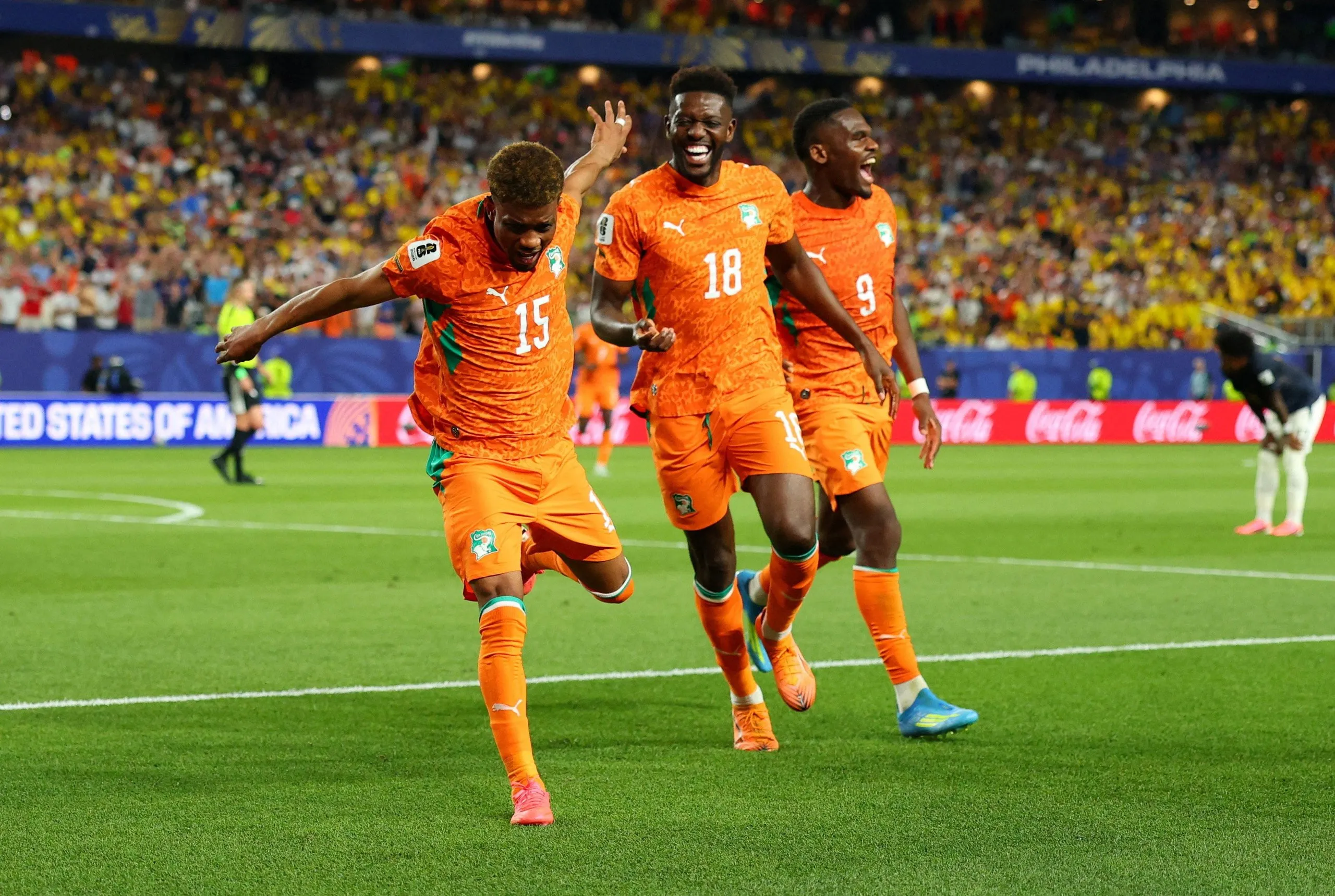
The Elephants showcased their talent in a challenging Group E, securing victories over Ecuador and Curaçao before succumbing to Norway in the round of 32. If Emerse Faé returns to lead this squad, he will have an abundance of talent at his disposal as the tournament returns to Africa.
Yahia Fofana (29) is a reliable goalkeeper, bolstered by a solid defense featuring Ousmane Diomande (26), Odilon Kossounou (29), and Wilfried Singo (29). The attacking options present a selection dilemma: Amad Diallo (27), Oumar Diakité (26), Elye Wahi (27), Yan Diomandé (23), Simon Adingra (28), and Ange-Yoan Bonny (26) all bring unique skills to the table. The midfield appears to be their only potentially weak area, particularly if Franck Kessié (33) ages out of a starting role. Nevertheless, following their first World Cup knockout match and the Afcon 2023 title, they are a team to keep an eye on.
9) Germany
As club managers made their World Cup debuts with mixed results in 2026, Jürgen Klopp has the next four years to cultivate his ideal environment and refine a new system for Die Mannschaft. This scenario appears promising following a series of disappointing tournaments since their triumph in 2014.
The pressing question is whether Germany possesses the necessary talent. An injury to Lennart Karl (22) right before the World Cup dampened preparations, but the Bayern playmaker would greatly enhance the squad. Kai Havertz (30) is likely to contribute crucial goals, while Florian Wirtz (27) and Jamal Musiala (27) will strive to regain peak form and fitness. Nathaniel Brown (26) is a promising wing-back for future cycles, while Joshua Kimmich (35) has dismissed concerns about retiring before Klopp’s arrival. This is reassuring, given the significant turnover required in the defensive unit.
10) United States
The Balogun Affair tainted what had been the US’s most encouraging men’s World Cup performance to date. Mauricio Pochettino’s future as coach remains uncertain. Nevertheless, the Americans’ journey to the last 16 showcased several players from a similar age group stepping up, indicating they could become mainstays.
Folarin Balogun (28) is expected to evolve into an even more refined forward following his three-goal performance this summer, while Malik Tillman (28) provides reliable dead-ball service and composed midfield play. Chris Richards (30), Tyler Adams (31), Weston McKennie (31), Christian Pulisic (31), and Alex Freeman (25) are likely to remain foundational figures, along with Sebastian Berhalter (29), Gio Reyna (27), and Ricardo Pepi (27) after solid World Cup displays. A 12th-place finish indicates a familiar last-16 exit for the US, but the experiences gained from a high-pressure hosting scenario may pay dividends in four years.