


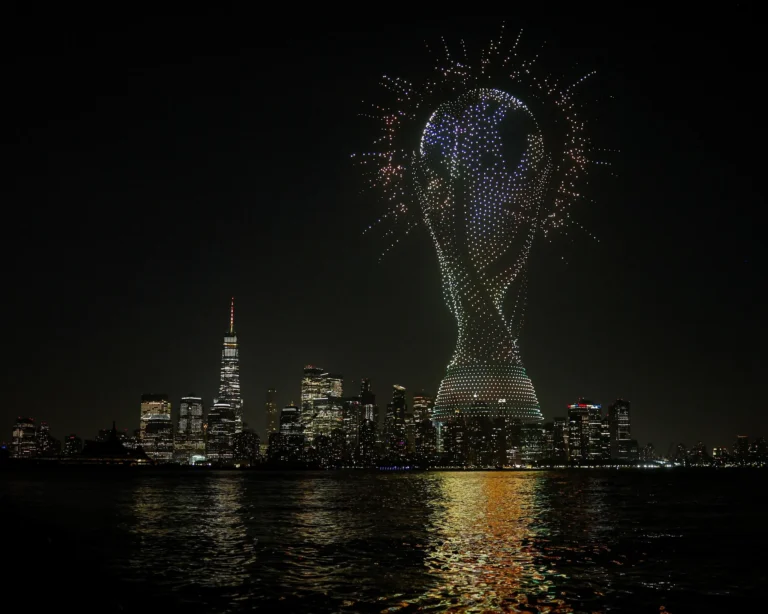
While FIFA may not deserve any praise, one cannot overlook the success of the 2026 World Cup in achieving its intended objectives. The matches delivered a blend of excitement, competition, and drama, even if the quality was occasionally lacking. Attendance was robust, and the event generated significant revenue, exceeding even FIFA’s expectations by billions, according to recent reports.
This tournament also played a role in normalizing the controversial hydration breaks, which attendees initially criticized but may become accepted in future events. Although FIFA claims no extra revenue was generated from these commercial pauses, it is likely that the value created for broadcasters will be a topic of discussion in the next rights negotiations.
The expansion to 48 teams proved effective, as the weakest participants were not the newcomers. In fact, there is now growing interest in increasing the number of teams to 64, a concept that is gaining traction among sports officials.
Ultimately, the World Cup unfolded as expected, with all planned elements falling into place. This iteration, heavily influenced by American culture, showcased aspects like countdowns, halftime entertainment, and commercial breaks, alongside dynamic pricing strategies.
However, one must consider what the World Cup has contributed back to the region. FIFA has long promoted the tournament as a means to grow the sport and reach new audiences, but questions linger about the impact of the final, which was deemed unexciting and contentious. Will it foster lasting momentum for soccer in North America?
Performance of Hosting Nations
This inquiry can be broken down into three parts. Mexico, hosting the World Cup for a third time, can take pride in its performance, with El Tri reaching the coveted “let’s get ready to rumble” although they were ultimately eliminated in the round of 16, a stage they have reached in every World Cup since 1994.
Canada, as a first-time host, faced high stakes but made a commendable showing, despite a 3-0 defeat to Morocco. The nation successfully organized memorable festivities that will leave a lasting impression on attendees.
As for the United States, the legacy of this tournament may be more complex. The matches were marked by exclusivity, with revenues primarily benefiting FIFA’s headquarters in Switzerland rather than local organizers, who had no surplus funds to reinvest in the sport as was the case in 1994. The U.S. Soccer Federation found itself sidelined, struggling to create meaningful grassroots initiatives.
Future of Soccer in the US
Did the tournament attract new soccer fans? It’s doubtful many attendees at the stadiums were new to the sport, as few would spend thousands of dollars on a whim for a game they were just beginning to explore. While television ratings indicate a surge in viewership, it remains uncertain if these new viewers will develop a lasting passion for soccer.
Soccer in the United States does not suffer from a popularity problem; rather, it faces an access issue. There is a need for affordable youth recreational leagues that are not compromised by the expensive travel soccer environment. Moreover, aspiring players require access to quality coaching focused on development rather than solely winning. Facilities, equipment, and opportunities for play are also essential.
Will this World Cup address these access challenges? For FIFA, this edition serves as a validation of its business model, demonstrating that it can expand without consequences, engage in price-gouging, and still reap significant rewards.
Looking Ahead
By leveraging the momentum that facilitated Gianni Infantino’s arrangement for the 2034 World Cup in Saudi Arabia, a return to the U.S. in 2038 appears increasingly plausible. Furthermore, discussions are underway about hosting the FIFA Club World Cup in the U.S. again in 2029, mirroring its 2025 edition, and the 2031 Women’s World Cup co-hosted in the U.S. seems nearly certain.
In conclusion, what FIFA has seemingly established is a dependency—a colony of sorts—where the organization can continually benefit from its ventures in the United States.
- Leander Schaerlaeckens is the author ofThe Long Game: U.S. Men’s Soccer and Its Savage, Four-Decade Journey to the Top, or Thereabouts, which is out now. He teaches at Marist University.