


Mauricio Pochettino faces an intriguing challenge as he navigates the new World Cup format.
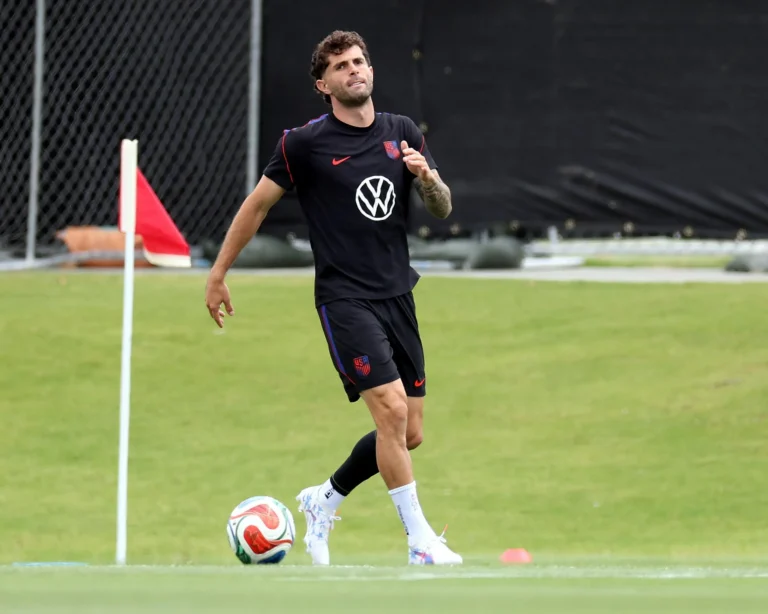
In a prudent move, the Argentinian coach substituted Christian Pulisic at halftime during the United States’ commanding 4-1 victory over Paraguay, safeguarding him from further injury. After the match, Pulisic expressed his optimism about recovering in time for the next game, even though he was seen training separately with a sleeve on his left calf as of Wednesday.
This situation prompts Pochettino to consider a pressing question raised since FIFA announced the expansion to 48 teams: how much should teams risk player fitness after securing a crucial three points that likely assure advancement to the knockout stage? The US team’s impressive showing against Paraguay has fans contemplating a deeper tournament run. However, they should prepare for a challenging encounter with Australia, who have reacted strongly to negative comments about them in the US media. This match will also be pivotal for control of Group D.
Though some of this could be strategic maneuvering, keeping Pulisic sidelined during training may introduce uncertainty into Australia’s preparations following the United States’ emphatic first match. In the World Cup, every small advantage counts.
Option 1: The Rising Star with a Mission
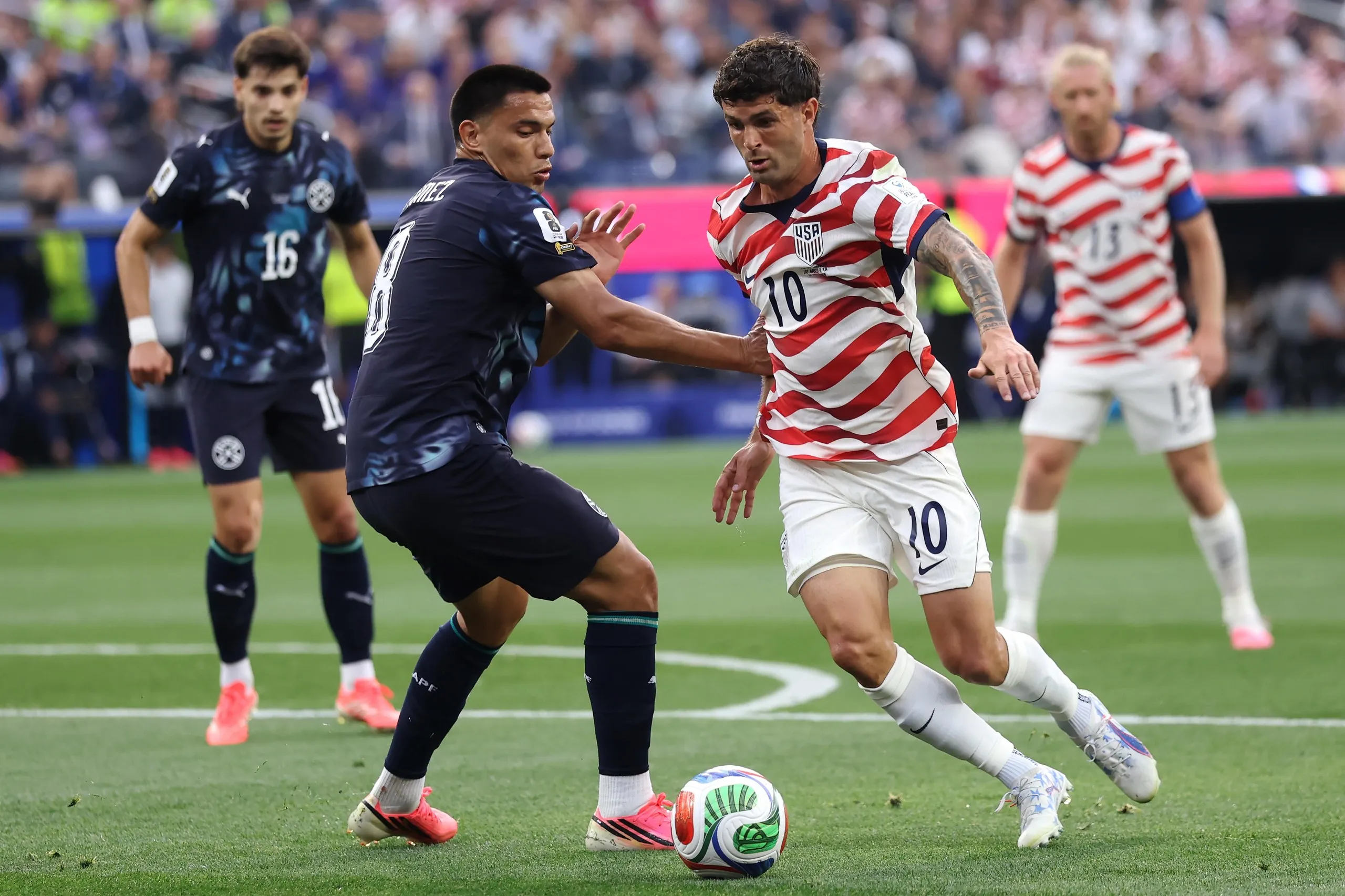
Gio Reyna has not played a full 60 minutes for either club or country since December 19, 2025. However, following his stunning late goal against Paraguay, his potential role against Australia has become a topic of interest.
Despite facing hurdles in establishing himself at the club level, Reyna’s exceptional talent has kept him as a consideration for Pochettino as he explores midfield alternatives. His ability to maintain possession and deliver precise passes is crucial when facing well-organized defenses.
Reyna came off at halftime during the May friendly against Senegal and made limited appearances against Germany and Paraguay. Initially expected to be a super-sub due to his lack of club minutes, Pulisic’s injury and Reyna’s newfound confidence may elevate him to a starting role against Australia.
Option 2: Tire Out the Socceroos Early
Pochettino might still deploy Reyna against Australia after utilizing Brenden Aaronson to tire out the opposition. The 25-year-old played a vital role in Leeds’ return to the Premier League, showcasing relentless off-the-ball movement and pressing, while steadily enhancing his offensive contributions. His selfless efforts have earned him the admiration of coaches.
However, Aaronson has not been a consistent presence in Pochettino’s lineups. He logged only 11 minutes in March camp, with 18 minutes against Germany, and did not feature against Paraguay. Although he has yet to score or assist for the US, his presence could create more space for Folarin Balogun, Weston McKennie, and others while softening Australia’s defense.
Option 3: Adding Width and Shooting Opportunities
With Balogun becoming a focal point for opposing defenses, Pulisic has enjoyed increased time and space on the ball in recent matches as opponents retreat deeper. He has often emerged as the US’s secondary scoring threat, proving essential in challenging rival rotations in the final third. While Reyna’s brilliant strike against Paraguay highlighted his finishing skills, neither he nor Aaronson can replicate Pulisic’s offensive threat.
It may be time to reintegrate Tim Weah into the lineup. A versatile option who can operate along the right flank, Weah also progressed through the youth ranks as a center-forward, capable of executing a broader interpretation of an attacking midfield role. The reality is that under Pochettino, the US has not consistently replicated their style or formation from game to game. The challenge lies in finding the right combinations to maximize the team’s chemistry and movement.
Weah excelled in a break behind Wales’s defense at the last World Cup, scoring his team’s first goal in Qatar. This adjustment may require McKennie to shift to the left in the attacking midfield setup, but including Weah would provide another potent scoring option.
Option 4: Adjusting Further Back
Pulisic’s role and McKennie’s effectiveness in an advanced position have pushed Malik Tillman deeper in the formation. Despite limited experience in central midfield, Tillman has made a remarkable impact, serving as a crucial link in the US’s midfield. He recorded the second-most progressive passes (eight) and led the team with five passes into the opponent’s box against Paraguay, including an assist for Balogun’s second goal.
In their last encounter with Australia, none of the listed attacking midfielders registered assists; instead, Cristian Roldan provided Haji Wright with two. Throughout the past year, Pochettino has placed greater trust in Sebastian Berhalter to break defensive lines. Berhalter, who specializes in set-pieces, becomes a significant consideration, especially since Pulisic still takes some of these situations.
Tillman and McKennie could coordinate in the advanced line, while one of Berhalter or Roldan could support Tyler Adams in midfield. In what is likely to be a fiercely contested match, bolstering midfield strength could be crucial for maintaining control.