


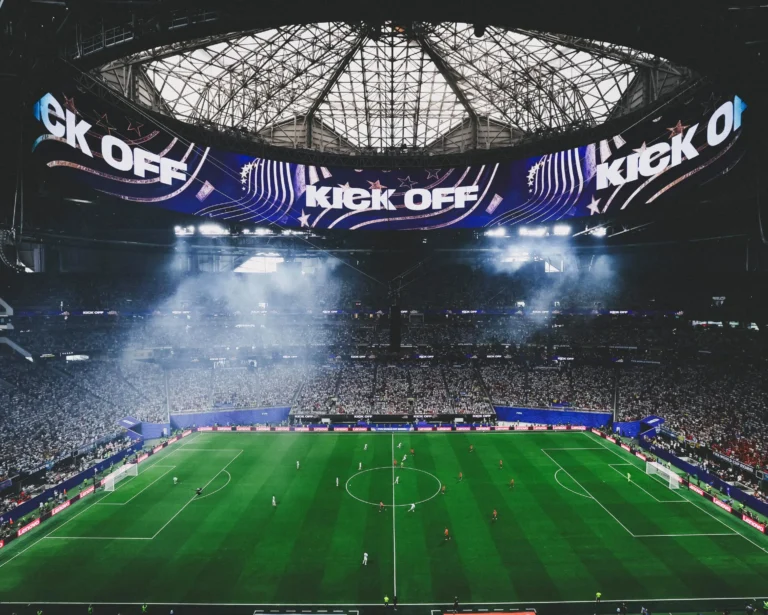
The BBC is preparing to broadcast England’s World Cup semi-final match against Argentina live from Atlanta, as the network anticipates strong viewership following its decision to showcase Thomas Tuchel’s team.
Previously, ITV attracted a peak audience of 18 million viewers during Saturday’s thrilling extra-time win over Norway. This record is expected to be eclipsed on Wednesday night as England seeks its first World Cup final appearance since 1966, with the match slated to begin at 8 PM UK time.
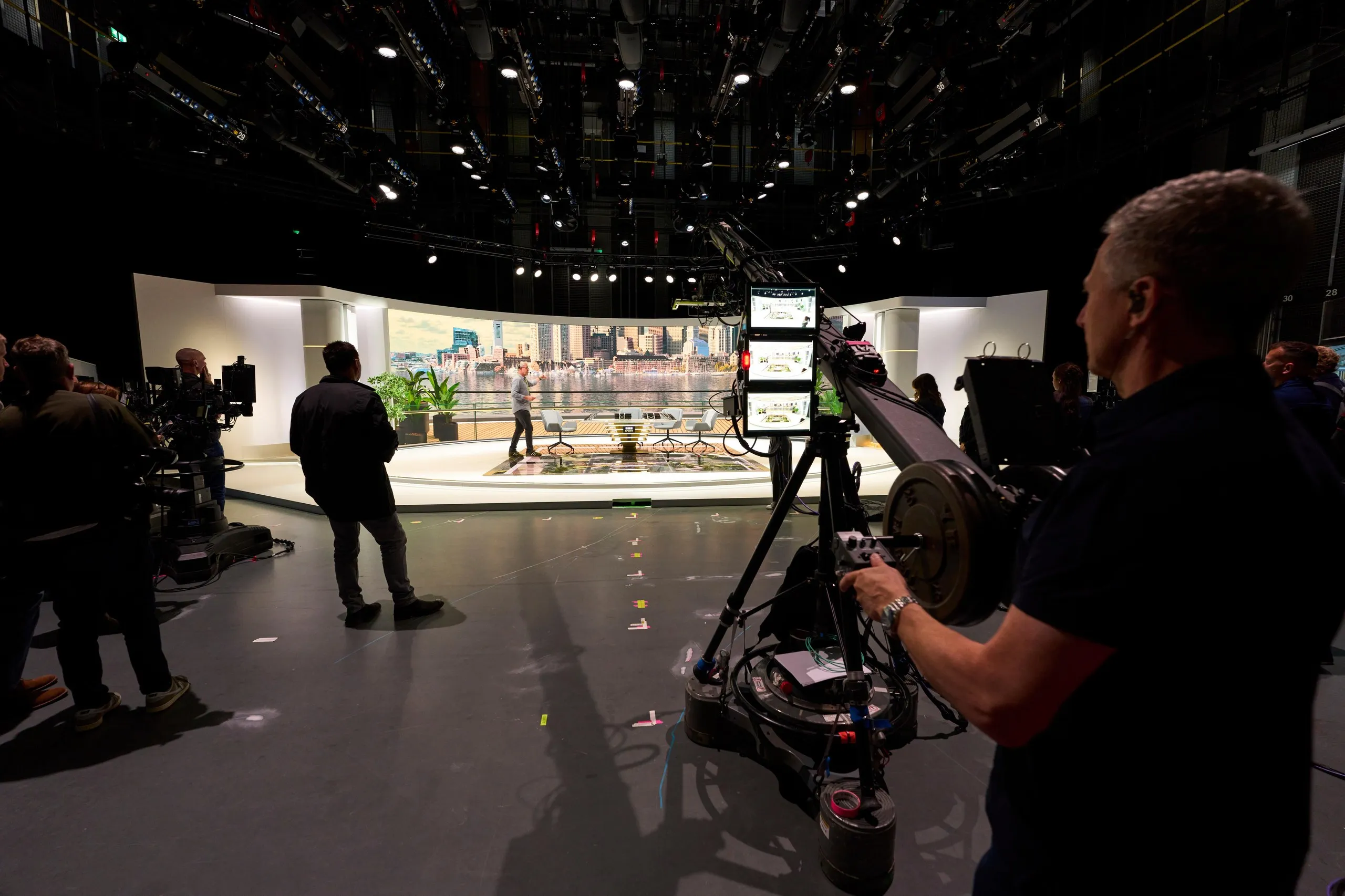
With exclusive live broadcasting rights, the BBC has gathered its top analysts after primarily presenting the tournament from Salford.
Up to this point, Alan Shearer has provided updates, contributing to BBC 5 Live. However, he is now joined in the U.S. by fellow analysts Wayne Rooney and Micah Richards, who will report from the Atlanta Stadium. Meanwhile, ITV will continue its hybrid approach, broadcasting from a rooftop studio in Brooklyn while employing a team of reporters and commentators at the venue.
England’s progression to the semi-finals for the second time in three World Cups has validated the BBC’s daring strategy to reserve its top matches for the tournament’s latter stages. Earlier, ITV aired two of England’s group matches and the last-32 encounter against DR Congo before the intense clash with Norway. Although ITV has led in viewership thus far, the BBC is expected to draw a larger audience in the final stages, as historical data suggests it will attract more viewers for the final, which both networks will air live.
Despite the challenge of a 2 AM Monday morning kick-off for England’s thrilling last-16 victory over Mexico, the BBC still managed to secure a peak audience of 9.1 million. This figure significantly exceeded the previous record for the largest television audience during that time slot, which was held by the 2016 Rio Olympics.
The BBC has strongly defended its decision to remain in Salford, even as it plans to cut 2,000 jobs to save £500 million. “To have what would probably be an extra couple of hundred people out there – and that’s before you build a studio – you’re talking millions,” stated BBC Sport director Alex Kay-Jelski last month. “The actual end product people are getting at home, I don’t really think it’s that different.”