


The excitement surrounding the World Cup, an experience many find exhilarating, is largely confined in the United States to the stadiums, nearby streets, and fan festivals. This scenario is familiar, underscoring football’s limited appeal within North American culture.
My current stay in Brazil, following the national team from North America, has revealed a stark contrast. Here, the significance of football in Brazilian society illustrates why the national team’s journey during the World Cup becomes the focal point of our existence.
In the US, football does not hold the title of the most beloved sport. A variety of other sports vie for attention, many of which boast a more established history. The NFL, baseball, and basketball often overshadow football, alongside the presence of the Olympics. After experiencing the atmosphere in the US, I’ve concluded that it reflects a data-supported truth: football is not the predominant cultural force.
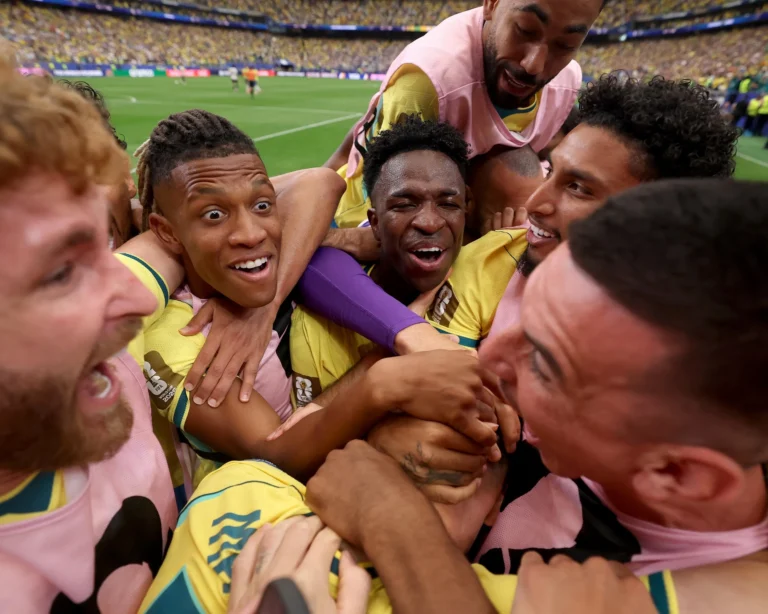
Returning to Brazil, the palpable difference in atmosphere is evident, as is the emotional release that accompanies the national team’s World Cup performance. For many hardworking Brazilians, it’s an opportunity to proudly showcase our capabilities on the global stage.
This pride extends beyond our five World Cup victories, deeply rooted in our passionate connection to the sport. The sheer joy of playing football is a significant aspect of our identity. This passion fuels our adoration for the Seleção and the game itself. When football is played well, it ignites our spirits.
During my time in the US, I often struggled to find a match on television. In Brazil, however, football reigns supreme, with games airing constantly across various channels, showcasing competitions from around the globe. While other sports like volleyball, motorsport, and basketball enjoy popularity, none come close to football’s dominance.
In Brazil, often referred to as the “land of football,” daily life is influenced by the team’s performance in the World Cup. Work hours and certain public services adapt around match schedules. Life continues, but we strive to align it with Brazil’s games, often catching up on daily responsibilities afterward.
This sentiment intensifies as the team progresses. Following the draw against Morocco, victories against Haiti and Scotland heightened anticipation for the upcoming match against Japan, and now we face Norway in the round of 16 on Sunday.
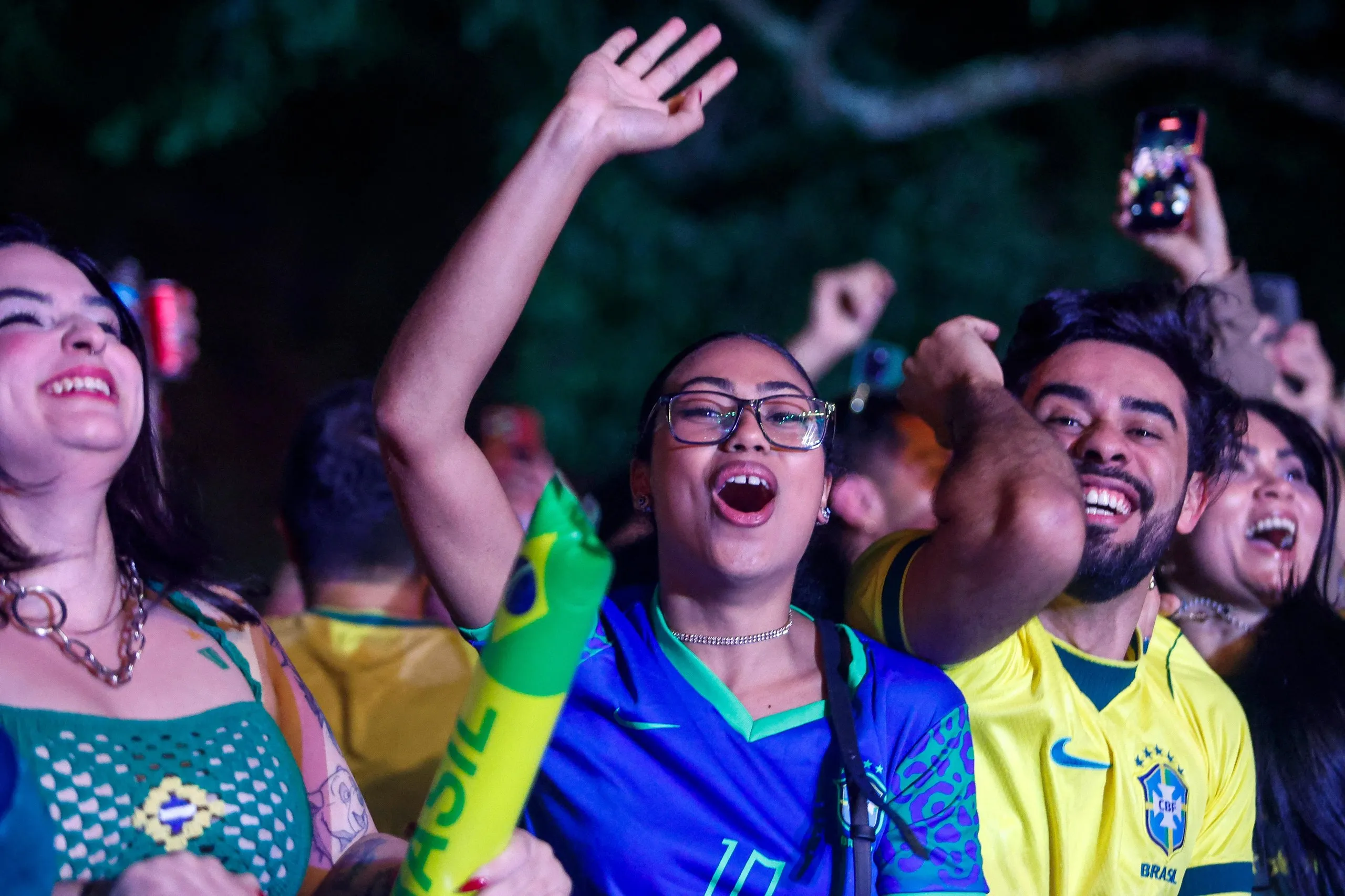
When the national team plays, we celebrate with grand parties and gatherings. However, our enjoyment extends beyond just our games; Brazilians appreciate a well-played match, regardless of the teams involved. Notable encounters have included matches like Netherlands vs. Japan, Ecuador vs. Germany, and Uruguay vs. Spain, among many others.
Football is a profound passion in Brazil, uniting us across the nation. Whether in the capital or a small village, the sport is the sun around which our lives revolve.
A common conversation in Brazil might go like this:
“Would you like to attend a concert or movie tonight?”
“Sure, but can we do it after my team/the national team/any team has played?”
When Brazil faces Norway, many households will gather around a TV or large screen to share the experience, bridging generations. Anticipation builds with discussions and predictions from the nation’s 200 million self-proclaimed experts.
The match itself lasts for 90 minutes, and some fans even hope for extra time or penalties to extend the thrill. Post-match conversations have a clear starting point—immediately after the final whistle—but no defined end. If the game falls on a Saturday or the eve of a holiday, the chance for an extended celebration makes this ritual even more special.
- World Cup 2026
- Brazil
- World Cup
- features