


he adds.
Rotterdam has become the unexpected backdrop for a remarkable football story. Six players from the Cape Verde national team, who have brought excitement to the World Cup, hail from this city, located nearly 5,000 kilometers away from their home islands. Five of them faced off against Argentina, the reigning champions, in a narrow 3-2 loss that carried both triumph and heartache.
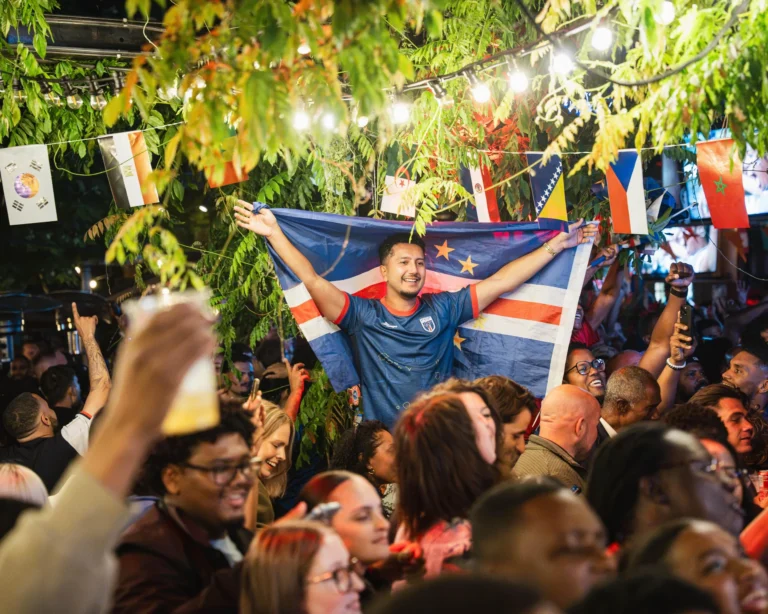
Following last Saturday’s draw with Saudi Arabia that secured Cape Verde’s place in the last 32, the streets of Rotterdam erupted in celebration. Cars honked, flags waved from open windows, and people danced joyously. This vibrant city, affectionately referred to by locals as the 10th island of Cape Verde, is now alive with the spirit of the tournament, joined by fans from Curaçao and Morocco.
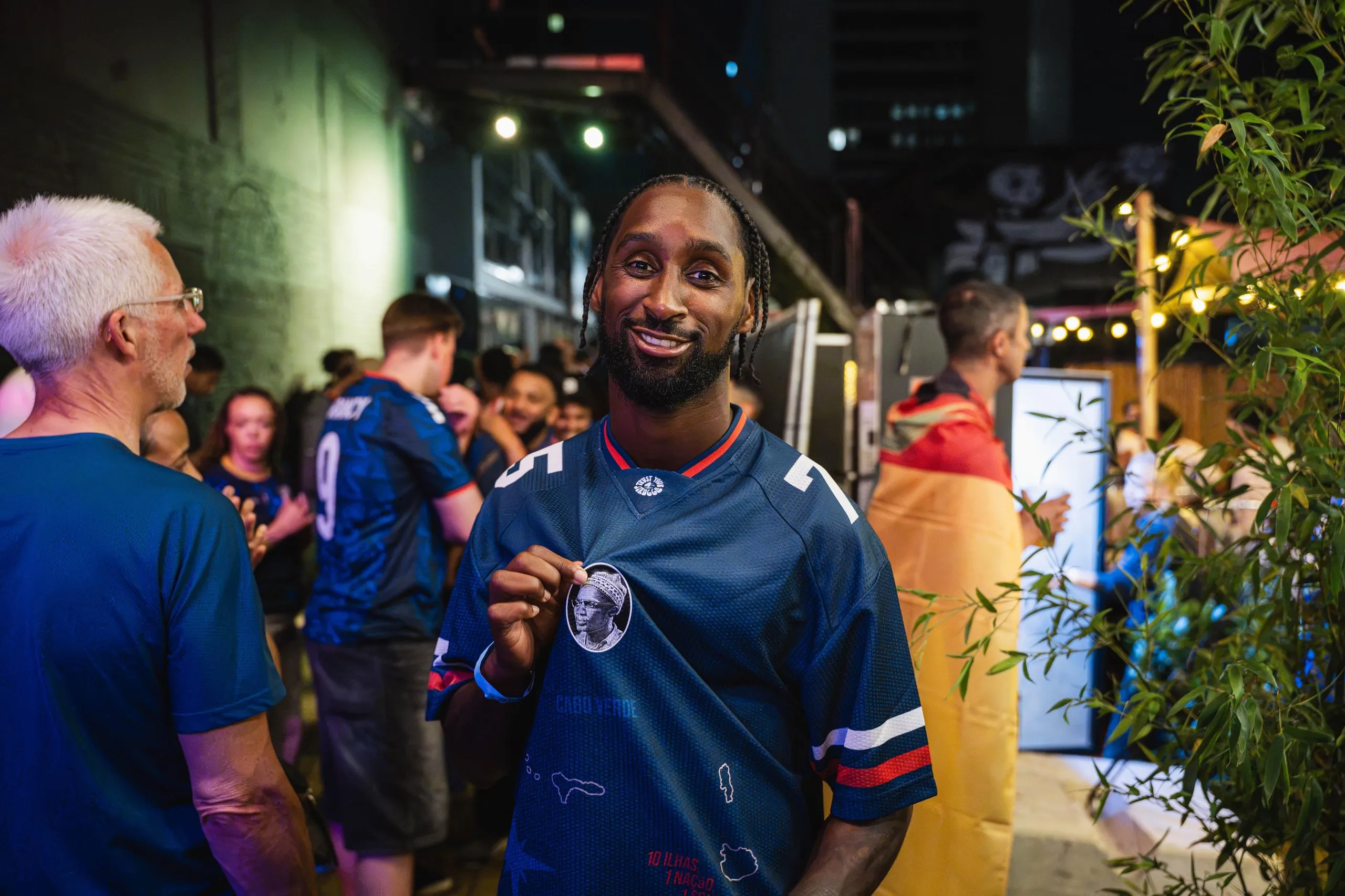
Home to approximately 25,000 Cape Verdeans, known as Kriolu, Rotterdam has Jeffry Fortes among its residents. The 37-year-old right-back, born to a dockworker like many of his compatriots, has made over 400 appearances in the Dutch football leagues and currently plays for Den Bosch.
His international career with Cape Verde, however, came to an abrupt halt in 2023 due to a fallout with the football federation. “I’m not going to speak badly about them,” Fortes states. “I’m their biggest fan now.”
Amidst the festivities at Club Annabel, where Fortes joins 1,600 fellow Cape Verdeans, he proudly wears a blue shirt featuring Amílcar Cabral, a key figure in the independence movement. “As a professional footballer it’s a disappointment to be on the sidelines,” he reflects. “But as a Cape Verdean, I’m prouder than ever. We can’t take this for granted. This is the biggest and best moment ever. No one in the world knew us. Now we’re in the spotlight.”
In the expansive beer garden, an African drum band performs while dancers entertain the crowd, and strings of flags from various World Cup nations adorn the venue. For the attendees, this is indeed Vozinha’s world, with Lionel Messi merely a guest. The hydration break is met with cheers, but when Messi scores shortly after, a slight wave of disappointment washes over the jubilant crowd.
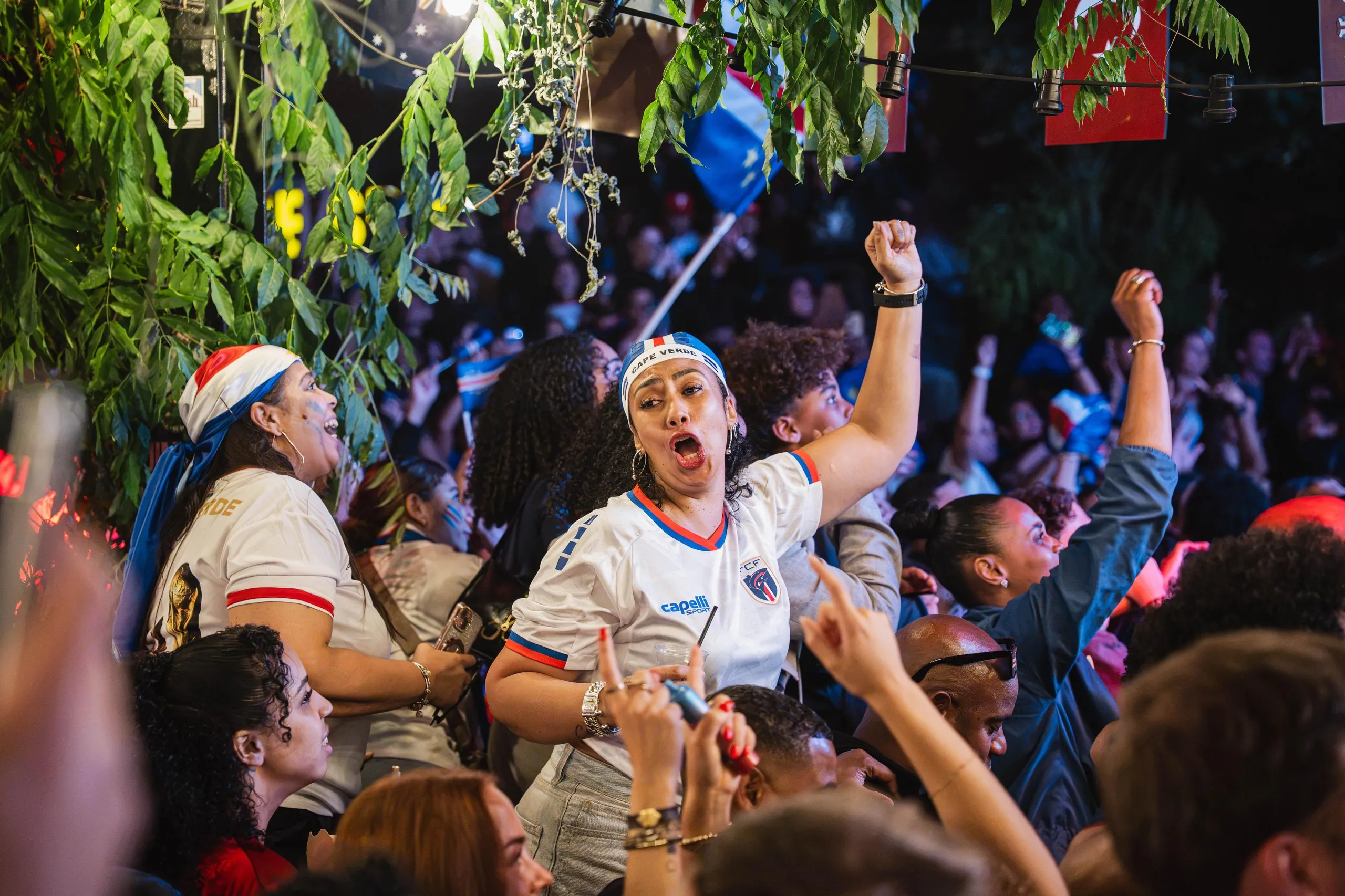
The eruption of celebration following Deroy Duarte’s equalizer goes far beyond mere joy; it’s a moment of disbelief, accompanied by the traditional drinks, grogue and pontche, flowing freely. However, when Lisandro Martínez regains the lead for Argentina, the emotional toll reflects how far Cape Verde has progressed.
The excitement reaches its zenith when Sidny Lopes Cabral, born in Rotterdam, skillfully curls the ball into the net from an almost impossible angle. For a brief moment, silence envelops the crowd. Then Cabral rushes to celebrate with his girlfriend in the stands, while Fortes is swept into a frenzy of jubilant supporters, known as the Blue Sharks, creating an unforgettable atmosphere.
As Diney Borges heads Argentina back in front, frustration grips the fans at Club Annabel. Although the smallest nation to reach the knockout phase of the World Cup feels disheartened against the reigning champions, Fortes expresses unabashed pride, a sentiment echoed by fellow supporters who, despite their exhaustion, applaud under the towering Rotterdam skyline.
Fortes and a small group of talented friends were trailblazers for Cape Verde’s representation on the international stage. Making his debut in 2014, Fortes has faced notable opponents, including Senegal’s Sadio Mané at the Africa Cup of Nations and a friendly victory against Portugal featuring a young Bernardo Silva.
His friend Tony Varela caught Cape Verde’s attention four years prior while the country sought talent abroad. Varela, now a coach at PSV’s academy and a former player for Sparta, reminisces about the past.
“For an away game in Africa, we’d sometimes fly all the way up to Europe and back down again, just to save on flights. Most of our players were playing in the islands’ own league. That has completely changed. Now they play in Europe. We have professional chefs, video analysts, everything.”
The term ‘legend’ may be overused, but Jerzy Rocha Livramento applies it without hesitation to Fortes and Varela. Known as Jerr, he is a dreadlocked rapper in Broederliefde, a prominent Dutch hip-hop group. “They brought us where we are now. Some had to buy their own plane tickets. They did it purely out of love for Cabo and we’re thankful for that.” he explains.
Jerr is also the brother and agent of Dailon Livramento, a striker whose four goals during qualifying propelled Cape Verde to their inaugural World Cup. Jerr reflects on his own football aspirations.
“In my head, I’m a footballer too,”
This journey holds profound significance for Cape Verdeans. “I still have nightmares about the youth coaches at Utrecht telling me I needed to lose weight. I was never meant to be an artist; it just happened. But nothing has ever come close to this, seeing us here.” Jerr notes. “Our parents came here in the 60s looking for a better life and the country they left is still lagging behind,”
“If you take on work there, you can’t even send an invoice by email. We all have families without proper doors and roofs on their houses. “Hopefully this brings more tourists, investors and prosperity. Not the players from Portugal or anywhere else, but the boys from Rotterdam made this happen. They gave something back after our parents left the country.”
After a night filled with embraces, tears, and warm goodbyes, Fortes heads home in the small hours of the morning, with a pre-season friendly against a local amateur team just 12 hours away.