


What a remarkable match, filled with dramatic moments, showcasing the tenacity and skill of Cape Verde, a small island nation with a diverse diaspora team, as they pushed Argentina to the edge of a monumental upset in Miami.
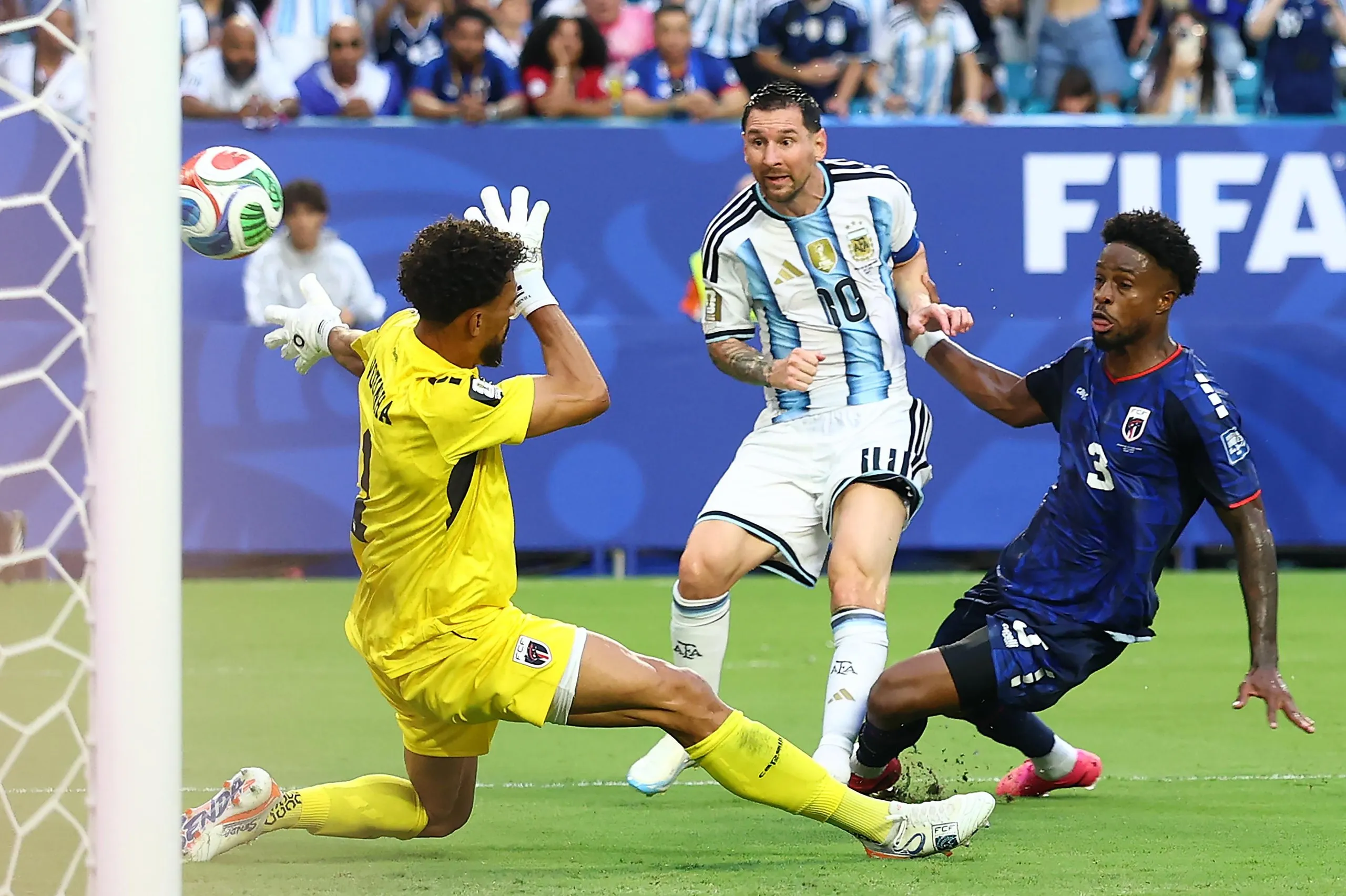
How can one encapsulate the essence of this encounter? Picture being overwhelmed for 120 minutes, first gradually and then more rapidly, with flashes of brilliance, shifting narratives, gripping subplots, and stark tonal contrasts, from the Messi-Vozinha duel to the exquisite cinematic artistry of Cape Verde’s second equalizer deep into extra time. It truly felt like that.
As the match concluded, the Argentinian players sank to their knees while the crowd erupted with a mix of relief, joy, and the familiar fervor of celebration. With a 3-2 victory, Argentina advanced to face Egypt in Atlanta. However, it was the Cape Verde players who captured the spotlight, wandering despondently at one end, still eager to play, yet eliminated from the World Cup after this exceptionally thrilling contest.
Arguably, the most extraordinary moment of this captivating game occurred when Cape Verde equalized. As extra time commenced with the score at 1-1, a sense of destiny lingered in the air. Just two minutes in, Argentina took the lead, with Lisandro Martínez seizing the ball from a corner, cutting inside, and firing high into the net. The stands erupted with cheers of relief and joy, affirming the narrative of Messi’s legacy.
But once again, Cape Verde refused to concede. They applied pressure, winning three corners in quick succession. Then, at the 102-minute mark, Sydney Lopes Cabral delivered a moment of brilliance, leveling the score at 2-2, a goal that evoked memories of iconic World Cup moments from the past.
Cabral received the ball wide on the left, cut inside, measured his steps, and unleashed a perfectly struck right-foot shot into the far corner, evading Emiliano Martínez. The ball seemed to linger in the humid Florida air, tracing a beautiful arc into the net.
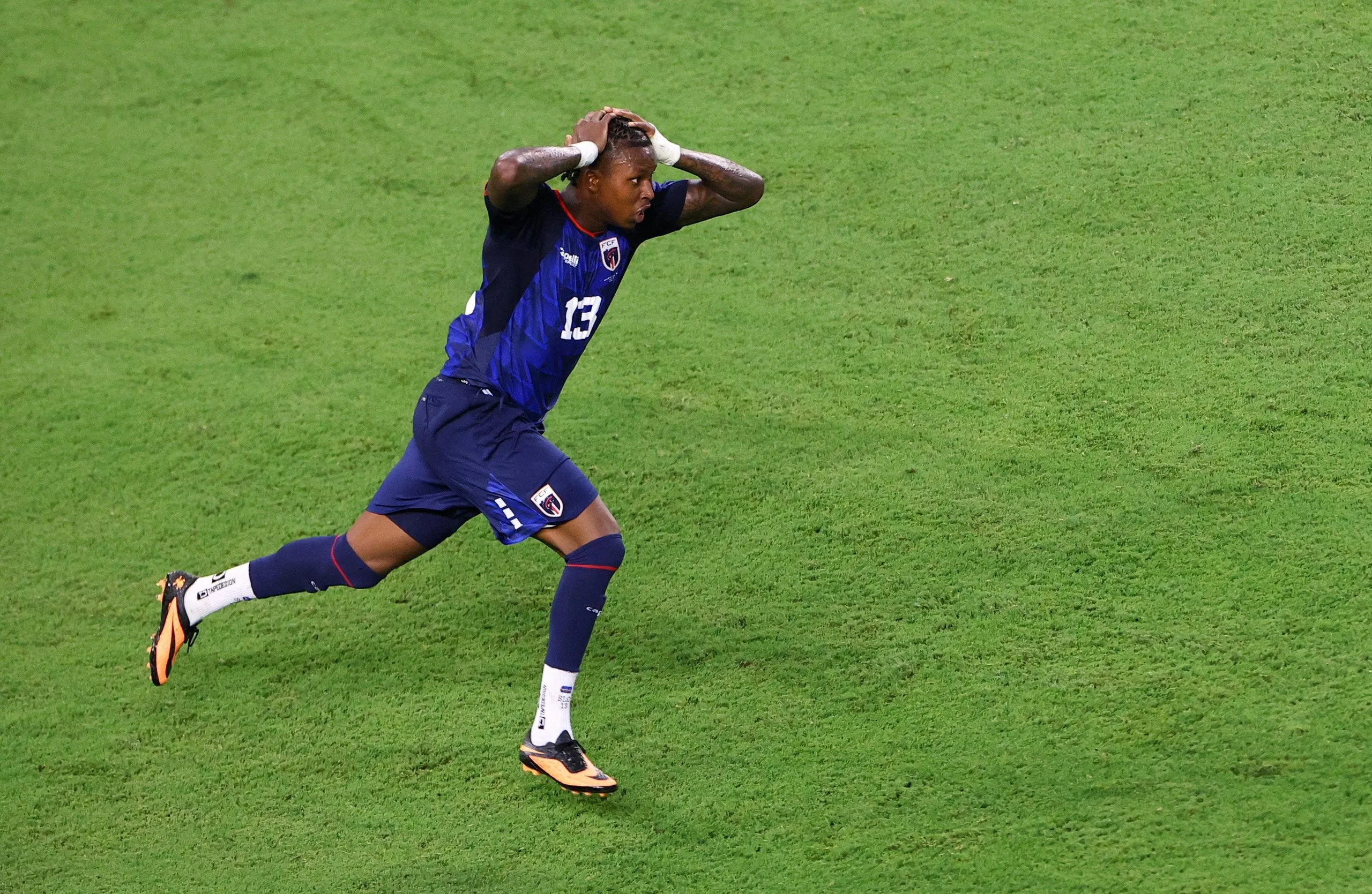
The stadium erupted in pockets of ecstatic disbelief, while other sections fell silent. Cabral sprinted off towards the touchline, leaving the pitch, vaulting some stairs, pausing briefly, then embracing what appeared to be his girlfriend, or at least someone eager to take on that role.
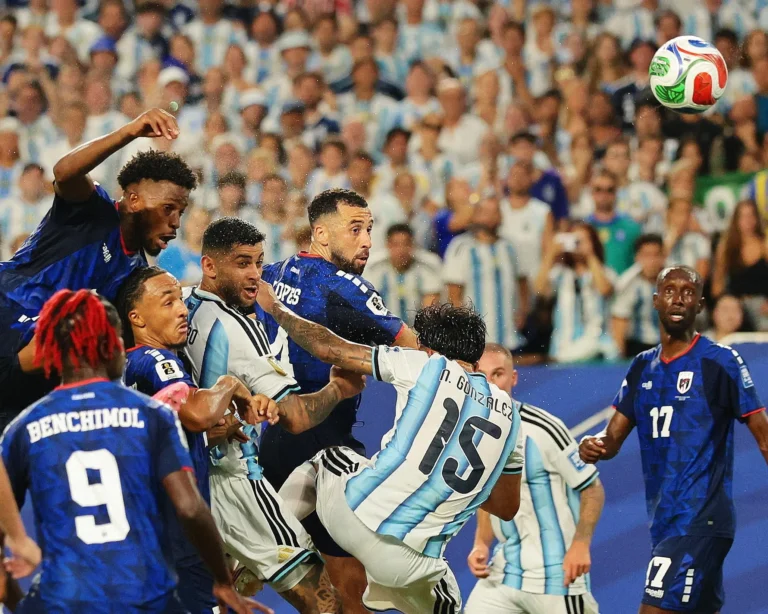
The Cape Verde players celebrated with energy and enthusiasm, even with 15 minutes still remaining. But it was Argentina that ultimately triumphed. At the 111-minute mark, Cristian Romero soared to head a corner from Lionel Messi down into the goal, with the ball deflecting off a defender and into the net.
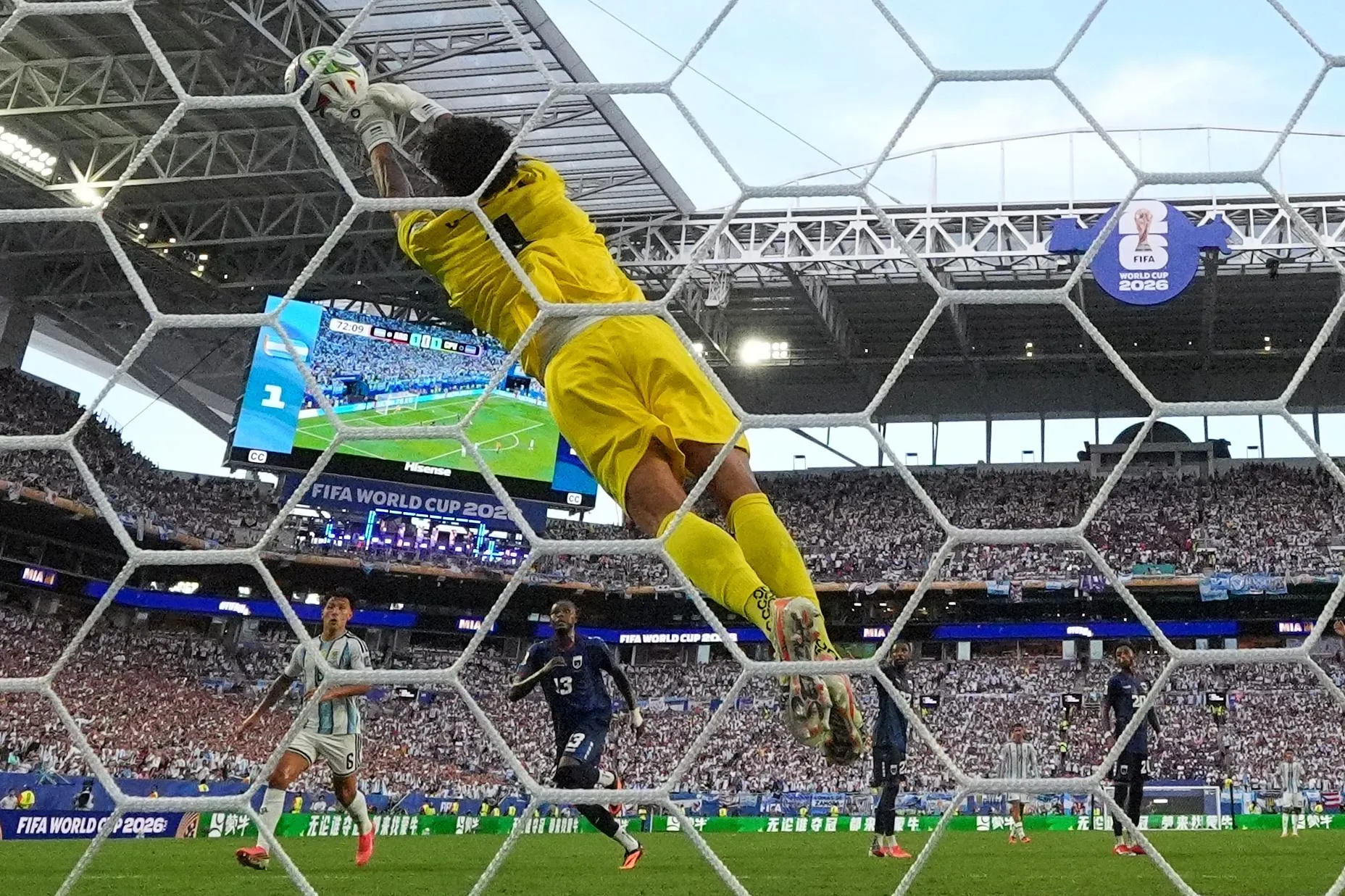
Yet, Cape Verde was not finished. They surged forward again, forcing Martínez into a remarkable save at the 116-minute mark and then another at his near post, before the referee blew the final whistle.
This encounter was truly a remarkable display of sportsmanship. For a time during the second half, it felt as though it had distilled into an epic showdown between two players: Messi, widely regarded as the greatest of all time, and Vozinha, the 40-year-old Cape Verde goalkeeper, who plays for Chaves in the Portuguese second division. Vozinha’s journey through the world of professional football has been one of passion rather than riches.
The Miami Stadium, a massive concrete structure with a tubular semi-roof and sprawling tarmac, buzzed with energy for hours before kickoff, as fans donned blue and white jerseys. Just last year, Miami hosted local Argentine fans for Boca Juniors during the Club World Cup, an event that felt like a national celebration. This match mirrored that atmosphere, with the stands filled with devoted supporters, the excitement palpable as the Miami dusk settled in.
Coach Lionel Scaloni deployed a traditional midfield trio of De Paul, Mac Allister, and Fernandes, with Lautaro Martínez stepping into the central attacking role, replacing Julián Alvarez.
Initially, nothing transpired for 14 minutes. Argentina maintained possession while the crowd sang their praises. Then, Messi made his first notable move, darting into a previously unseen space and shooting just past the far post. It felt like a brief glitch in the narrative.
Three minutes later, he curled a free-kick over the wall, landing in Vozinha’s arms as fans captured the moment on their phones. Then, with 28 minutes gone, the anticipated moment arrived. An excellent diagonal pass from Lisandro Martínez found Messi in stride. The crowd, wearing his name on at least 50,000 shirts, held its breath as Messi flickered into action, evading the retreating defense.
His touch to control the ball was strikingly sublime, effortlessly brilliant, just another example of Messi’s magic. He executed a back-spun half volley while on the run, maintaining his pace. From there, the finish was a matter of timing and angle. Messi chose to strike at the peak of the bounce, catching Vozinha off-guard, as the ball soared high into the net with apparent ease.
Vozinha has emerged as one of the standout personalities of this World Cup. At 40 years old, he has every reason to savor this moment. Midway through the tournament, he signed a deal to promote a video game platform backed by Cristiano Ronaldo, perhaps with this outcome in mind. A narrative involving Messi, Ronaldo, and Vozinha has unfolded.
After halftime, Cape Verde began to assert themselves, pressing higher and closing in on Argentina’s midfield, albeit leaving gaps in their own defense. They recorded their first shot on target with 53 minutes played, a period of sustained pressure culminating in a long-range effort from Deroy Duarte that forced a low save from Martínez.
Then, in the 59th minute, Cape Verde found their equalizer, exploiting some lax defending. Ryan Mendes, four years younger than Messi at 36, delivered a swift pass from the right, allowing Duarte to take two steps and blast a right-footed shot across Martínez into the far corner.
Suddenly, the corner flag became a hub of joy, with Cape Verdean fans moved to tears in the stands. The atmosphere was electric as they stood on the brink of what would be one of the greatest upsets in World Cup history. This is a nation that joined FIFA in 1986, facing off against three-time champions led by Messi.
Argentina continued to attack, bringing on more forwards and launching balls into the box for Vozinha to fend off. As the final moments played out, Cape Verde could hold their heads high after a remarkable tournament.
In many ways, they embody this World Cup, a reflection of shifting dynamics and postcolonial realignment. The majority of the team is made up of players from the diaspora. What is Cape Verde, after all? An archipelago with a population of 600,000, historically a trading post passed between colonial powers, with communities scattered across the US, the Netherlands, and France. Football has served as a means to reconnect these disparate parts of the nation.
Argentina now faces a tight schedule, with only four days to recuperate before their next match. Messi played the full 120 minutes in the oppressive humidity, experiencing his least impactful game of the tournament. The team showed signs of vulnerability in this encounter.
- World Cup 2026
- Argentina
- Cape Verde
- World Cup
- match reports