


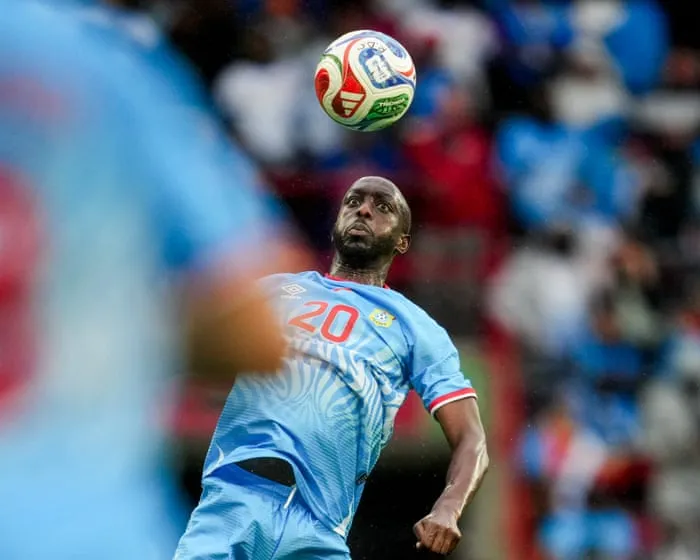
This article is part of the 2026 World Cup Experts’ Network, a collaboration among leading media outlets from the 48 nations that qualified for the tournament. Starting June 11, will feature previews from three countries each day as the kickoff approaches.
The Strategy
The transformation of the Democratic Republic of the Congo (DRC) national team under coach Sébastien Desabre can be encapsulated by a significant statement he shared in an interview: “Discipline must begin on the pitch.” The French coach has instilled a sense of order in a squad previously known for its unpredictability and disorder. Desabre’s role transcends that of a conventional coach, as he adopts a managerial style reminiscent of English football, focusing closely on various aspects, including defensive strategies and communication within the federation. The early results have been promising.
Initially implementing a 4-2-3-1 formation upon his appointment in 2022, Desabre has progressively adjusted his tactical framework. Currently, the DRC predominantly employs a compact 4-1-4-1 setup, featuring a deep-lying midfielder alongside two dynamic No. 8s tasked with pressing and advancing the play, while a diligent forward, typically Cédric Bakambu, stretches opposing defenses with his movement.
The Leopards are also adept at transitioning to a back three, a system they effectively utilized during qualifying matches against Togo and South Sudan. With ball-playing defenders like Axel Tuanzebe and Chancel Mbemba, complemented by wing-backs such as Arthur Masuaku and Aaron Wan-Bissaka, this formation enables a more aggressive style of play.
Despite some criticisms regarding the attacking phase—where the DRC often struggles to dominate play or create scoring opportunities—the defense has become notably resilient. Under Desabre’s leadership, their entire squad has managed to avoid losing by more than a single goal. This tenacity was evident during qualification, highlighted by a late elimination of Cameroon, a penalty shootout victory over Nigeria, and an extra-time win against Jamaica. While the performances may not have been consistently convincing, the mental strength of the team is undeniable.
The Coach
Affectionately called “Tatu Seba” by local fans, Sébastien Desabre joined the DRC in 2022, bringing with him a wealth of experience from various African football leagues, including Uganda, Egypt, Morocco, Tunisia, Angola, Côte d’Ivoire, and Cameroon. Leaving Ligue 2 behind, he embraced the challenge of managing one of the continent’s most gifted yet structurally intricate football nations. After qualifying, he remarked, “DR Congo is a true football country. People love their national team and take pride in it.” Desabre’s pragmatic approach prioritizes continuity and stability. Veteran striker Cédric Bakambu acknowledges that Desabre has finally provided the Leopards with “a framework.” More crucially, he has fostered a united squad with a clear collective identity, something that had been absent for years.
Star Player
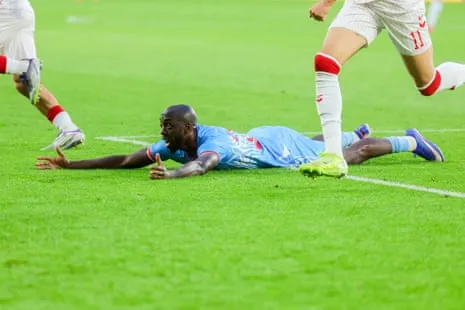
After missing the Africa Cup of Nations to regain fitness following a knee injury, Yoane Wissa is set to enter the World Cup amid high expectations. Known as “Kovo” (“the bald one”) among Congolese fans, the Newcastle forward made history as the first player from the DRC to score over ten Premier League goals in a single season during his tenure at Brentford. Typically deployed on the left flank for the national team, Wissa is noted for his speed, intelligent movement, and relentless pressing. Although his debut season at Newcastle was marred by injuries, when fully fit, he remains the Leopards’ most potent attacking threat and the team’s standout international star.
One to Watch
Ngal’ayel Mukau possesses an unusually graceful playing style. Tall and technically gifted, the Lille midfielder navigates matches with a unique calmness that is rare for someone just 21 years old. He excels at regaining possession, escaping pressure, advancing the ball, and accelerating attacks. Despite Belgium’s efforts to retain him, Mukau committed early to the DRC, joining several promising Belgian-Congolese talents who are helping to reshape the national team’s future. Already attracting interest from clubs like Barcelona, Mukau has the potential to emerge as one of Africa’s breakout midfielders during this tournament.
Unsung Hero
While he doesn’t often find the net or provide assists, Samuel Moutoussamy is arguably one of the most crucial players in the squad. The midfielder acts as the driving force behind Sébastien Desabre’s system: pressing, intercepting, covering spaces, and recycling possession with exceptional discipline. Not flashy but incredibly reliable, Moutoussamy sets the emotional tone for the team through his intensity and dedication. “We’ll leave our souls on the pitch,” he expressed in an interview with Leopardsfoot ahead of the playoff against Jamaica. “We can’t play with fear.” This mentality perfectly embodies the spirit of the Congolese side: resilient, combative, and emotionally charged.
Probable Starting XI
What to Expect from Fans at Games
Even prior to the recent Ebola outbreak, traveling to the U.S. posed significant challenges for many Congolese supporters due to visa restrictions and financial hurdles. Consequently, the team will heavily rely on its diaspora, particularly in Texas and throughout North America. Fortunately for the Leopards, Congolese fans are renowned across Africa for their ability to create an electric atmosphere wherever they go. Expect vibrant dancing, singing, elaborate outfits, painted faces, and boundless energy. The football culture in Congo is deeply intertwined with music and celebration, with supporters celebrated for their humor and entertainment. The famous superfan “Lumumba Vea,” known for his iconic pose of standing still with one arm raised for 90 minutes in tribute to Patrice Lumumba, saw his visa application for Mexico rejected in March but remains hopeful for a successful trip following government intervention.
Relations with the US
The relationship is currently positive, largely due to the Trump administration’s efforts, albeit with mixed results, to position itself as a mediator in the ongoing conflict in eastern Congo. In exchange, the U.S. has shown an increasing interest in accessing Congo’s vast mineral resources, a strategy described as “peace in exchange for extraction.” During the National Prayer Breakfast in Washington in February, Donald Trump referred to President Félix Tshisekedi as “a courageous and wonderful man” while lauding the economic prospects Congo offers. While the relationship is primarily pragmatic rather than emotional, ordinary Congolese fans still face significant challenges when attempting to secure U.S. visas for the World Cup.