


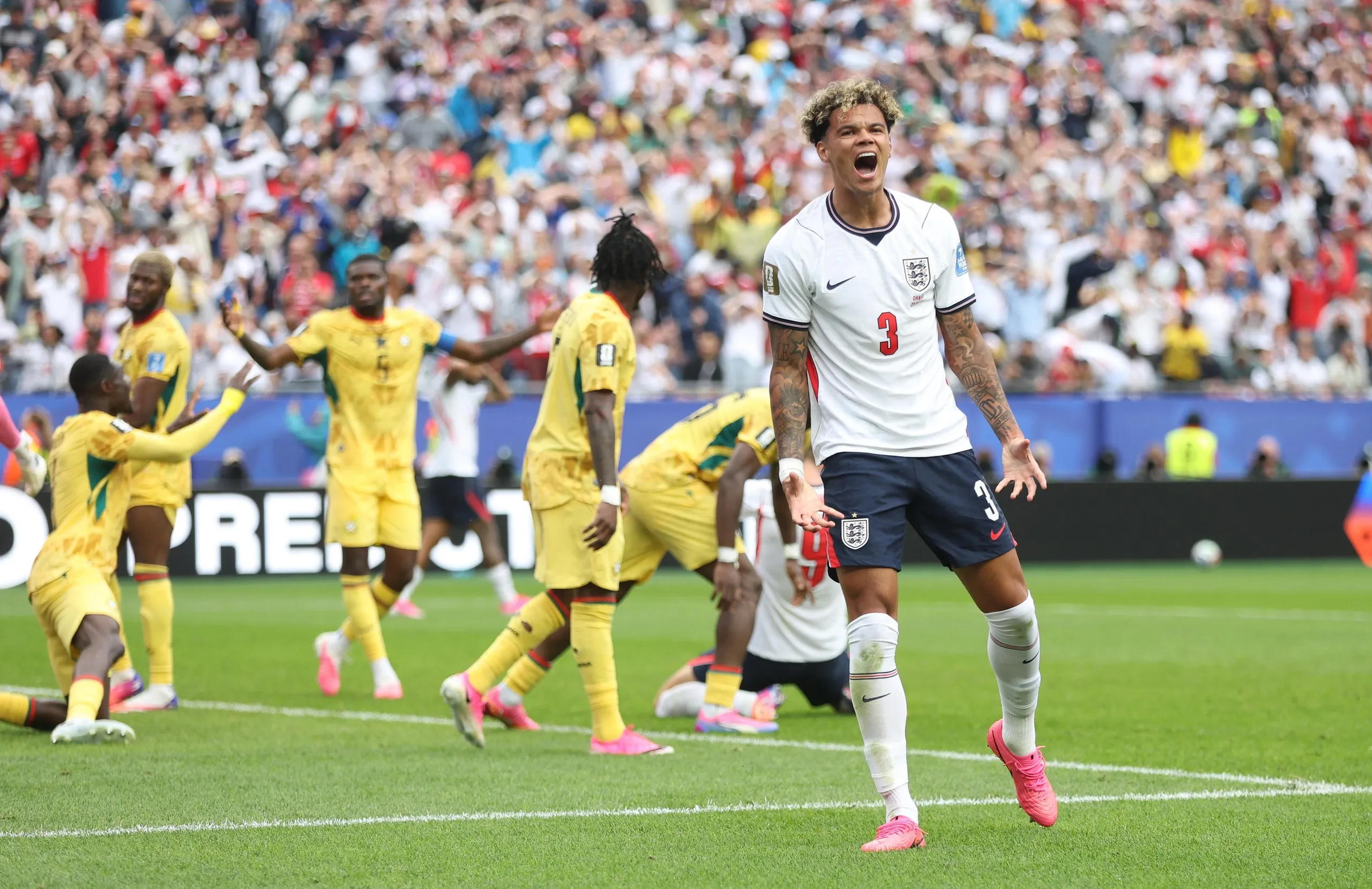
England’s recent goalless encounter with Ghana echoed numerous challenges encountered throughout my coaching experience, especially when facing a team that is not only compact but also well-organized defensively. To penetrate such defenses, it is essential to adopt a more diverse approach, exhibit improved movement, and most importantly, play with a sense of urgency. Unfortunately, England took too long to inject that urgency into their game.
They can anticipate a similarly resilient defensive strategy from Panama in their upcoming match. In preparation for this crucial group stage clash, England has likely focused on the essential tactics required to break through a low block.
A pertinent example can be seen in Paris Saint-Germain’s equalizer against Arsenal during this year’s men’s Champions League final, where Arsenal found themselves entrenched in their half after halftime, and PSG expertly squeezed the life out of them.
Creating urgency is crucial, but it must be balanced with patience. PSG’s penalty during that match was not the result of blindly sending the ball into the box; rather, it stemmed from a well-executed give-and-go near the penalty area.
Such a patient, methodical strategy may be perplexing to some. Sending crosses against a backline that features five defenders closely positioned is incredibly challenging. As a coach, it’s imperative to encourage players to generate chaos on the field while maintaining both urgency and composure.
Players should emulate the intensity of a final minutes’ push much earlier in the game, and it was evident that England struggled to achieve this during their match on Wednesday. Thomas Tuchel’s frustration was palpable as he observed a lack of movement; England’s performance appeared rather static.
Should a similar scenario arise in a knockout stage match, I envision the team utilizing full-backs as wingers to add numbers going forward, possibly introducing a second striker, transitioning to a 3-5-2 formation, and ensuring that two attacking No. 10s are present on the pitch. There are various methods to adapt. Nonetheless, credit must be given to Ghana for their performance.
Ghana matched England in one-on-one situations, showcasing aggression in their duels. They also effectively countered the press-baiting tactics typically employed by England under Tuchel. Notably, Ghana’s wide players refrained from committing forward, which made it challenging for England to exploit spaces.
In this tactical context, England’s decision to deploy a right-footed player, Djed Spence, as a left-back was less than ideal. The team aimed to shift play to Noni Madueke, who was positioned on the opposite flank, but their pivot, Elliot Anderson, was consistently marked. This restriction hindered their ability to switch play efficiently, often forcing them to revert to their center-backs.
Moreover, England lacked sufficient runners in the half-spaces and did not create enough opposite movements to stretch Ghana’s defense or offer short options. Consequently, their play became increasingly predictable.
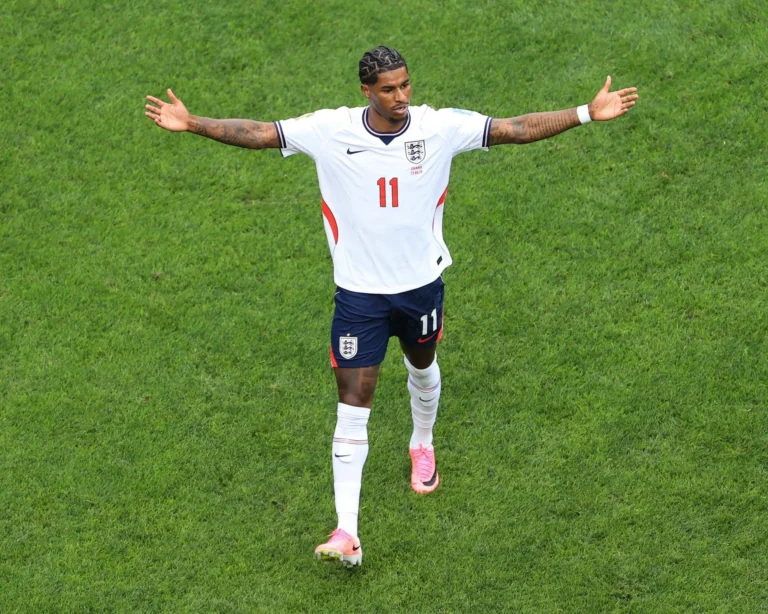
I would have opted to start Nico O’Reilly, as his ability to deliver varied crosses from deeper positions, coupled with intelligent runs, could have made a difference—evidenced by his late headed opportunity. Additionally, the introduction of Marcus Rashford should have occurred sooner; the match called for a player capable of daring one-on-one confrontations.
These are the types of matches where a spark of brilliance is essential—similar to the moments we’ve witnessed from Kylian Mbappé and Lionel Messi throughout this tournament. England, unfortunately, did not uncover such a moment. While the performance left room for improvement, it’s crucial to remember that England remains in a strong position within their group.
It’s vital to avoid overreacting. As a nation, we tend to oscillate between extremes; one victory leads to proclamations of being “we’re dead certs to win the World Cup” while a draw prompts fears of failure.
We must maintain emotional control and recognize that facing Ghana undoubtedly represented the most challenging match within the group. Ghana rightfully earned their point.
Tuchel is likely reflecting on the fact that “we’ve got four points in the bag” That’s simply the way coaches think. Remember, Spain and Portugal also drew their opening matches; such outcomes are not uncommon. Maintaining composure is crucial.
The primary objective is to progress beyond the group stage, with the secondary goal of securing the top spot. Are England on track to achieve that? Certainly. The players and manager have navigated similar challenges before. Staying calm is essential.
After two matches, we’ve gleaned insights about the team’s performance against a direct opponent like Croatia, and we’ve recognized the need to refine details against teams that employ low-block tactics. I would rather identify these areas for improvement now than during the knockout rounds.
Facing Panama presents England with an ideal opportunity to build on their recent experiences. Sometimes, the best next match is one that closely resembles the previous challenge.
The encouraging aspect is that England displayed composure towards the end of the game, evident in their body language, demeanor, and statements. The presence of experienced players in the squad is invaluable, and this was clearly noticeable.
Senior players, who have participated in enough major tournaments to understand the dynamics, will play a pivotal role in maintaining calm within the camp.
Without that experience, it’s easy to become swept up in the emotional rollercoaster: one day proclaiming “we’re the best team in the world” and the next lamenting “we’re terrible.” Their responsibility is to remain unfazed by public sentiment.
Fans are entitled to their views, but competing in significant tournaments is a marathon, not a sprint. Composure is key. The question now is whether the team can elevate their performance levels. I anticipate they will be prepared.
- England
- World Cup 2026
- World Cup
- Football tactics
- comment