


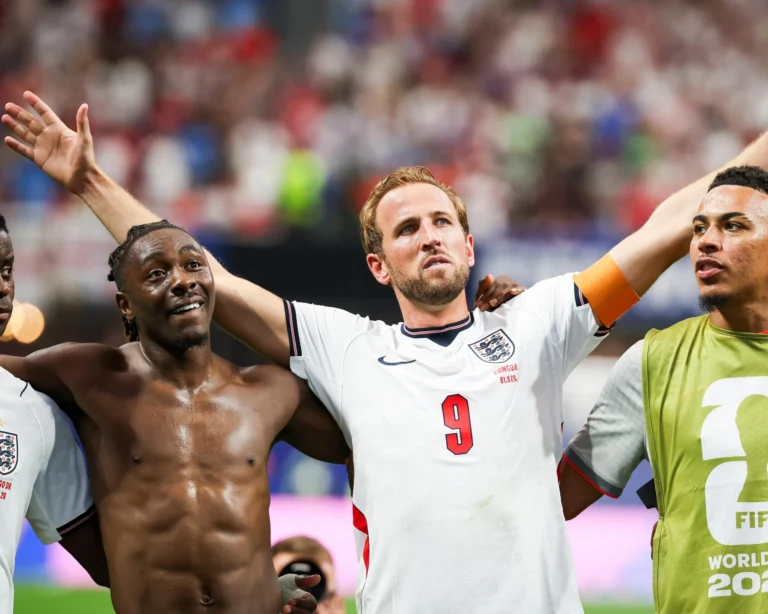
Nausea, cramps, and shortness of breath—these have been the physical challenges for fans watching England at this World Cup. The time zone differences have left viewers feeling fatigued, as they oscillate between excitement and disappointment during matches played in Boston, New York, and Atlanta.
As England prepares to confront the altitude of Mexico City and the energy of the Azteca Stadium, they must navigate a critical last-16 game. This match carries a significance that transcends sport, embodying an emotional weight that feels monumental.
The journey for England in this World Cup has been a winding road. Over the past 23 days and four matches, the tournament has felt both endlessly drawn out and yet fleeting, leading fans to ponder a time before it began.
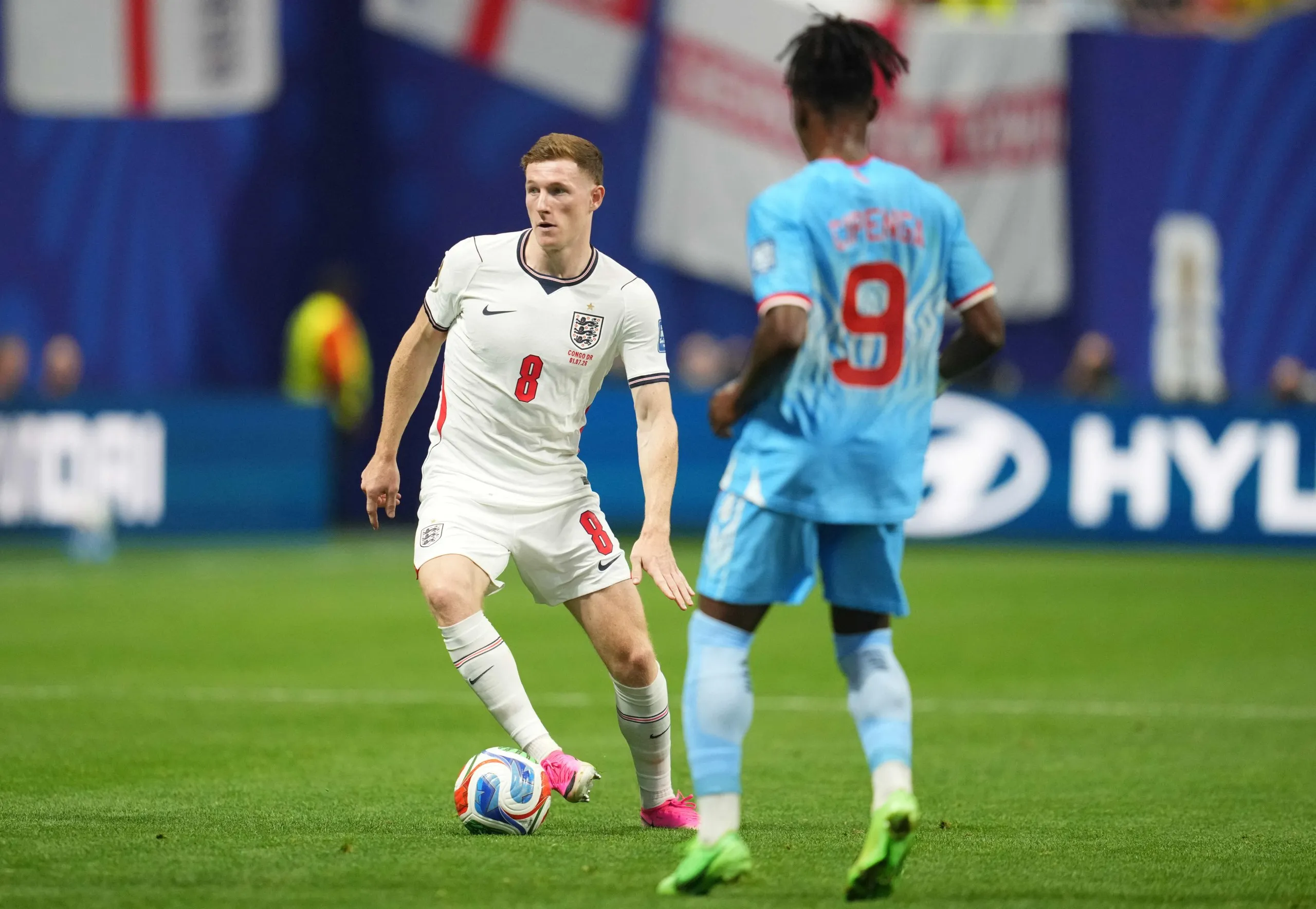
In various encounters, England has faced mixed fortunes. Croatia physically dominated them, Ghana posed challenges, and Panama inflicted a painful defeat. The Democratic Republic of the Congo (DRC) showcased a fearless performance, leaving spectators to wonder when England would truly find their rhythm and perform at the required level.
Tomorrow at the Azteca promises to be a grand spectacle. The atmosphere will be electrifying, with memories of past World Cup legends lingering in the air. However, for the current England squad, this match also presents a fragmented challenge, where the primary objective is simply to secure a win, regardless of how it unfolds.
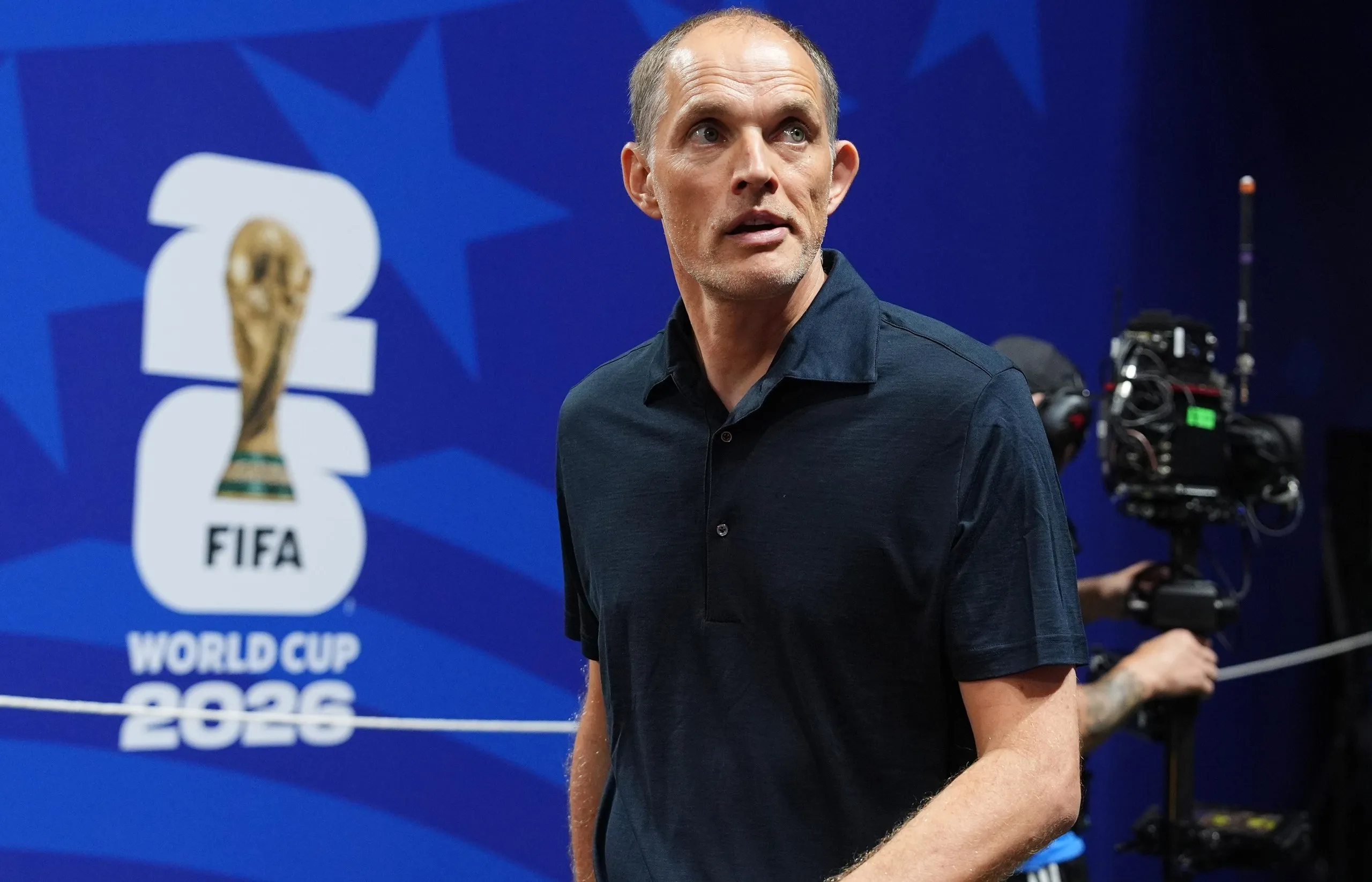
Thomas Tuchel’s team has been scrutinized through these four matches in the United States. The flaws are becoming evident, with signs of discord and unresolved issues surfacing. During the first half against the DRC, England appeared disjointed, struggling with possession and finding themselves outnumbered in critical areas.
There are numerous uncertainties, with broken connections and unanswered questions. Tuchel seems unsure about his wide attackers, and the full-backs appear exposed. Goalkeeper Jordan Pickford has exhibited signs of distress, moving erratically within his penalty area as if unsettled.
Finding solutions to these problems seems urgent, yet the upcoming match doesn’t allow for that. England will arrive in Mexico under challenging conditions—too close to the match to acclimate to the high altitude and too far from home to adjust comfortably. They will be greeted by a nation eager to disrupt their focus and rest.
Maintaining composure and avoiding the cultural shock will be essential for any chance at victory. The focus should not be on recalibrating tactics but rather on surviving the contest. Sometimes, World Cups unfold while teams are preoccupied with their plans.
Amidst these challenges, a significant development has emerged. A solid foundation has been established, which could play a crucial role in the outcome. This situation ultimately revolves around Tuchel.
On this occasion, it is not about the surprising interest in his unique appeal, but rather about his role in managing this team. Whatever happens in this World Cup, Tuchel seems secure in his position—something that was uncertain just a short while ago.
The Football Association’s choice to appoint Tuchel raised eyebrows from the start. Did they fully grasp the implications of this decision? Despite Tuchel embracing the intensity of tournament football, it has always felt like an unusual match.
Many believed he was a specialist in knockout tournaments, especially after his impressive Champions League victory with Chelsea. However, he has also experienced as many defeats as triumphs in finals. He is not a coach known for improvisation; he focuses on processes and team-building, which may be at odds with the unpredictable nature of international competition.
In this context, the previously touted mission statement—win the World Cup or face dire consequences—seems misguided. The expectation was to enhance Gareth Southgate’s successful team with some tactical tweaks. Yet, winning the World Cup is not a guarantee; it is one of the most challenging feats in sports.
Football doesn’t operate on such straightforward principles. Teams are complex, and you cannot merely refine what you inherit without major adjustments. Every elite coach must cultivate their own squad, establish a unique tactical environment, and create an emotional landscape tailored to their vision.
Adding to the complexity, Tuchel has seen key players like Kyle Walker, Harry Maguire, Kieran Trippier, Jack Grealish, Cole Palmer, and Phil Foden sidelined due to various issues. The remaining core, including Declan Rice and Bukayo Saka, is struggling with fitness. This represents a significant loss for a team that once thrived under Gareth Southgate.
With only 18 months under his belt, Tuchel has not had the luxury of building a cohesive team through consistent matches. The current squad reflects the challenges he has faced.
Despite the promise of a wealth of attacking talent, England’s primary wide players at this World Cup have included Noni Madueke, Anthony Gordon, and a perhaps-resurgent Marcus Rashford. The midfield continues to lack a solid defensive anchor, with Elliot Anderson being thrust into a pivotal role as he attempts to manage the demands of a World Cup team.
The DRC provided a valuable lesson; they are a well-drilled squad with experience from multiple qualifying rounds. Their cohesion and familiarity surpassed mere hope and improvisation.
This upcoming match offers a glimmer of freedom for England. A loss would be seen as a significant underachievement, but the circumstances may afford Tuchel some leeway. The Football Association is unlikely to find a more qualified candidate with two years until the next Euros, which will serve as a true test of Tuchel’s capabilities.
This does not absolve him from scrutiny. A loss would cast doubt over his decisions. The squad composition raises eyebrows, with the omission of players like Foden and Palmer based on merit and fitness. Meanwhile, Jordan Henderson’s role as emotional support remains perplexing.
Tuchel must also address the absence of Trent Alexander-Arnold, as logic does not seem to justify it. There is room for improvement in the defense, and Tuchel will need to confront these issues, especially if the team faces defeat.
On a positive note, England might discover a clearer tactical direction. Their setup promotes speed and quick transitions, which could be advantageous if Mexico opts for an attacking approach. This could provide the necessary space to execute their game plan.
However, the priority remains to navigate this match successfully. England needs to adapt to the high-altitude conditions, allowing the atmosphere and energy to unsettle their opponents. For now, pragmatism is key: focusing on set pieces, utilizing Harry Kane, and surviving until the final whistle.
- World Cup 2026
- England
- Thomas Tuchel
- World Cup
- features