


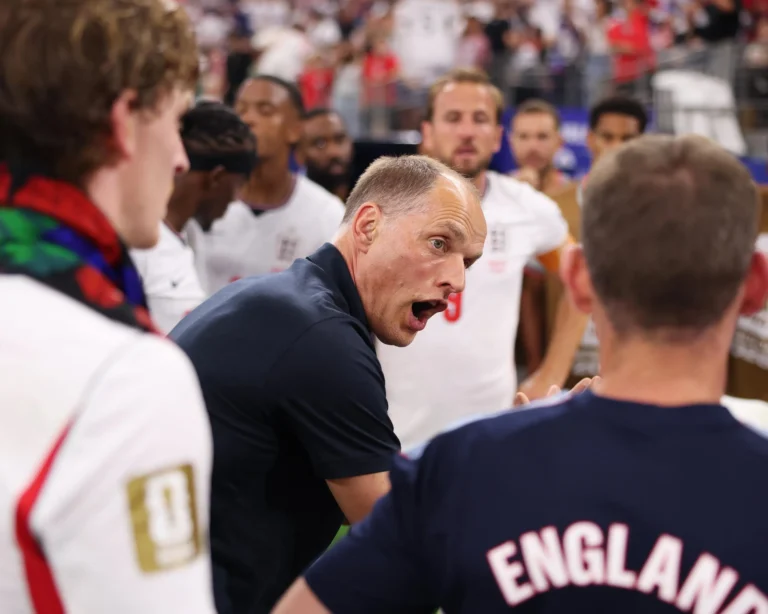
As the evening heat enveloped Dallas Stadium, one could only imagine the atmosphere in England’s locker room three hours prior, with a 2-2 scoreline at halftime against a spirited Croatia. Thomas Tuchel’s squad appeared to be on the brink of succumbing to a familiar pattern of anxiety and stagnation.
What transformation occurred during that break? Did the players conduct some sort of ritual? Perhaps Tuchel calmly articulated a detailed tactical plan while dramatically discarding an effigy of Gareth Southgate, inviting his team to symbolically demolish it, allowing their past concerns to scatter like confetti across the dressing room floor, marking a significant departure from their former identity?
In American World Cup histories, second chances are rare—unless, of course, a manager can inspire a shift in momentum after a lackluster first half where England’s play was mechanical and episodic. They seemed trapped in outdated habits, merely executing plays between corner kicks.
The second half cannot simply be viewed as a shedding of the Southgate influence. At some point, reliance on a process must yield to a more aggressive approach. In Dallas, England metaphorically incinerated its past self. But will this new style endure, and where might it lead them in the upcoming matches over the next five weeks?
Perhaps the most remarkable aspect was the palpable sense of an era transitioning in real time. While the first half echoed the less flattering aspects of Southgate’s tenure, the latter half was a display of Tuchel’s vision for England: a team that believes in its capacity to seize control and actively pursue victory rather than waiting for opponents to falter.
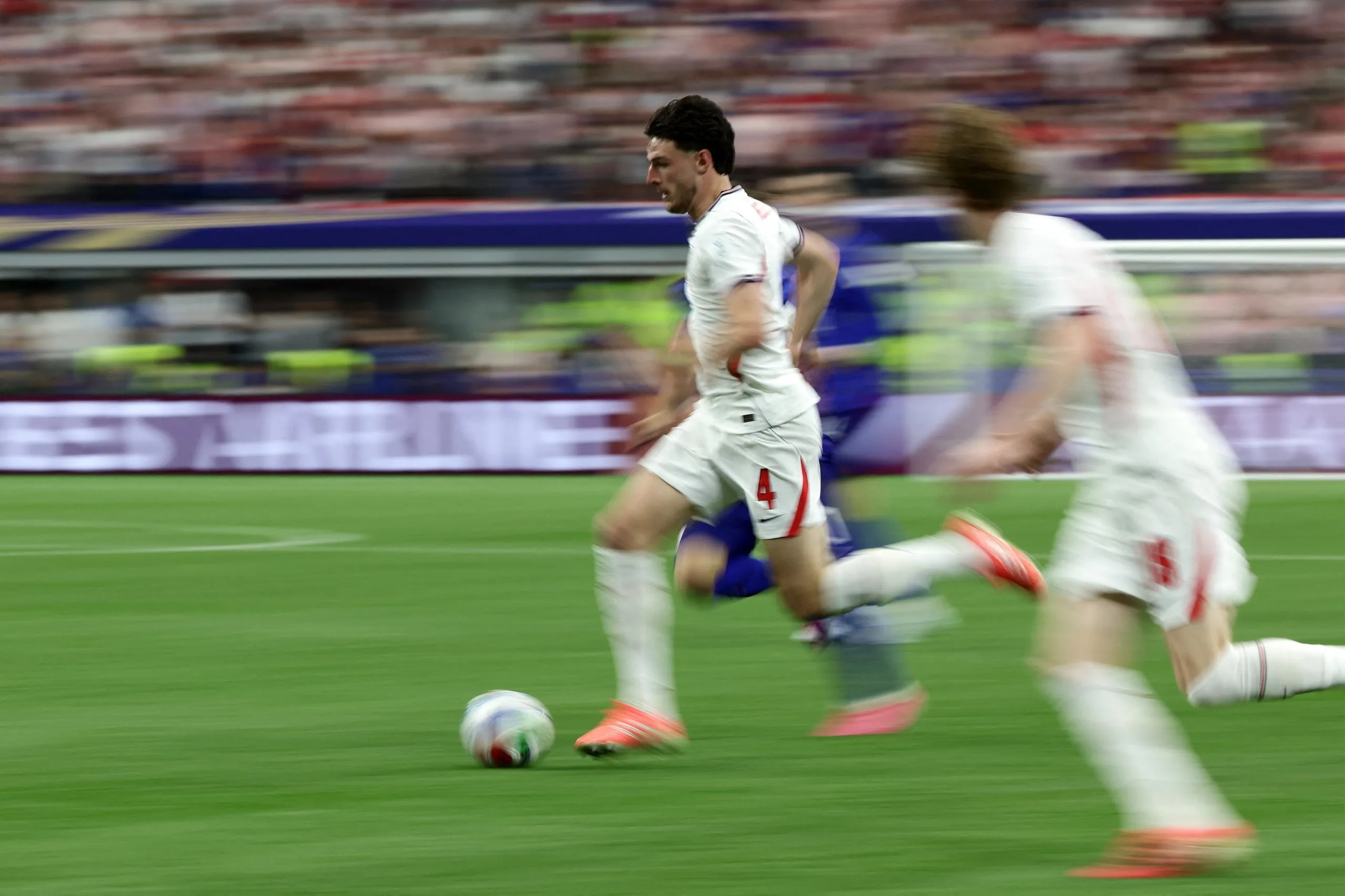
This marked a genuine departure from the typical narrative of England’s performances, which often sees them fade under pressure. Instead, their energy surged as the match unfolded. They registered 22 shots, with three-quarters occurring in the second half. In their previous tournament opener, a mere 1-0 win against Serbia, they managed only four shots throughout the match, appearing as if they were encased in a Victorian diving suit while trying to sprint a marathon.
No reasonable observer would claim that England is poised to win the World Cup, nor did they seem in Dallas like a team that could easily triumph. Yet, there were positive signs. They encountered a credible opponent and emerged victorious—a notable achievement in the Tuchel era. Key players made significant contributions, with Marcus Rashford, an impactful substitute, displaying confidence that was troubling for the aging defenders.
Furthermore, despite Southgate’s cultural legacy, the match offered a glimpse of what a tactically astute manager could do with this squad. Much discussion will center around the ‘Surge’—the phase after halftime when England overwhelmed Croatia, as their midfield pressed higher and executed more aggressive and precise vertical passes.
Tuchel remarked on the enjoyment England’s supporters derived from this performance, highlighting the connection between fans and the way they want their team to play. The Surge wasn’t merely about casual pub football; it felt electric, more akin to a pre-match celebration filled with anticipation.
While it has been noted that England resembled a Premier League team, their style echoed that of the 2000s, characterized by raw energy and relentless drive. This approach does not guarantee success against elite teams, but the potential for overwhelming opponents exists. The team possesses the capacity to strike hard, sending a message to rivals that while they may have opportunities to exploit weaknesses, they too will face repercussions.

Tuchel’s substitutions reflected this progressive mindset. With England leading 3-2, conventional wisdom would suggest a defensive approach. However, instead of opting for Jordan Henderson, who serves as a midfield anchor, Tuchel introduced three attacking players and adjusted his tactics as the midfield began to show vulnerabilities.
It’s also essential to acknowledge the positive elements from the first half. England’s set-piece execution proved to be a notable strength, and they could have easily netted two more goals from corners. The first-half penalty was a testament to Tuchel’s selection strategy, with an agile player outmaneuvering an aging defender. While England may lack finesse, they can still pose significant challenges for their opponents.
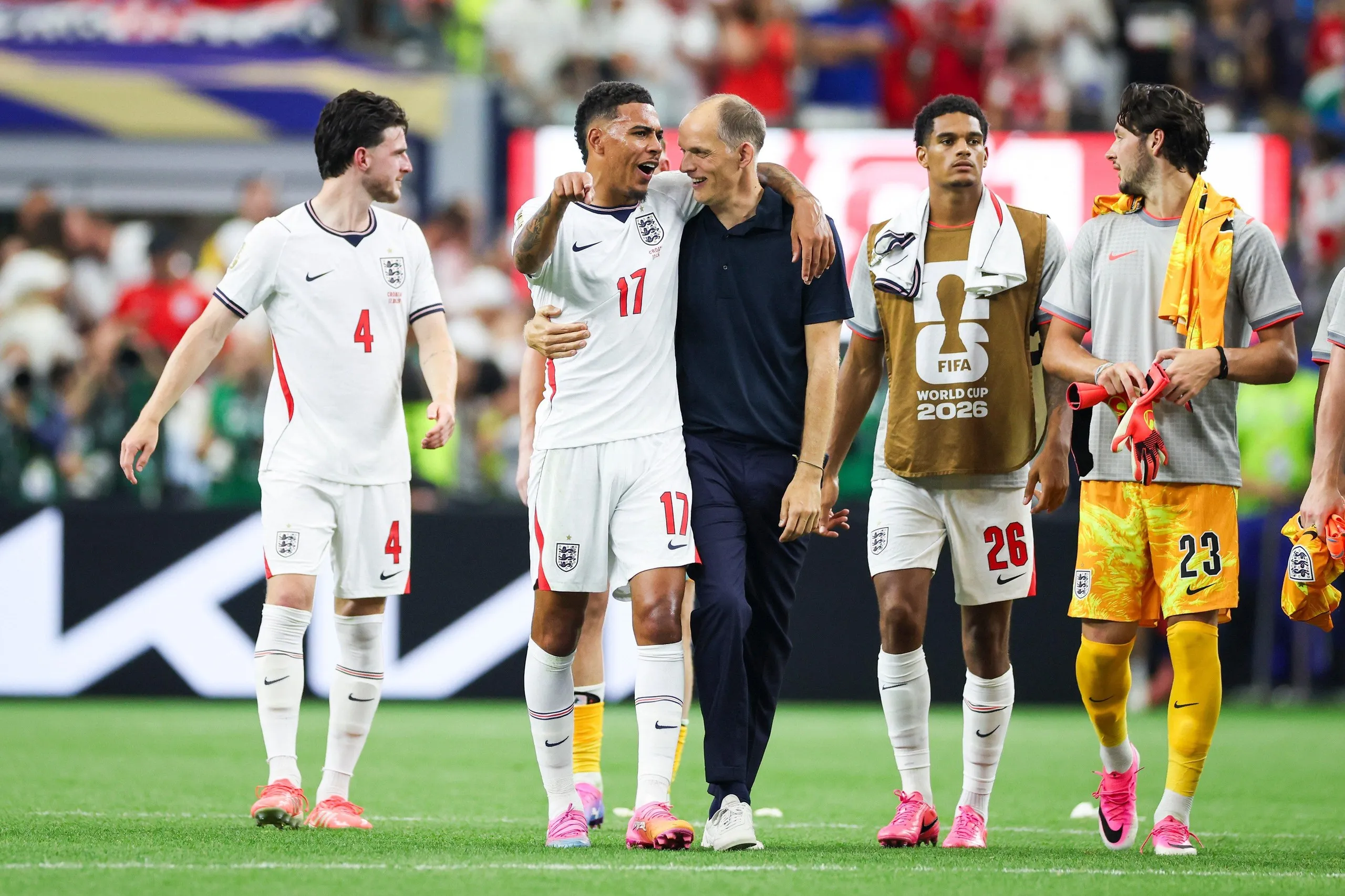
Tuchel’s post-match assessment was equally revealing, as he playfully critiqued Jude Bellingham, despite his impressive performance. “He has learned to be a team player,” Tuchel quipped, a humorous remark designed to keep Bellingham motivated. This approach seems beneficial.
Tuchel also demonstrated a willingness to be candid during the halftime discussions, showing that he is unafraid of ruffling feathers and does not adhere to traditional norms of deference.
His management style is refreshingly direct, reminiscent of a stern yet supportive figure who encourages players while dismissing any signs of doubt or hesitation. This assertiveness is a significant advantage for a team that had previously become overly restrained.
Nonetheless, England has areas to improve. Luka Modric, now more seasoned, performed well, but England’s midfield remains a concern. The spacing was inadequate in the first half, and Declan Rice is dealing with an injury. Midfield control is crucial in knockout football, especially when managing the game’s tempo. Can this team adapt accordingly?
The defense also appears to be lacking sharpness. Although England’s starting lineup aligns with Tuchel’s emphasis on energy and speed, it feels somewhat underwhelming on paper. Fortunately, the trio on the front line boasts a combined 85 goals, though Harry Kane accounts for 81 of those. This strategy must deliver results for Tuchel.
On a positive note, Kane seemed comfortable in the system, benefiting from the movement of his teammates and the space to drop back when necessary. His retaken penalty also signaled a shift in the match’s dynamics. There are no second chances in American competitions, except when a goalkeeper has encroached. The retake was executed perfectly—Kane powered it into the net.
What does this all mean for the long haul? England historically struggles to start strong, even in favorable tournaments. We recall their last-minute victory over Tunisia on the banks of the Volga, or the unremarkable 1-1 draw against Ireland in 1990, which was painfully lackluster.
There’s still a long path ahead. A successful campaign cannot be built on a fleeting 10-minute burst in mid-June. However, something felt different this time, and Tuchel represents a significant asset in this regard, offering a refreshing alternative to the more cautious tactical approaches of the past. Regardless of what lies ahead, this feels like a step forward. England is now embracing a more entertaining style of play.