


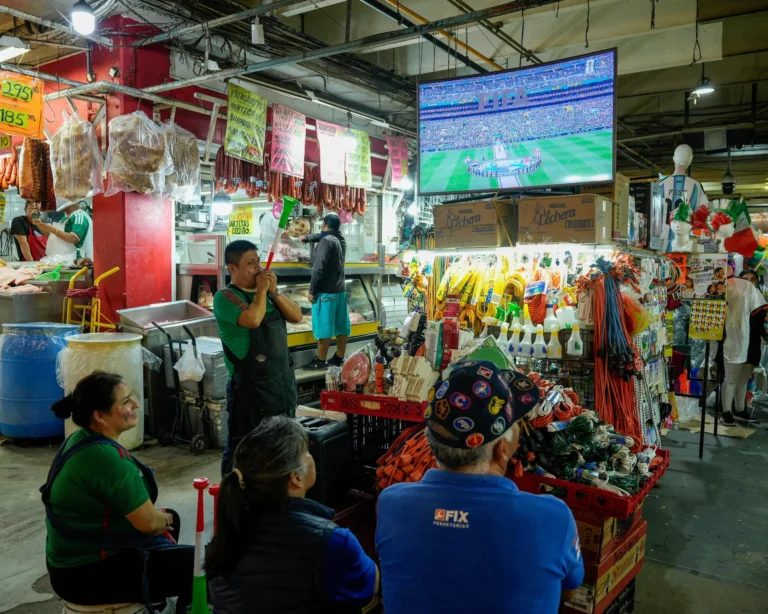
At some point during the match between the Netherlands and Japan, I drifted off to sleep. The day had been sweltering by the shores of Lake Annecy, a heavy warmth that seemed to drain all vitality from me, akin to squeezing air from a juice carton.
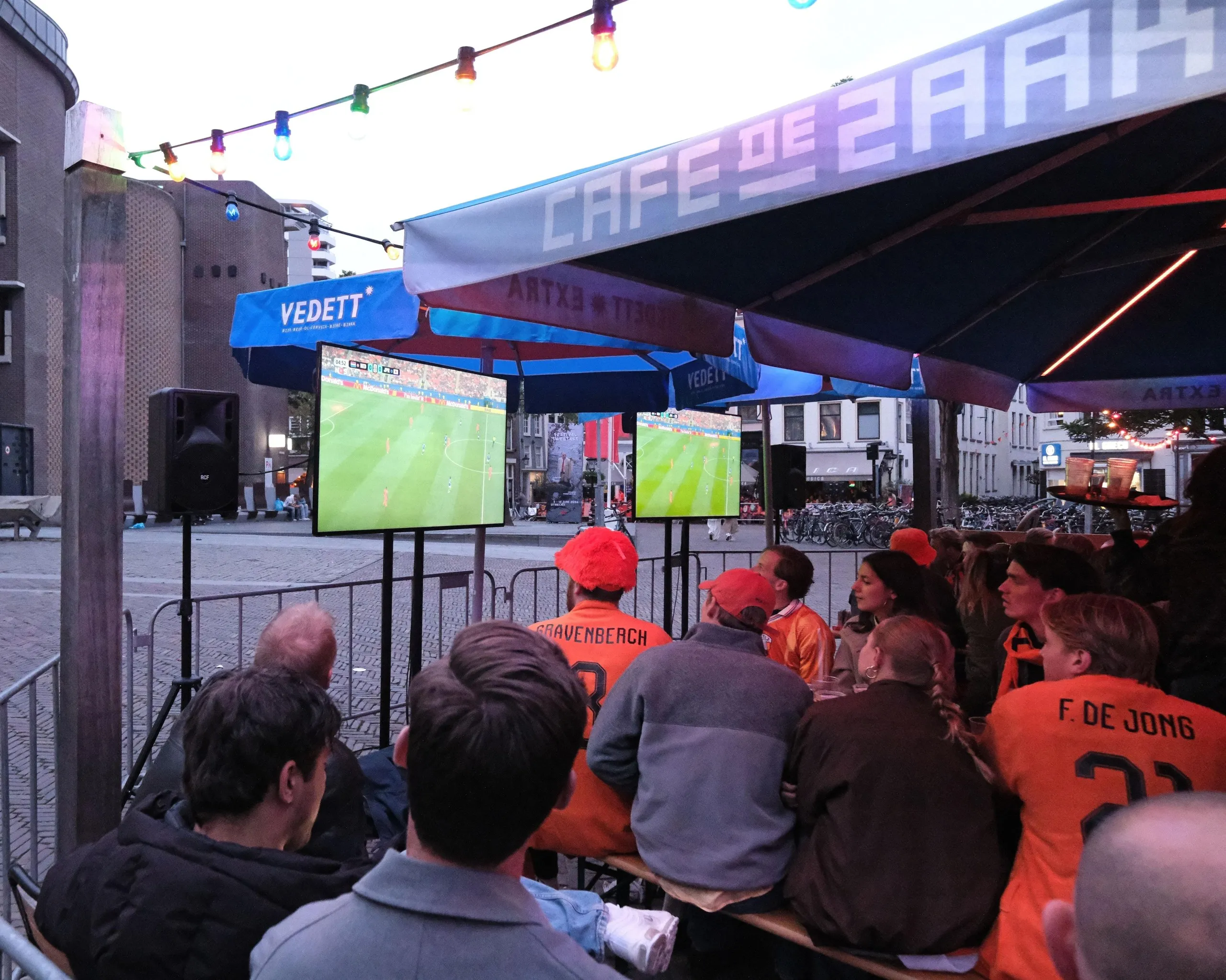
I recall Virgil van Dijk directing a header into the net, and when I awoke, the score stood at 2-1, with everyone retreating to their beds, intoxicated by fatigue, life, and perhaps a bit too much to drink.
Not all my friends share an enthusiasm for football, which meant the World Cup became a backdrop, a sort of mood music accompanying our conversations. Amid discussions of home improvements and Andy Burnham, a distant French commentary occasionally pierced through, names like Maeda and Gravenberch floating in from another realm. My limited French struggled to keep up. Someone opened a bottle of Heineken, bodies sprawled on the couch, fingers scrolling through social media, exemplifying the exquisite indulgence of ennui.
Much will be written about the World Cup by those physically present. This is likely the best approach; experiencing an event first-hand generally offers a deeper understanding, whether it’s a major football tournament or a legal proceeding. However, I aim to express how the World Cup resonates with many around the globe: as ambient sound, whispers from another dimension, flickering images on a distant screen, and a scent or flavor carried on the breeze—a vivid recollection of Steph Houghton discussing the “the front-footedness of the press” The odd feeling of waking up thinking you witnessed the entire Iran vs. New Zealand match, even if you didn’t. World Cups weave an intricate tapestry of collective and personal memories, a fragrant cocktail of experiences intertwined.
Everyone has a story like this. I once watched the 2006 final—Italy versus France—at a seafood restaurant in Hvar, Croatia. They had one of those enormous televisions on a stand, reminiscent of the ones wheeled in for science lessons to show videos about gametes. I missed Zinedine Zidane’s infamous headbutt because a waiter obstructed my view. Although I have since rewatched the game countless times, if asked to recall the event, I would likely remember the monkfish more vividly than the match itself.
Eventually, I began covering World Cups professionally, a vastly different and more enriching experience. You become deeply immersed in the tournament, almost an extension of it, aligning your existence with its rhythms and moods. From the moment you rise until you succumb to sleep (often far too late), your entire being revolves around match schedules, the relentless beat of kick-off times, angles, content, and deadlines. The rest of the time is consumed with thoughts of logistics or meals. Upon returning home, my smartwatch typically reveals that my resting heart rate has been elevated by 10-20 beats per minute for an entire month. People visibly age during these events; it feels akin to going to war.
As the tournament unfolds, cameras frequently pan across the spectators, highlighting the stark distinction between World Cup football and regular matches. Everyone seems to be dancing and giving thumbs up, and no one appears unhappy. There are no protests or chants demanding board resignations, nor even casual insults directed at referees outside of playful banter. Typically, attending a football match entails willingly accepting the potential for disappointment: your team could lose, the game might be dull, and your weekend could be ruined. Yet, when you’ve spent £800 on a ticket, plus significant amounts on accommodations and travel, how could you allow yourself not to be entertained? How would you even come to terms with that?
In contrast, watching on television allows for detachment. It offers the ability to let football ebb and flow in and out of our awareness, filling life’s gaps rather than vice versa. It provides the luxury of boredom—pleasant, indulgent boredom. You can step outside for a smoke, buy a round, or simply go to bed. In Talloires, a quaint resort in the Haute-Savoie, establishments advertise “Coupe de Monde” on wooden chalkboards, promoting the world’s greatest sporting event as a side accompaniment to dinner, nestled between cheese courses and dessert. With the G7 summit occurring nearby in Évian, helicopters skim low over the lake at sunset, a reminder of football’s inherent transience, its ever-changing nature, and how even amidst its grandeur, the world continues to turn.
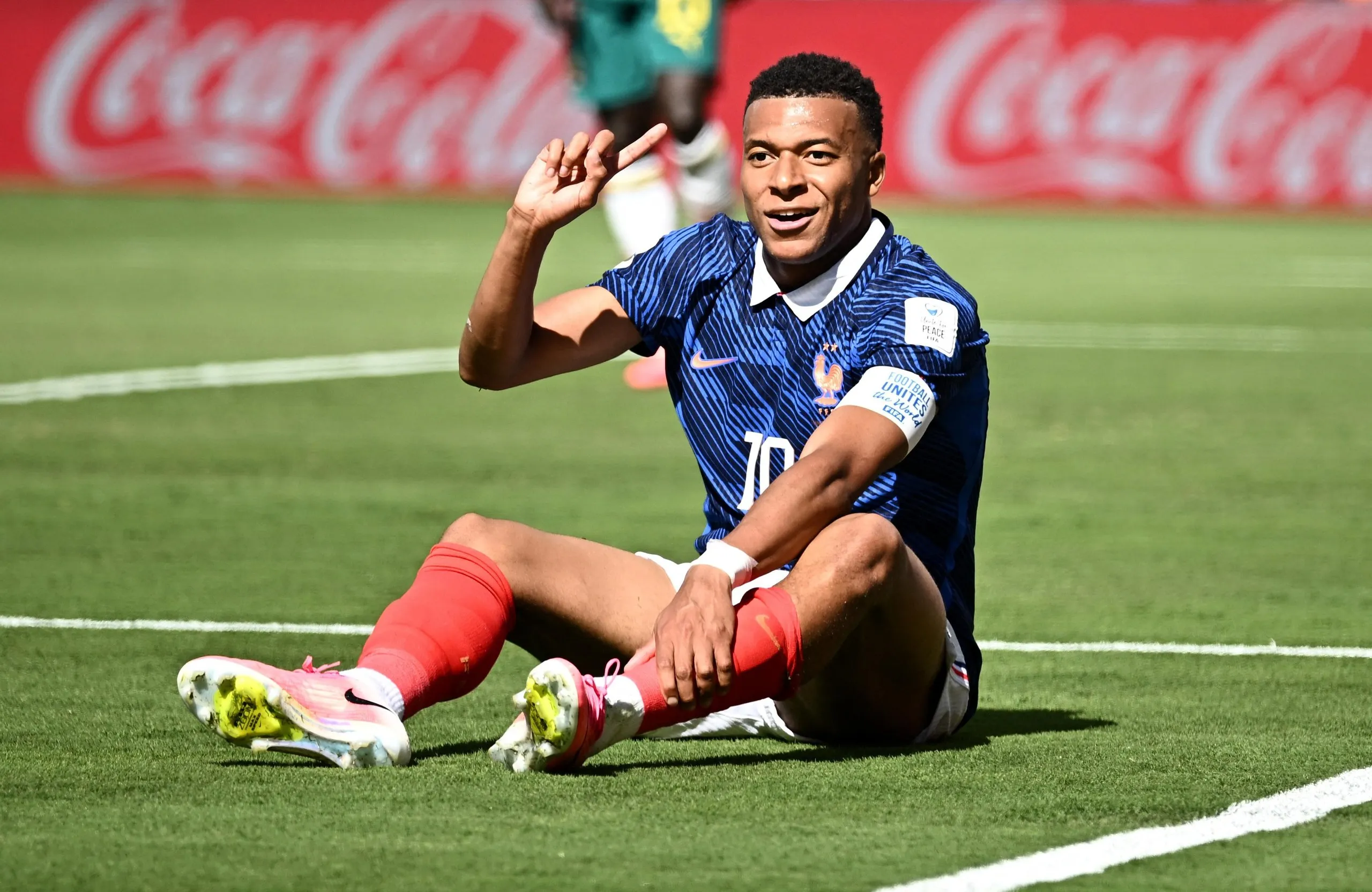
How delightful it is to sip boxed wine and half-watch the football as chaos unfolds around the globe. To express frustration at hydration breaks or the decision not to award a penalty to Kylian Mbappé, to see the 104 matches scattered across the Americas like a dazzling map, and to feel no compulsion to watch all of them, or even any of them. This World Cup reveals itself as it truly is: at times utterly captivating, at others merely entertaining, and largely disposable. A beautifully crafted chaos, the floral arrangement at the gates of hell.