


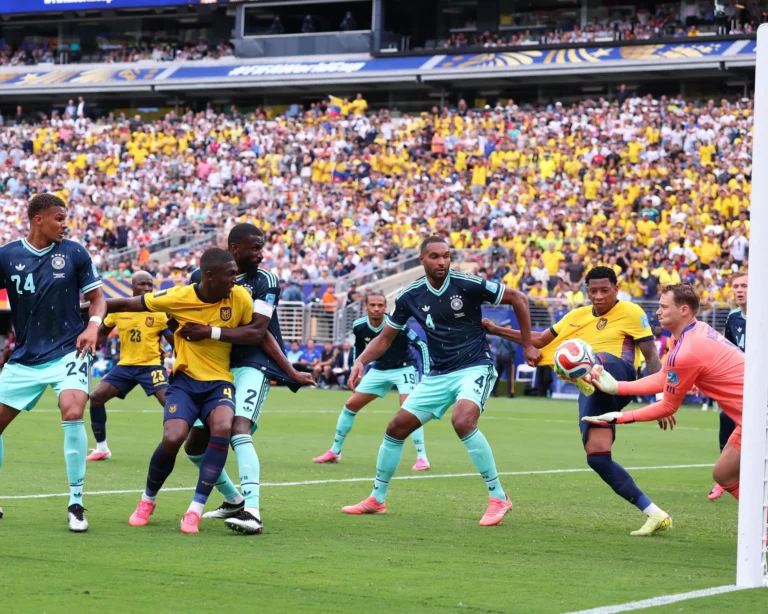
“N o, please, stop with this nonsense,” Julian Nagelsmann sharply responded following Germany’s 2-1 loss to Ecuador in their last group stage match. When a reporter suggested that the Ecuadorian team may have displayed a greater desire to win, Nagelsmann retorted, “They didn’t want it more,”
This perspective, however, stands in stark contrast to the views of some players. Joshua Kimmich stated, “I cannot tell any of my players that they didn’t give it their all. That’s far too simplistic.” while substitute Deniz Undav echoed this sentiment, saying, “The difference today was that the opponent wanted to win more than us,”
This minor disagreement highlights a larger issue within the German squad, suggesting a lack of unity both on and off the field. The team appears to be out of sync, struggling to convey a coherent message. If they can harmonize their abilities, they could become a formidable contender. However, their credibility is currently under scrutiny.
Germany’s journey in the World Cup has marked a return to the knockout stage for the first time since their 2014 victory, underscored by a remarkable 7-1 win over Curaçao, the tournament’s largest margin of victory thus far. Yet, an unsettling sense of instability lingers, largely influenced by two key figures: one embedded in the team’s structure and another lingering on the sidelines.
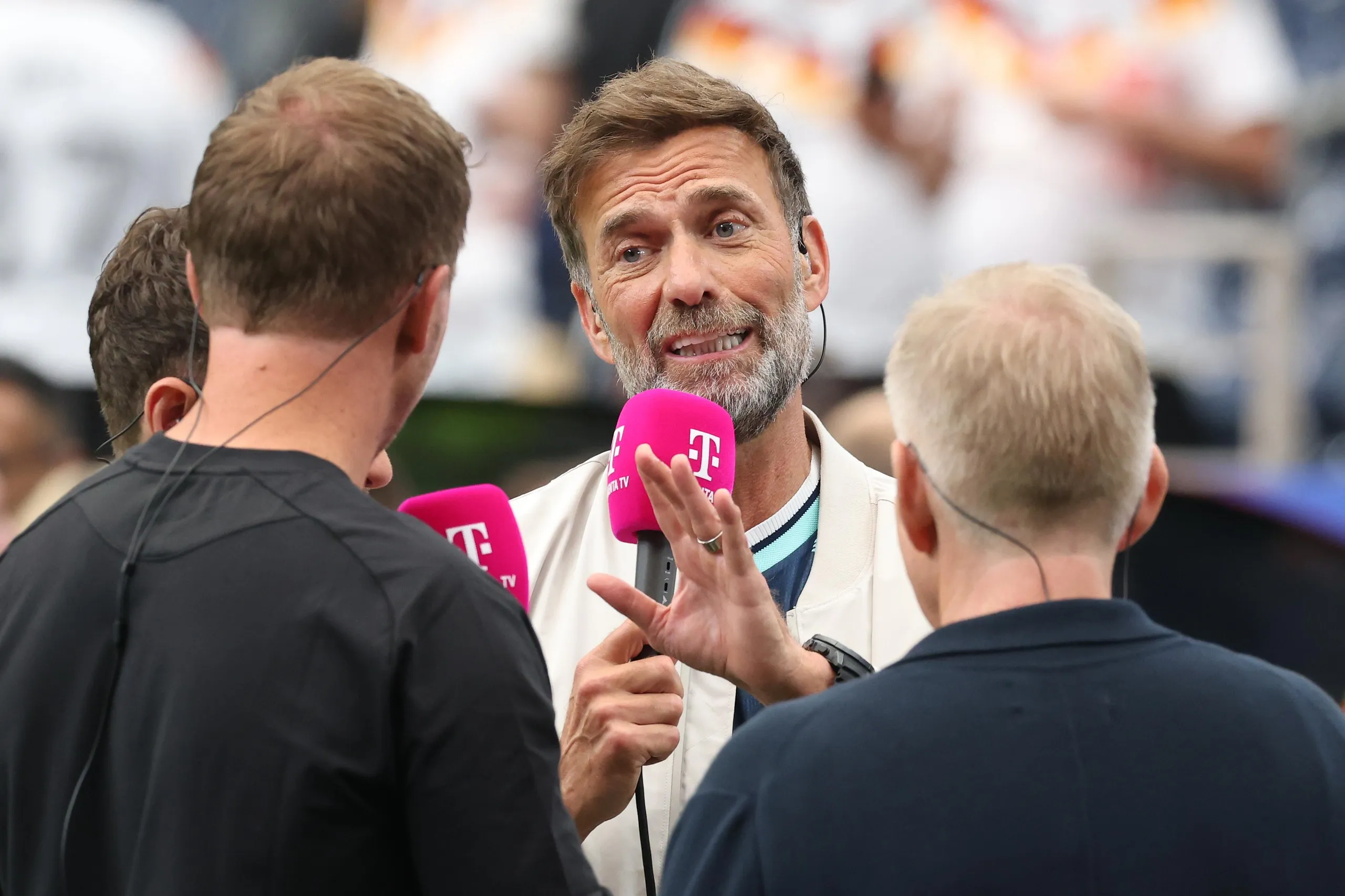
Jürgen Klopp, although not directly part of the coaching staff, has made his mark as a commentator on German television, frequently seen in the stadium and endorsing various brands. At the start of the World Cup, Klopp had to apologize to Nagelsmann for an offhand comment regarding the coach’s temporary leadership: “I had the feeling they wanted it more than us,” This moment reflects a prevalent belief that Nagelsmann’s role is uncertain, with Klopp viewed as a possible successor.
Klopp’s impact transcends his physical presence; he embodies a broader narrative involving former players like Thomas Müller and Mats Hummels, who offer insights across various media platforms, while Bastian Schweinsteiger shares his thoughts through ARD. Toni Kroos has also voiced his opinions on TikTok, and Philipp Lahm contributes thought-provoking articles in Die Zeit.
This dynamic illustrates how many members of the 2014 World Cup-winning squad are actively critiquing the current team’s performance, fostering a continuous dialogue that shapes the narrative surrounding Nagelsmann’s group.
For English readers, this situation draws comparisons to Manchester United’s class of 1992, whose media presence post-retirement served as both a nostalgic force and a source of destabilization. The nostalgia for Germany extends beyond the 2014 team; it encompasses an entire era—one characterized by Bayern Munich and Borussia Dortmund’s dominance, Klopp’s innovative Gegenpressing tactics, and a time when Germany was viewed as the epicenter of football.
It’s understandable that German football faces challenges in moving beyond its golden era. Müller and Hummels were abruptly dismissed by Joachim Löw in 2019, only to be reinstated later due to disappointing outcomes. Löw’s lengthy tenure, despite a humiliating exit from the 2018 World Cup, contributed to lackluster performances at Euro 2021.
Kroos was persuaded to come out of retirement for Euro 2024, embodying the hope that the 2014 generation might rekindle past successes.
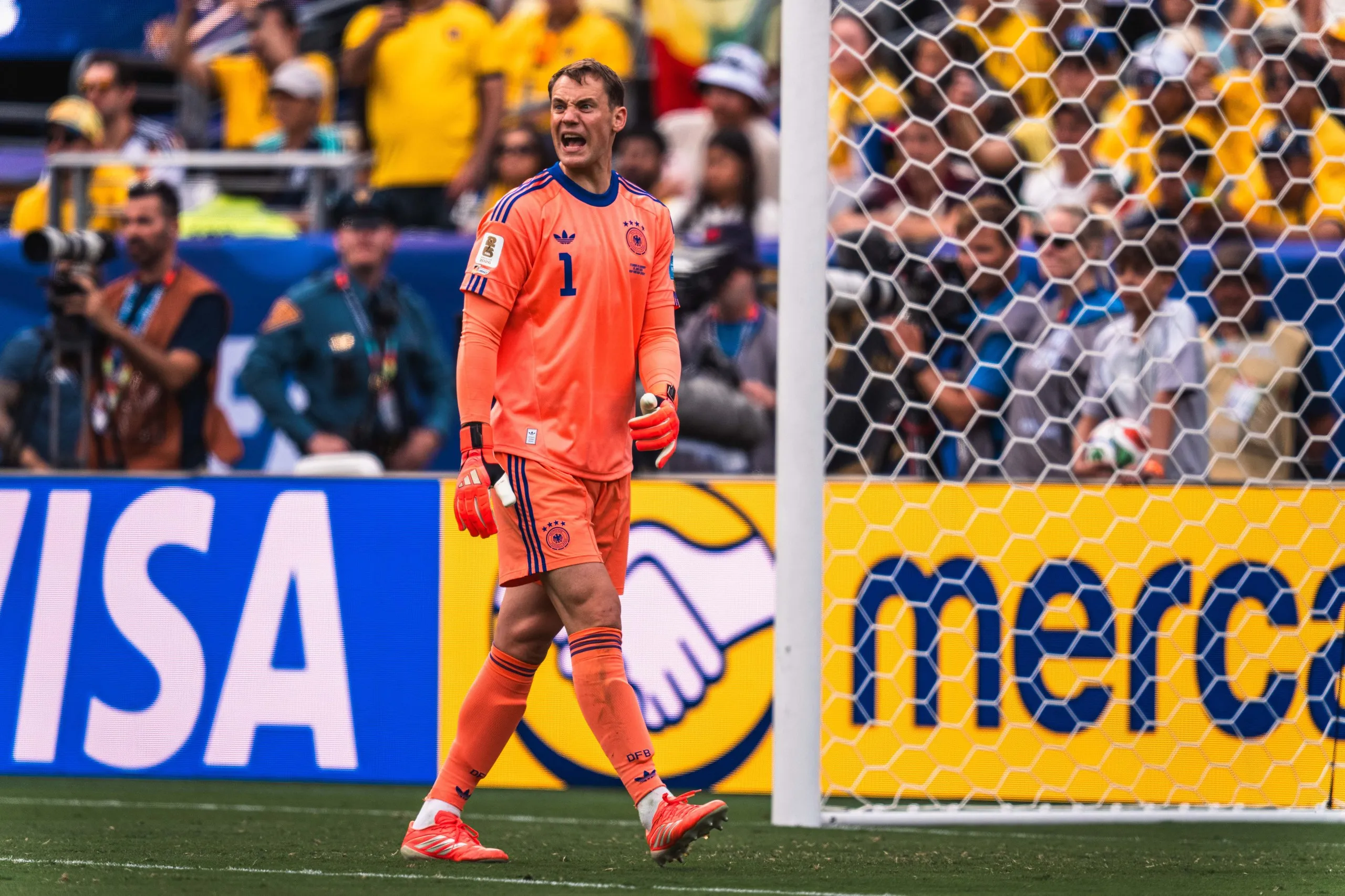
Manuel Neuer stands as a key figure in this narrative, representing the Germany many wish to see: calm, innovative, and at the peak of his game. However, at 40 years old, Neuer, the last surviving member of the 2014 squad, is not the standout player he once was. While he still demonstrates flashes of brilliance, he has become increasingly prone to mistakes.
Neuer’s gaffe against Real Madrid in the Champions League quarter-finals illustrates his ongoing struggles, and his lack of response to Ecuador’s winning goal underscores his decline. Both Neuer and Nagelsmann made the contentious choice to reinstate the veteran into international play, sidelining Oliver Baumann, who now faces the possibility of never playing in a World Cup.
After the match against Ecuador, Nagelsmann rejected the notion of dropping Neuer. He has also shown reluctance to shift Kimmich from right-back to central midfield, where he excels for Bayern, or to replace the waning Leroy Sané. Additionally, he must decide whether to modify the partnership between Jamal Musiala and Florian Wirtz, which had been successful in previous matches but has faltered lately.
For years, German football has wrestled with issues of identity amidst repeated tournament disappointments. Despite the rise of new talent and a glimmer of optimism, there remains a pervasive suspicion that this team struggles to articulate a coherent vision. They possess talent but lack unity and understanding, leading to skepticism at home and apathy abroad.
The shadows of 2014 loom large, influencing ongoing narratives; Klopp serves as a reminder of the enjoyable past Germany once experienced. Among a divided fanbase, there exists a profound sense of loss and uncertainty regarding what can realistically be expected from the current squad.
Looking ahead, Paraguay awaits in Boston on Monday, with formidable opponents like France, the Netherlands, and Spain on the horizon. Nagelsmann faces immense pressure to quell demands for change and to make critical decisions. Will this be the moment that liberates the team from its historical burdens? Or will they be remembered as yet another squad that fell short, caught between the weight of their illustrious past and an uncertain future?
- World Cup 2026
- Germany
- World Cup
- Jürgen Klopp
- comment