


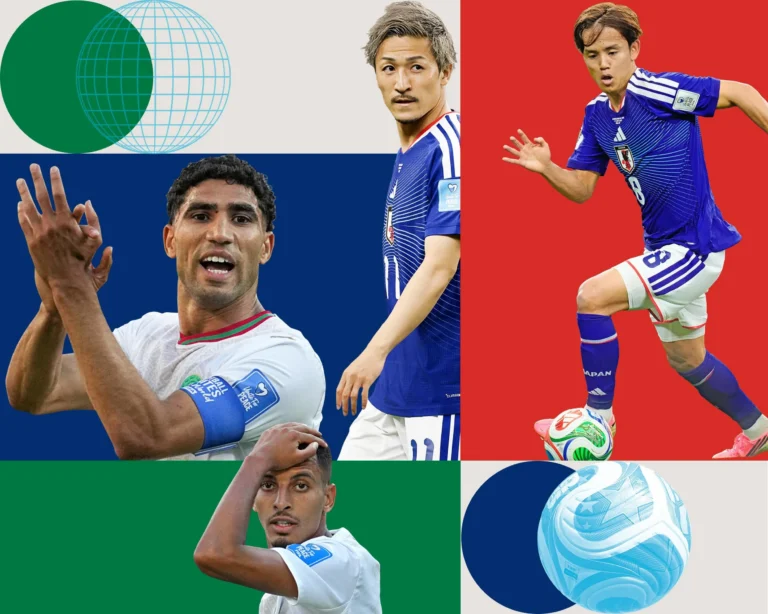
The World Cup is in a constant state of evolution. It expands into new regions, grows in scale, and experiments with various formats, such as additional group stages and changes to tiebreaker rules. Yet, the outcome remains familiar, with one of the same eight nations from Western Europe or South America claiming the trophy.
Since Argentina’s triumph in 1978, only France and Spain from UEFA have joined the list of champions, leveraging their European resources and wealth to succeed. These nations have excelled in industrializing youth development, setting the standard for countries aiming to invest in football academies.
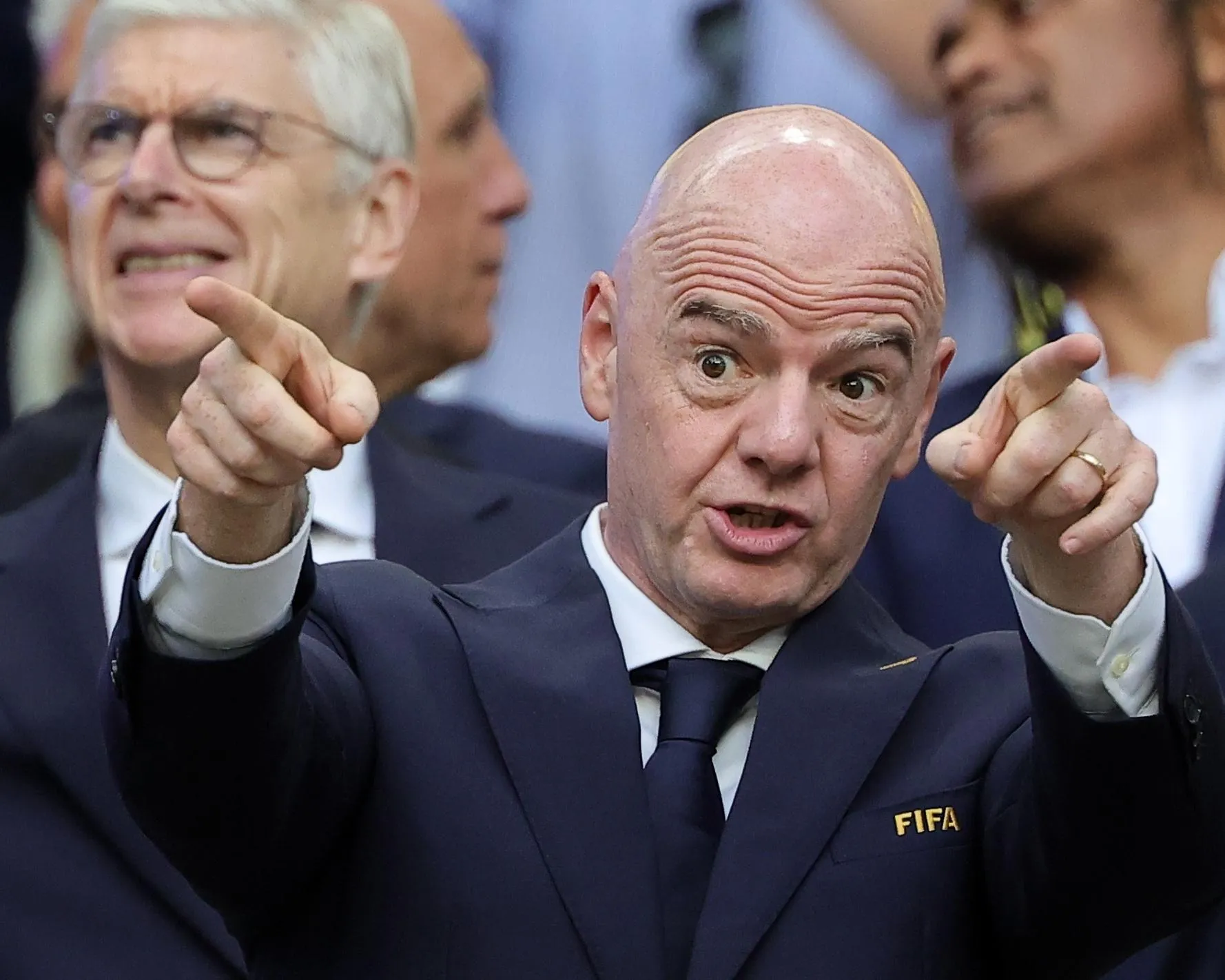
However, the existing power structure seems increasingly disconnected from the game’s leadership. Gianni Infantino presents himself as a supporter of the global south, much like his predecessors, Sepp Blatter and João Havelange, who relied on votes from Africa, Asia, and Latin America to maintain their positions.
Despite the alarming treatment of migrant workers in Qatar and the denial of entry to fans, journalists, team officials, and even a referee into the USA and Canada, Infantino’s popularity remains unaffected. The delegates benefit from their salaries and positions, showing little inclination to challenge the status quo.
The recently expanded Club World Cup may have generated significant revenue for certain elite clubs in Western Europe, but it also marks the latest battle in Infantino’s ongoing contest with UEFA.
Under more dynamic leadership, Europe might mount a challenge to FIFA’s dominance, yet Aleksander Ceferin’s UEFA has mostly limited itself to mere provocations. Initiatives like freezing ticket prices for Euro 2028, appointing Omar Artan—the Somali official denied entry at Miami airport—to officiate the Super Cup final, and asserting that hydration breaks will not be mandatory in UEFA competitions reveal a lack of substantial action.
Thus, FIFA continues to expand, becoming increasingly bloated while drawing support from regions adversely affected by its policies. In an era marked by authoritarian populism, Infantino appears as untouchable as ever. Nevertheless, a new world might be on the verge of emerging.
The question of whether a nation outside Europe or South America can clinch the World Cup has gained urgency since Cameroon reached the quarter-finals in 1990, followed by Nigeria and Cameroon winning Olympic gold in 1996 and 2000. In this tournament, two credible challengers—Japan and Morocco—are set to face off against established powers in the Round of 32 on Monday: Japan will compete against Brazil, while Morocco takes on the Netherlands, a team that, despite lacking a World Cup title, has reached three finals and still embodies the traditional elite.
Both Japan and Morocco have showcased impressive performances leading up to this stage, although their paths have diverged significantly.
Morocco’s accomplishments in the World Cup far exceed their achievements in the Africa Cup of Nations. Even if the Court of Arbitration for Sport dismisses Senegal’s protest regarding the Confederation of African Football’s decision to award the 2025 Cup of Nations to Morocco, it would only mark their second triumph in that competition. Morocco made history in 1986 as the first African team to advance past the group stage and became the first to reach a semi-final in Qatar four years ago.
The nation has undeniably benefited from its diaspora, as 19 of the 26 players on the squad were born outside Morocco, including three from the Netherlands. Many of these athletes have enjoyed training in top European academies, which offer resources that are often unavailable elsewhere.
Morocco is also investing in its own development system. The Mohammed VI Football Academy, located near Rabat, contributed four players to the 2022 squad. While Azzedine Ounahi is currently the only alum in this roster, the program has expanded to include four additional cities. It is reasonable to anticipate a significant increase in opportunities for aspiring footballers in Morocco over the next decade.
In contrast, Japan’s challenges do not stem from a lack of financial resources. The J League, established in 1992, has flourished, although most of the country’s top talent still seeks opportunities in Western Europe—only three players from the current squad are based in Japan. However, players are now developed domestically, and European clubs show little hesitation in signing talent from the J League.
Simultaneously, there is a discernible Japanese style that has emerged under national coach Hajime Moriyasu over the past eight years. The team employs organized pressing and plays a technical, possession-oriented game, as exemplified by Daizen Maeda’s goal against Sweden.
Morocco will need to strategize against the strength of Brian Brobbey, focusing on limiting his supply. The matchup between Achraf Hakimi and Cody Gakpo appears to be crucial. Japan, on the other hand, is seeking its first knockout win at a World Cup, and the psychological aspect of the game will be significant for them. However, their comeback from a 2-0 deficit to defeat Brazil in a friendly last October may help alleviate some pressure.
Carlo Ancelotti’s Brazil now finds itself in a peculiar situation reminiscent of his Real Madrid tenure: visibly flawed yet possessing enough high-caliber talent to secure victories. Ancelotti may continue to extract game-changing performances from Vinícius Júnior, while Japan could dominate the midfield, especially if Takefusa Kubo returns from a knee injury to enhance their creative options.
These matches represent only two contests within the tournament, but both look highly competitive. Brazil and the Netherlands hold the potential to secure victory, which could see the best hopes for a champion from outside the traditional powers extinguished within hours. The intrigue surrounding these matchups is indicative of a potential shift in the football landscape. If a new era is indeed emerging, it will take root on the pitch through connections with the European system, rather than through Infantino’s machinations.
- World Cup 2026
- Inside football
- Japan
- Morocco football team
- Netherlands
- Brazil
- World Cup
- comment