


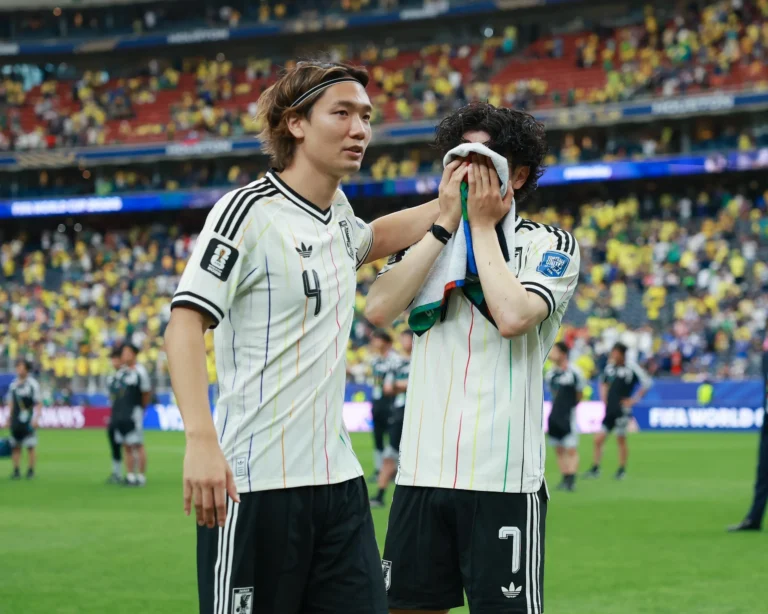
Initially, it seemed Asia’s hopes would soar as Japan faced Brazil, showcasing a team filled with energy, talent, and determination. Their performance sent a strong message both to the global stage and their home supporters, signaling a potential renaissance. However, the second half proved less promising. Unable to maintain their intensity, the Samurai Blue fell back too far and ultimately succumbed to a last-minute goal, losing 2-1 in this knockout match. Had key players like Kaoru Mitoma, Wataru Endo, Takumi Minamino, and Takefusa Kubo been available, the outcome might have been different. Ultimately, Brazil’s depth proved decisive.
Support from other Asian nations was notably stronger, with fans rallying behind Japan to restore continental pride. “We are representing Asia. I know that other Asian teams are not as successful,” remarked Japan’s coach, Hajime Moriyasu, prior to the match. “I would like us to be able to encourage other Asian teams as well, and we would like to be their hope.”
Japan’s approach—a commitment to a long-term vision, patience, and resilience—has yet to be embraced by other teams, although recent successes may inspire change. Moriyasu may ponder whether, with a higher standard across Asia, Japan would not have been forced into prolonged defensive positions typical of their home matches against weaker opponents.
This World Cup has been bleak for Asia. Out of nine teams participating, only Australia remains, set to compete against Egypt on Friday, while the rest fell at the first hurdle. In comparison, only one of Africa’s ten teams faced a similar fate.
It is important to note that Iran’s situation could be viewed more favorably. Team Melli managed to draw all three of their matches, facing significant challenges but coming close to advancing. Their preparations suffered due to external conflicts involving the US and Israel earlier this year, which disrupted their training. Once in North America, if they had received the same treatment as the other 47 teams, their prospects might have improved. Leeway should also be extended to debutants Jordan and Uzbekistan, as well as Iraq, who lack extensive international experience. For the most part, these teams remained competitive, particularly Jordan, which managed to score in all three games despite injuries. Iraq faced a formidable challenge in their group, which included France, Norway, and Senegal. The disparity in quality was evident under pressure, leading to critical errors, especially defensively. Although losing all nine matches is a bleak outcome, it does not capture the entire narrative.
Uzbekistan has developed a robust youth program, which is vital given the inconsistent standards across Asia, and they are likely to return with renewed strength. Jordan had only two players with European experience, and their World Cup journey could pave the way for more talents. “Our players are young and we need to take advantage of the experience we had here and ensure we do better at a higher level of competition,” said head coach Jamal Sellami. “To be at the top level we need to have more players to play at that high level.”
This challenge resonates with Saudi Arabia and Qatar, whose squads are largely composed of domestic players. The influx of foreign talent into local clubs limits opportunities for homegrown athletes and fosters a comfortable environment that encourages local players to remain in their countries. The lack of a long-term strategy is evident, especially with Saudi Arabia’s recent coaching change from Hervé Renard to Giorgios Donis in April. While the Green Falcons managed two draws, Qatar’s 6-0 defeat against Canada stands out as particularly disheartening, given the opponent’s relative strength.
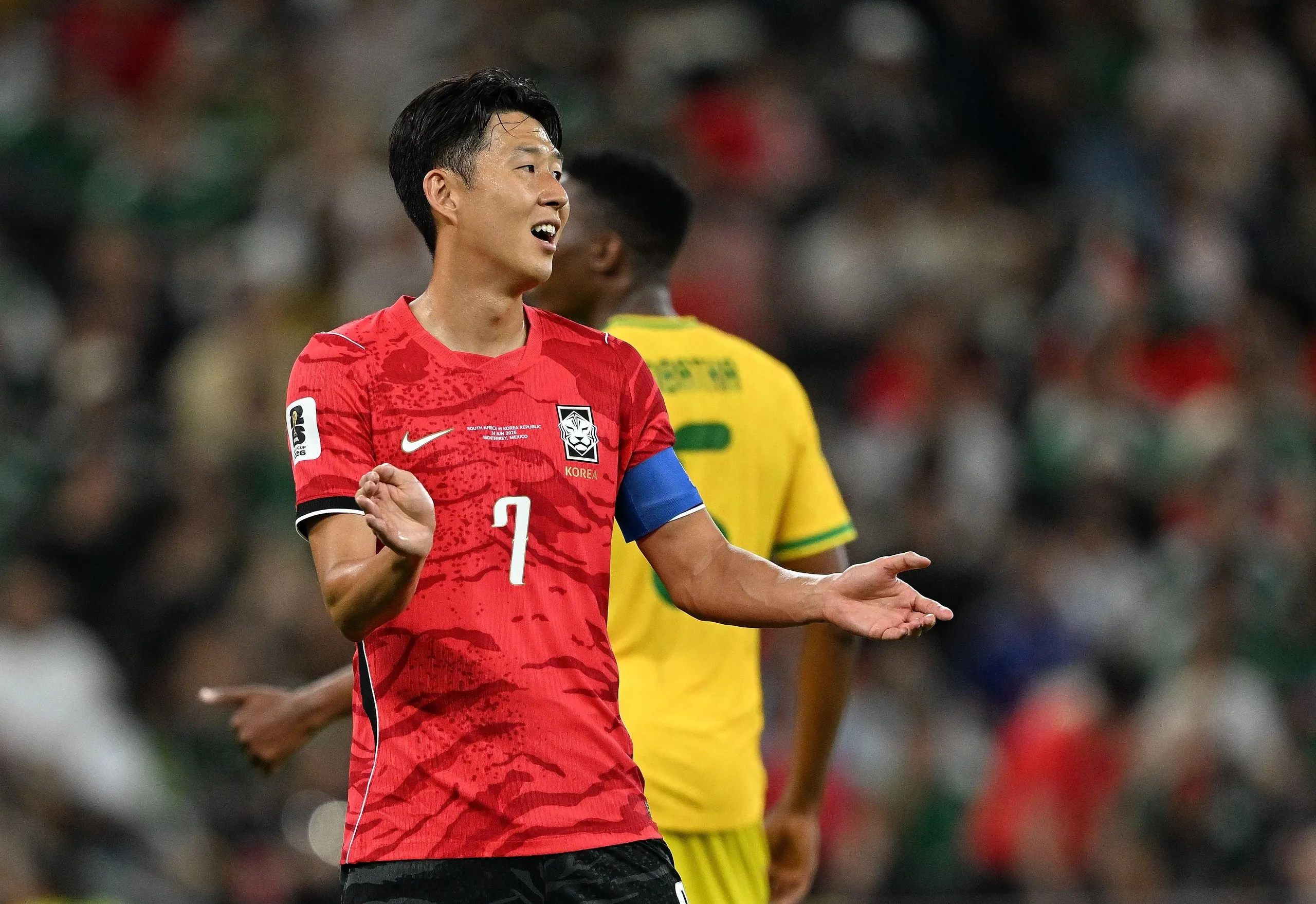
South Korea’s performance was disappointing as they were expected to advance. Their initial victory over Czechia was promising, but was followed by lackluster displays against Mexico and South Africa.
Hong Myung-bo has stepped down as head coach amid widespread dissatisfaction, yet other underlying factors also contributed to this decision.
The president of the Asian Football Confederation, Salman bin Ibrahim Al Khalifa, recognized the achievements of Japan and Australia. However, he emphasized the need for Asia to reflect on the overall disappointing results, suggesting that after his tenure since 2013, it might be time for new leadership.
The AFC must shoulder some responsibility. The Champions League has undergone frequent changes, often favoring larger nations like Saudi Arabia, which hosts matches from the quarter-finals onward. In World Cup qualifications, both Saudi Arabia and Qatar capitalized on home advantages and a favorable schedule. Without such support, their chances of qualification may have been diminished, which might have ultimately benefited the region.
As the dust settles, numerous discussions will emerge, but time is of the essence. The Asian Cup is set to commence in Saudi Arabia in January, and the cycle will begin anew. This presents an opportunity for other teams to take a moment to reflect, learn from Japan’s example, and focus on long-term strategies. By doing so, they may eventually find themselves following the Samurai Blue into the later stages of future tournaments.
- World Cup 2026
- Japan
- Saudi Arabia
- South Korea
- Jordan
- Uzbekistan
- Qatar
- features