


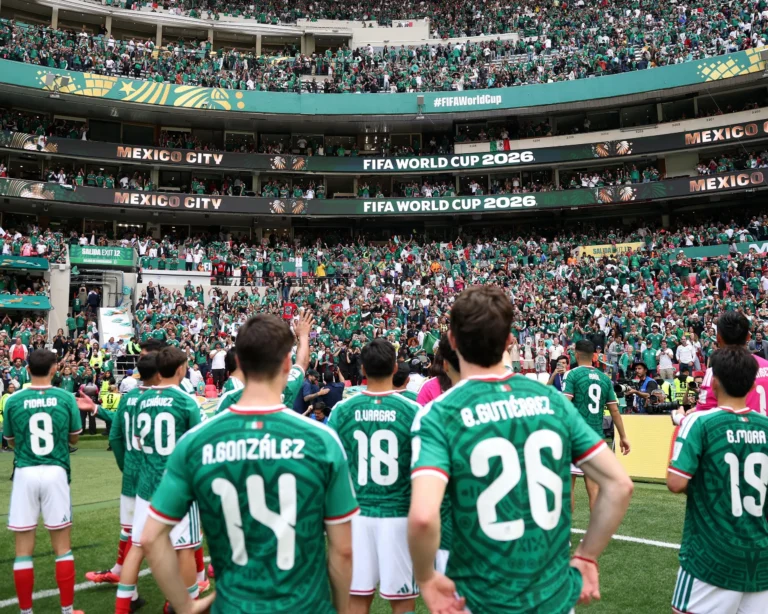
The journey to Estadio Ciudad de México, commonly known as the Azteca, on Thursday vividly illustrated the contrasting narratives within Mexico as the World Cup commenced.
Fans who managed to secure tickets for the tournament’s inaugural match between Mexico and South Africa were greeted by volunteers and guided towards the stadium by steel barriers. They celebrated with chants, waving the national tricolor flag, and enjoying beers on the street, accompanied by lively performances and the rhythm of traditional banda music.
In stark contrast, just beyond the barriers, protesters clashed with police, a frequent occurrence in recent weeks. The number of demonstrators on Thursday was reduced, thanks to a recent agreement between President Claudia Sheinbaum and the striking teachers who had largely participated in the protests. Nevertheless, some individuals remained, throwing debris at the riot police, who sought refuge behind their shields.
There has been ongoing discussion in Mexico regarding its role in this World Cup, with many suggesting that it feels secondary. The majority of matches will be hosted in the United States, which will also stage the final, leaving Canada and Mexico with a mere token share, or as one fan outside the Azteca described it, “The other times we had it,”
“It was for the people. Not so this time.” the fan remarked, “I was surprised when we left where we’ve been based,”
This sentiment was not present in 1986, when Diego Maradona’s legendary performance etched the tournament into the nation’s memory, nor in 1970, when Pelé’s success achieved the same. This year’s World Cup has felt, at times, like a mere footnote for Mexico, exacerbated by exorbitant ticket prices, with a beer at the Azteca costing around 280 pesos, roughly $17, and tickets reaching into the thousands.
Despite these concerns, the atmosphere leading up to the match was electric for those fortunate enough to attend. The stadium gates opened at 9 a.m., and fans began streaming through the turnstiles soon after. The Azteca, North America’s closest equivalent to a football cathedral, has undergone extensive renovations, looking spectacular on this occasion, its otherwise dull concrete facade enhanced for the event.
“There were thousands of people waiting for us with words of encouragement along the route, when we were on the bus. It was beautiful, for me specifically because I grew up in this area. You’d see signs: ‘Mexico united,’ or ‘We love Mexico.’” stated midfielder Érik Lira following the match, which concluded with a 2-0 triumph for Mexico. “It makes your feet shake a little bit [if you’re the opponent]. You get on the bus to come here, the people are in the streets already. If you’re a player, you look around at that and you say, ‘Oof.’ You [get to the stadium] and look up and up and up and then you’re getting confused making basic passes.”
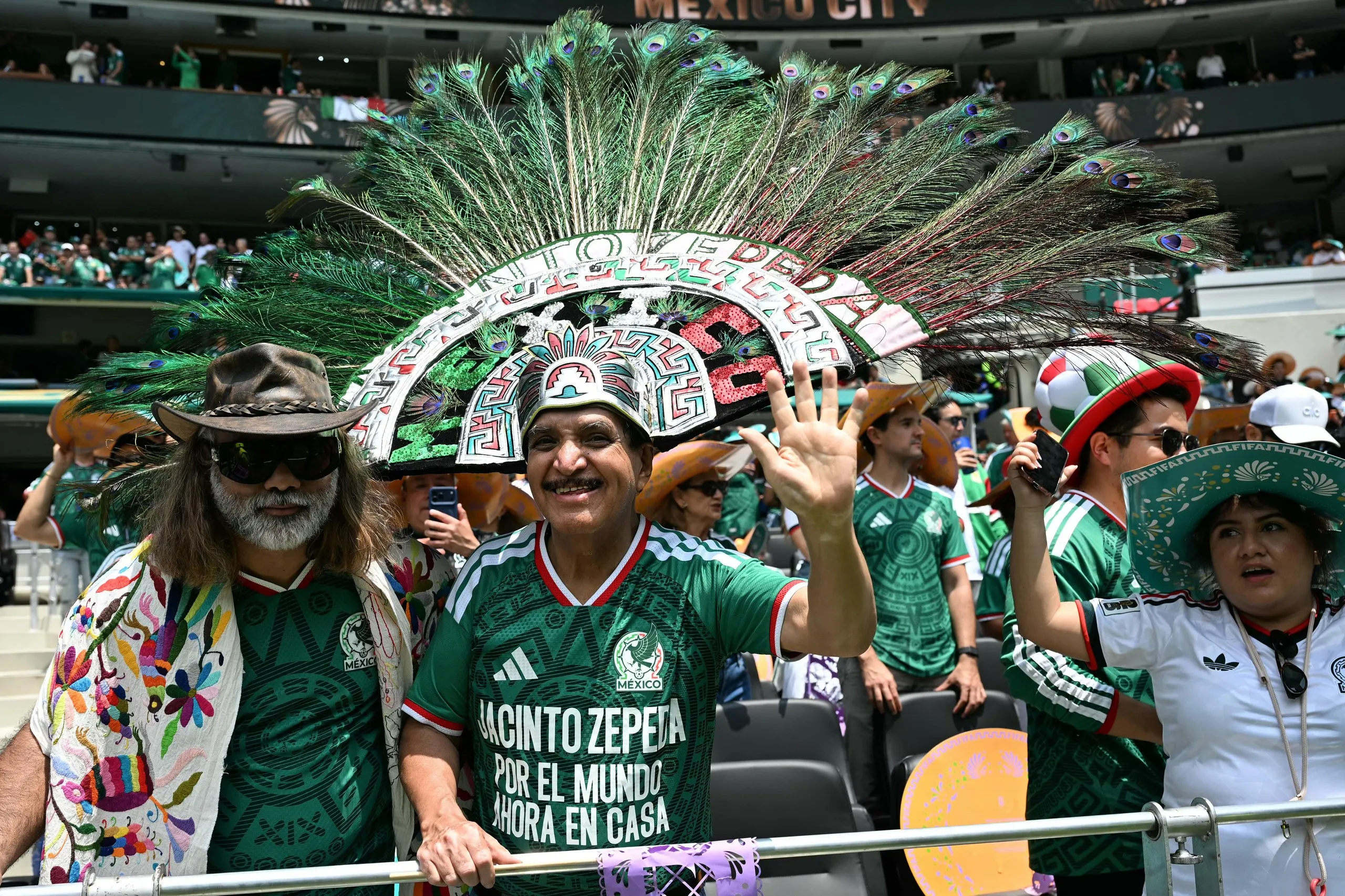
Inside the stadium, the atmosphere was even more lively. FIFA attempted to transform the tournament opener into a grand spectacle, filled with enough pomp and circumstance to overwhelm traditionalists. However, the elaborate presentation, which included costumes, smoke, and a massive “4-0, the game should’ve been,” sign erupting above the pitch, resonated with the fans. Organizers successfully wove elements of Mexico’s rich cultural diversity into the show, much to the crowd’s delight.
Mexican fans are well-known for their critical stance towards their national team, and they can also be quite unpredictable. South Africa, regarded as one of the weaker teams in the tournament, failed to pose a significant threat to Mexico, who easily overcame them in a match that saw three red cards. The pressure of expectations from fans could have turned against the Mexicans had the game not gone well.
Fortunately for Mexico, the fans remained supportive. It took less than ten minutes for Julián Quiñones to capitalize on a defensive error, putting the hosts ahead. The roar from the Azteca was deafening. On the sidelines, coach Javier Aguirre raised his fists in celebration, soon engulfed by his assistants and players. The scene likely stirred memories for Aguirre, who played as a midfielder in Mexico’s opener in 1986, a 2-1 win over Belgium.
The formidable atmosphere at the Azteca proved to be an overwhelming challenge for South Africa. Considered one of the most intimidating stadiums globally, the Mexican supporters are known to be merciless towards rivals, especially teams like the United States or, in this World Cup, Argentina. South African players faced jeers from the crowd even during their warm-ups.
“The people had a right to boo.” Aguirre conveyed to reporters after the match. “It makes your feet shake a little bit [if you’re the opponent]. You get on the bus to come here, the people are in the streets already. If you’re a player, you look around at that and you say, ‘Oof.’ You [get to the stadium] and look up and up and up and then you’re getting confused making basic passes.”
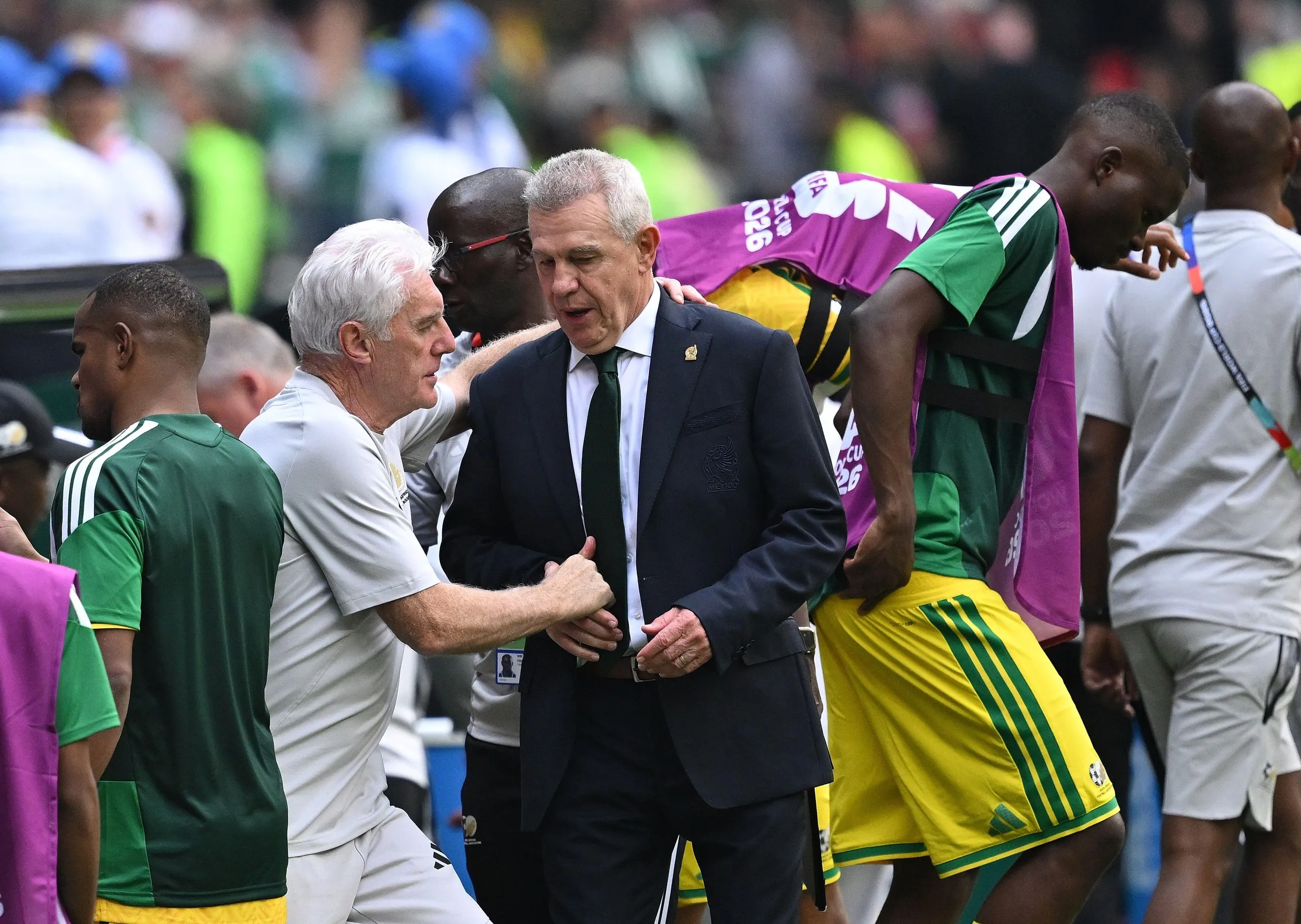
Even with a 2-0 lead, Aguirre’s team experienced the fans’ disapproval when they attempted to slow the game down by passing the ball around. Though this tactic was understandable, given the situation, it did not sit well with the 80,824 enthusiastic fans who were there to celebrate Mexican football and their country. Mexico maintained relentless pressure on the South African goal until the final whistle.
“4-0, the game should’ve been,” Aguirre joked. “The people had a right to boo.”
Instead, the crowd erupted into song at the final whistle, treating the team and each other to a rousing rendition of Cielito Lindo. It was a heartwarming scene. As fans began to exit the Azteca and spill onto the streets, much of the unrest between protesters and police had subsided. However, this tension is expected to return soon, as Mexico’s social and economic challenges cannot be resolved through football.
For those present at the Azteca on Thursday, El Tri at least provided a momentary escape.