


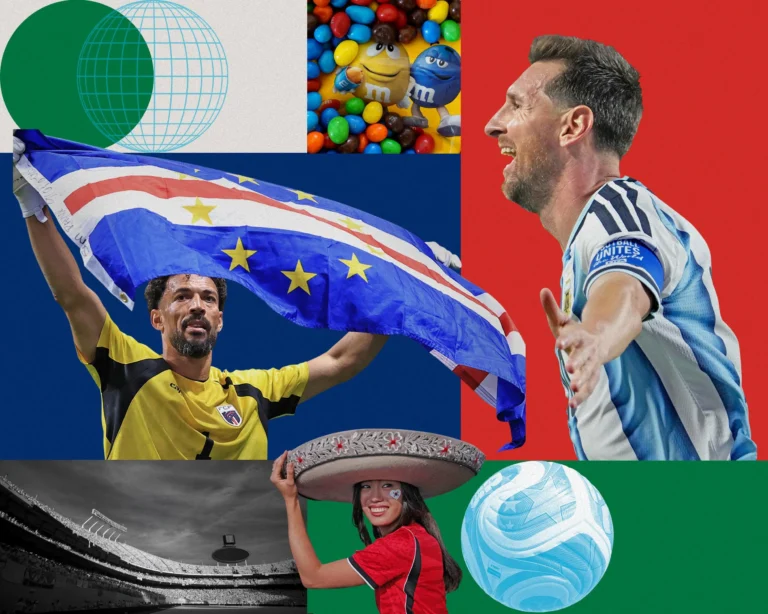
Arriving in the tranquil city of Kansas City was a stark contrast to the chaotic atmosphere in New York, where the streets erupted with excitement after the Knicks secured their NBA Finals win, coinciding with Brazil’s match against Morocco. This World Cup exemplifies extremes, from FIFA’s relentless pursuit of profit—charging $5 for a bottle of water in the media center—to the genuine hospitality exhibited by locals across New York, Kansas City, and Dallas. Amidst these contrasts, the football action has captivated audiences, with thrilling matches like DR Congo’s draw against Portugal and England’s victory over Croatia marking an exhilarating start to the tournament. Fingers crossed for more of the same.
It took almost the entire opening round for the spotlight to shift from mainstream American sports to soccer—excuse me, football. This transition has been somewhat clumsy, particularly when traditional sports talk shows, filled with loud commentary, suddenly find themselves discussing international football as the primary topic. However, this awkwardness is merely part of the growing pains of the sport in the U.S. Football has taken over bars and delis, becoming a topic of conversation at school pickups and during commutes. It’s a beautiful shift that many of us in the States have long fought for.
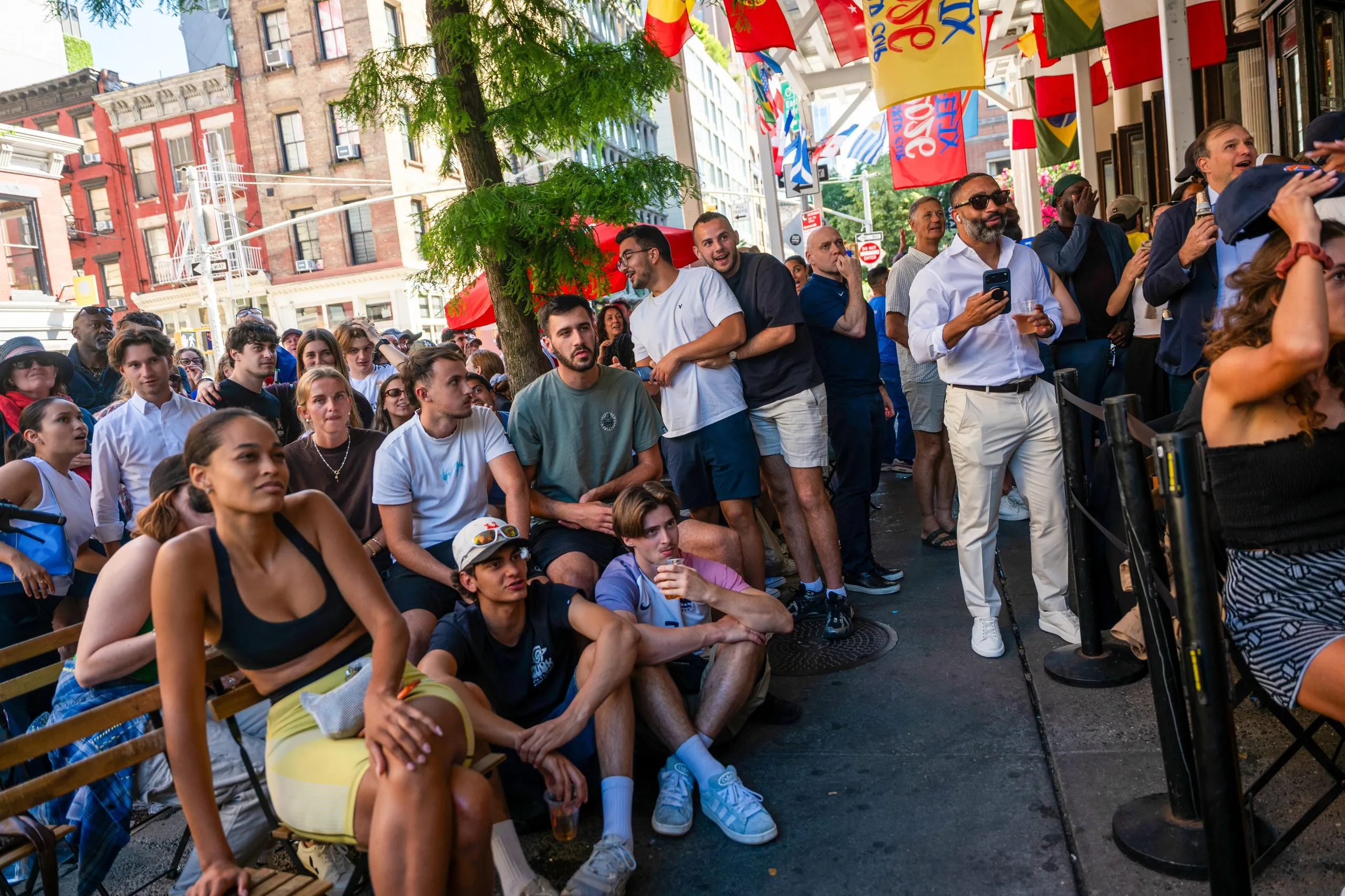
In Texas, I discovered a region where the World Cup seems both monumental and inconsequential. I witnessed fans from Mexico, Brazil, and Colombia fill the bars in Houston’s East Downtown, and sat in a Dallas stadium surrounded by countless fans sporting “Ronaldo 7” jerseys, many with local accents. Conversely, I attended a Republican party convention with over 5,000 attendees, where the tournament went unnoticed, and conversed with Uber drivers who seemed blissfully ignorant of the soccer event. I even traveled to a small town far from the city, where the World Cup might as well have been happening on another planet. This vast country is capable of hosting an exciting World Cup while simultaneously being indifferent to it.
A few days spent in the perpetually congested Los Angeles serve as a reminder of the sheer vastness of this World Cup. The city stretches 44 miles from north to south, dwarfing the distance between the two most distant stadiums in Qatar four years ago. Speaking of stadiums, the impressive SoFi/Los Angeles Stadium resembles a spaceship with its teardrop-shaped 1 million square foot canopy crafted by American architects. While the co-hosts have faced challenges in recent weeks, they certainly excel at constructing world-class stadiums.
Donald Trump’s absence from the U.S. opening match, where they triumphed 4-1 over Paraguay, was unexpected but welcomed by FIFA, which had concerns that his presence would overshadow the tournament’s debut in the U.S. Trump has kept a low profile during the World Cup, and reports suggest that the backlash he faced while attending game three of the NBA Finals in New York may have discouraged him from participating. If that’s the case, Knicks fans may have inadvertently done FIFA a favor, though it’s likely he will attend the final in New Jersey, where he is expected to present the trophy.
While the sheer size of the U.S. is astonishing, particularly the expansive freeways, I’ve observed that the downtown areas of cities like Tampa, Orlando, and Dallas appear to lack character, often devoid of pedestrian-friendly spaces. The massive screen at the stadium in Dallas offers an immersive cinematic experience during elite-level matches. The most surreal moment? A tornado warning in Kansas City last Saturday night, which was announced with a high-pitched tone from street speakers for about an hour. Yes, we opted to stay indoors.
What’s my initial impression of the World Cup? It’s amusing to see those bragging about attending the Azteca. Not that I’m envious or anything. I’ve been in Atlanta (and Chattanooga), where the press area at the Atlanta stadium offers free ice cream with sprinkles, cookies, and M&Ms. After South Africa drew with Czechia, their manager, Hugo Broos, expressed dissatisfaction, claiming it wasn’t a proper football stadium. However, it seems he misidentified the issue: it is indeed a fantastic venue—a centrally located stadium you can walk to, as opposed to some unpleasant out-of-town facility on a sweltering parking lot, which significantly enhances the atmosphere. Plus, the people here are wonderful.
Strikers are stealing the spotlight. The match that truly excited me was Sweden’s overwhelming victory over Tunisia, featuring the impressive duo of Alexander Isak and Viktor Gyökeres. Their partnership felt timeless, showcasing a fresh alliance performing brilliantly on the grandest stage. Just two days later, we witnessed an incredible sequence featuring Kylian Mbappé, Erling Haaland, Lionel Messi, and Harry Kane following suit. After a series of tournaments that highlighted creative forwards, it’s refreshing to see the prolific goal scorers making their mark (sorry, Cristiano). I relish this trend.
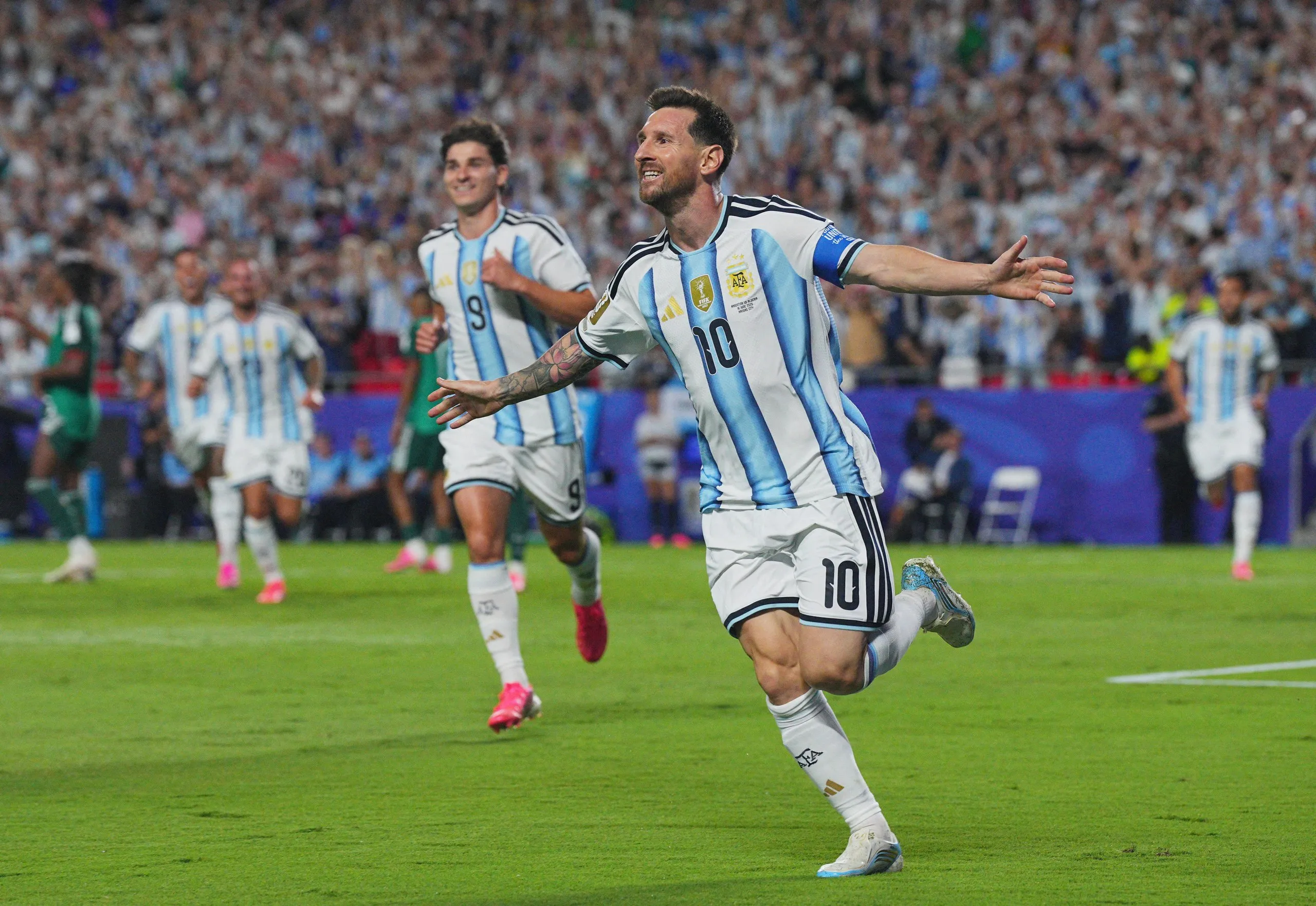
The quality of international football has reached new heights. Some may whisper that this justifies the expansion of the World Cup to its current size. Curaçao managed to catch Germany off guard, much like Scotland did in the last Euros. Nevertheless, even the underdogs are well-coached, physically fit, and prepared. Cape Verde stands out as a prime example, while Haiti put up a strong fight against Scotland, and Norway’s victory over Iraq was closer than the final score suggested. The level of competition among elite teams compared to historical World Cup sides can be debated, but it’s undeniable that the standard has risen among the lower-ranked teams. No match can be taken for granted.
In New York/New Jersey and Philadelphia, where I’ve covered matches, there’s a noticeable lack of atmosphere outside the stadiums, hinting at the World Cup’s presence. On the day South Africa faced Czechia in Atlanta, New Yorkers were more focused on the Knicks’ ticker-tape parade celebrating their first NBA title in 53 years. New York is undeniably Knicks territory. However, the turnout of over 60,000 Ecuadorian supporters at Philadelphia Stadium for their 1-0 loss to Côte d’Ivoire was astonishing, making it feel like a home game for them.
Following this World Cup feels like trying to consume an enormous, multi-layered super sandwich with one hand, while a fast-paced team of sous chefs keeps adding more layers, making it impossible to see the end. We anticipated the relentless travel and heat, which are indeed challenges in such a large, warm country. Yet the intensity has manifested in other ways, primarily through the overwhelming sensory experience that is distinctly American. The sheer number of matches has been dizzying, and the stadiums have been impressive, with SoFi being the best of its kind globally. The surprising aspect of America during this World Cup is a positive one, albeit less so for those familiar with the country. Many people here express anger towards Donald Trump or seek to apologize for his behavior in office. Despite its shortcomings, America remains a vibrantly diverse nation of immigrants. Even a flawed and extravagant FIFA World Cup night ultimately showcases the best of this nation.
It appears there are more than 32 deserving qualifiers for each World Cup, although the expansion to 48 may be pushing the limits. It’s clear that the World Cup is far more enjoyable when it focuses predominantly on soccer rather than being overshadowed by commercial interests. I still struggle with how to maintain the flow of matches and credibility compared to previous World Cups, which didn’t require lengthy pauses in each half. It feels like every time a match gains momentum, there’s a whistle interruption. It should never become a four-quarter sport.
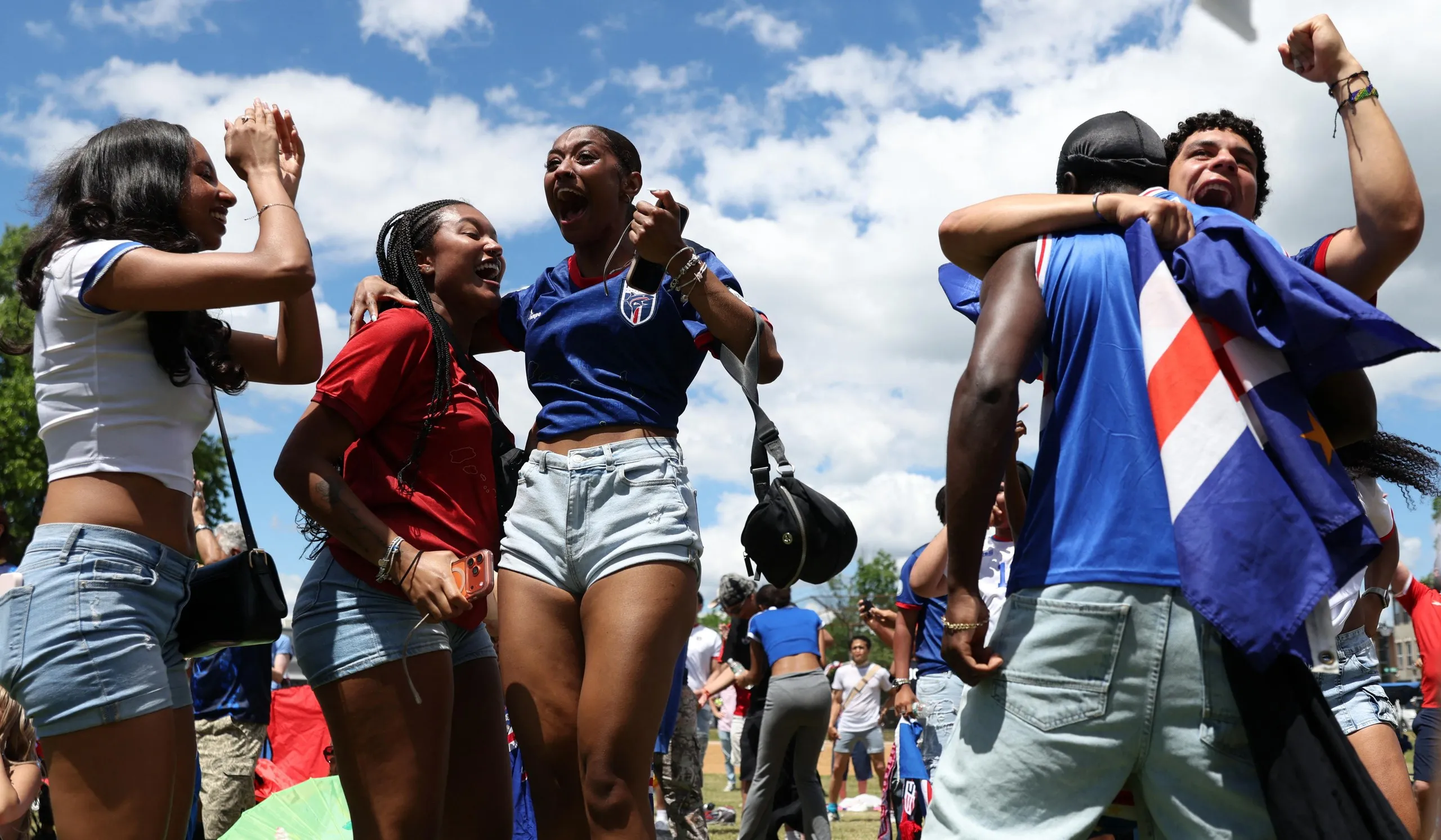
The expanded format has diminished the stakes in the initial group games, as third place in eight of the twelve groups advances to knockout stages. Moreover, the ambiguity around progression criteria—whether four points with a good goal difference or just three points will suffice—has undermined the grand tradition of predicting World Cup outcomes. Is this a reasonable compromise if it leads to fewer meaningless matches at the end of the group stage? We’ll reassess in a week.
Kansas City’s midwestern charm serves as a reminder that the U.S. is more than what is portrayed in the media. However, the severe weather poses challenges. Last Saturday brought sweltering heat and humidity, followed by tornado warnings in the evening. It’s nearly impossible to avoid meat here; chicken seems to be the vegetarian option. Are people interested in football? It’s a mixed bag. The U.S. Men’s National Team’s opening match was on in our hotel lobby, while a group of Americans was engrossed in baseball on another screen, occasionally checking the score. Yet, I recently encountered a Chelsea fan during the Mexico vs. South Korea game who clearly knew his football.
The football itself has been impressive, more open than I anticipated (though we’ll see if that continues into the knockout stages), featuring standout performances from both star players and strong teams, alongside enough surprises to keep things intriguing. Off the pitch, the atmosphere has been chaotic. It feels as though Mexico has been slightly overwhelmed by the enormity of the World Cup, even imposing work-from-home mandates to manage traffic on match days, while the media facilities at the stadiums have been lacking. The food is excellent, the coffee mediocre, and jet lag is a real struggle, compounded by unexpectedly wet weather.