


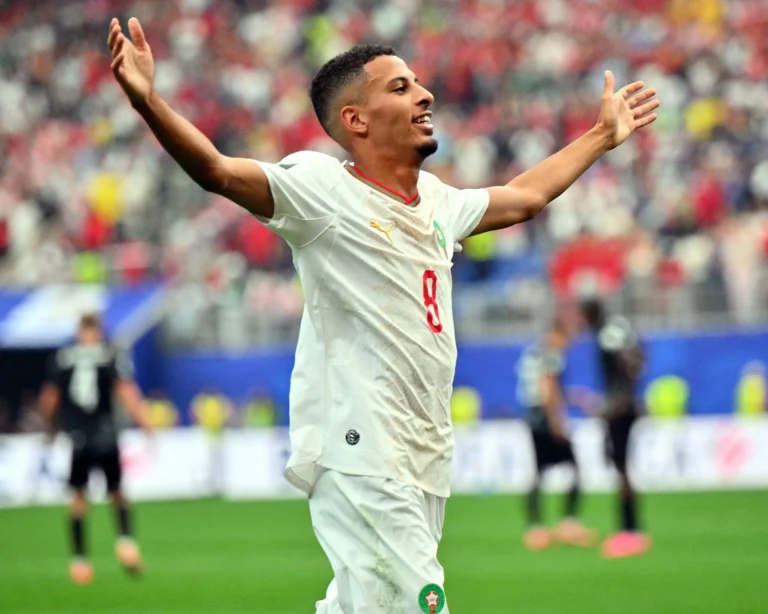
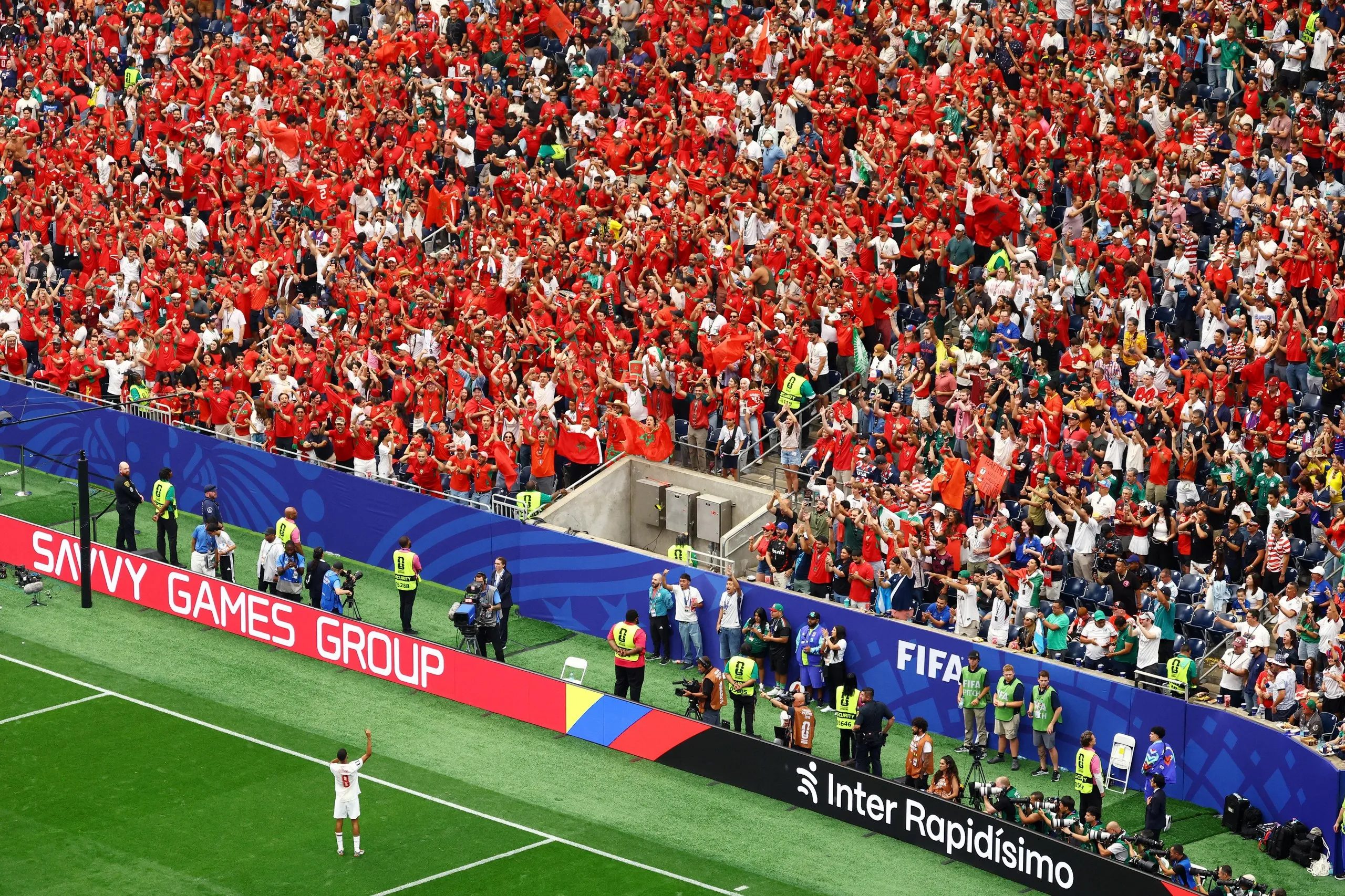
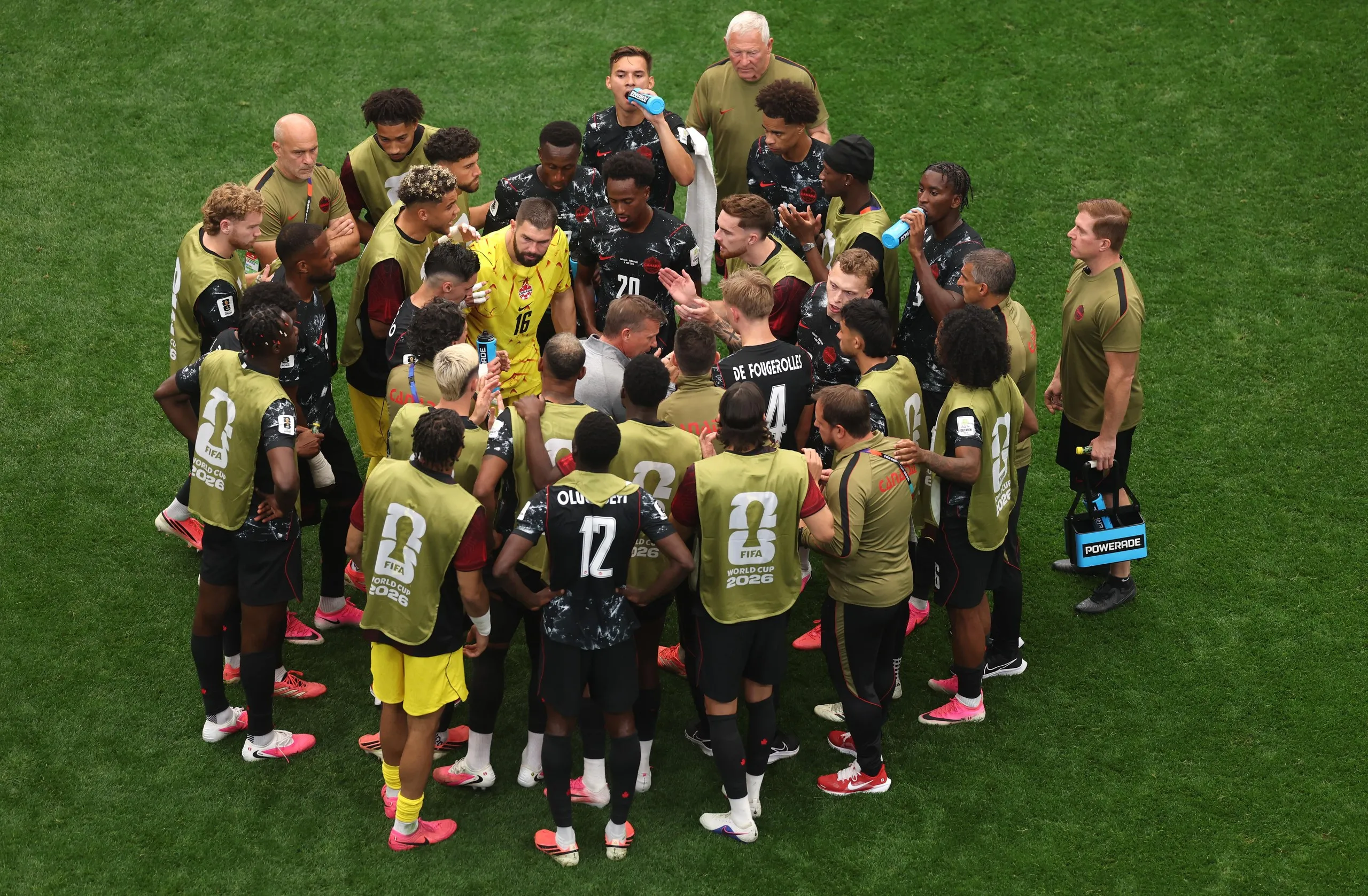
Azzedine Ounahi’s goal early in the second half propelled Morocco to a thrilling victory over Canada, prompting a joyful reaction from coach Mohamed Ouahbi. His enthusiasm was likely mixed with relief, as he stepped into the role after replacing Walid Regragui, who had achieved remarkable success with the team. Although surpassing Regragui’s legacy seemed daunting, Morocco has now etched its name in history as the first African nation to reach the World Cup quarter-finals on two occasions, and their current form suggests they are playing at a higher level.
Critics of Regragui during the 2025 Cup of Nations, which Morocco hosted and may have won pending an appeal, seemed harsh given his record. He led the team to a semi-final finish at the World Cup and had a commendable overall record of just four losses in 49 matches. Questions lingered about whether his tactics were overly defensive or simply a reflection of the team’s playing style.
Complicating matters, Regragui had unintentionally become a symbol of the Moroccan football establishment. During the last-16 match against Tanzania in Rabat, his image drew boos from the crowd, indicating a divide among supporters. Many voiced concerns regarding the financial investments in football infrastructure, aimed partly at preparing for the 2030 World Cup, rather than addressing pressing needs in health and education, especially following the tragic flooding in Safi that claimed 37 lives.
Regragui’s departure came after a contentious final against Senegal, leading to Ouahbi’s appointment. The former Anderlecht assistant, who achieved Under-20 World Cup success last year, has adopted a more aggressive style of play. With improved finishing, Morocco could have avoided the need for penalties against the Netherlands in the last 32 and might have secured victories over Brazil in the group stage.
However, this match showcased an old-school Moroccan approach, characterized by resilience and competitiveness, with their creative talents primarily utilized in counterattack scenarios. It was unclear whether their cautious start was strategic or a response to Canada’s intense pressure.
Ouahbi’s squad demonstrated the same defensive capabilities as Regragui’s, executing a classic counterattacking strategy. They slowed the game’s pace, regrouped effectively, and despite the injury of Ismael Saibari just before the first hydration break, they managed to withstand the Canadian onslaught. Without Saibari, a standout player thus far, Morocco struggled offensively, recording only one touch in the Canadian penalty area before halftime.
Ultimately, they didn’t require another opportunity, taking the lead just six minutes into the second half when Achraf Hakimi set up Ounahi for a strike from the edge of the box. Ounahi was fortunate to still be on the pitch after a first-half booking and a close call with Ali Ahmed, which some argued should have resulted in a second yellow card, as suggested by Canada’s Stephen Eustáquio to referee Michael Oliver.
Morocco accomplished what was necessary. Canada had invested all their energy in a vigorous start, but once their momentum faltered, highlighted by a brilliant foot save from Yassine Bounou against Tani Oluwaseyi, Morocco shifted the game’s dynamics. After neutralizing Canada’s initial surge, Ounahi netted his second goal following a break orchestrated by Chemsdine Talbi and Brahim Díaz, before Soufiane Rahimi capped the scoreline at three during injury time after another swift transition led by Díaz.
The unfolding narrative in football often reveals that revolutions are most vibrant at their inception, retaining elements of a nation’s character. This was evident with Liverpool under Arne Slot, who built upon Jürgen Klopp’s legacy, and with Stefan Kovacs at Ajax, who advanced Rinus Michels’ foundational work. Similarly, Claudio Ranieri transformed Nigel Pearson’s Leicester squad into Premier League champions.
However, challenges may arise later, as Germany may be discovering; despite winning the World Cup with a reboot, discarding the traditional leadership roles has left them vulnerable to underperformance. This concern, while looming, belongs to another day. Presently, Morocco benefits from Ouahbi’s innovative tactics while still leaning on the robust foundation laid by Regragui.
- World Cup 2026
- World Cup
- Canada
- Morocco football team
- match reports