


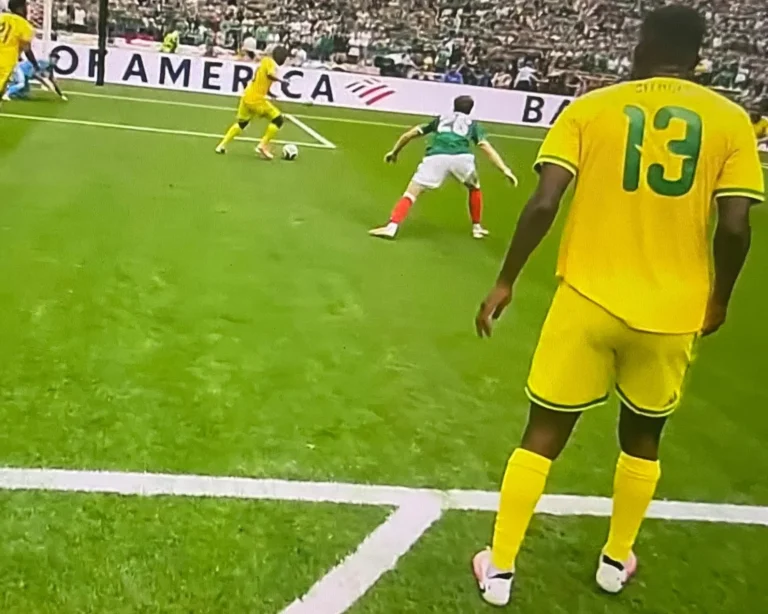
FIFA’s latest innovations at the men’s World Cup have received mixed reactions from fans. However, amidst the noise of the opening day, a standout feature emerged: the enhanced referee camera, known as the refcam.
This cutting-edge device, a small high-definition camera attached to the referee’s headset, aims to provide viewers with an unprecedented perspective. Pierluigi Collina, the esteemed Italian referee and chair of FIFA’s referees committee, stated, “We think that it is a good chance to offer the viewers a new experience … from an angle of vision which was never offered before.”
Previously, a bulkier version was tested during the Club World Cup last year, and the Premier League has also experimented with similar technology. However, the focus in England has often been on contentious moments, such as Manchester United’s Bruno Fernandes confronting officials. In contrast, the World Cup coverage has utilized the refcam to present replays of goals from unique angles, enriching the home viewing experience.
A prime example occurred when Raúl Jiménez scored for Mexico against South Africa. The refcam captured the action from referee Wilton Sampaio’s viewpoint, illustrating the challenges officials face as they track elite athletes and critical plays. Replays of near misses, like Mexico hitting the post toward the end of the first half at the Azteca, highlight the proximity referees must maintain to the action, underscoring the fine margins involved in such high-stakes matches.
During Ladislav Krejci’s goal for Czechia, the refcam revealed the rapid decisions that referee Amin Omar had to make as players converged near the goal line. It showcased the complexities of determining if a player in an offside position was obstructing goalkeeper Kim Seung-gyu’s sight. Although VAR is present to assist, the refcam effectively conveys the swift pace of top-level football in a manner that higher-angle cameras or standard stadium views fail to capture.
Whether this innovative perspective will engender a newfound sympathy among viewers for the immense pressures referees endure is uncertain. As of now, no significant officiating errors have occurred, but with 102 matches remaining in this format, it’s likely that challenges will arise.
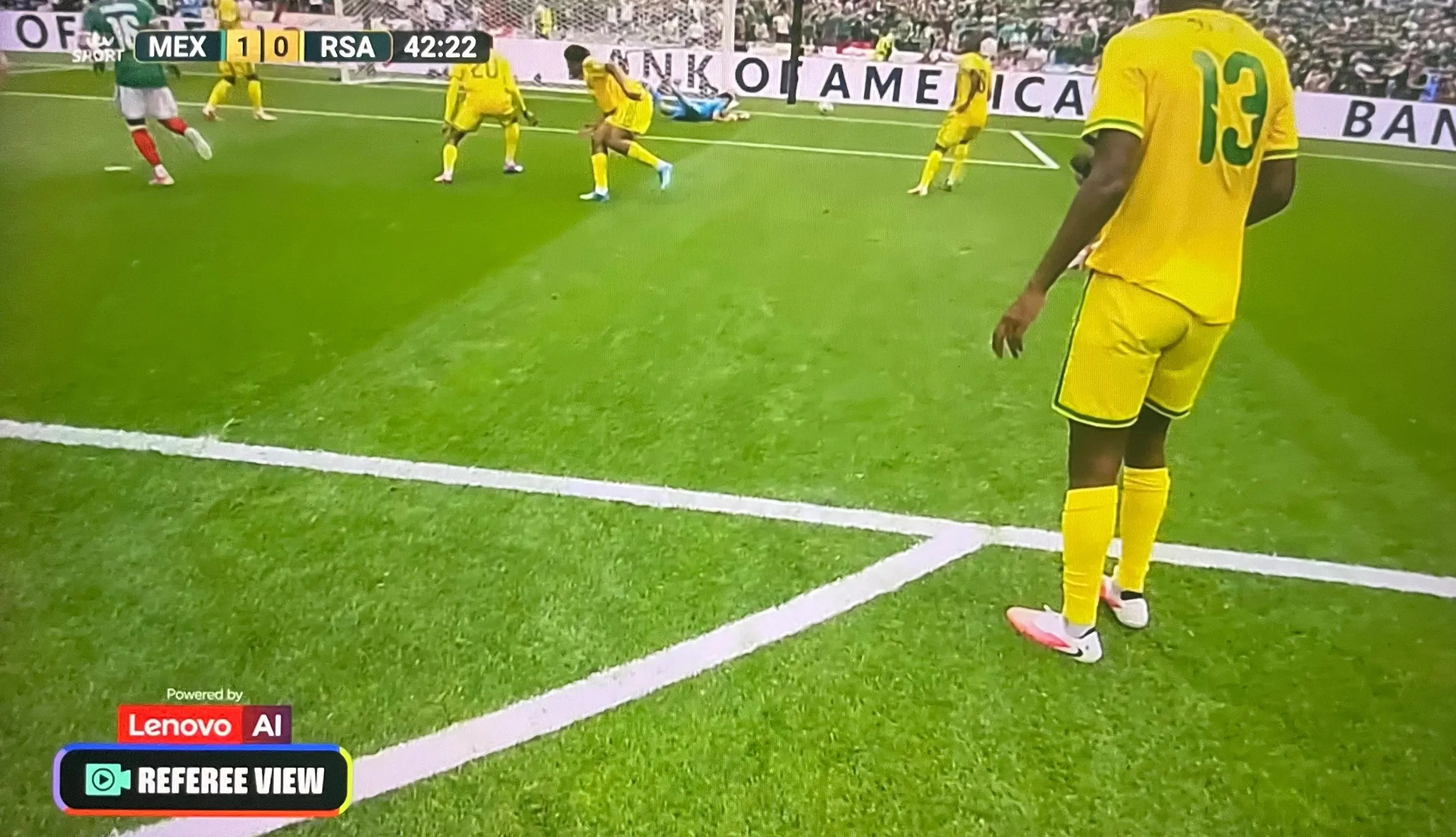
What is abundantly clear is that this approach to broadcasting football is increasingly influenced by the video gaming industry.
Ironically, despite the longstanding divide between FIFA and EA Sports regarding the popular football simulation series, FIFA’s graphic and interactive designers for the 2026 World Cup are drawing heavily from gaming aesthetics. The visually striking opening lineup graphics, which feature digitized players in hyper-realistic montages and data-rich overlays, evoke the loading screens and HUD menus familiar to gamers. The first-person perspective is a common experience in popular games like Fortnite and Call of Duty.
While the refcam is not without its flaws—improvements in stabilization technology are still needed—it has introduced a compelling way for fans at home to feel the intensity of being at the heart of the action on one of the sport’s grandest stages. Amidst FIFA’s recent missteps, this innovation may well point to the future of football broadcasting.