


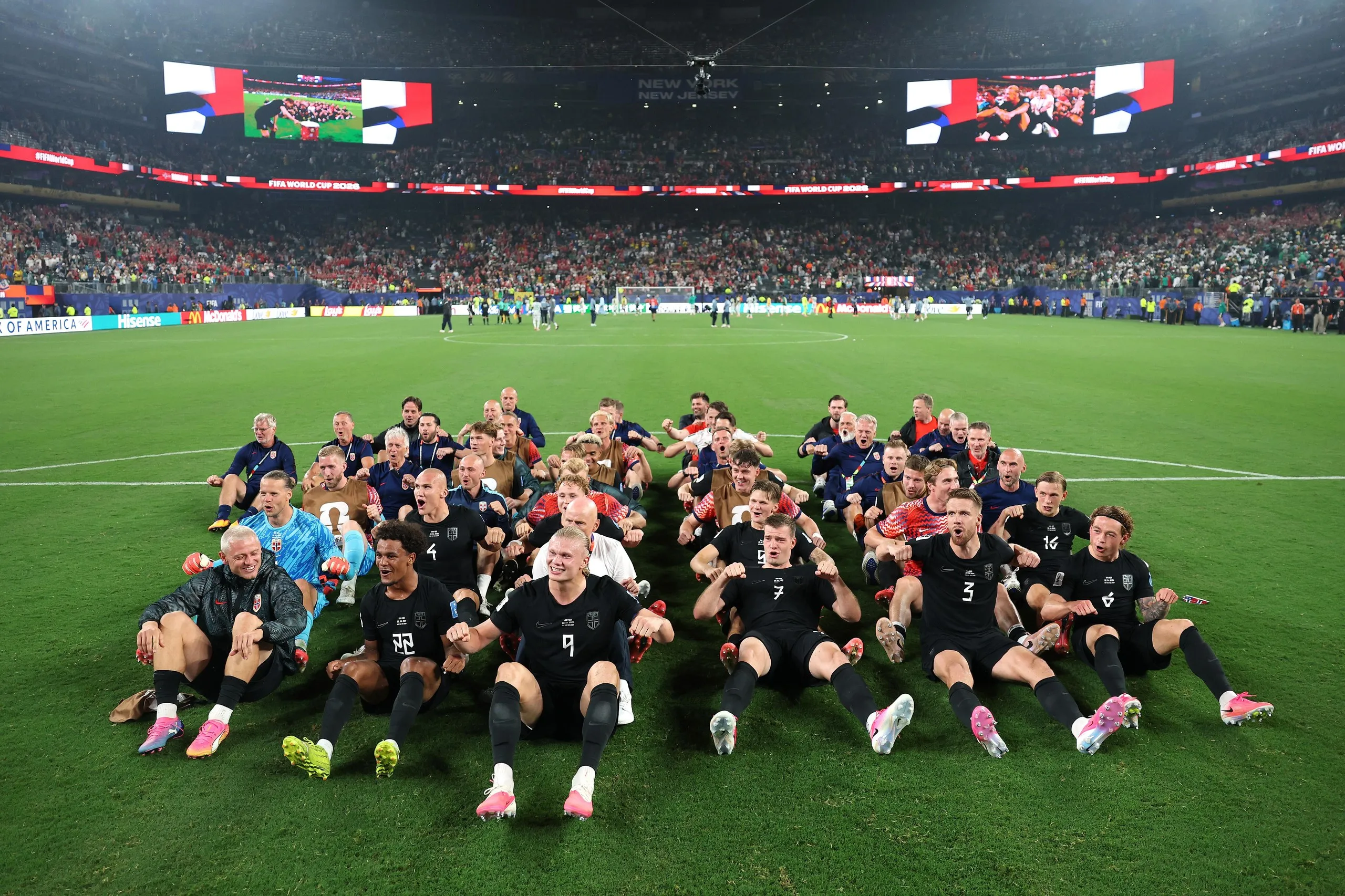
As the final whistle blew in New Jersey, Norway’s players collapsed onto the rain-soaked grass, joyfully embracing each other before gathering closely in front of their supporters, reminiscent of children in a cramped classroom assembly.
Martin Ødegaard, off to one side, began to beat a drum brought for the occasion, while the players and staff joined their fans in a Viking-inspired rowing chant, a celebration routine they have consistently performed during this World Cup.
This heartfelt moment, likely shared widely on social media, marked Norway’s 3-2 victory over Senegal, securing their place in the knockout phase for the first time since 1998.
Norway was never merely an underdog in this tournament; they were always a formidable team, rich in talent and depth, despite the continued focus on Erling Haaland. Nonetheless, Haaland’s brilliance undeniably plays a significant role in their success.
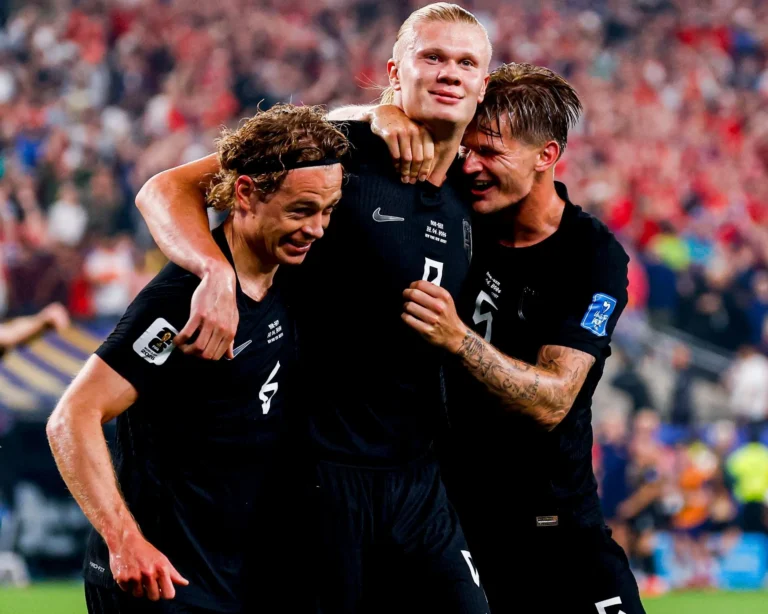
The Norwegians began the match slowly but ultimately overwhelmed a lackluster Senegal team, scoring three times within a 15-minute span around halftime. Haaland’s contribution was expected, yet it was notable that he only netted two goals, bringing his total to four in the tournament, with 57 goals in 51 caps overall and an astounding 16 in his last eight appearances for Norway. Such statistics seem almost unbelievable, highlighting his extraordinary talent.
Norway now shares the top spot in Group I with France, both teams collecting six points. Meanwhile, Senegal and Iraq remain at zero, their performance illustrating the shortcomings of the tournament format. After two losses and six goals conceded, Senegal should be contemplating an exit rather than potential future matches.
Kalidou Koulibaly had a particularly challenging match, contributing to all three of Norway’s goals with a series of glaring mistakes.
The atmosphere felt tumultuous, akin to a game played on a massive ship in the North Sea, as dark clouds hovered over the New York-New Jersey Stadium, with a sense of impending chaos looming.
New Jersey had experienced persistent rainfall throughout the day, enveloping the area in a thick grey mist. The temperature was uncomfortably cool, especially after the warmth of recent days.
This stadium is set to host the final next month, despite its unremarkable appearance. It resembles a large, clunky object protruding from the pavement, and inside, it evokes the feeling of an ancient coliseum with its tiered seating and imposing black speakers, resembling oversized bats resting overhead.
Norway donned black jerseys while Senegal appeared in white. The Norwegians pressed aggressively from the outset, winning several corners and positioning their taller players strategically. Defending against a corner from Norway is no easy task, as Kristoffer Ajer nearly scored from one, directing a header at Édouard Mendy from close range.
Senegal attempted to mount an attack on the right side, but their efforts lacked precision. Nicolas Jackson displayed energy and movement but often found himself offside, consistent with his typical play.
Julian Ryerson exited the match early due to an apparent muscular injury, replaced by Marcus Holmgren Pedersen, who quickly made an impact by delivering a pass for Ødegaard, who sent a shot over the goal.
For the first quarter of the match, the play was disjointed and of poor quality. However, Norway created the best chance in the 36th minute, with Antonio Nusa delivering a curling cross to Haaland, who cleverly redirected the ball to Ødegaard, whose volley was well saved by Mendy.
As halftime approached, Norway recognized that they were facing opponents who appeared fatigued. The opening goal resulted from a combination of two Senegalese errors and sharp finishing. Koulibaly carelessly lost the ball to Pedersen near the Senegal box, allowing him to dribble outside and score with a shot that Mendy should have saved.
In stoppage time, Haaland almost added another goal when Mendy made a critical error in possession. His attempted shot hit the far post, but it was evident Haaland was destined to score against a shaky defense and goalkeeper.
The second goal for Norway came just three minutes into the second half, epitomizing the ideal way to score for the team. Ødegaard advanced the ball, delaying just enough to slip a perfectly timed pass into the path of Haaland, who capitalized on Koulibaly’s misstep. Haaland’s immediate left-footed finish rocketed into the top corner, showcasing his lethal precision.
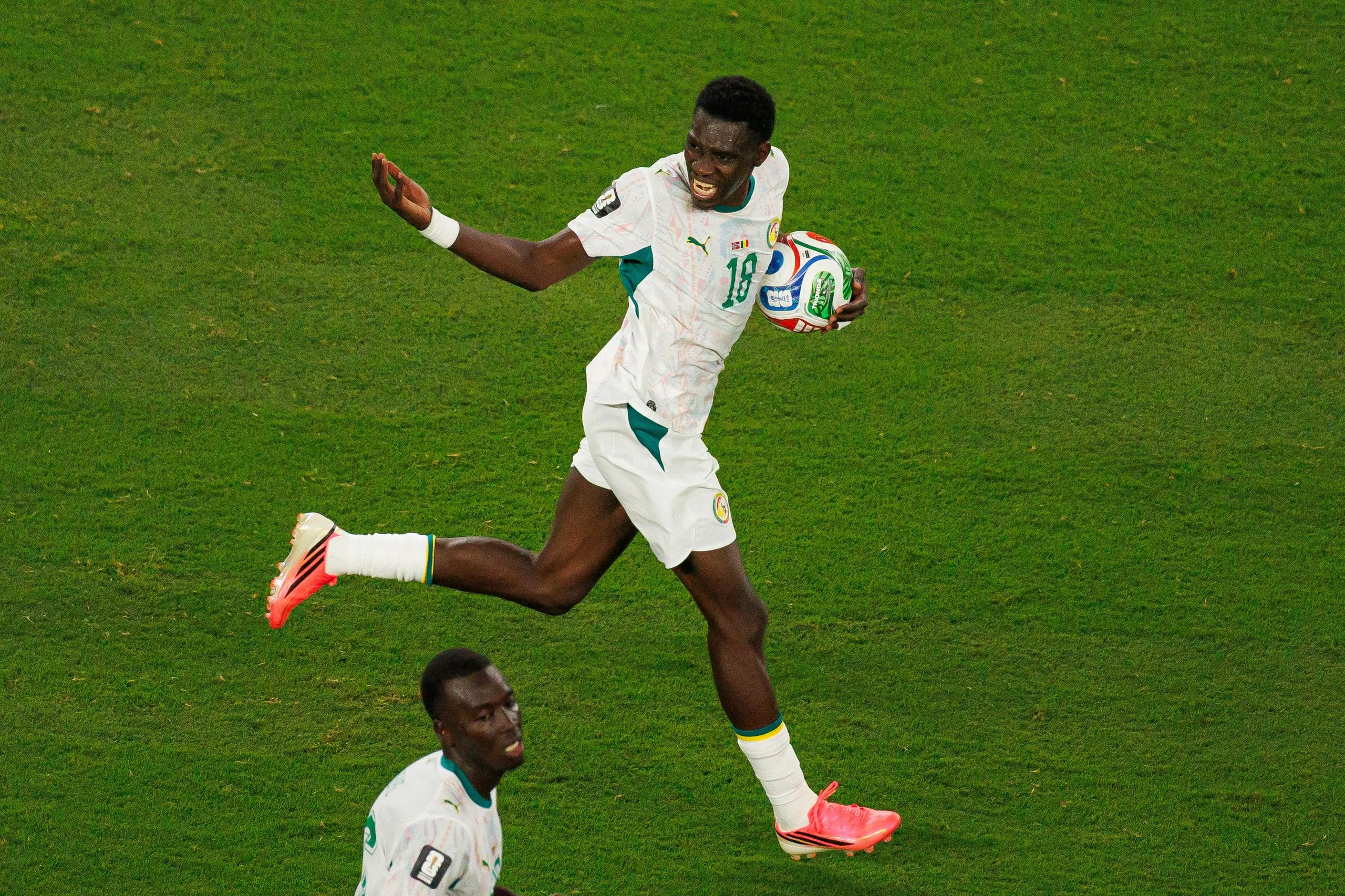
Senegal responded and managed to score on 52 minutes through a well-executed passing sequence. Sadio Mané set up Ismaïla Sarr, who skillfully maneuvered past a defender and slipped the ball past Ørjan Nyland.
However, Haaland struck again on 57 minutes, aided by another mistake from Koulibaly, who failed to control the ball. Patrick Berg delivered a cutback to Haaland, who executed a right-footed volley under the crossbar.
Senegal surged late in the match and found the net through Sarr once more, yet their overall performance fell short of the confidence they displayed leading up to the tournament. A few weeks ago, Senegal’s manager, Pape Thiaw, expressed his unwavering belief in the team’s potential to win the World Cup, stating he would prefer to resign rather than abandon that hope. For now, he remains in charge, and a final match against Iraq could still yield a path to progress.
Thiaw also acknowledged Norway’s prowess, calling them the best European team at present. Their performance at times demonstrated not only solidity but also creativity and speed in their attacks. Norway enjoys strong support with no heavy expectations. Above all, they possess the insatiable goal-scoring appetite of Haaland. Thus, they are not just contenders but stand as serious challengers in an unusually open World Cup.