


England fans may need to brace themselves for a tense encounter on Saturday night as the World Cup quarter-final against Norway is likely to be a battle of endurance, potentially stretching to 120 minutes of closely contested play. This match promises to be far from straightforward, and a rapid pace should not be anticipated.
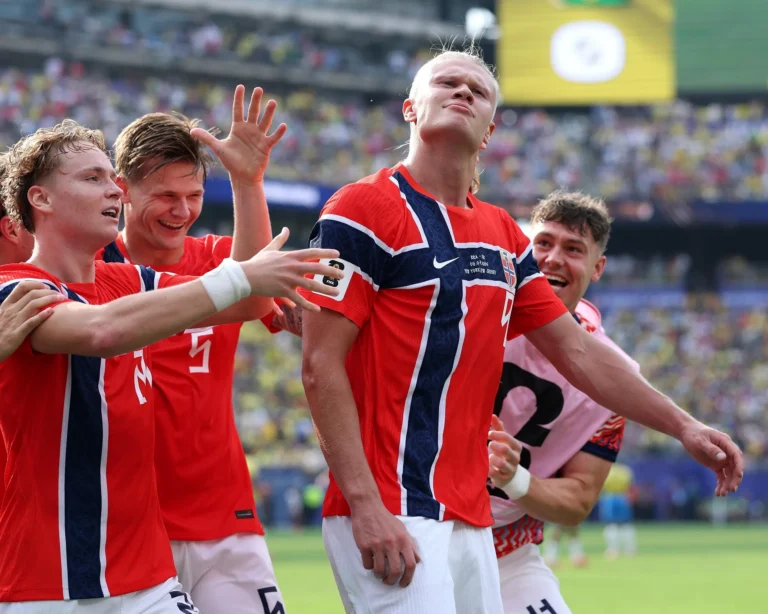
Norway, armed with the formidable Erling Haaland, represents a significant threat. England’s primary tactical objective must be to limit Haaland’s opportunities for service, as his ability to convert even the slightest chance into a goal is well-known. With his clinical finishing, denying him the ball will require considerable effort from the English side.
Haaland’s service comes through various channels. Norway’s patient buildup play was on display during their recent victory over Brazil, where they maintained control of the game while effectively utilizing their wingers, particularly on the left. The consistency brought by their coach, Ståle Solbakken, who has led the team for over six years, is evident in their organized approach.
When Haaland moves within the box, he creates a dilemma for defenders, as they struggle to keep track of both the ball and the player. This skillful maneuvering is a hallmark of his prowess as a striker, allowing him to exploit openings with explosive speed. His ability to evade defenders’ sightlines and dart into advantageous positions is a critical aspect of his game.
Coaching strategies aimed at countering his runs may prove futile, given his physicality. It will be interesting to see if England opts to position Dan Burn directly against him, as this matchup seems most logical.
Haaland’s aptitude for early crosses allows him to find space at the back post and score from various angles. His finishing techniques, including powerful shots and quick one-touch finishes, make him a versatile threat. Furthermore, he appears to be enjoying the tournament, playing with confidence and joy—a concerning sign for England.
Norway’s cohesiveness as a team is notable; they understand their strengths and work collectively to support each other. England must concentrate on cutting off service to Haaland and complicating matters for his teammates.
This approach encompasses various tactics, such as reducing the number of corners conceded and intercepting those crucial slip passes that could bring Haaland into play around the penalty area. Midfielders and full-backs must apply pressure on the ball to prevent crosses, which should be a key principle for the team. Fortunately, England’s defensive line boasts significant pace and athleticism.
On Norway’s left flank, Antonio Nusa has shown impressive form, while Alexander Sørloth, who played in the win against Brazil, leans more towards a center-forward role. Oscar Bobb’s impactful performances off the bench have been remarkable, highlighting that Norway is not solely reliant on Haaland.
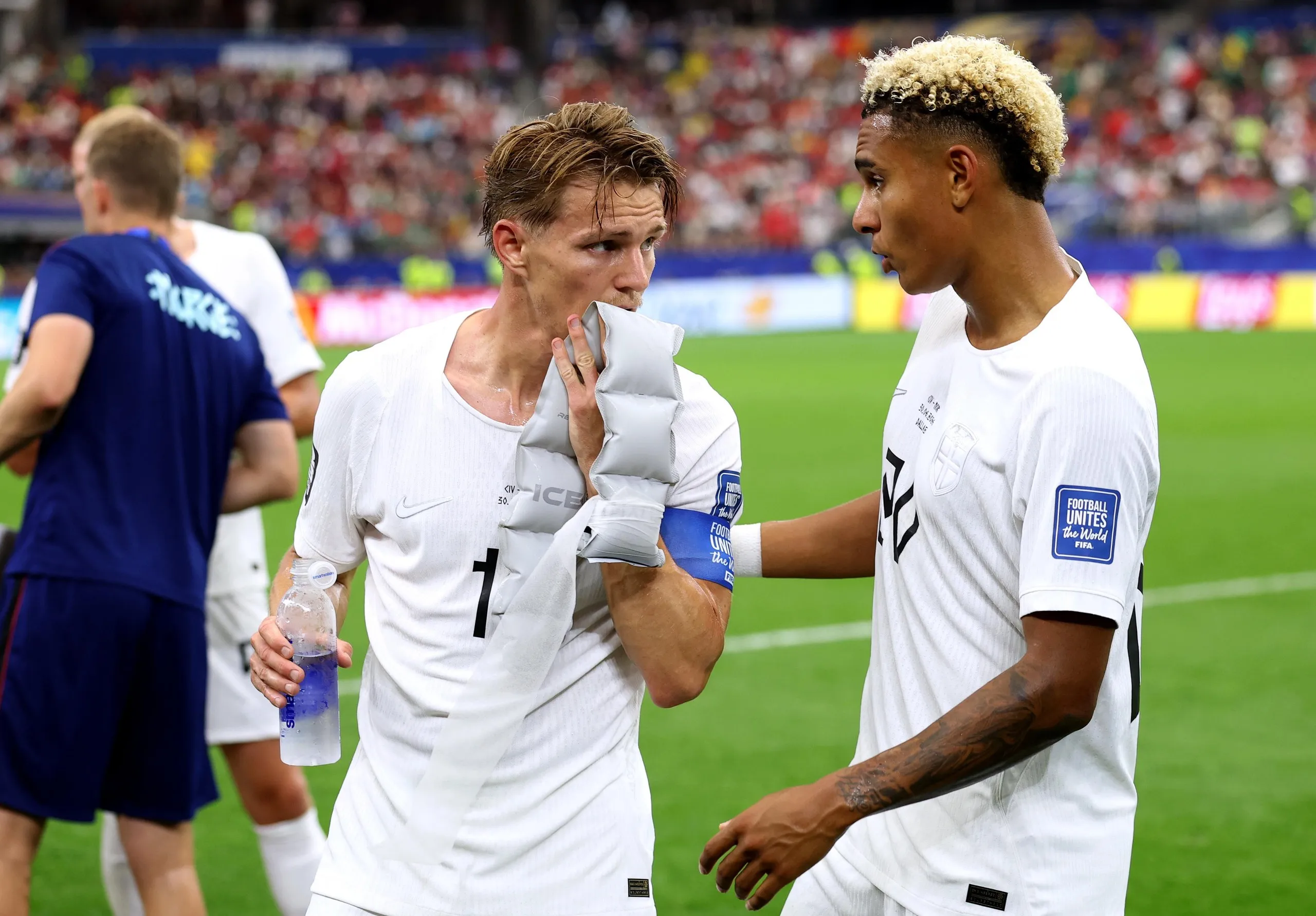
Martin Ødegaard has also demonstrated his quality throughout the tournament, effectively linking play from midfield to the attack. The Arsenal star’s intelligence and ability to find space make him a key player for Norway.
Norway deserves recognition for their ability to build from the back, coupled with a dynamic midfield that creates opportunities through unstructured play and overloads, which can pose challenges for England. Their wingers possess the dribbling skills necessary to cause disruption, while midfielders can arrive late to finish off chances.
As a result, England’s full-backs must be diligent in their duties, working with midfielders to cut off passing lanes and limit creative opportunities. With Norway deploying two high No 8s, Thomas Tuchel will likely instruct his team to make it challenging for them to gain possession.
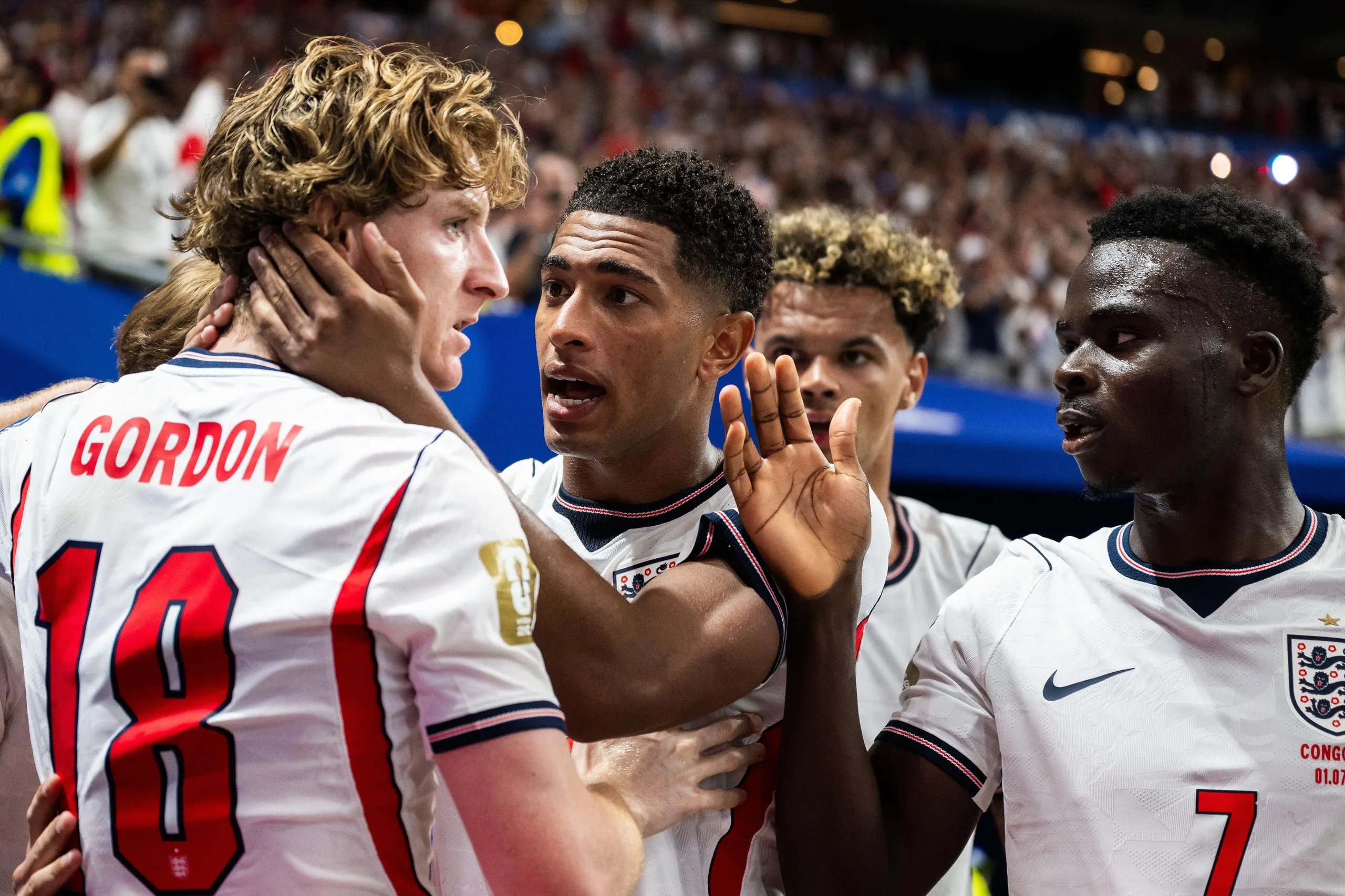
This scenario opens up transition opportunities for England on either side of their single pivot in midfield, potentially benefiting Jude Bellingham, who has been in exceptional form. England can create numerous chances, particularly with Bellingham and Harry Kane leading the attack. I hope to see Anthony Gordon and Bukayo Saka, who excelled against Mexico, continue their strong performances. During transitions, England can be particularly threatening, especially with Bellingham making runs into the box.
However, viewers should note that this match will feel markedly different from England’s classic win against Mexico. The sweltering Miami heat will be a significant factor, affecting both teams’ stamina and pace. Expect to see slower ball movement as they adapt to the conditions; Miami can be unforgiving.
In England’s previous encounter, a 3-2 victory at the Azteca Stadium, they demonstrated resilience, bouncing back from a setback to score an additional goal while down a player. This character will be essential to their success. Despite the talent disparity in an even matchup, every World Cup game is a tough contest.
Nevertheless, England appears well-equipped to endure the tournament’s challenges, bolstered by their blend of experience and their ability to overcome adversity. This moment represents a significant opportunity, especially following the confidence gained from their win in Mexico. The biggest test will be managing the adrenaline rush and finding the strength to perform again in the demanding Miami climate.
- World Cup 2026
- Erling Haaland
- Norway
- England
- World Cup
- comment