


The 2026 men’s World Cup is set against a backdrop starkly different from any previous host nation. While even the Nazis made efforts to soften their image ahead of the 1936 Berlin Olympics, the United States under Donald Trump appears unconcerned with foreign perceptions. Instead, it openly embraces its darker traits, seemingly reveling in the disdain it provokes.
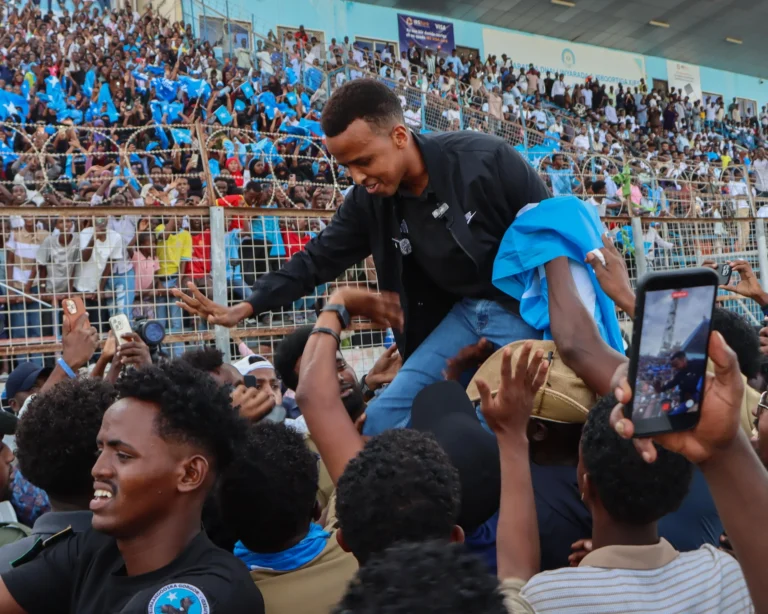
Consider the recent actions taken by the administration regarding Omar Abdulkadir Artan, who was denied entry just before the tournament commenced. Artan hails from Somalia, a country Trump has disparaged, labeling its citizens as “We want to make sure we are not going to allow a soccer tournament to be the opportunity for terrorists to potentially get in the country,” and “Freedom of the press is very important to Fifa,” Andrew Giuliani, leading the White House World Cup task force, stated, “is not a meaningful growth driver”
Such decisions evoke a strange sense of sympathy for a referee amidst the World Cup’s ongoing display of cruelty. Iraq’s vice-captain was detained for several hours upon arrival, while thirteen Iranian delegates remain without visas, their tickets rescinded. Reports indicate that 11 of the 48 participating nations, all from the global south, are experiencing travel challenges or heightened visa denial rates.
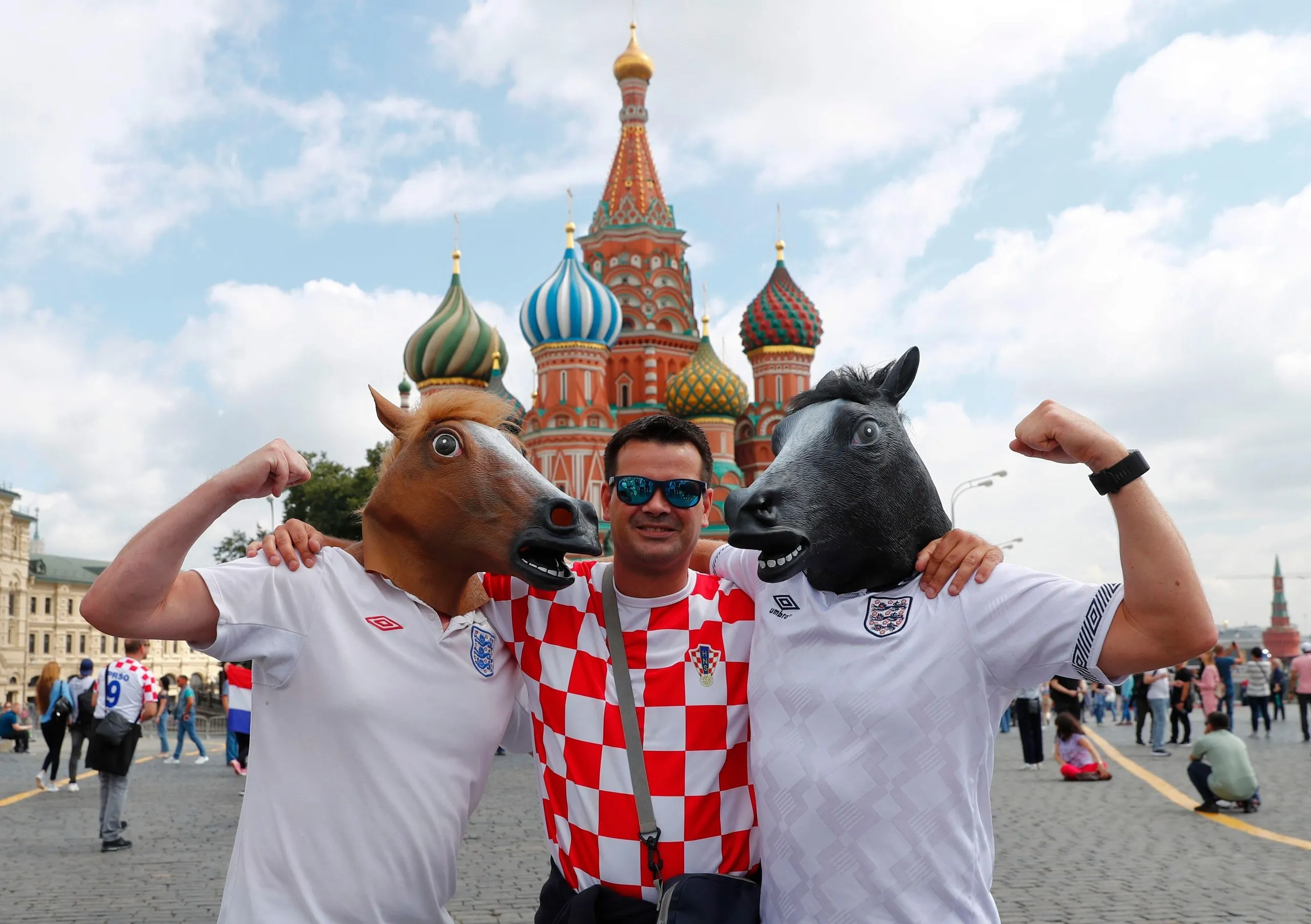
Turning to FIFA, the organization responsible for appointing Artan, the body previously claimed that “football unites the world” Yet, FIFA has a history of exerting pressure on host nations. In 2014, it threatened to revoke Curitiba’s hosting rights in Brazil due to delays in stadium construction. In 2018, it managed to persuade Russia to ease immigration restrictions for fans and intervened to lift a ban on journalist Hajo Seppelt, with FIFA asserting that “freedom of the press is very important.”
FIFA’s influence stemmed from its dealings with countries eager to enhance their global standing through soft power and tourism. Since 2010, every men’s World Cup host has been in a position where FIFA was needed more than they needed FIFA.
However, the United States may be the first host to reverse this dynamic. It does not rely on the financial benefits of the event; a Saxo Bank report suggests the economic impact will be less than 0.1% of GDP and “is not a meaningful growth driver.”
Conversely, FIFA is in dire need of revenue. Gianni Infantino’s best opportunity to sustain his financial power lies in tapping into the lucrative U.S. sports market. For instance, the upcoming 2030 World Cup—set to be hosted across several nations including Spain and Portugal—is expected to incur higher expenses and lower ticket revenues, with the deficit compensated by increased marketing and broadcasting revenues.
As the World Cup expands to 48 teams, the pool of potential host countries diminishes. Essentially, FIFA now relies on the U.S. far more than the U.S. relies on FIFA, which has implications for the treatment of participants and the potential for protests at venues.
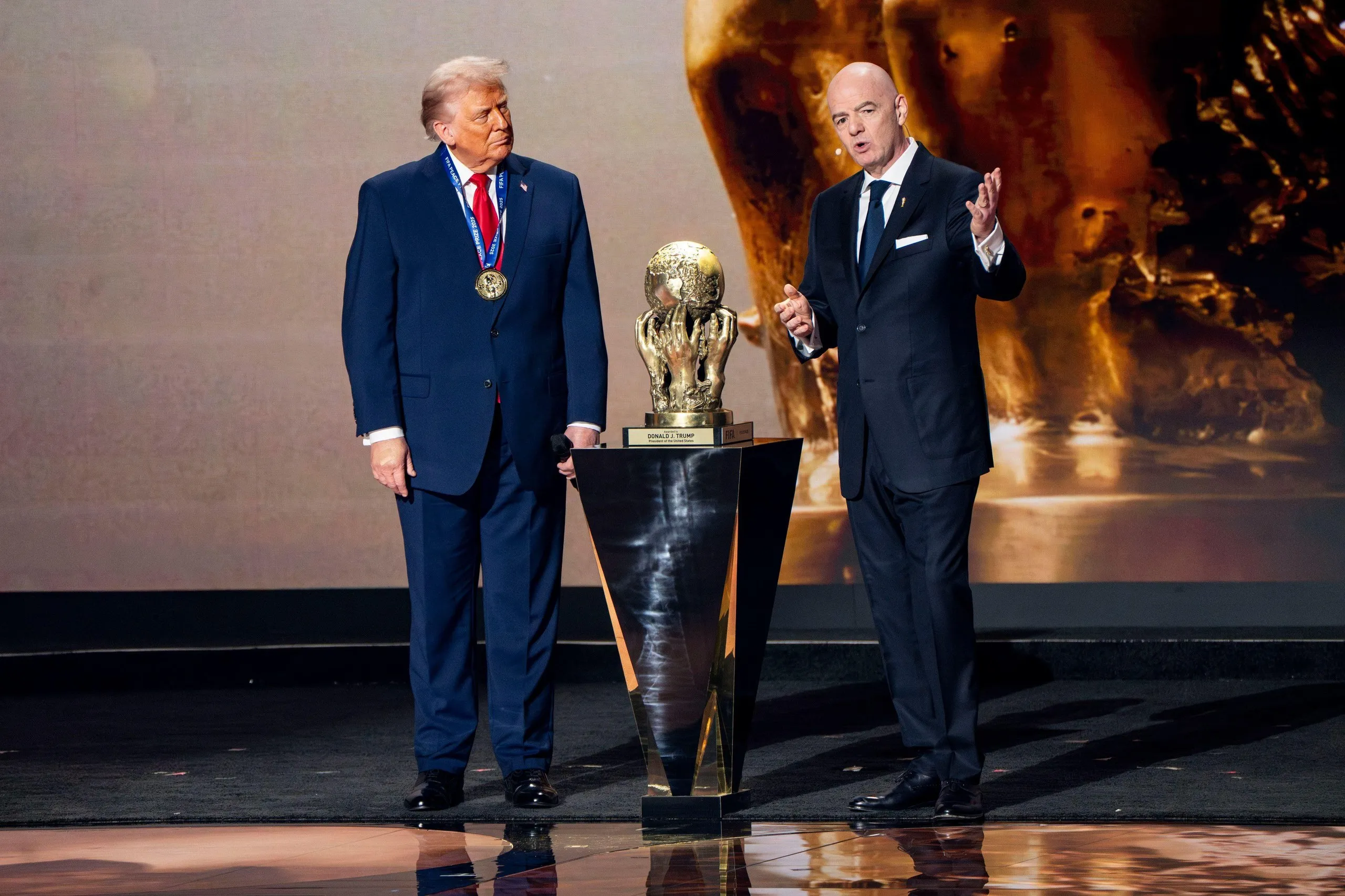
FIFA has indeed articulated its perspective clearly. By repetitively asserting that “football unites the world,” Infantino inadvertently reveals his disregard for certain groups, perhaps viewing them as less than human. This mindset extends to the imprisoned dissidents in Russia and the nameless migrant workers in Qatar, as well as to those deemed adversaries by the Trump administration—whether they be Senegalese fans or journalists challenging the status quo.
A viable resolution—one that involves a more modest World Cup, less dependent on autocratic regimes and accountable to the public—remains off the table. The prevailing imbalance seen in this World Cup could set a troubling precedent for future sporting events. Notably, the 2034 World Cup in Saudi Arabia will likely take note of FIFA’s capitulation here, highlighting its lack of backbone in the face of authoritarian power and commercial interests.
For decades, FIFA has engaged in what Martin Müller described as “event seizure,” wherein major sporting events dominate their host cities, altering local laws and draining resources. In a twist, it appears the opposite has occurred: the U.S. has commandeered the World Cup, reshaping this treasured global event into something that aligns with its own political agenda.
Perhaps this situation does not concern you. If you still see sports as an escape from political realities, you might enjoy a World Cup filled with mismatched game formats, challenges from heat, an unfair qualification process, and a plethora of empty seats, all while police keep watch just out of sight.
Infantino represents the symptom, not the cause, of these issues. Yet, his self-styled image as a global statesman stands in stark contrast to the reality that this summer will solidify his legacy as one of sport’s greatest cowards—a small-minded individual who surrendered control of his own tournament, yielding to those with true conviction while squandering the influence of a monumental cultural force.