


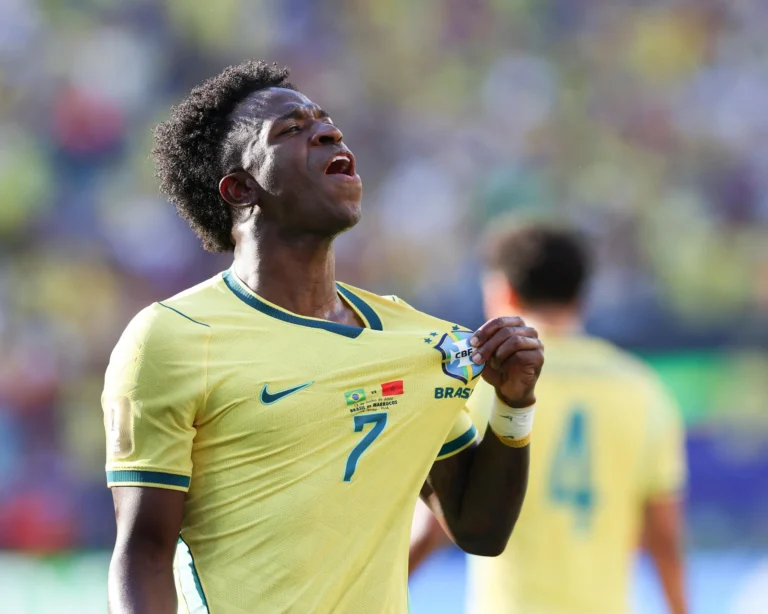
Participating in a World Cup is an unparalleled experience; when representing your country, the entire focus shifts to the team’s itinerary — the hotel, training facilities, and stadium — essentially, everything revolves around the matches.
During the 2022 World Cup, I immersed myself in this routine and recognized the profound commitment that the tournament demands. As I continue to recover from my injury in this 2026 edition, I am experiencing a different aspect of the World Cup: a celebration of reunions, filled with numerous events across various cities and countries, fostering opportunities for engaging conversations and remarkable experiences.
In New York, over a couple of afternoons, I encountered true legends, icons, and friends made through football. These moments were invaluable, allowing me to listen, share ideas, and receive encouragement from stars like Marcelo, Kaká, Paul Pogba, and Zinedine Zidane. What began as a scheduled event for a common sponsor transformed into a friendly discussion among different generations, all connected by the passion that football evokes. We were present among the fans, five representatives from Brazil and France, warmly welcomed by hundreds from around the world, all hoping for a brief interaction, a photo, or a wave. I too have my idols; I even managed to obtain an autographed shirt from Zidane, my former coach and a legend in the sport.
Sharing that space in the heart of the event venue near the Brooklyn Bridge, we discussed our past experiences, the infectious energy that permeates the World Cup, and of course, the matches that had already unfolded. Naturally, expectations are high for the Brazilian national team, and in football, “the best” translates to victory. However, it’s crucial to remember that the opening draw against Morocco marked just the beginning of our journey; despite falling behind, securing a draw was vital for our path forward.
The World Cup introduces challenges that are unique compared to other competitions. Situations evolve constantly, and almost nothing remains fixed. If the first game doesn’t go as anticipated, it doesn’t necessarily mean subsequent games will follow the same trajectory. Conversely, a significant victory does not assure ease in the next match or consistent performance levels.
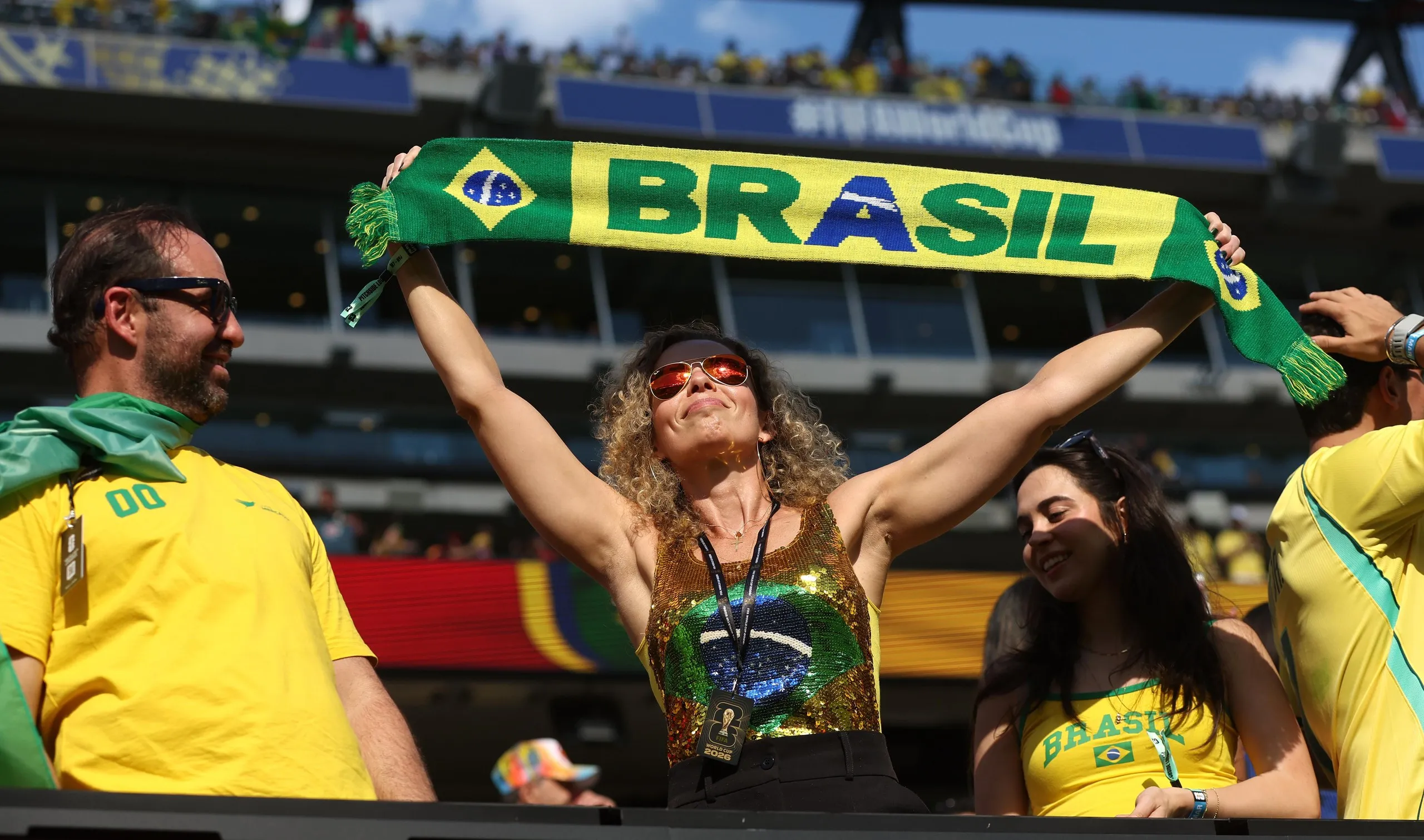
It resembles a fast-paced marathon, with stages that feel distinct from one another, offering numerous opportunities for transformation throughout the journey. There are eight crucial matches on the road to the championship, and during the group stage, not every setback indicates an early exit. A single team can embody multiple versions of itself throughout the tournament, and this variability is part of what makes the World Cup incomparable.
When we step onto the pitch for a World Cup match, our focus is singular: to deliver our utmost performance. We have trained diligently to arrive in peak physical, technical, tactical, and mental condition. Each player is there to support the team and the nation with everything they’ve got.
Before and after the matches, opponents are viewed as fellow professionals and friends. However, once the whistle blows, every player concentrates on their role, determined to assist the Seleção in moving forward. While the outcome can’t be predicted, what can be assured is dedication and the right mindset, leaving everything on the field.
Wearing the Brazil shirt carries immense pressure, but it also fosters a constructive sense of responsibility. This pressure stems solely from the legacy of our football, the titles we have achieved, and our historic place in the sport. The fans’ sentiments often hinge on the outcomes, which is understandable in a nation so accustomed to frequent success.
As a player, it’s essential to recognize that a wave of criticism isn’t the end of the world, just as an influx of praise doesn’t guarantee that everything is settled or that we will clinch the tournament. Distinguishing between factual, balanced assessments and comments driven by raw emotion and frustration is crucial.
Players are not shielded from social media commentary. I advocate for employing a filter: a way of discerning what is pertinent and worthy of a response from what is merely noise, designed to cause harm and detached from reality.
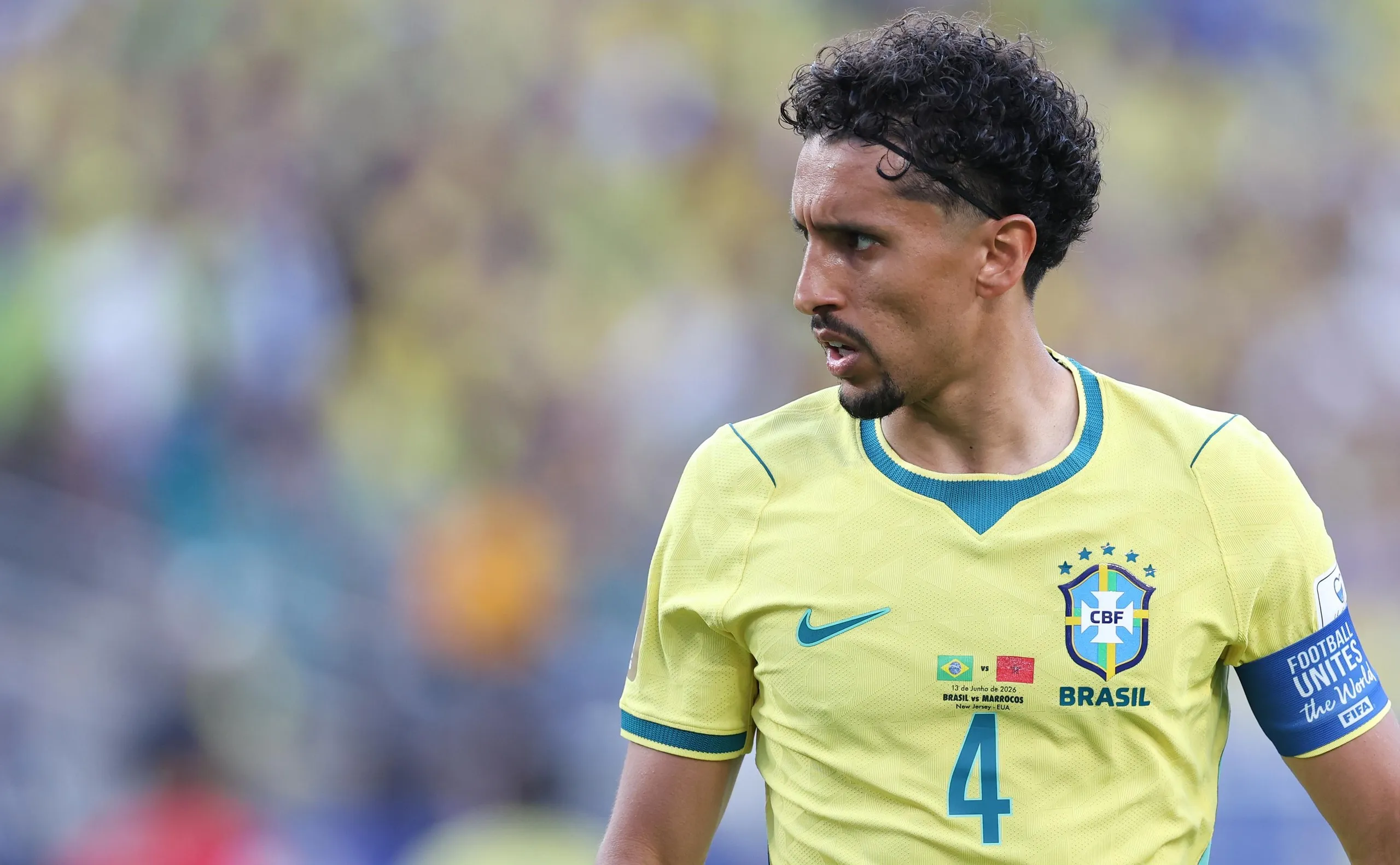
A World Cup player’s routine involves committing significant time to their profession. Nevertheless, players are human beings who interact — even if just online — with friends, family, professional acquaintances, and fellow athletes. Consequently, social media comments can easily reach them through these various channels. Among the messages received, some may be intended to induce distress or provoke anxiety. A football player is a human being and can be affected by such images, videos, or comments, just like anyone else. We don’t actively seek them out or read them; most players don’t pursue comments and have support teams that manage the filtering process.
However, sometimes the sheer volume ensures that some of it finds its way to us. Thus, maintaining focus on performance during matches is paramount. Ultimately, it is our on-field contributions that should resonate the loudest.