


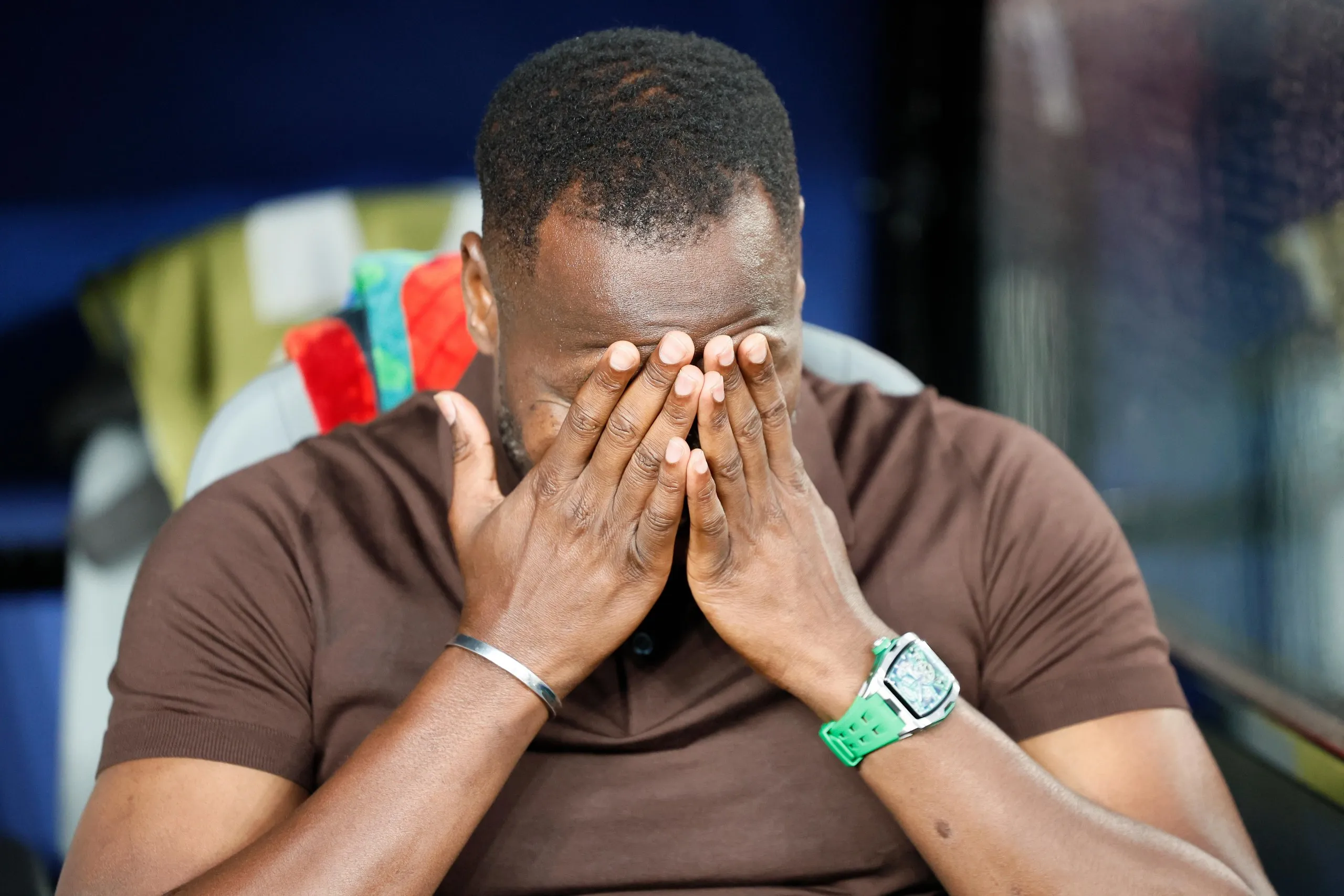
As the longest-serving president in the history of the Fédération Sénégalaise de Football (FSF), Augustin Senghor anticipated guiding the Lions of Teranga through another World Cup, having previously done so in Russia and Qatar. However, the 60-year-old lawyer, who also serves as the mayor of Gorée island—a significant site historically for the transatlantic slave trade—unexpectedly lost his position in the FSF elections last August.
“After losing the election I decided to stay quiet and not talk too much about football, to allow the new administration to take charge, with my cooperation and full support,” Senghor stated. His tenure was marked by notable achievements and professional management within the FSF, contrasting sharply with the recent governance missteps under the leadership of Abdoulaye Fall, which have become the subject of scrutiny in Senegal.
Senegal’s head coach, Pape Thiaw, had been operating without a formal contract since February and was owed five months of unpaid salaries, prompting him to initially refuse travel to the United States for the World Cup until intervention from Bassirou Diomaye Faye, the president of Senegal. “When this situation happened, Pape called me to discuss it,” Senghor recalled. “I told him that he had to focus on the assignment for our nation and not be distracted. Seeing our nation do well is what is more important. “Many in the country have been asking why there are so many problems with the management of the team, as they say that this was unheard of during my time. I have chosen to stay silent until the first anniversary of my departure as FSF president. That is when I will speak my mind.”
“It was not never a money issue but a principles and respect issue,”
Just prior to Senegal’s 3-2 defeat against Norway on Monday, Thiaw revealed that his contract and salary issues had finally been settled. Reports indicate that a demand for a $100,000-per-month salary had created a protracted negotiation stalemate with the national government responsible for the payments. Thiaw expressed his frustration with the drawn-out discussions, asserting, “Every ball I touched went wrong” This turmoil follows the fallout from the remarkable Africa Cup of Nations final held in January in Rabat.
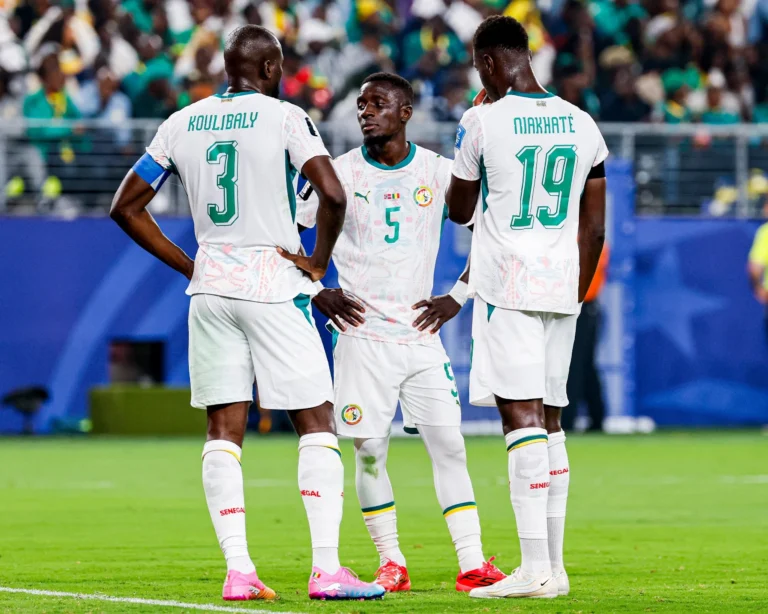
Following losses to both France and Norway, Senegal now faces a challenging path to secure a spot in the last 32 of the World Cup, marking the first occasion since their notable 2002 debut that the Lions have suffered two consecutive defeats in a finals. Thiaw is under intense scrutiny from both the public and media regarding his player selections and tactical decisions as the team prepares for their final group match against Iraq.
Kalidou Koulibaly has notably struggled with fitness issues, having been sidelined since early April due to a muscle injury incurred during a training session with his Saudi club, Al-Hilal. After the loss to Norway, Koulibaly acknowledged his performance fell short of expectations, stating, “I made a lot of mistakes [and] that’s really unfortunate, because losing a match in this way is a real shame, especially at the World Cup. “We know the level here is very high, and you can’t afford mistakes – we made too many to be able to win the match. It happened to me, tomorrow it could happen to someone else. I just hope I can continue helping the team. We have to win.”
“We know the level here is very high, and you can’t afford mistakes—we made too many to be able to win the match,” he continued. “It happened to me; tomorrow it could happen to someone else. I just hope I can continue helping the team. We have to win.”
Additionally, there is growing discontent over Thiaw’s hesitance to utilize promising young talents within his squad. For example, Pape Matar Sarr from Tottenham was expected to step in for Koulibaly against Norway, and not deploying the 23-year-old against Iraq could prove detrimental.
Sadio Mané, a long-time star for Senegal, has also been largely ineffective in this World Cup, which could be his final tournament. Thiaw must rely on the 34-year-old to regain his scoring instincts in the crucial match against Iraq, fully aware that failure to secure a decisive victory in Toronto could lead to an abrupt end to his 18-month tenure as head coach.
- Senegal football team
- World Cup 2026
- World Cup
- features