


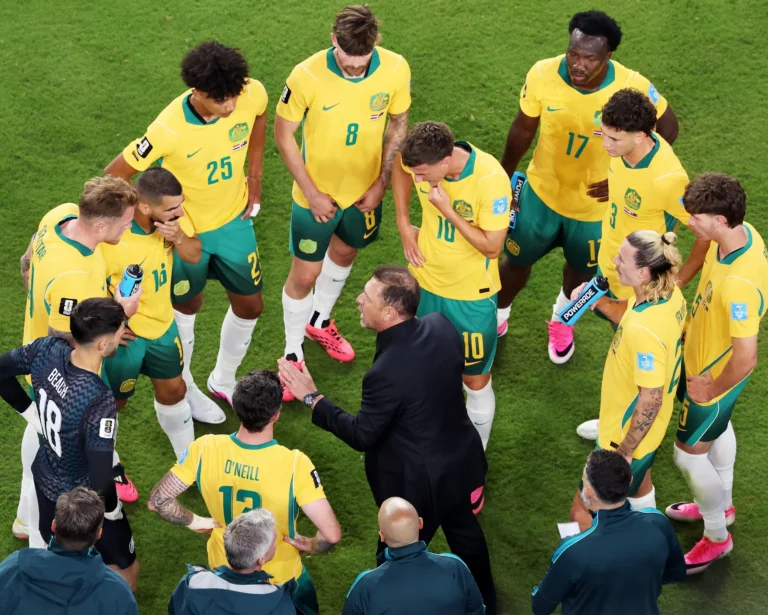
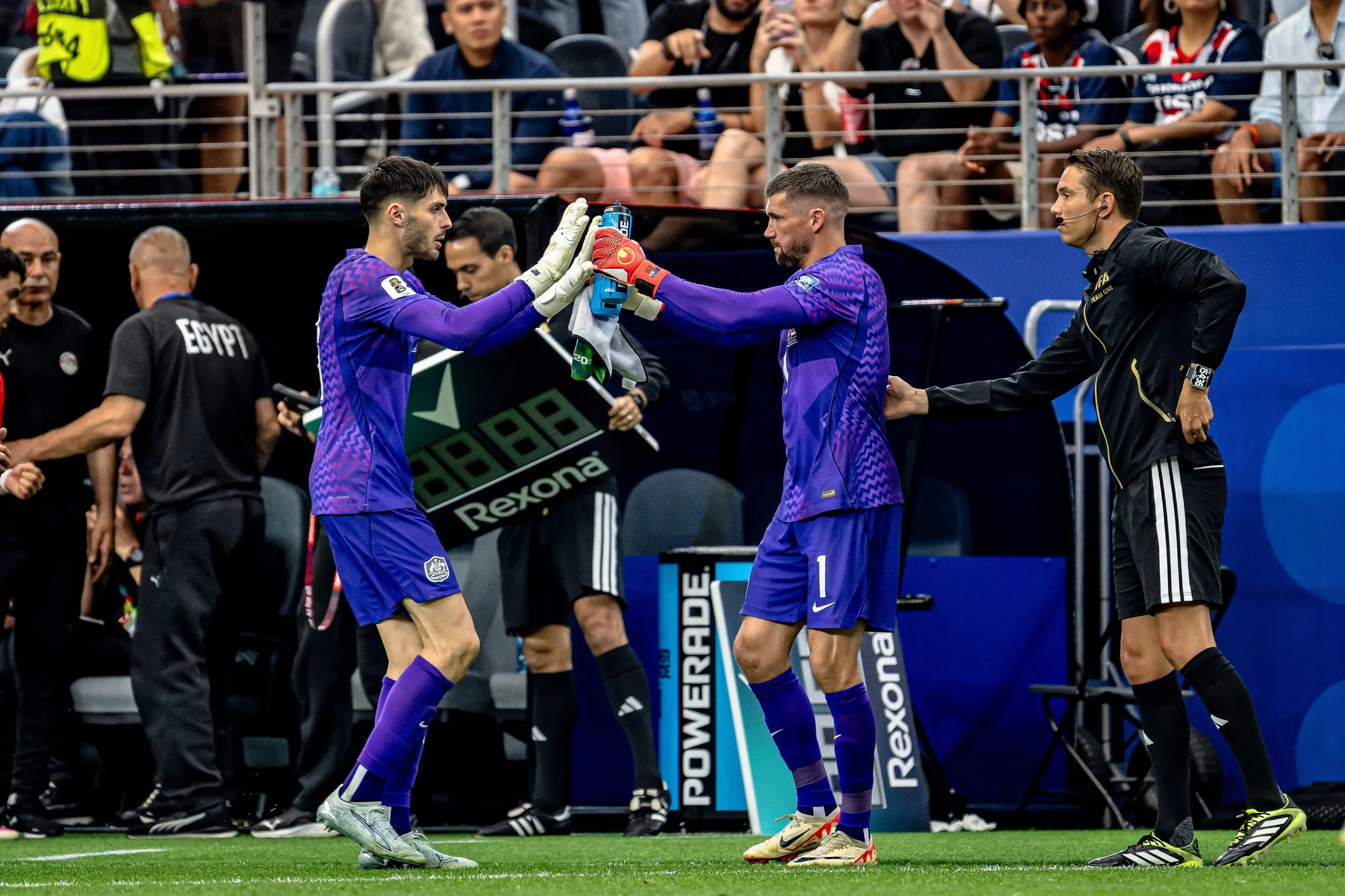
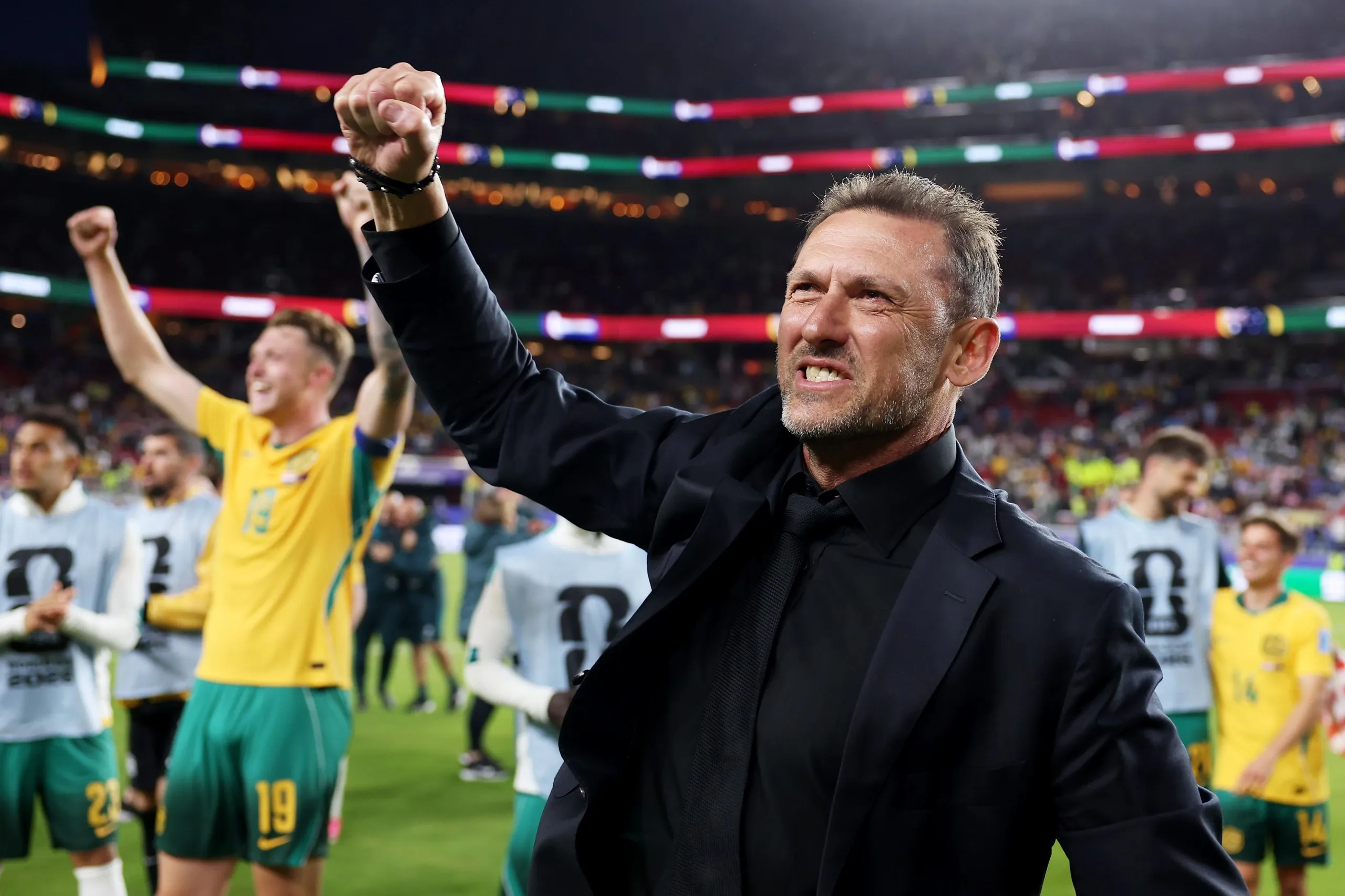
Following Australia’s recent penalty shootout defeat to Egypt, coach Tony Popovic has faced a wave of criticism, particularly regarding his decision to substitute Maty Ryan and task 18-year-old Lucas Herrington with a pivotal penalty kick. However, in a show of support, Football Australia chief executive Martin Kugeler expressed confidence in Popovic, stating, “Every fan believes he’s a great national coach, right?” This comment, while seemingly controversial, highlights the ongoing support Popovic has within the organization.
Despite the backlash, Popovic has proven himself as a competent manager, successfully navigating a tough World Cup group. The pressing question for Australian football is whether he is the right leader to move the Socceroos into the future. Is the defeat to Egypt indicative of his shortcomings, or merely a minor setback in the evolution of a promising squad? Kugeler noted, “Every fan will think about what can be done better,”
Fans have been urged to trust Popovic throughout the tournament, though there has been a growing disconnect since the Socceroos’ opening victory over Turkey. The disappointing match against the USA sparked criticism over his choice of starters, including Mat Leckie and Nishan Villupillay. His subsequent decisions to make sweeping changes for the match against Paraguay and rely heavily on Nestory Irankunda have raised eyebrows. The lack of energy displayed against Egypt culminated in a heartbreaking shootout, further complicating the situation. The revelation that neither Ryan nor Patrick Beach was aware of the last-minute goalkeeper change has eroded some trust in the decision-making process.
Nonetheless, credit must be given to Popovic for orchestrating the victory against Turkey and for his faith in Beach, despite the selective nature of his choices. Fans have acknowledged Popovic’s success in guiding the Socceroos through a challenging qualification journey after taking over from Graham Arnold, recognizing his commitment to nurturing a new generation of talent.
While some might interpret Beach’s demeanor during post-match interviews as frustration, the players have rallied behind their coach. Irankunda, who has made significant strides under Popovic’s guidance, expressed unwavering support, stating, “But the coaching staff and Tony Popovic is always in the best place to judge, in that moment, what is needed for the team.”
In the grand scheme of Australian football, convincing arguments exist on both sides regarding the Socceroos’ potential to reach a World Cup final, even as Popovic maintains his optimistic mantra of “We’ll work for him, we’ll fight for him as we’ve been doing the last few months and if he decides different, then I don’t know what we’ll do.” However, there is a consensus that the team should aim to compete beyond the initial rounds of the tournament.
Reflecting on the thin margins that define outcomes at this level, Popovic remarked in his post-match press conference, “[The Socceroos] played a big match in a big moment, and unfortunately, the margins are very, very small at this level, and we fell on the wrong side tonight,”
Popovic’s contract extension, signed just before the World Cup, will see him remain in charge until the conclusion of the Asian Cup in February. Kugeler expressed satisfaction with the Socceroos’ performance in this tournament, reinforcing the decision to secure Popovic’s position. “He is the right person to now take this group into the next major tournament, and deploy all the experiences, all the learnings from this tournament into the next major tournament,” he said.
While discussions about the future, including the 2030 World Cup, are premature, FA’s executive director of football, Heather Garriock, also endorsed Popovic but emphasized the need for Australian football to develop a more skilled and creative playing style to achieve greater success.
“When you hear commentators and pundits talking about Australians – whether it’s men or women, at senior or youth international – it’s about: we’ve always had a physical nature, we’ve had that mentality that is never-say-die, and it’s a character of being able to to play until the end. “We don’t want to be just that. We want to make sure we can play football. We’ve got a defensive mindset within the Socceroos, which has been fantastic, and that’s certainly worked for us. But creativity is really important, being adaptable, flexible and versatile is really important to the Australian way of playing.”
Can Popovic adapt to embrace this new, creative philosophy? Garriock expressed her confidence, stating she was “very confident” they can.
- World Cup 2026
- Sportblog
- World Cup
- Australia national football team – Socceroos
- Australia sport
- features