


So, I hear there’s a World Cup starting this week …
Indeed! Every four years, the top men’s soccer teams from around the globe come together to vie for the prestigious title of world champions. This year, the tournament will be co-hosted by the unique trio of Canada, Mexico, and the United States, spanning 16 cities including diverse locations like Vancouver, Kansas City, and Guadalajara. The 48 participating teams will be organized into twelve groups of four, with each team facing off against the others in its group once. From these matchups, the top two teams from each group will progress, alongside the eight best third-placed teams, totaling 32 teams entering the knockout rounds. From this point, every match is a do-or-die scenario; if the score is tied after extra time, a penalty shootout determines which team advances.
The grand finale is scheduled for July 19 in “New York” (technically New Jersey, referred to by FIFA as New York/New Jersey), following 104 matches across three nations. Kicking off the tournament will be an exciting clash between co-hosts Mexico and South Africa this Thursday, June 11, at the iconic Estadio Azteca.
Wait? There are 48 teams? I thought there were only 32?
That was indeed the case in the previous World Cup and several editions before that (the inaugural tournament in 1930 had just 13 teams). Some skeptics argue that FIFA expanded the tournament to increase revenue, as the last World Cup in 2022 brought in approximately $7.5 billion. However, FIFA contends that the funds generated help promote grassroots soccer development, and the increased number of teams allows underdog nations like Jordan, Curaçao, and England a chance to compete against more dominant teams.
FIFA sounds like my kind of organization: helping out the little guy, putting on a show for the whole world to enjoy. It must be beloved by fans?
Well, that’s not entirely the case. FIFA has faced substantial backlash over the exorbitant ticket prices for this summer’s matches. A recent analysis revealed that the cheapest tickets for this year’s final are nearly ten times the cost of those from the 2022 tournament. Additionally, FIFA takes a hefty 30% cut from ticket sales on its resale platform. Then there’s the controversy surrounding FIFA president Gianni Infantino’s decision to honor Donald Trump with a peace prize. Yes, that Donald Trump, who is currently embroiled in tensions with Iran and has threatened to annex one of the tournament’s co-hosts as the 51st state of the U.S.
High ticket prices, wars and questionable prizes? Why should I watch at all?
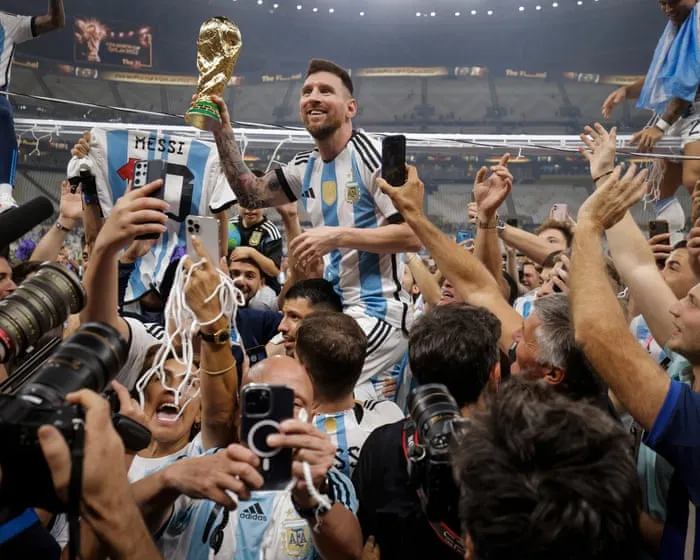
Because this event showcases some of the world’s most elite athletes competing for one of sports’ most sought-after prizes. Expect to witness stunning goals, unexpected outcomes (for instance, the eventual champions Argentina suffered a shocking defeat to Saudi Arabia in their opening match during the last World Cup), heart-wrenching losses, and pure elation for the winning team.
And who will those champions be?

Spain aims to add a World Cup title to their European championship victory from 2024, having previously won the tournament in 2010. They boast a blend of talented young players, seasoned veterans, and a skilled coach, making them formidable. France, who reached the final in 2022, is also a strong contender. The reigning champions, Argentina, remain competitive but are not as powerful as they were four years ago, while their old rivals England are considered among the favorites, largely due to their often overly optimistic supporters placing bets on them. Brazil and Germany, with a combined total of nine titles, are also teams not to be underestimated, even if they’re not at their peak performance.
If you’re interested in testing your prediction skills, consider participating in our Bracketology game.
What about dark horses?
According to New York City’s democratic socialist mayor and influencer Zohran Mamdani, Morocco is poised to win the tournament. If they succeed, they would make history as the first African team to lift the trophy, building on their impressive semifinal run in 2022. Norway, fresh from dominating the competition at this year’s Winter Olympics, has the incredible goal-scorer Erling Haaland on their roster. Meanwhile, Mexico, Canada, and the United States are expected to advance past the group stages, although they will likely aim for at least a quarter-final appearance.
Who are the players to watch?
The tournament will feature well-known stars such as Cristiano Ronaldo and Lionel Messi, although, at 41 and 38 years old respectively, they may not be the top performers. Ousmane Dembélé, who recently helped Paris St-Germain secure the Champions League title, is often regarded as the best player currently. Additionally, Spain’s 18-year-old winger Lamine Yamal is generating excitement. Other lethal goal-scorers include Haaland, England’s Harry Kane, and France’s Kylian Mbappé, while Portugal’s Vitinha has garnered admiration for his skill and creativity in midfield.
And where can I see all these players?
If attending one of the 16 stadiums hosting matches (two in Canada, three in Mexico, and 11 in the U.S.) isn’t an option for you, you can enjoy the tournament from the comfort of your home. In the United States, matches will be broadcast on Fox (English) and Telemundo (Spanish). In Australia, viewers can watch every match live on SBS and SBS Viceland, while TSN and CTV will provide English coverage in Canada, with French broadcasts available on RDS. In the UK, the BBC and ITV will share broadcasting responsibilities throughout the tournament. For the best coverage, be sure to check out live updates on our website.
Canada, Mexico, and the U.S. emphasized a collaborative spirit in their bid for the tournament. However, the U.S. will host 78 matches, while Canada and Mexico will each host 13, with all games from the quarter-finals onward taking place in the U.S. Although the co-hosts promised a commitment to environmental sustainability, this World Cup will involve significant travel. If teams reach the final, they and their dedicated fans will have traveled over 8,000 kilometers.
And how much will the players win for all this?
FIFA has allocated a whopping $727 million in prize money for the tournament, which is undeniably significant. However, FIFA Vice President Victor Montagliani anticipates this World Cup will generate $13 billion in revenue. The winning team will walk away with $50 million, enough to secure two tickets for the 2030 World Cup final.