


At 4:38 PM on June 28, Donald Trump shared a message on Truth Social. This was not an unusual occurrence; his feed is known for its constant activity.
On that same afternoon, he also posted at 3:58 PM, 3:59 PM, and twice at 7:42 PM, all in his characteristically exaggerated tone, reminiscent of a quirky snack advertisement from the 1970s. It was as if a vibrant character had been animated to discuss geopolitics using language suited for a debate with a young child.
Trump’s messages during that time included self-congratulatory remarks about his alleged new ballroom, a lengthy 600-word commentary on the state of certain golf courses, and grievances regarding his recent loss in a sexual harassment lawsuit—highlighting the fact that jurors viewed a video where he appeared to brag about his behavior. This is, after all, the former president of the United States.
Amidst these posts, the 4:38 PM update caught attention for its tone, which was surprisingly restrained and devoid of the usual bombast, featuring subtle rather than outright insults. Notably, it addressed the World Cup.
Trump stated, “The FIFA Numbers are far greater than any World Cup in History. This is a Great Tribute to the United States of America,” in reference to the opening attendance figures that showed 4.6 million spectators across host cities, surpassing previous records for this stage of the tournament.
However, these figures should be interpreted with caution. The sheer volume of matches hosted in the U.S., Mexico, and Canada already exceeds that of the entire Qatar 2022 tournament. It’s akin to claiming superior nutritional value for a larger, calorie-laden burger.
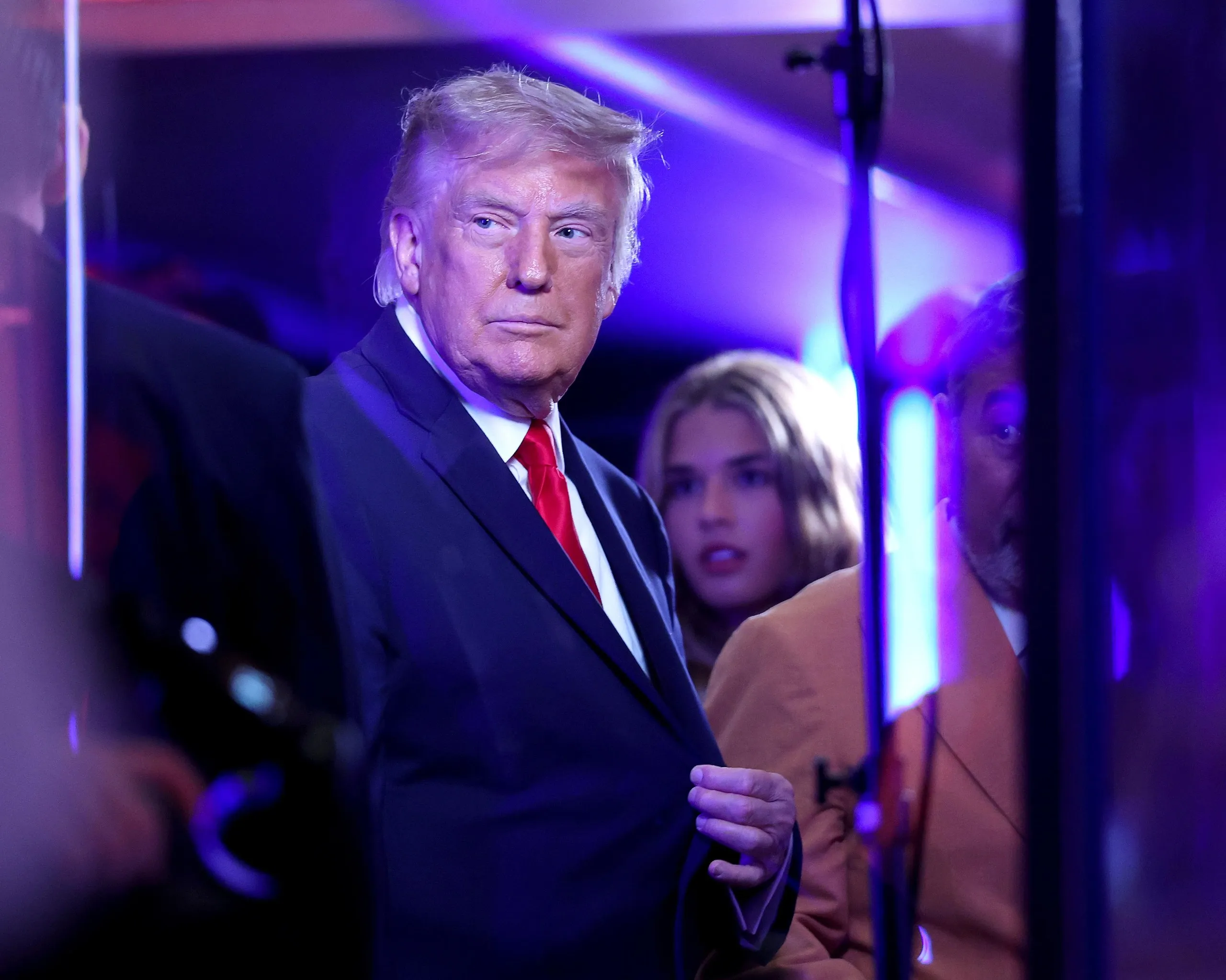
More importantly, Trump’s mention of the World Cup was significant because he has been noticeably absent during the first 22 days and 82 matches of the tournament. A president who was actively engaged in the lead-up has yet to attend a single game. Aside from this modest bragging, his public presence has been minimal. Trump thrives on the spotlight. Why, then, has he chosen to remain in the shadows?
This absence appears to be a strategic decision. Trump has historically operated as a relentless purveyor of noise and chaos, flooding every communication channel.
This approach has been pivotal to his enigmatic global influence. An interesting point to consider is how empires rise and fall. For centuries, China struggled with internal chaos due to its vast size and myriad factions. The establishment of a centralized regime and advancements in technology shifted this dynamic, allowing a singular authoritative voice to emerge.
Conversely, the U.S. faces a potential fragmentation of discourse due to its multitude of voices and interests. The dichotomy of democracy with free speech against a one-party system presents a challenge in the current interconnected era. The cacophony of opinions can create confusion. The loud environment is overwhelming, with numerous voices competing for attention.
Trump seems to understand this dynamic, recognizing that even amidst constant inconsistency, there is clarity to be found. His strategy involves shouting about everything in a consistent manner to become the most recognizable entity within the chaos. This is not mere happenstance; it is a governance tactic.
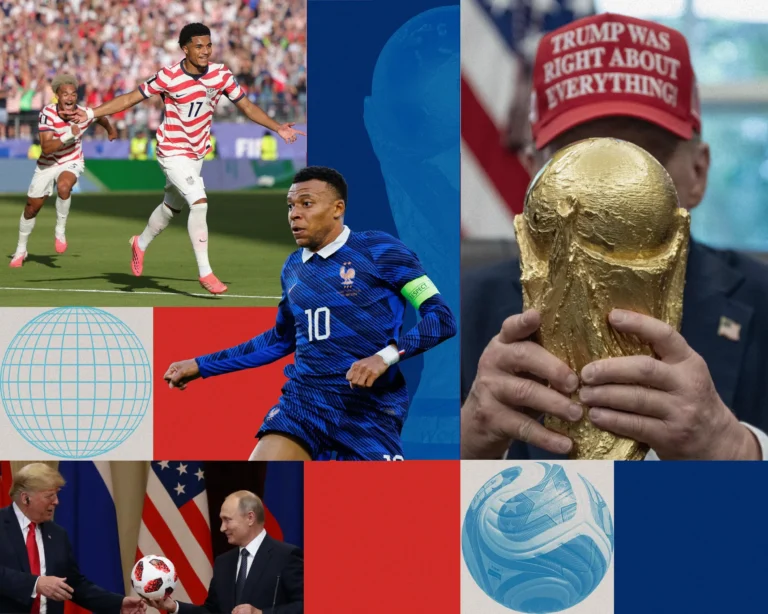
Thus, his absence during such a significant global event can only be interpreted as intentional. There is a playbook for this. Consider Vladimir Putin during the 2018 World Cup, the first event where the concept of ‘sportswashing’ gained traction.
Putin attended matches but remained largely silent. He made appearances at the final and select matches involving strategic allies. For those four weeks, Russia aimed to project an image of openness and hospitality, despite underlying authoritarianism.
This strategy is sensible. Avoid becoming a target when the world is watching, poised to react to any misstep. Remarkably, many of the anticipated points of contention leading up to the World Cup have not materialized.
Reports of U.S. Immigration and Customs Enforcement (ICE) activity have circulated, yet they seem absent from host cities, a stark contrast to their visibility at last year’s Club World Cup.
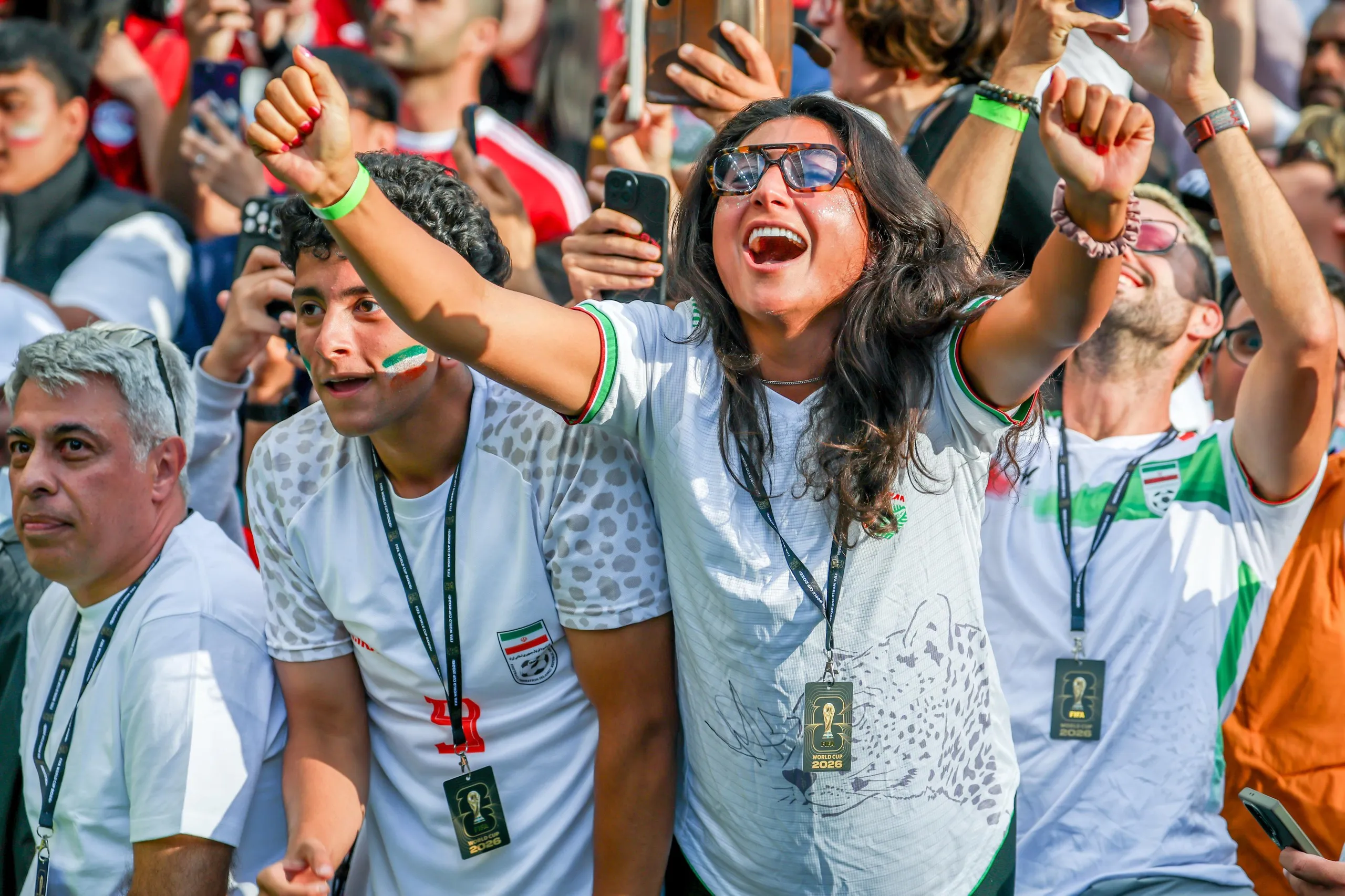
No significant provocative comments have emerged from right-wing figures regarding the global celebration occurring in U.S. cities. Even military engagements with Iran appear to have eased, coincidentally.
There are simpler explanations for Trump’s absence. The former president is known to be sensitive to criticism. He often avoids California and the West Coast due to unpopularity, effectively eliminating his chances to attend any U.S. games thus far. (On Wednesday, Trump’s Special Presidential Envoy for American Tourism, Exceptionalism and Values—yes, that’s a real title—announced he would attend the USA vs. Belgium match in Seattle on Tuesday. We’ll see.)
He is aware he would face boos at these matches. He experienced this reaction at the NBA Finals in New York last month. This is soccer, where fans are quick to express discontent, even during breaks. World Cups are brief. Let the spectacle unfold. Allow the vibrant atmosphere to do its work.
Perhaps there is something inherent in the nature of football that contributes to his absence. Despite its corporate veneer, the sport resists manipulation. It maintains a certain independence in its emotional resonance and team compositions.
Trump has had contentious interactions with the U.S. women’s national team. The men’s team, meanwhile, is notably diverse and representative of the nation’s makeup. This World Cup has become an event highlighting cultural diversity and the contributions of immigrant communities. This contrasts sharply with the narrative of a president eager to vilify and exclude.
Regardless of the political winds in France, the prevailing image of the tournament’s latter stages is a group of exceptionally talented and diverse French players excelling together. One prominent figure likely wishes to avoid being associated with that image. Hint: he often communicates in capital letters.
No one genuinely believes that a display of competing nations and camaraderie could halt the current trend toward divisiveness and authoritarian tendencies. The idea that sports can effect real change seems increasingly far-fetched. We are all simply indulging in the spectacle.
Nevertheless, Trump’s absence from the World Cup should be recognized for what it is: a tactical withdrawal, a form of sportswashing. It may also signal an acknowledgment of caution. Football might not offer profound insights these days, but it could convey that message clearly. And really, Donald, there’s no rush to return.
- World Cup
- World Cup 2026
- Donald Trump
- comment