


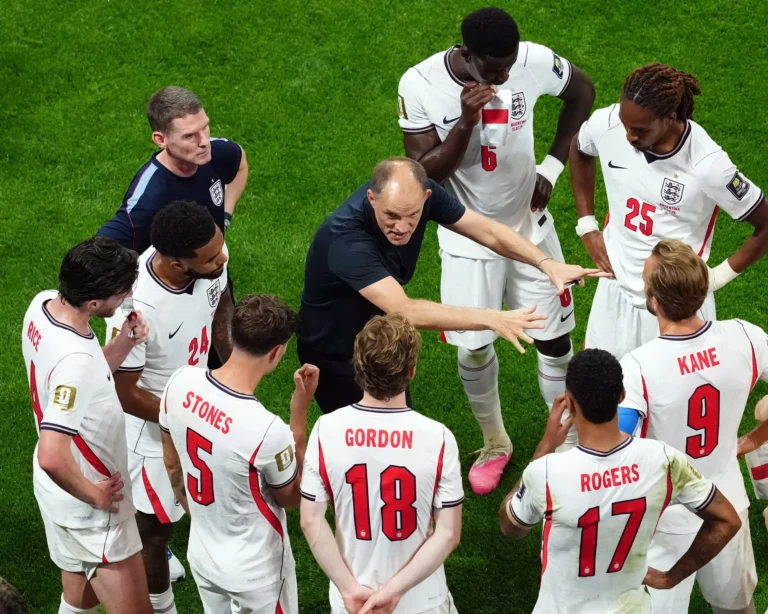
In the aftermath of England’s World Cup semi-final defeat to Argentina, discussions have turned to the broader implications for the team’s strategy and mindset. The echoes of disappointment can be heard across various settings, from late-night news debates to casual conversations in everyday places. Fans, who invested their hopes and resources into this journey, now grapple with feelings of frustration and uncertainty about the team’s future.
The emotional investment in the tournament has been immense, with fans pouring money into tickets, travel, and merchandise. As England led 1-0 against Argentina, the collective hopes of supporters hinged on whether the players could maintain control during the final stages of the match. Unfortunately, that hope was dashed as England faltered under pressure.
Critics have pointed out that while Thomas Tuchel’s substitutions may have affected the game’s dynamics, England had already begun to retreat defensively long before that moment. This seems to reflect a deeper issue within the national team, one that has seen repeated failures in crucial matches over the years. The pattern is clear—a history of disappointing performances that raises questions about the team’s mentality and approach.
Upon reviewing the match, it becomes evident that England faced considerable pressure from Argentina but also had opportunities to counter. Early in the second half, England pressed Argentina back into their own territory, suggesting that the team’s tactical execution was not the primary problem. Instead, poor decision-making and perhaps fatigue played significant roles in their ultimate demise.
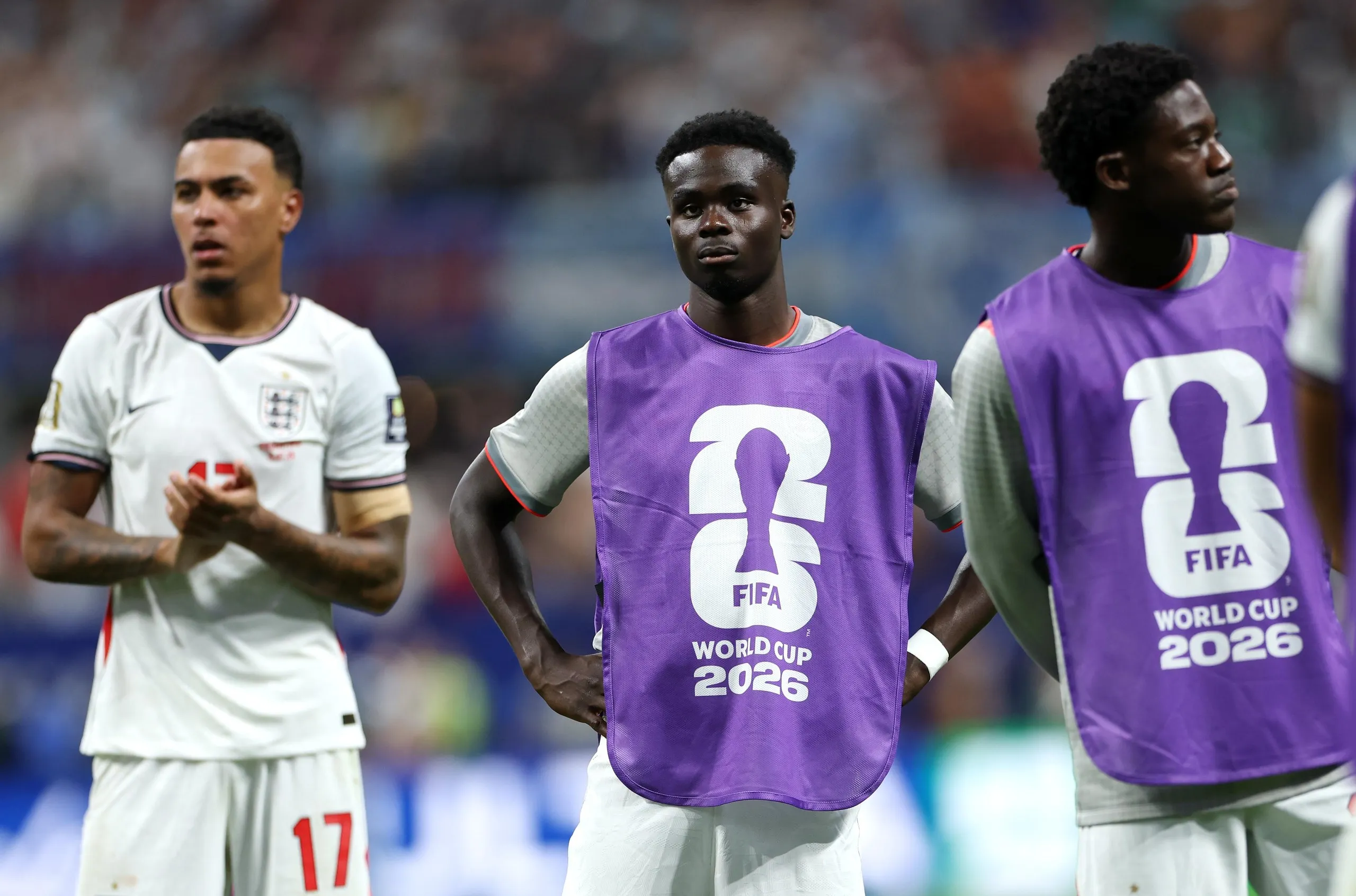
After the drinks break, Tuchel had a chance to alter the course of the match. However, his decision-making seemed to hinder England’s chances of success. With Harry Kane visibly struggling, substituting him for Ollie Watkins would have provided fresh energy and maintained offensive pressure. Additionally, bringing on Bukayo Saka could have exploited the spaces left by an increasingly desperate Argentine defense.
Reflecting on the pre-match sentiments, Tuchel once expressed a desire for his team to lose on their own terms, emphasizing an attacking style of play. The question now arises: where has that conviction gone? It appears that somewhere along the journey, Tuchel may have lost faith in the players who brought England to this critical juncture.
With numerous talented players available, it raises eyebrows that the team was fielding six defenders while fresh attacking options remained on the bench. Between the second drinks break and Argentina’s second goal, England’s possession plummeted to below 8%, severely limiting their opportunities and allowing their opponents to dictate the pace of the game.
For many England fans, the pain lies in the belief they had in this squad, contrasting with the apparent lack of faith from their coach. Tuchel’s assertion that “If we lose, we lose in our way,” reflects a troubling narrative that some players, based on their club performances, likely do not agree with. Reports suggest discontent within the England camp regarding Tuchel’s overly cautious tactics.
Players today want to showcase their abilities and play with freedom, backed by devoted fans who sacrificed significantly to support them. The notion that England cannot compete at the highest level, particularly in terms of tactical and technical prowess, is becoming increasingly outdated. It is reasonable to expect a coach who recognizes the team’s strengths rather than one who focuses on perceived limitations. While some argue that replacing the coach now would be an emotional response, Tuchel’s failure to navigate this pivotal moment raises legitimate concerns about his capability to lead this talented group.
Ultimately, the inability to seize victory in a World Cup semi-final highlights a worrying trend of small-mindedness and lack of ambition. Fans are left wondering if Tuchel can truly harness the potential of this generation of English footballers, as his decisions throughout the tournament have not instilled confidence in his vision.
- World Cup 2026
- England
- Thomas Tuchel
- World Cup
- comment