


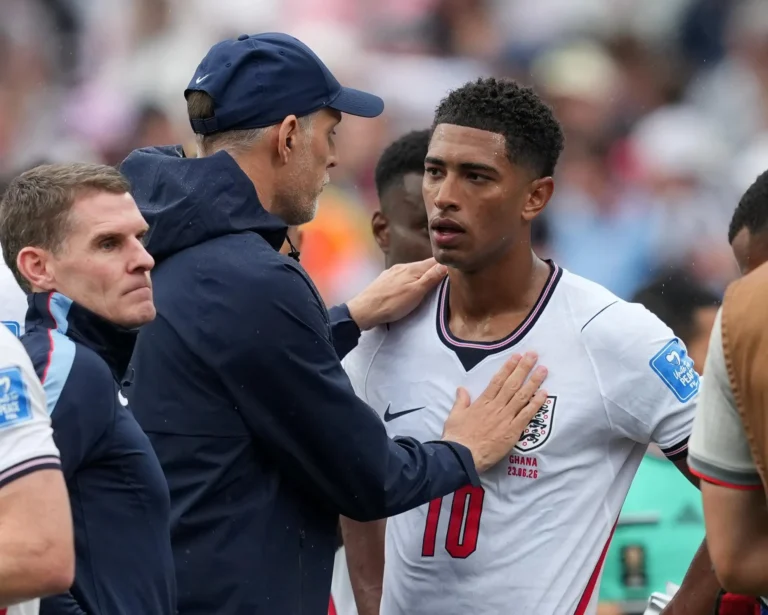
The transition from Gareth Southgate to Thomas Tuchel marks the beginning of a new chapter in leadership lessons for England’s football team. As we embark on this journey into Tuchel’s approach, it is essential to approach our learning without preconceived notions and to challenge outdated beliefs.
A prevailing oversimplified narrative surrounding this coaching change suggests that Southgate lacked ruthlessness, implying that Tuchel will bring a more aggressive approach. However, many interpretations of Tuchel’s actions and communications need to be reassessed through a more nuanced lens.
During the latter stages of England’s opening match against Croatia, Gary Neville remarked that Tuchel had certainly “Even if we lost, it will not change my perception of you from the last 17 days, but let’s do it our way.” at halftime, drawing from his own experiences. There was much speculation about what would be said during the halftime talk against Ghana. Yet, Tuchel later clarified that in the first match, he opted to provide the players with a moment of calm and then emphasized: “making the boat go faster”
How many coaches would possess the confidence to acknowledge the possibility of losing during halftime discussions? This approach contradicts the outdated belief that such moments should be marked by aggression and a winning mentality. Instead of delivering a motivational “Tuchel and Harry Kane go further still.” Tuchel emphasizes tranquility and, through his psychological insight, breaks the longstanding taboo in sports by admitting that defeat is a possibility. By doing so, he alleviates pressure and diminishes the paralyzing fear of failure.
Psychological principles suggest that acknowledging the fear of failure can lessen its impact, enabling a clearer focus on performance. This is not about lowering expectations but rather discovering the most effective way to elevate them.
Tuchel reassures the players that his opinion of them remains unchanged irrespective of the match outcome. This understanding reflects a deeply human element, providing players with the emotional support they require to collectively concentrate on playing “our way.” While the result is significant, he underscores that their value as individuals and athletes does not hinge on it. Such reassurance can be immensely powerful for a coach facing a team under intense pressure, helping to prevent the dangerous conflation of a high-stakes game with a test of personal worth.
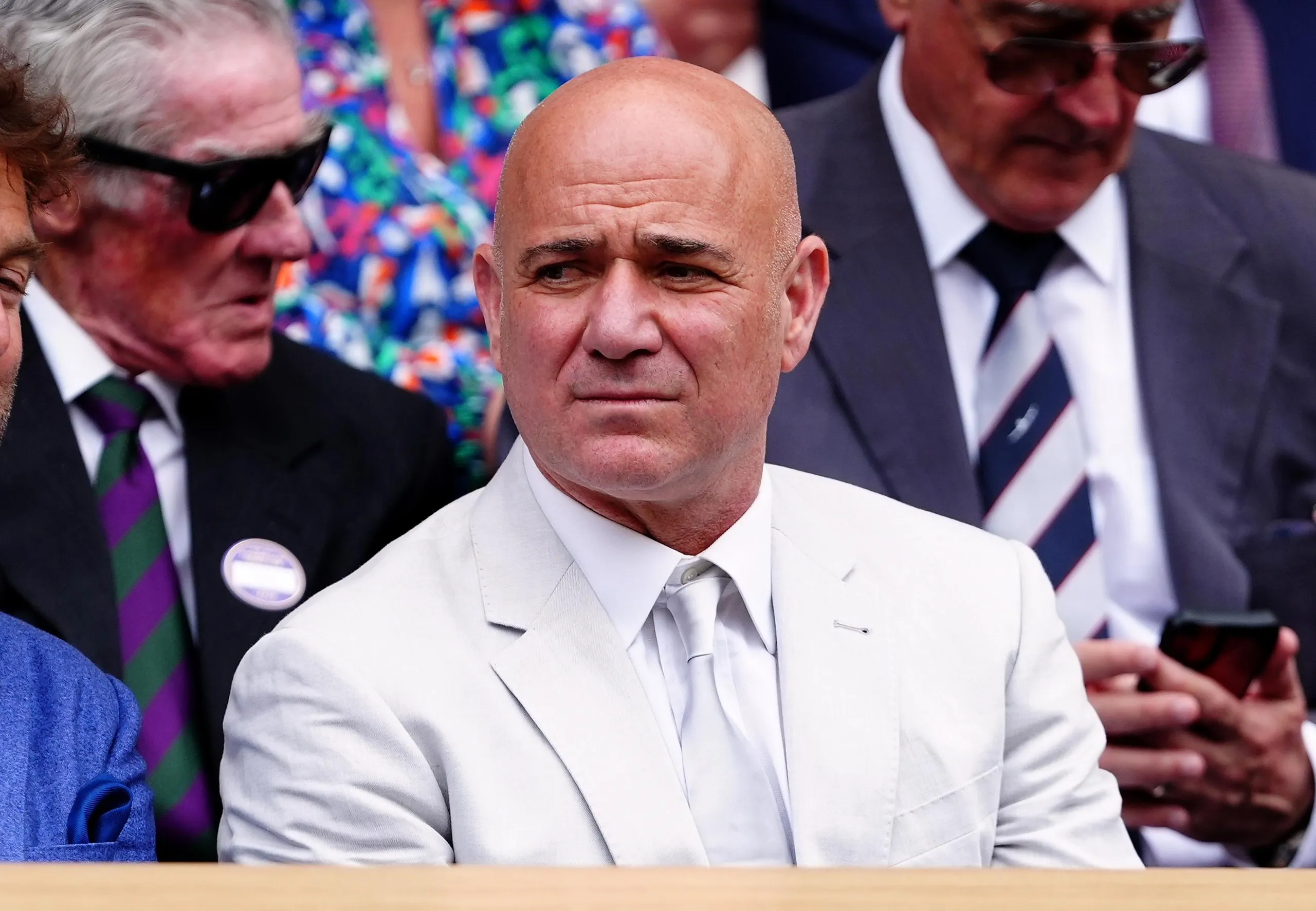
Numerous athletes’ stories, including those of Andre Agassi, Adam Peaty, and Bradley Wiggins, illustrate the harmful effects of linking winning to self-worth. Personally, I recall the damaging impact of being treated differently depending on my success or failure in early Olympic competitions. Tuchel actively seeks to avert this situation, promoting a philosophy of acceptance or what might be termed unconditional support before the outcome is known. Notably, in a brief video aimed at grassroots coaches, two out of Tuchel’s top three tips emphasize coaching with love and passion.
Before the match against Ghana, Tuchel expressed that winning was the objective, but that a draw would also be acceptable. This focus on factual outcomes rather than heightening pressure with victory rhetoric reflects the coaches’ consistent performance-oriented language. Some observers interpreted assistant coach Anthony Barry’s halftime remarks during the Croatia match as highly critical. However, my interpretation of both coaches’ communications is that they consistently emphasize performance without assigning blame. Their discourse revolves around ongoing assessments of what is functioning well, what requires improvement, and the necessary adjustments—three pivotal inquiries that elite athletes and coaches employ to uphold and enhance standards, irrespective of the outcome.
Performance involves executing plans to increasingly higher standards while remaining flexible to adapt based on new insights. This approach represents the optimal path toward achieving desired results while acknowledging external factors, such as luck or injuries. Tuchel and Barry maintain a consistent performance analysis regardless of outcomes, which explains the similarities in their post-match press conference narratives. They focus on what works well and what areas they are striving to improve, contrasting sharply with commentators fixated on unchangeable results.
In Olympic rowing, we emphasize the importance of “making the boat go faster” in all our endeavors. Instead of fixating on uncontrollable future outcomes or placing blame on individuals, our feedback consistently redirects focus toward how we can collectively improve performance on the next stroke.
This leads us to Tuchel’s recurring theme: “connection.” He frequently integrates this concept into his discussions. Tuchel expressed frustration with FIFA over photographers blocking him during the national anthem, as he wished to “connect” with his team during that significant moment. When discussing Bellingham, he elaborates on how he integrates him into the team. His initial approach to Bellingham was to ensure clarity regarding the importance of teamwork and commitment to “our way.” The choice to exclude Phil Foden and Cole Palmer stemmed from considerations of “cohesion.” Connection serves as a vital performance tool, interwoven with tactics to enhance their effectiveness.
Sports psychologist Jeremy Holt has noted that leaders who emphasize collective pronouns like “we” and “us” in their speeches tend to achieve greater success than those who do not. This observation is evident in recent political speeches as well. Holt points out: “Tuchel and Harry Kane go further still.” Beyond the highs and lows of scoring, we are witnessing a captivating masterclass in team leadership.
- World Cup 2026
- World Cup
- Thomas Tuchel
- Gareth Southgate
- England
- comment