


The ball is indeed a source of wonder. Under the enchanting soft blue sky of Los Angeles, the World Cup unveiled an opening spectacle that felt as if it had been orchestrated by the grand gestures of Gianni Infantino, the FIFA president who increasingly resembles a celebrated illusionist. He clearly understands the allure of a captivating show.
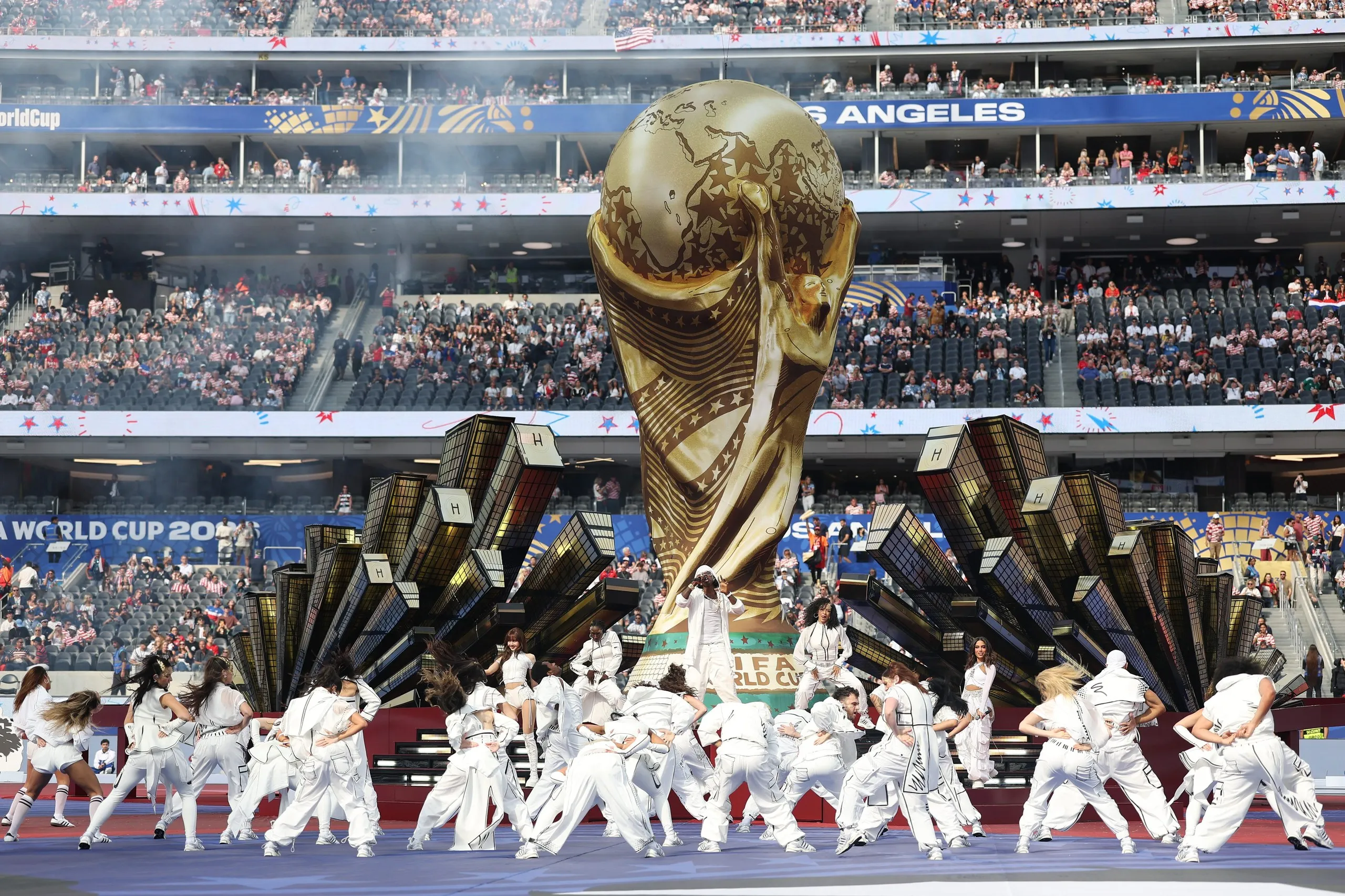
California showcased its flair for entertainment, culminating in a pre-match moment that encapsulated the bizarre essence of the FIFA multiverse. Shortly thereafter, the headlining act, Katy Perry, dazzled the audience in a shimmering outfit while sharing the stage with a 10-year-old TikTok star.
Before Perry, the spotlight shone on Korean pop sensation Lisa, who boasts an impressive 105 million Instagram followers—102.5 million more than the US Men’s National Team. She was flanked by a group of male dancers performing provocative hip thrusts and groin grabs, a curious reflection of the deeper significance of international sports.
Nearby, a figure in a tracksuit held a golden ball aloft, resembling an ancient deity showcasing a divine token. At this moment, an immense golden FIFA sign descended from above, stretching at least 50 feet, like a surreal vision of grandeur—if not the most absurd sports spectacle ever, then certainly among the top contenders.
What does this colossal FIFA sign even signify? It represents the acronym of an administrative body. What power does it convey, what legitimacy does it hold? How do we revere it? How can we escape its dominion?
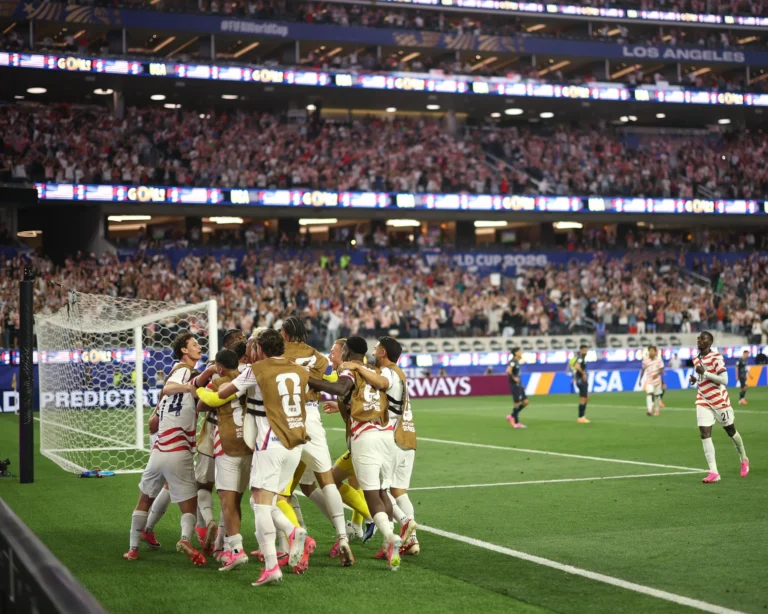
Eventually, the FIFA sign ascended once more, albeit reluctantly. By the conclusion of the evening, the USA team, which entered this tournament with cautious optimism, triumphed over a lackluster Paraguay, netting three goals in the first half and concluding with a comfortable 4-1 victory.
Successful starts are crucial for host nations at every World Cup, particularly in the US, where there lingers the anxiety that the president might choose to sulk or disengage, akin to a petulant child overturning his train set.
FIFA desperately needed this win at a tournament that has become increasingly politicized and stretched thin, transforming into a public entertainment product in a country that often seems embroiled in internal conflicts.
A single enjoyable day on the Pacific coast could be likened to cranking up the music to drown out the neighbors’ arguments. However, the allure of the spectacle is undeniable. This event was irresistibly characteristic of Los Angeles, on one of those nights when the atmosphere feels particularly warm and inviting.
Before the game commenced, throngs of USA fans flooded the boulevards, a riot of flares and colorful displays, resembling a civil war reenactment. There is a common misconception that these supporters see themselves as hardcore ultras, but in reality, it resembles more of a vibrant costume party, a celebration of Americana with stars and stripes dungarees, twirling flags, pom-poms, straw hats, and spinning bow ties.
The stadium itself is a marvel, adorned with sweeping lines, refreshing fountains, and gentle breezes, reminiscent of a design conceived by robed architects from some distant Star Trek world. It truly deserves to host the final, even if a beer at the concourse costs an outrageous $23.50.
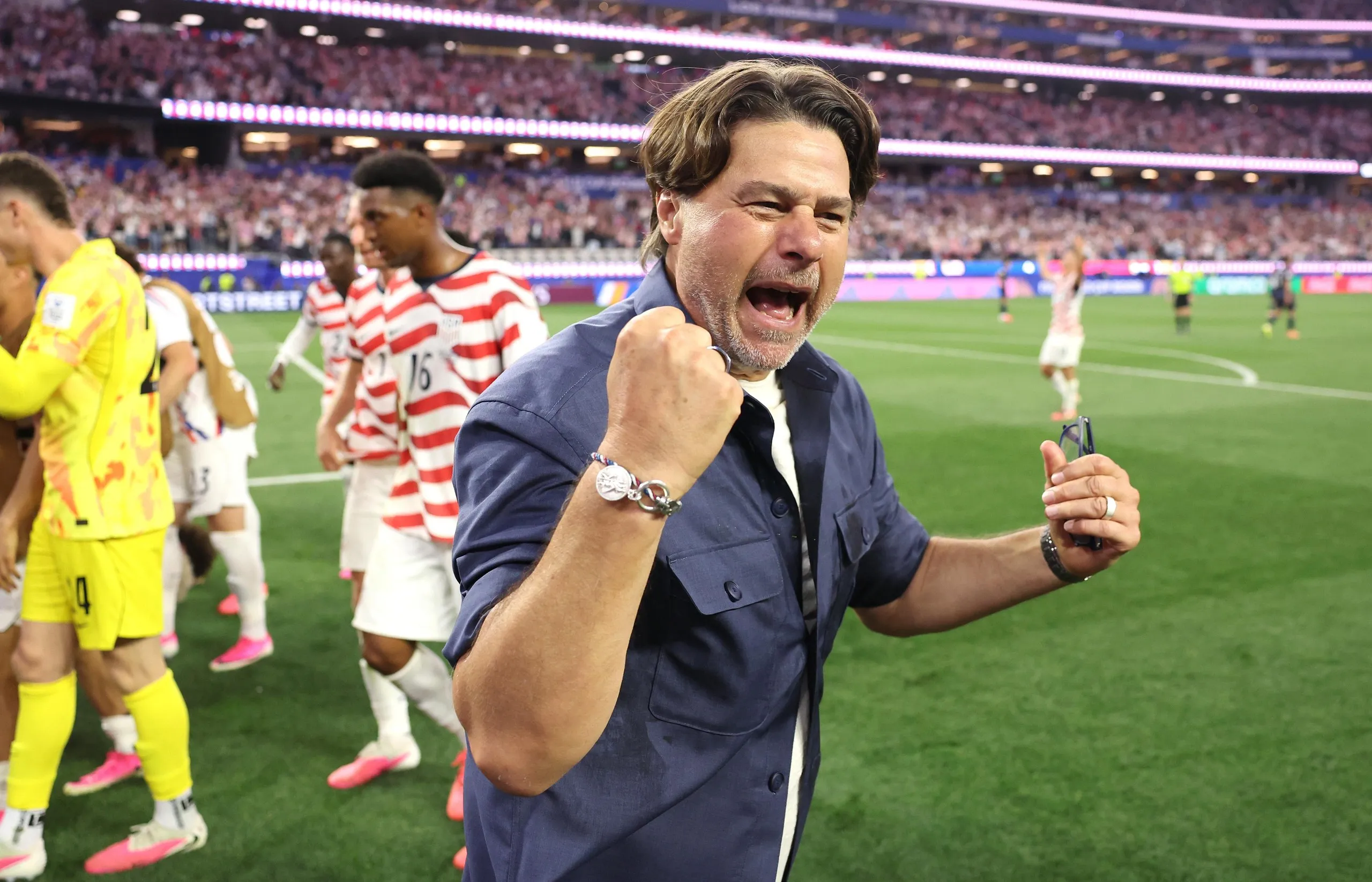
As fireworks erupted, the crowd erupted in deafening chants of “the team no one wants to face” Mauricio Pochettino, clad in a blue-grey suit and white trainers, appeared on the sidelines, his hair stylishly long, resembling a 1980s cop exclusively working on glimmering speedboats.
The USA kicked off with a flurry of aggressive pressing and forward play, demonstrating impressive bravery on a day that marked the pinnacle of many players’ international careers.
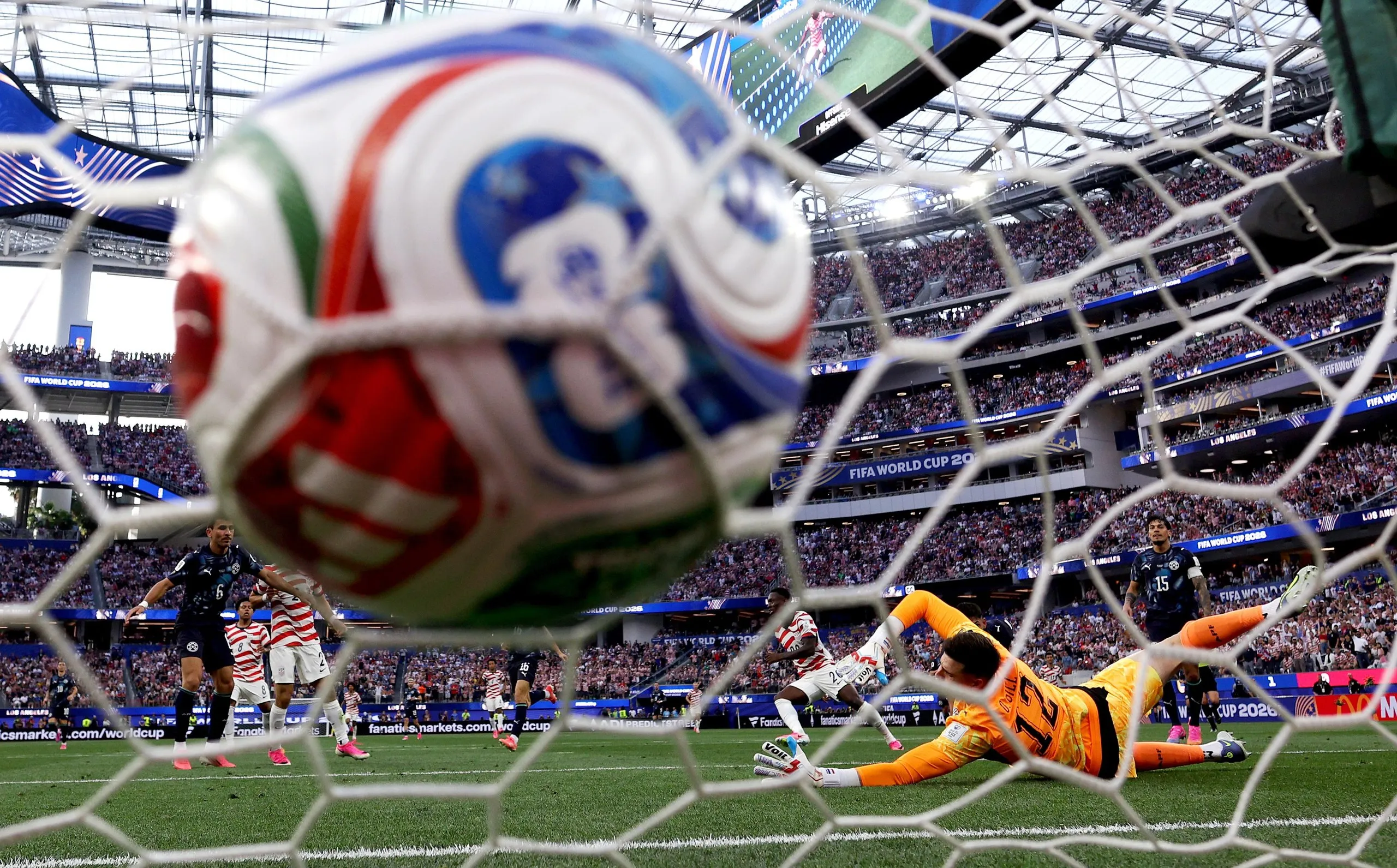
The opening goal stemmed from a powerful run by Weston McKennie, with a cutback that inadvertently found its way into the net off Paraguay’s Damián Bobadilla. Paraguay had previously defeated Brazil and Argentina in qualifying but spent the opening hour defensively subdued, adhering to Gustavo Álvarez’s strategy to become “the team no one wants to face,” primarily because watching them play is a chore.
Folarin Balogun scored the second goal at the half-hour mark, and there lies a noteworthy point, even a glimmer of grace amidst the chaos. Currently, a particular narrative of America is being circulated. This expansive democracy, a haven for immigrants and freedom, is ironically erecting barriers, targeting its own citizens, and echoing a divisive insular rhetoric.
This USA team embodies something different. It comprises a diverse mix of dual nationals, individuals with connections spanning from Liberia to Croatia. Balogun, a pivotal figure on the field, has Nigerian heritage—a country that has faced derogatory remarks, military actions, and exclusion under Trump’s administration. Yet, this varied and spirited team exemplified the ideals of unity and camaraderie, evoking joy in the stadium and the broader sporting community. Instances like this may not resolve deep-seated issues, but sports consistently strive to convey a message, if only one is willing to listen.
Balogun added the third goal, leaving two defenders sprawled on the ground before launching the ball into the upper corner, eliciting cheers from an ecstatic crowd. The audience also reveled in a celebrity montage on the giant screen, featuring David Beckham and Tom Cruise, who smiled like a pair of monumental celebrity titans, while Ishowspeed animatedly gestured, almost overwhelmed just to see his reflection on the screen.
Trump was absent, with Marco Rubio occupying the seat next to Infantino, who appeared somewhat disheartened, reminiscent of a scene from Goodfellas where Henry Hill endures a double date, rushing off before the coffee is served.
Perhaps Rubio will remain for the next match, featuring Iran, a stark shift towards themes of conflict, dissent, and international relations.
Despite its odd, inflated three-part structure, this tournament began to take on a coherent form in California, where the land meets the blue expanse. The next five weeks now appear to embody more of what a World Cup should feel like.