


This article is part of the 2026 World Cup Experts’ Network, a collaboration among leading media organizations from the 48 nations that qualified. Daily previews are being published on the lead-up to the tournament, which begins on June 11.
Strategic Approach
The host nations enjoy a direct path to the tournament, yet a qualifying campaign could have clarified the USA’s optimal strategy.
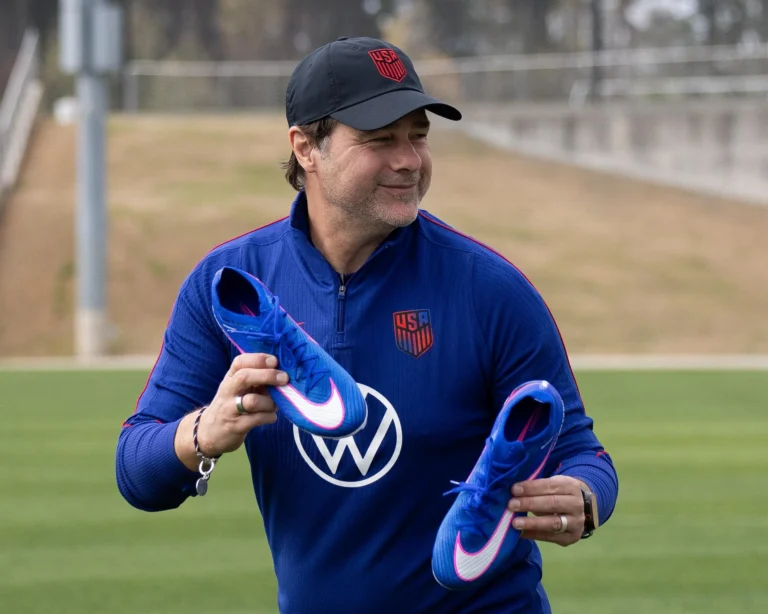
Under Mauricio Pochettino’s management, which has seen significant tactical variations during his tenure, the focus remains on maintaining control of the game. The USA achieved approximately 60% possession against lower-tier teams like Paraguay, Australia, and Ecuador last autumn. However, encounters with stronger teams, including Uruguay, Japan, and Belgium, resulted in a more balanced possession split.
Pochettino has shifted away from his typical high-pressing style, opting instead for a mid-block defensive setup to restrict opponents’ opportunities in the final third. Offensively, the USA seeks to create passing sequences through the channels, employing two attacking midfielders with a double-pivot behind them to navigate the midfield effectively.
Despite a limited pool of center-backs, Pochettino successfully deployed a back three with wingbacks last fall, only to revert to a 4-2-3-1 formation during a disappointing 5-2 defeat against Belgium in March.
Both formations are functionally similar, transitioning to a 3-2-5 in possession and a 4-4-2 or 5-3-2 during defensive phases. The question remains whether Pochettino will find the ideal structure with five defenders, as seen in the 5-1 victory over Uruguay, or prioritize the inclusion of his best players regardless of tactical consequences, as illustrated by the loss to Belgium.
“Belgium and Portugal have, in the top 100 players, [a] few or some players in that top 100. I think we don’t have [any],”
Pochettino stated following a 2-0 defeat against Portugal, which marked the last match before the squad announcement. A sobering realization!
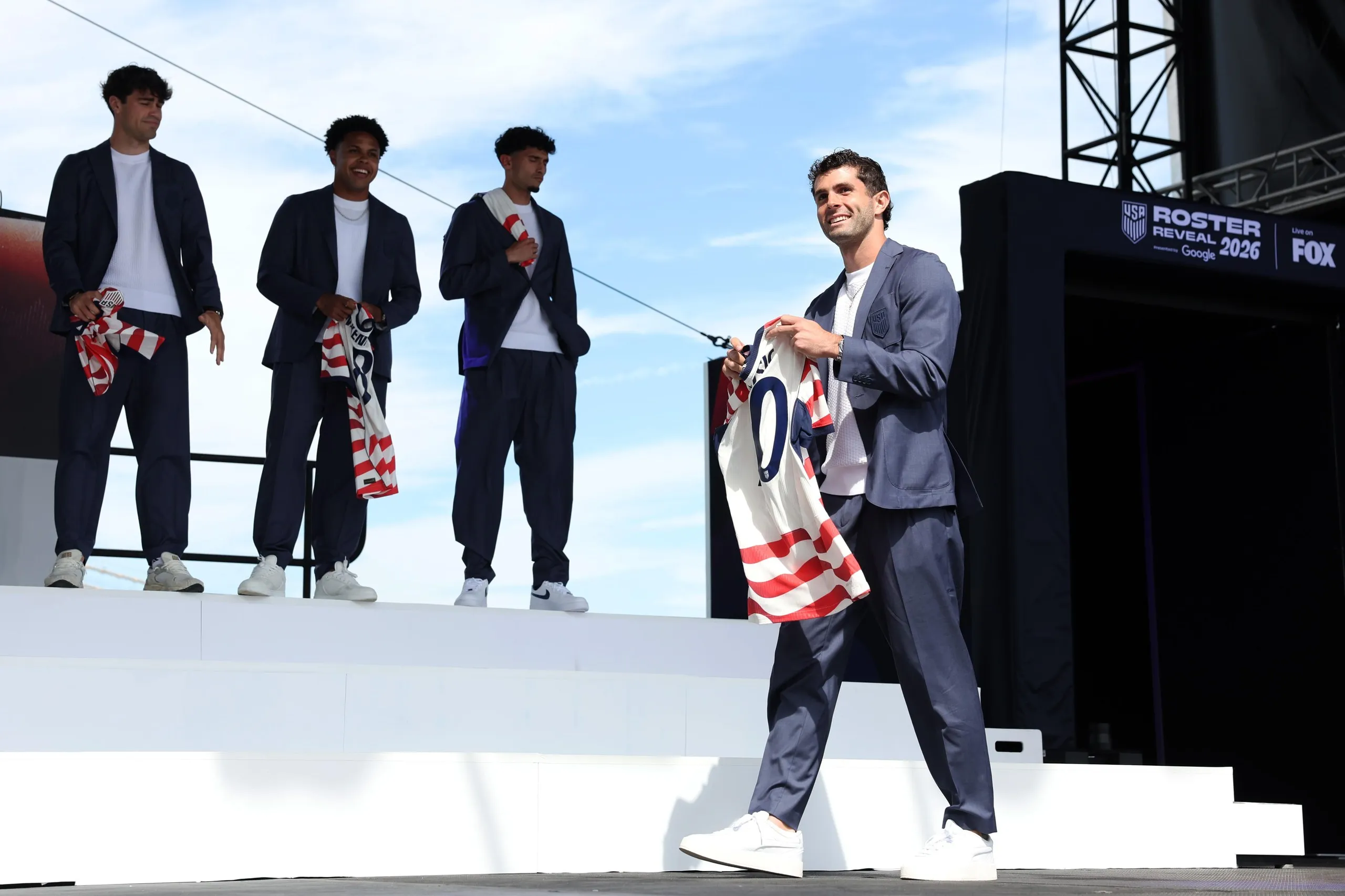
While they may not feature among the elite, Pochettino’s 26 selections have received more supportive messages than those excluded from the roster. There are reliable players who enhance team cohesion regardless of their specific roles, fostering a desire for a better team atmosphere than four years ago. Once the match begins, this squad is committed to demonstrating their ability to control games, moving beyond the counter-attacking tactics of previous World Cups.
Coaching Leadership
Mauricio Pochettino, one of the more prominent managers at this tournament, has decided to embark on an international coaching journey after a challenging period at Chelsea. As a player, he represented Argentina in the 2002 World Cup, showcasing his physicality and tactical acumen as a center-back. He remains a cherished figure in north London for leading Tottenham through its most successful phase in modern history. Appointed in 2024 after the USMNT’s early exit from the Copa América under Gregg Berhalter, Pochettino is anticipated to return to club management following this tournament.
Key Player
Although Pochettino and the pundits have excluded him from the top 100 players globally, Christian Pulisic is undeniably a crucial asset for both the USA and AC Milan. The 27-year-old has been the face of the national team since the setback of missing the 2018 World Cup, carrying the weight of expectations to lead the USMNT into a new era of competitiveness. This year has been challenging for the forward from Hershey, who has not scored since last December across all competitions. Nevertheless, his knack for evading defenders and creating shooting opportunities makes him a player to watch in every match.
Player to Watch
In the wake of Jozy Altidore and Clint Dempsey’s departures, the USA navigated the 2022 cycle using a collective approach to the striker position. Securing Folarin Balogun’s commitment to represent the USA over England and Nigeria was a significant achievement: the Arsenal-trained striker is valued at over $40 million in the transfer market. Balogun possesses exceptional finishing skills, capable of finding space for tap-ins and executing shots from nearly anywhere within 25 yards given the right service. His performance with Monaco has been inconsistent, but he was largely in form this spring. He represents the latest threat to don the No. 20 jersey for the USA, following in the footsteps of Brian McBride.
Unsung Contributor
Arguably, aside from Tyler Adams, no player holds as much importance in the USA squad as Chris Richards. A FA Cup winner with Crystal Palace in 2025, Richards stands out as a dependable presence along the defensive line, characterized by his modern center-back skills, strong defensive metrics both on the ground and in the air, and passing ability that complements possession-based strategies. His contributions often went unnoticed compared to Marc Guéhi until the latter’s transfer; similarly, his partnership with Tim Ream has proven to be a solid foundation throughout this cycle. A series of reliable performances this summer could inspire younger players to value strong defensive play.
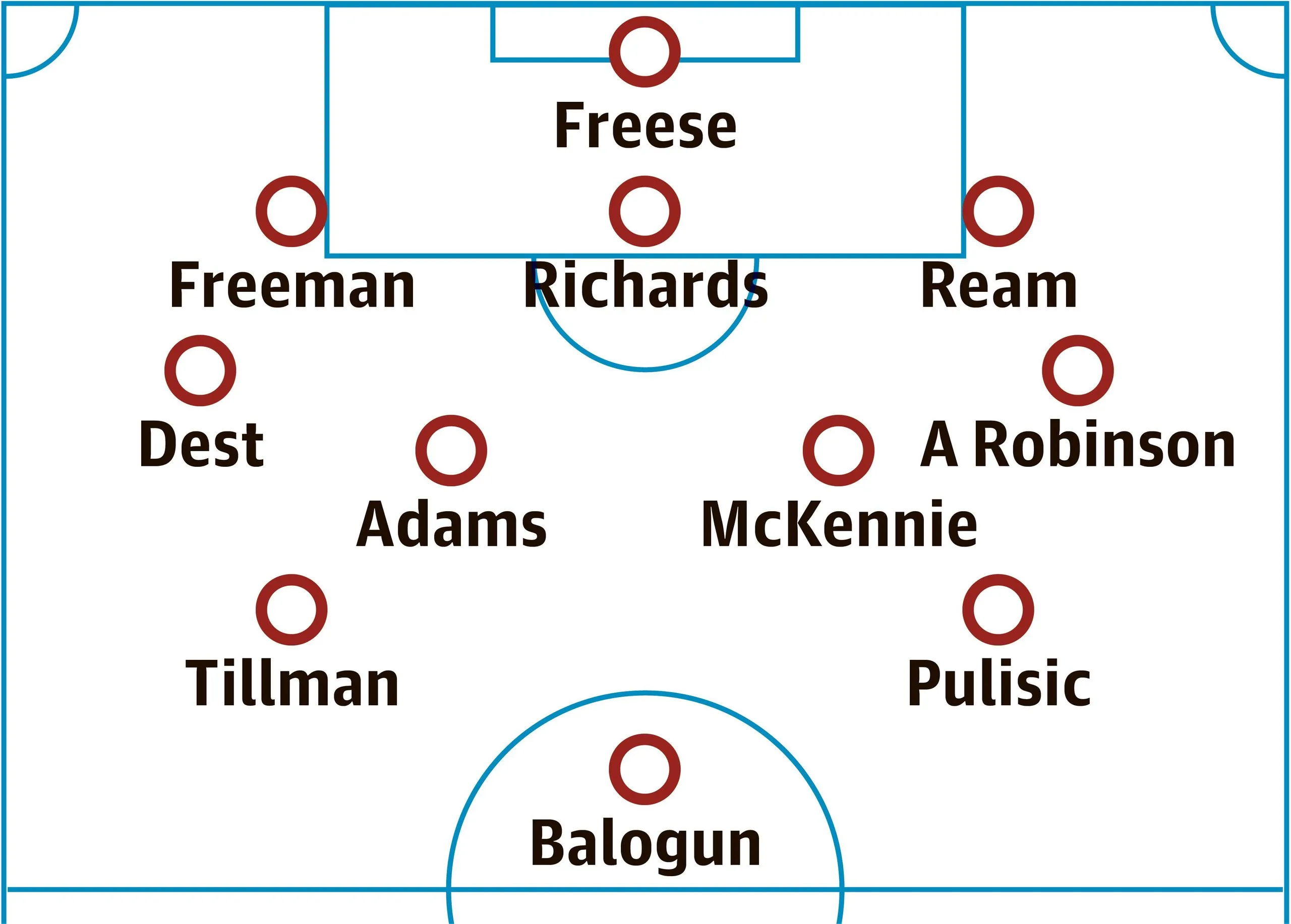
Projected Starting Lineup
Fan Expectations
After a tumultuous March international window, optimism is tempered, compounded by the exorbitant pricing for this World Cup. The ticket prices are so steep that it is uncertain if the level of support will match that of previous tournaments with more accessible costs. The four-figure entry price may lead to a more subdued atmosphere, creating pressure to justify the financial investment. As always, expect to see red, white, and blue, enthusiastic chants of “U-S-A! U-S-A!” and fans donning costumes as Revolutionary War patriots and bald eagles.
What Lies Ahead?
The 1994 World Cup significantly boosted the United States’ interest in soccer, and the 2026 tournament is seen as a springboard for the sport’s further growth. Domestic leagues are aligning their long-term strategies with this summer to maximize engagement among new fans. However, if attendance does not meet expectations (especially given the high costs), there are concerns about potential attrition among investors.
For the players on the field, last-16 exits in 2010, 2014, and 2022 have left the national team without a quarter-final appearance since 2002. Once heralded as a potential golden generation, a deep tournament run could redeem the ups and downs of recent cycles and justify Pochettino’s substantial salary. Conversely, if they fail, fans may shift their focus to the next generation, eager to see the USA rise as a genuine top-10 team globally.
- World Cup 2026: Expert Insights
- USA
- World Cup
- 2026 Tournament
- Features