


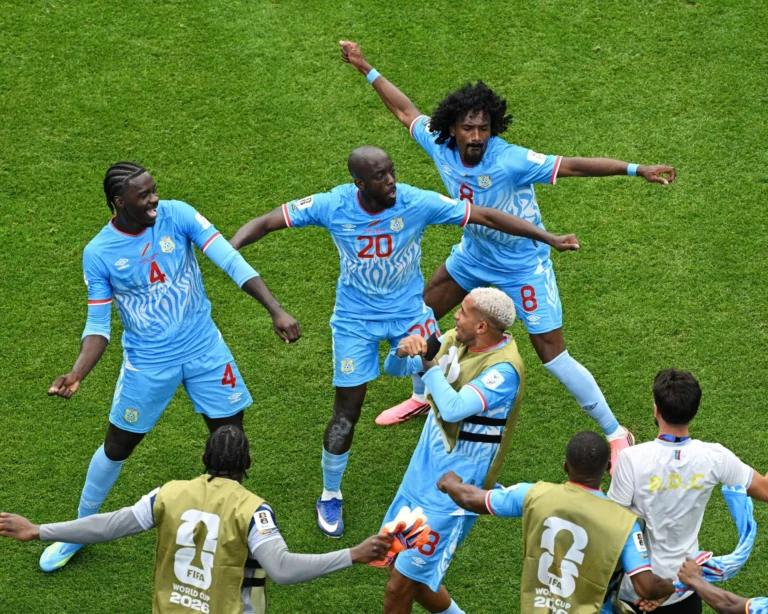
Fans flocked to see Cristiano Ronaldo, hoping for a performance akin to Lionel Messi’s outstanding show just the night before. Despite the high expectations surrounding the Portuguese star in Houston, it was the Democratic Republic of the Congo (DRC) who captured the spotlight by earning a historic draw in their World Cup return, thanks to Yoane Wissa’s equalizing goal and a display of defensive resilience.
Roberto Martínez kept Ronaldo on the pitch for the entire 95 minutes, yet apart from a couple of half-chances in the second half, his impact was minimal, raising concerns about his effectiveness. The early excitement from the crowd was palpable when Ronaldo first touched the ball, thrilling his supporters with a sideways pass to João Cancelo, highlighting the significant portion of spectators who had come to see him play.
Despite challenging conditions, including flooded roads for those traveling to the stadium amid heavy morning rain, fans embraced the opportunity to witness football stardom. Gianni Infantino, the FIFA president, was present, having facilitated Ronaldo’s participation by lifting a suspension for the match. The supporters in red, many bearing the number seven, soon had a reason to cheer: João Neves’s well-placed header, following Pedro Neto’s cross, left goalkeeper Lionel Mpassi powerless as the ball nestled into the net.
This was precisely the start the DRC had hoped to avoid, as their support was largely limited to small groups of expatriates due to a 21-day quarantine imposed on travelers from their country. The team had prepared in a bubble in Belgium before arriving in Houston, where they were greeted warmly by fans last week.
Following Neves’s early goal, the DRC began to show signs of life. Wissa narrowly missed the target, and his strike partner, Cédric Bakambu, had a shot deflected away. Portugal maintained enough control for Ronaldo to express his frustration after Bernardo Silva received a yellow card, resulting in boos from the crowd when the referee’s decision was displayed on the big screen.
When Nuno Mendes looked set to extend Portugal’s lead, Aaron Wan-Bissaka made a crucial intervention to keep the DRC in the game. The pace of the match was measured, with Portugal controlling the ball comfortably, and Ronaldo momentarily stirred when Cancelo’s errant cross sailed too far ahead. Wan-Bissaka again thwarted a Mendes advance, but the experienced DRC defense occasionally found themselves on high alert.
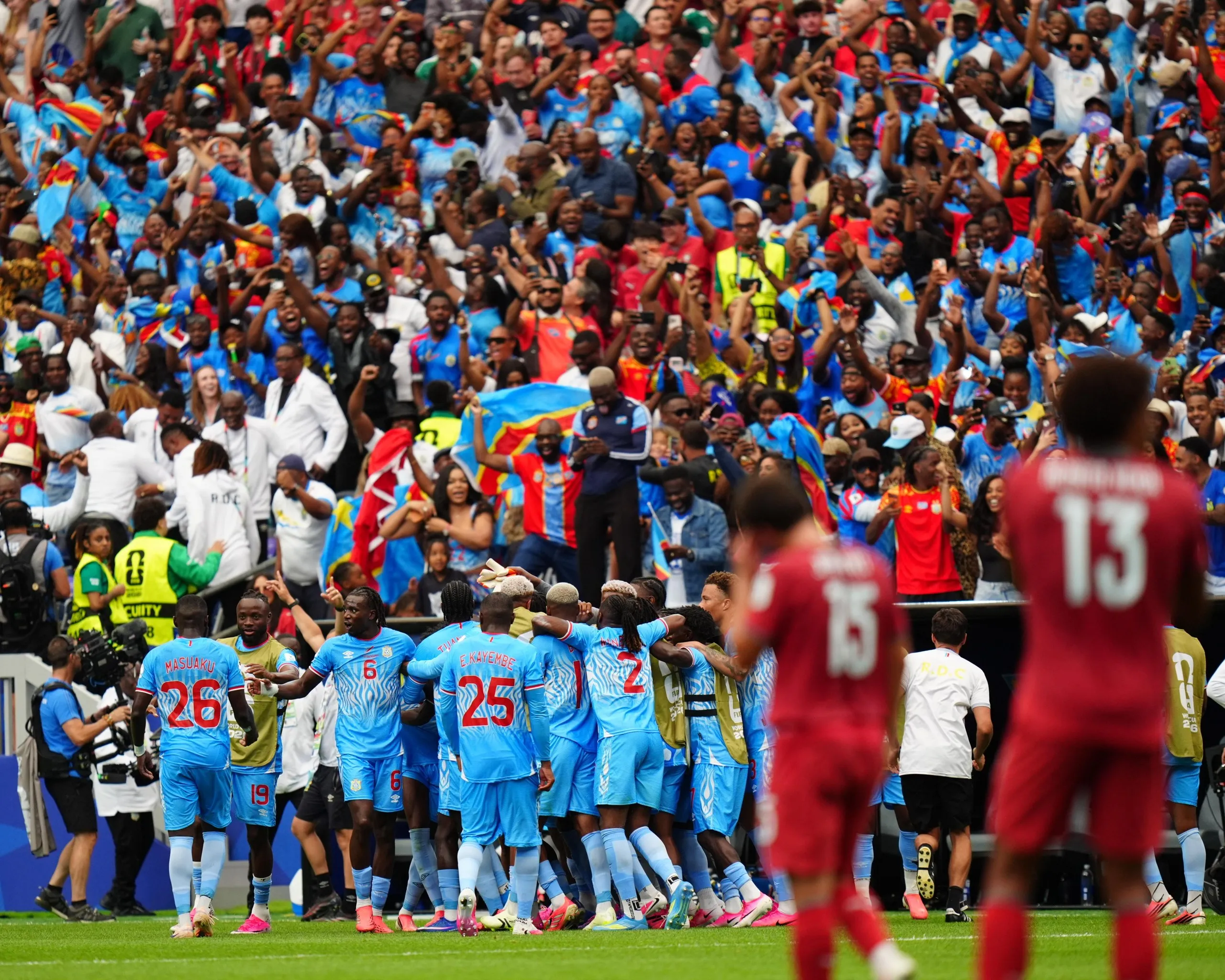
However, this DRC squad was a far cry from the team, then known as Zaire, that had a dismal World Cup outing in 1974. They began to establish themselves in the match, and just before halftime, they found their equalizer. Samuel Moutoussamy’s effort led to two corners, and from the second, taken short, Arthur Masuaku delivered a precise cross. Wissa, unmarked, rose to meet the ball with a header, sending it crashing into the top of Diogo Costa’s goal, igniting celebrations along the touchline.
Portugal had become complacent, allowing the DRC to gain confidence. Shortly after the break, Costa had to make a save from Bakambu’s angled shot, prompting Martínez to urge his players to elevate their performance following his substitution of Francisco Conceição for Bernardo Silva.
They were momentarily invigorated by witnessing the DRC take too long on a goal kick, resulting in a corner that ultimately produced no threat. An acrobatic attempt from Conceição appeared promising but was ruled offside. Portugal seemed to struggle to stretch the DRC defense, leading to speculation that they needed more offensive movement.
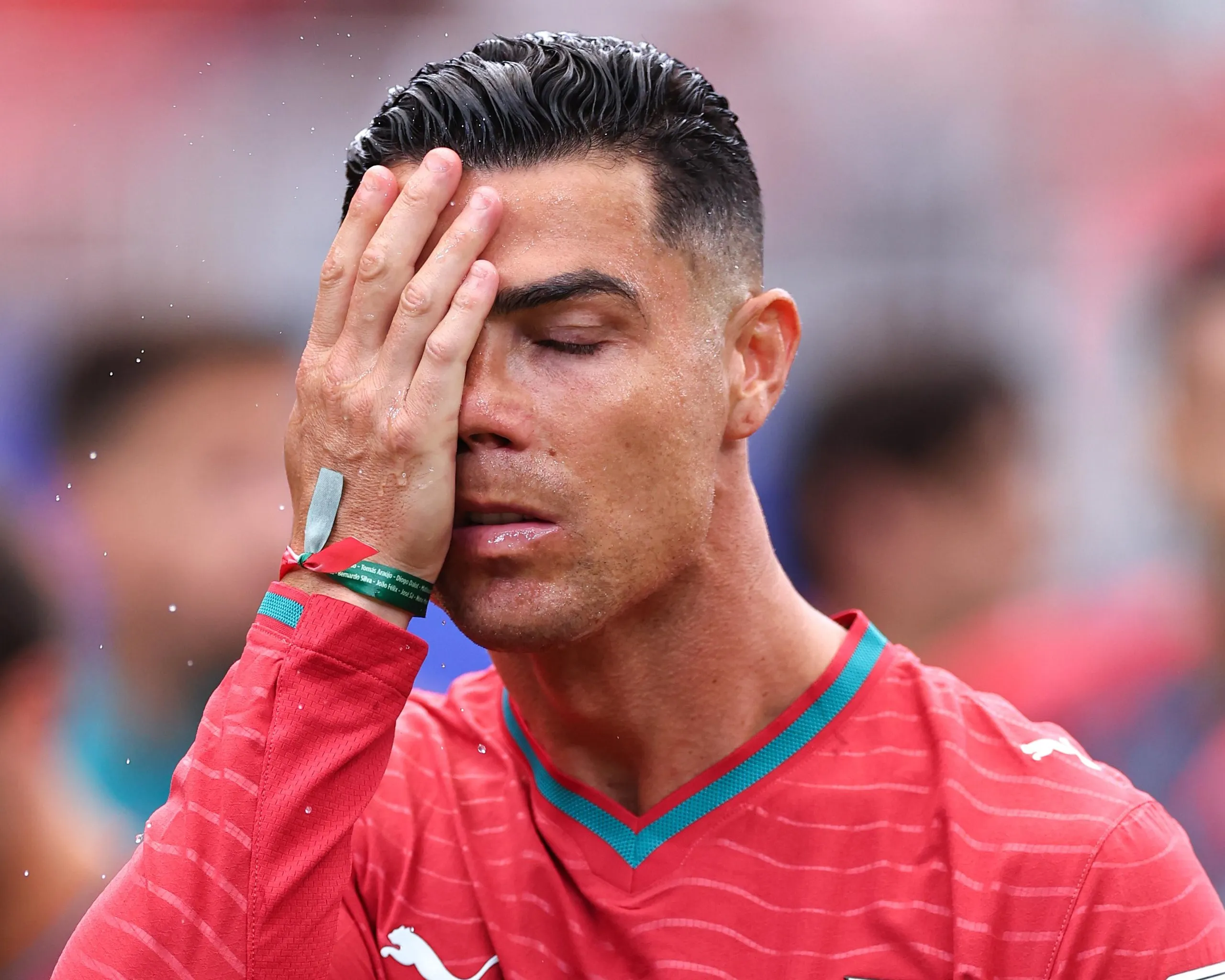
Ronaldo finally had a chance to score when Conceição broke into space on the right, but the cutback was slightly behind him, resulting in a shot that went wide. The sequence was repeated almost precisely after a hydration break, much to the dismay of Ronaldo’s fervent supporters.
As the game progressed, the volume from the crowd increased, and Portugal, sensing fatigue in the DRC, attempted to apply pressure. Bakambu wasted a golden opportunity, shooting over the bar during a promising counterattack. In response, Martínez made another tactical change, bringing on Gonçalo Ramos for Vitinha instead of Ronaldo. A long-range effort from Bruno Fernandes was the closest Portugal came to securing a late winner.