


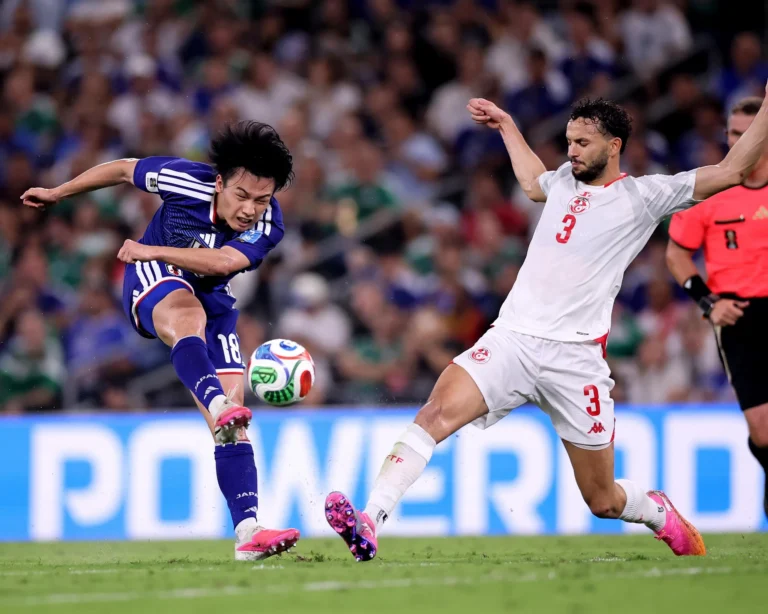
The managerial shift might not have been the solution for Tunisia, who dismissed Sabri Lamouchi following a heavy 5-1 loss to Sweden. Hervé Renard, now their seventh coach since the start of qualification, faced a daunting task. Despite his presence, the team’s lack of defensive solidity remained evident. Japan, led by a brilliant Ayase Ueda, triumphed decisively, with Ueda netting two goals and showcasing remarkable leadership on the field. Renard had only three days to prepare the squad after taking over from Lamouchi.
Renard’s past accolades, including winning the Africa Cup of Nations with Zambia in 2012 and achieving a second title with Côte d’Ivoire, seem distant now. His attempts to establish himself in top French football have faltered, and he now finds himself coaching aspiring teams in Africa and the Middle East. Although he is still recognized for his iconic white shirt, any luck it may have brought appears to have faded. Ultimately, the blame for Tunisia’s early exit from the World Cup cannot be solely placed on Renard; he is merely the latest in a series of coaches addressing a persistent issue.
This match marked a significant milestone, being the 1,000th in World Cup history. Originating in the chilly atmosphere of Montevideo, which hosted simultaneous matches between France and Mexico and the USA and Belgium, the tournament has evolved to feature Tunisia facing Japan in the humid climate of Monterrey. Prior to the match, a severe thunderstorm caused flooding around the stadium, yet by game day, the only remnants were patches of mud on the roads.
Retaining the tactical framework of his predecessor, Renard made three changes, including Aymen Dahmen stepping in as goalkeeper for Mouhib Chamakh, who had faltered in the previous match. Regrettably, the adjustments did not alter the outcome; Tunisia struggled to assert themselves throughout the game.
Japan almost earned a penalty within the first minute when Ueda was fouled by Ellyes Skhiri, a decision bafflingly overlooked by the Romanian referee István Kovács, with VAR also failing to intervene. However, Japan took the lead just four minutes in, executing a well-coordinated play that exploited Tunisia’s defensive lapses. Keito Nakamura received the ball on the left, delivering a low cross that deflected off the heel of a distracted Daichi Kamada, sending Tunisia into a state of confusion.
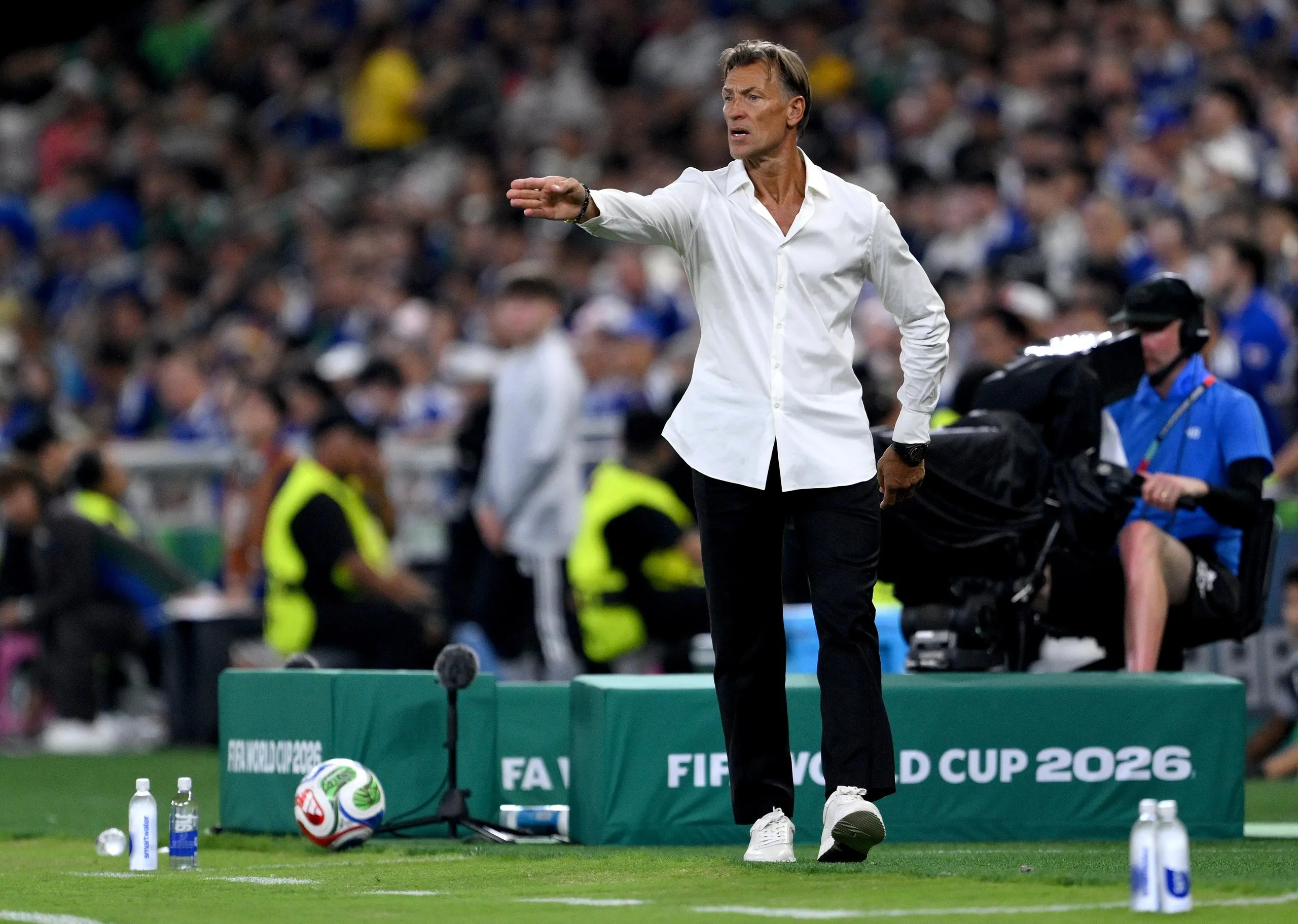
Japan’s second goal was inevitable, arriving in the 31st minute. Ueda, finding himself inexplicably unmarked, turned and launched a shot through Montasser Talbi’s legs, finding the bottom corner. Renard’s demeanor shifted to one of resignation.
While Renard managed to tighten his team’s defense in the second half, it was too late to change the game’s momentum. Japan controlled the match, though they only occasionally pressed for more goals. In the VIP section, Hisako, the widow of Norihito, grandson of Emperor Taishō, witnessed a dominant performance from Japan, who conserved their energy against a clearly outmatched opponent.
Ueda assisted Ito for Japan’s third goal at the 69-minute mark, with Ben Salida failing to keep up with the play, leaving him offside by several yards. Renard, taken aback, reviewed the replay on an iPad, standing in stunned silence during the subsequent drinks break. Ueda then capped the scoring with a clever header, leaving Renard visibly defeated.
While Renard may not have expected to secure a long-term position with Tunisia, given the recent coaching turnover, he will be fortunate to remain in charge through the final group match against the Netherlands this Thursday.