


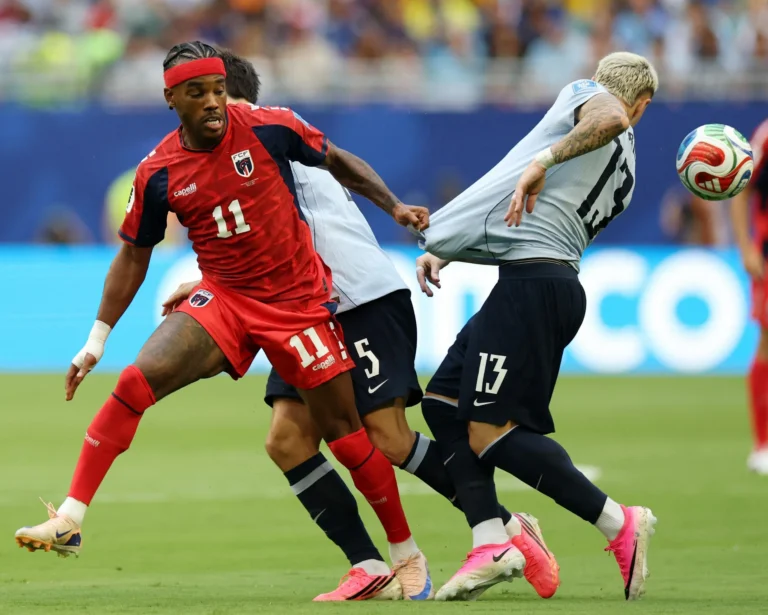
The match between Uruguay and Cape Verde unfolded with tension as early as the 20-minute mark, when a foul resulted in a yellow card for Uruguay’s Bentancur after he tripped Cape Verde’s Arcanjo. The ensuing free kick was positioned at around 25 to 28 yards from the goal.
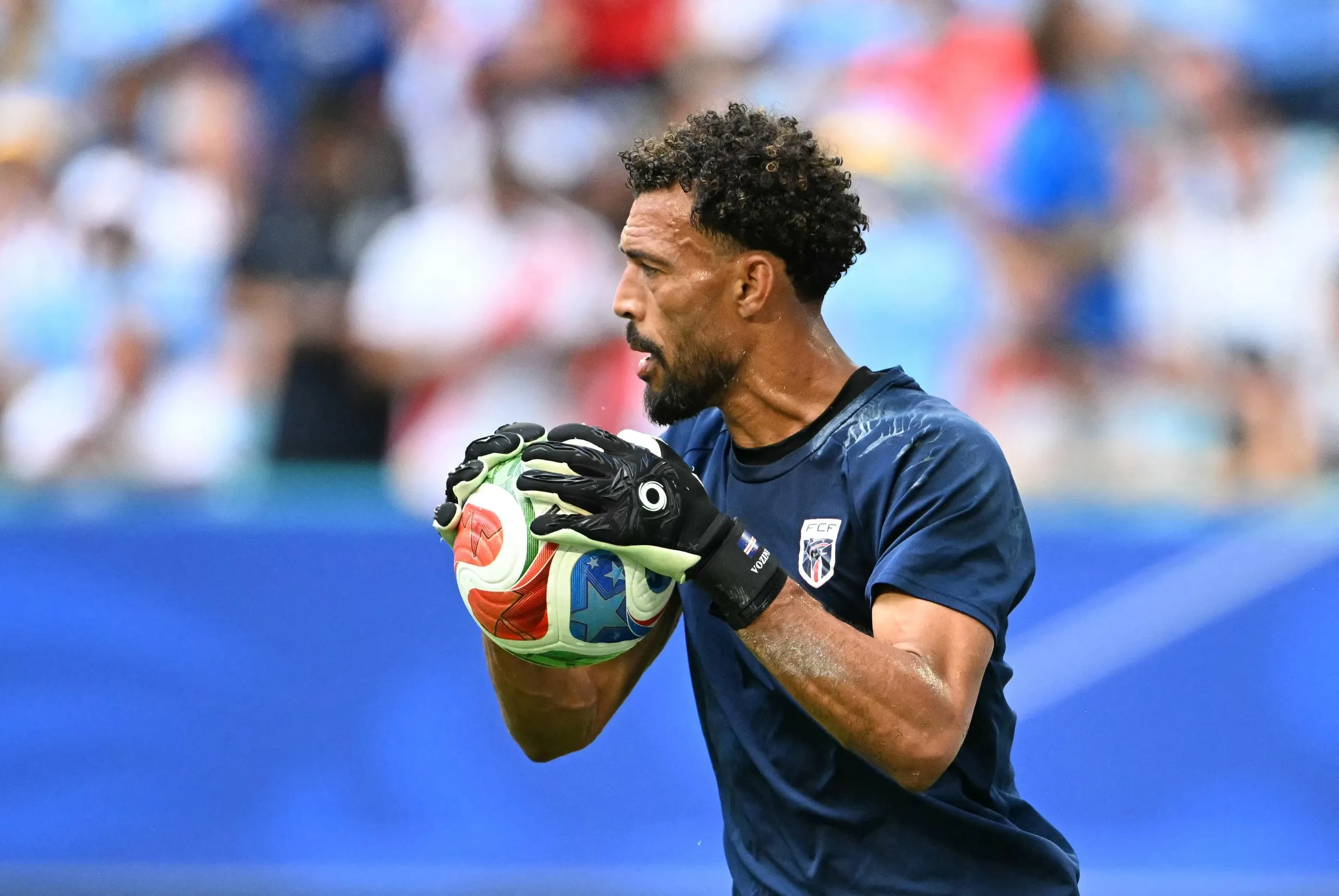
By the 18th minute, Lopes Cabral felt the weight of another foul against him, signaling a physical contest. Vozinha, Cape Verde’s goalkeeper, displayed confidence as he successfully collected a corner cross, though his subsequent long distribution found its way out of play.
Uruguay demonstrated quick attacking play, but despite their efforts, they could not convert pressure into serious chances, with a close-range header hitting the shoulder of a Cape Verde defender.
The referee clarified why a potential handball was not called: there was an offside in the buildup, the shot struck the player at close range, and it hit the shoulder, not the arm. Uruguay’s style of play featured sharp short passes and good movement, causing concern for Cape Verde’s defense.
As the match progressed, Cape Verde struggled to clear the ball, allowing Uruguay to maintain possession. Cano expressed frustration during the game, indicating the intensity of the encounter.
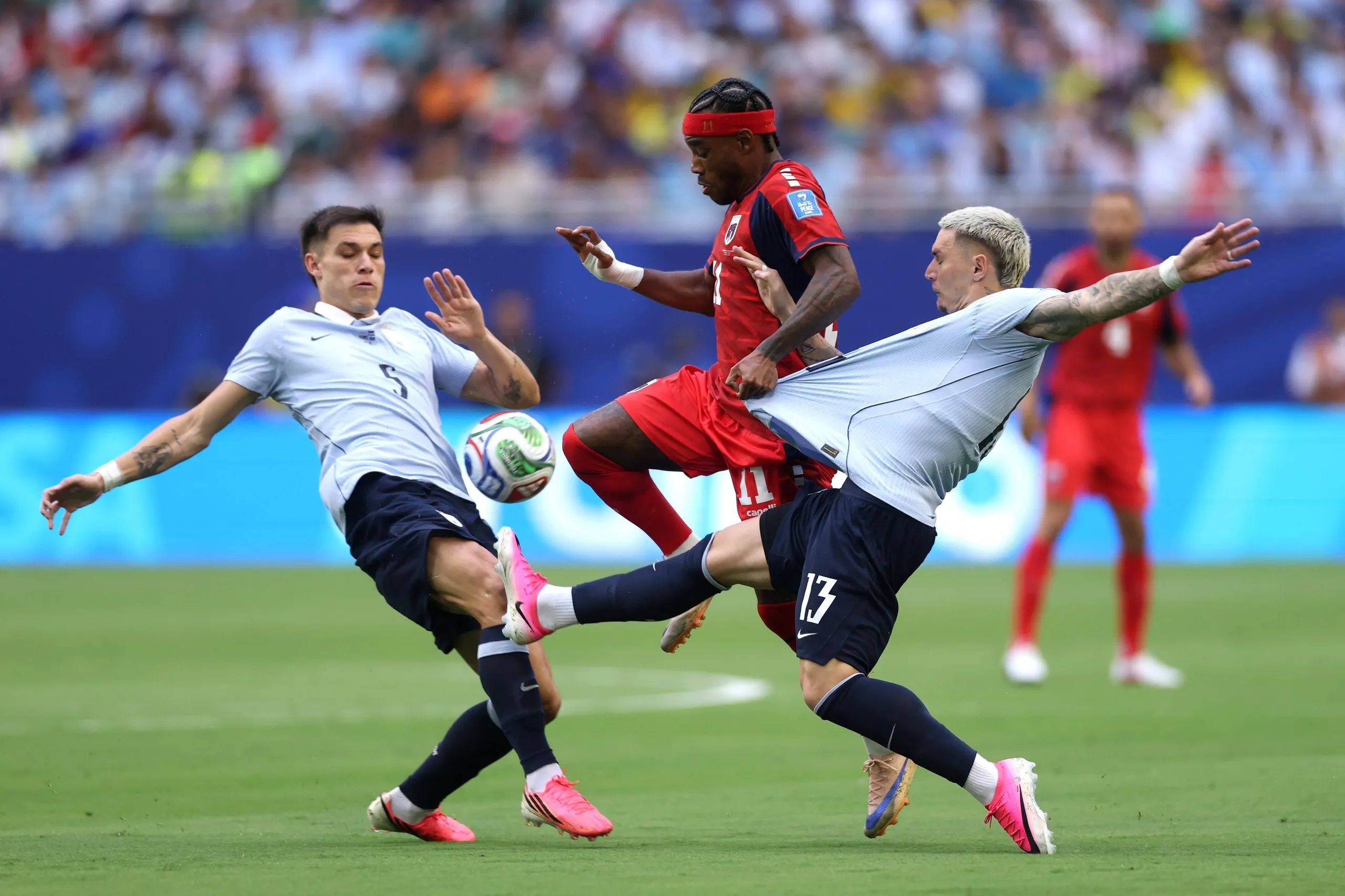
The referee intervened early, issuing a yellow card to Lopes Cabral for a late challenge, which ruled him out for the next group stage match. Meanwhile, Cano appeared to be in pain after a shove from Borges, though his reaction suggested it was more than a minor incident.
As the match kicked off, Uruguay donned their traditional blue and white, while Cape Verde appeared in striking red. The excitement built as the national anthems played, with one observer noting a particular fondness for Cape Verde’s anthem, despite its challenging tempo.
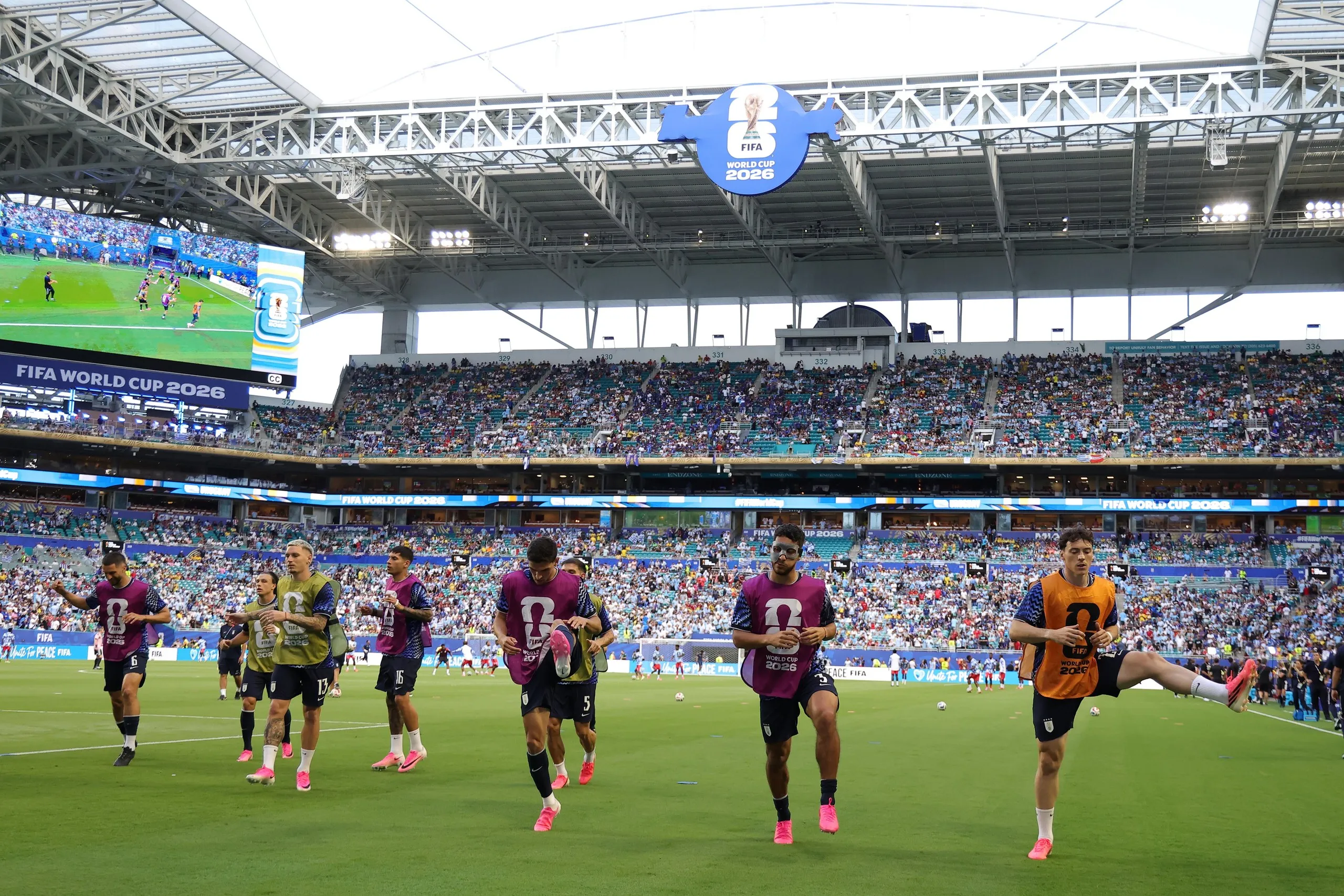
The pregame ceremonies were efficient, ensuring that kickoff would proceed on schedule. Miami Stadium, also known as Hard Rock Stadium, served as the venue for this highly anticipated match.
The weather conditions were notable, with temperatures reaching 31 degrees Celsius (88 degrees Fahrenheit) and humidity at 68%, prompting hydration breaks to be welcomed by players.
Norwegian referee Espen Eskås led the officiating team, accompanied by assistant referees Jan Erik Engan and Isaak Bashevkin. The fourth official and reserve officials were part of a distinguished crew that officiated a previous match involving US women. The VAR team included Willy Delajod and his French colleagues Jerome Brisard and Dennis Higler from the Netherlands.
Reflecting on the referee’s style, former manager Jose Mourinho once described Eskås as “Uruguay have to aspire to be in the world’s top 10 and therefore we have to reach the quarter-finals.” a remark that some might interpret positively, particularly after a controversial match involving his team.
With a combined population of approximately 4 million, Uruguay’s 3.4 million dwarfs Cape Verde’s 525,000. This match marked the smallest population representation in any group-stage game, with only Curaçao being smaller.
Let’s take a moment to review how the most populous nations fared in this World Cup:
- India – did not qualify
- China – did not qualify
- United States – performing well so far
- Indonesia – did not qualify
- Pakistan – did not qualify
- Nigeria – did not qualify
- Brazil – leading Group C
- Bangladesh – did not qualify
- Russia – suspended from competition
- Ethiopia – did not qualify
As the teams prepared to face off, Uruguay’s lineup featured Muslera, Sanabria, Olivera, Caceres, Varela, Bentancur, Ugarte, Araújo, Valverde, Cano, and Viñas. The only change from their previous match was Agustin Cano replacing Viña.
For Cape Verde, the starting eleven included Vozinha, Lopes Cabral, Borges, Lopes, Moreira, Pina, Rodrigues, Monteiro, Mendes, Arcanjo, and Tavares. This marked a significant moment for Telmo Arcanjo, who made his first start after a substitute appearance in the earlier match.
Rodriguez, who made history as the first Dutch-born player to represent Cape Verde, was a key player, alongside Benchimol, who scored a hat trick against Liechtenstein last year.
This World Cup has paradoxically been characterized by high scoring, with an average of over 3.0 goals per game, a figure not reached since the 1950s. Goalkeepers have also been in the spotlight, with Eloy Room of Curaçao making 15 saves in a single match.
Vozinha has emerged as a standout talent, especially after an impressive performance against Spain, raising questions about whether Uruguay will find a way to penetrate his defenses.
As anticipation builds, viewers are left to ponder: Can Cape Verde secure a goal, and how will they respond to the pressure of their World Cup debut?
Beau will provide updates shortly. In the meantime, insights into Uruguay and Cape Verde’s preparations for this match reveal the competitive spirit both teams bring to the tournament.
Under Marcelo Bielsa’s guidance, Uruguay’s 4-3-3 system emphasizes direct football, allowing them to press opponents effectively. Ignacio Alonso, president of the Uruguayan Football Association, has set ambitious goals for the team, emphasizing their aspirations to reach the quarter-finals.
For Cape Verde, the Blue Sharks are embarking on their inaugural World Cup journey, a significant achievement for the nation. The team’s diverse squad, representing numerous clubs and countries, showcases the nation’s unique identity shaped by immigration.
As the teams take to the field, the stage is set for an exciting encounter that will be remembered in the annals of World Cup history.