



On a warm June afternoon in 2009, I found myself on a mismatched six-a-side team. At 30, I was among the older players, while my teammates Lloyd, Nathan, and Ben were in their early twenties. Micky, a German, was not in peak condition at 34, while the opponents looked decades younger – some possibly nearing 70. We donned our kits, while they sported jeans and rugged work boots. Despite our efforts, we were decisively defeated, with the final score slipping from my memory, overshadowed by the fact that we had played under a ‘next goal wins’ rule that felt unjustifiable.
What accounted for our defeat against this aging team? A factor that has been frequently mentioned in recent discussions: altitude. Playing near Lake Titicaca, at nearly 4,000 meters above sea level, we were outmatched by a group of Bolivian farmers. My strategy of letting the ball do the work fell short as even a short sprint left me gasping for breath. It was hardly a neutral playing field.
Given the audience’s familiarity with high-altitude challenges, many of you may have trekked the Inca Trail or are currently scaling Kilimanjaro. You understand that no amount of coca leaves can prepare anyone for the altitude of the Azteca Stadium in just two days.
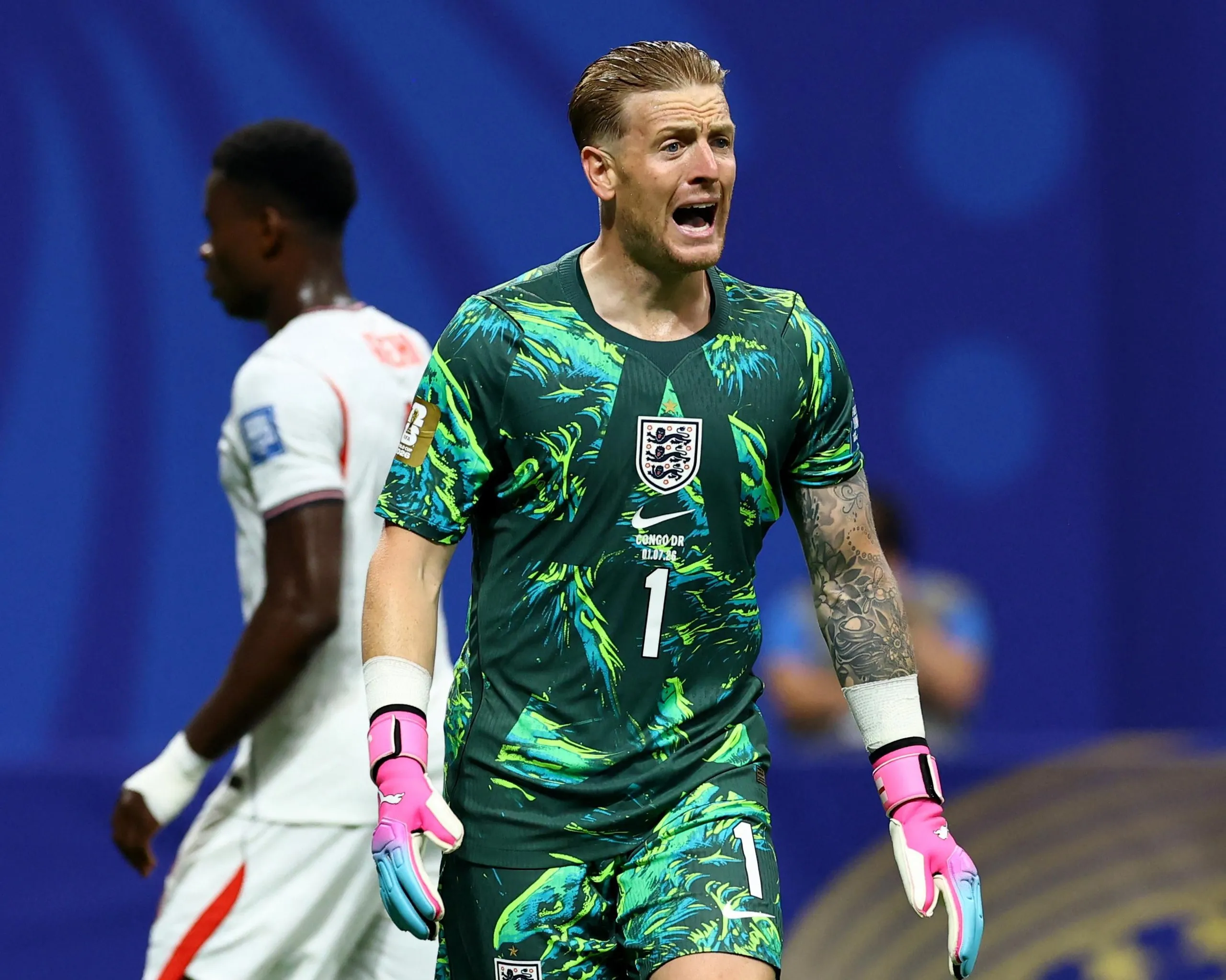
Experts argue that for England to adapt to these conditions, they either needed to arrive mid-game or land just before kickoff, hoping their bodies could be tricked into performing before altitude sickness set in. Picture Jordan Pickford animatedly gesturing and shouting as he loses his composure—though, to be fair, that might not be entirely out of character for him.
The Azteca is situated approximately 2,200 meters above sea level, placing players like Dan Burn at a staggering 2,202 meters. One can only imagine the accommodations awaiting him, with his legs dangling out of a toddler-sized bed while the local fans honk their horns throughout the night. The Ecuadorian team’s experience serves as a cautionary tale, highlighting the challenges of getting a good night’s rest in such a raucous environment.
On the Guardian’s World Cup Daily podcast, Dan Bardell humorously suggested that the cast of *Dear England* should pose as the dummy squad, allowing Harry Kane and his teammates to sneak into a backpackers’ hostel instead of the official hotel. This could help ensure that at least some players manage to get their requisite eight hours of sleep.
This may seem like preemptive excuse-making, but there’s a burgeoning acknowledgment that facing Mexico in Mexico City will be a formidable task. The Mexican team appears stronger, while England grapples with numerous issues. With this in mind, expectations for this major tournament seem more grounded than usual.
One advantage of being in Los Angeles is the absence of the constant anxiety following England’s match against the Democratic Republic of the Congo, particularly regarding the precarious right-back situation. Yet, no matter where you are, it’s impossible to escape the misguided tactical opinions from both casual observers and avid fans alike.
Djed Spence struggled during Wednesday’s match, but he shouldn’t be blamed for the DRC’s goal. He was pulled out of position due to a lack of cover for Noah Sadiki, who was making a run down the middle. It seemed the ball was directed at Sadiki from the start. Ignoring that run would have been illogical for Spence. Either Noni Madueke needed to sprint to challenge Brian Cipenga, or a midfielder, likely Elliot Anderson, should have tracked Sadiki. Additionally, there was no pressure on the ball when Chancel Mbemba played it, indicating a broader structural issue affecting both midfield and defense, one that has already been exposed and is likely to be exploited again.
Starting Rice at full-back would be a questionable choice. I can already envision the commentators lamenting about “square pegs in round holes” If all other right-backs are sidelined, is it riskier to have John Stones at center-back against a Mexican attack than to maintain the Marc Guéhi-Ezri Konsa duo in the middle with Spence on the right? If Rice is fit, the core of the team should remain intact, and Anderson has been performing well. Thus, the only positions that may require shuffling are the wingers.
It’s overly simplistic to label Madueke and Marcus Rashford as poor performers while praising Bukayo Saka and Anthony Gordon simply because they scored goals. The dynamics are not so black and white. The DRC players visibly fatigued in the final 20 minutes. Who’s to say the same wouldn’t happen if Gordon starts and Rashford comes off the bench? So far, none of the wingers have particularly shone, and space has been limited, even against teams not employing a Ghanaian-style low block.
Considering the thin air at the Azteca, Thomas Tuchel’s tactical approach will be intriguing. Mexico tends to start strong, presenting a significant challenge for deep defending. However, it might be wise to conserve energy and exploit counter-attacks, with Kane dropping back to connect play—something that has been noticeably absent until now. Perhaps giving the wingers half a match each to tire themselves out could be a strategy.
If England falters in Mexico, succumbing to defeat in the early hours back home, it won’t be a disgrace. We can all shake it off and move on.
With every World Cup, there’s a small, irrational part of me that hopes this could be the year. Triumphing in Mexico would be an extraordinary feat. However, should England achieve that, it would likely mean facing Brazil, Argentina, and France—each at sea level. That would be a different ball game altogether; no Bolivian farmer will triumph there.
- World Cup 2026
- World Cup
- England
- Mexico
- comment