


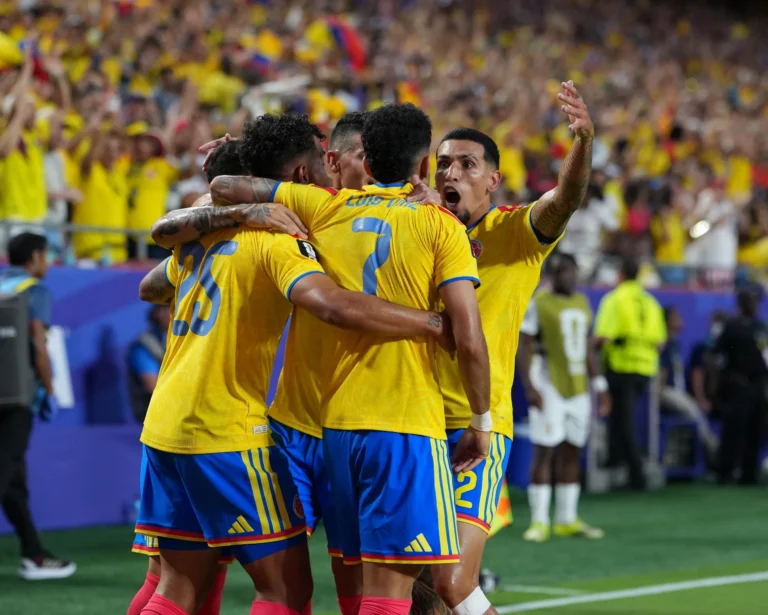
Ghana had reason to worry when Luis Suárez’s name was called in the seventh minute. The Colombian forward, who shares a name with the player responsible for one of the most notorious moments in World Cup history, returned to haunt the Black Stars on the anniversary of that fateful event from 2010.
Shortly after entering the pitch, Suárez assisted Jhon Arias, whose goal secured a victory for Colombia and a place in the Round of 16 against Switzerland in Vancouver on Tuesday. Despite not scoring more goals that their dominance warranted, Colombia emerged as deserving victors, showing the potential to replicate or exceed their quarter-final run in 2014.
This match marked Ghana’s first appearance in the knockout stage since their heartbreaking loss in Johannesburg, where Suárez and Uruguay thwarted their hopes of becoming the first African team to reach the semi-finals. Under the guidance of experienced coach Carlos Queiroz, Ghana’s squad has likely exceeded expectations, but the absence of Tottenham’s Mohammed Kudus exposed a significant lack of creativity.
Néstor Lorenzo disclosed that he had sought advice from his 89-year-old mother prior to the match. He stated, “She hasn’t given me any specific instructions for this match, but she is always attentive and following it with love,” Lorenzo, who was part of Argentina’s team in the 1990 World Cup final, felt the weight of legacy on his shoulders.
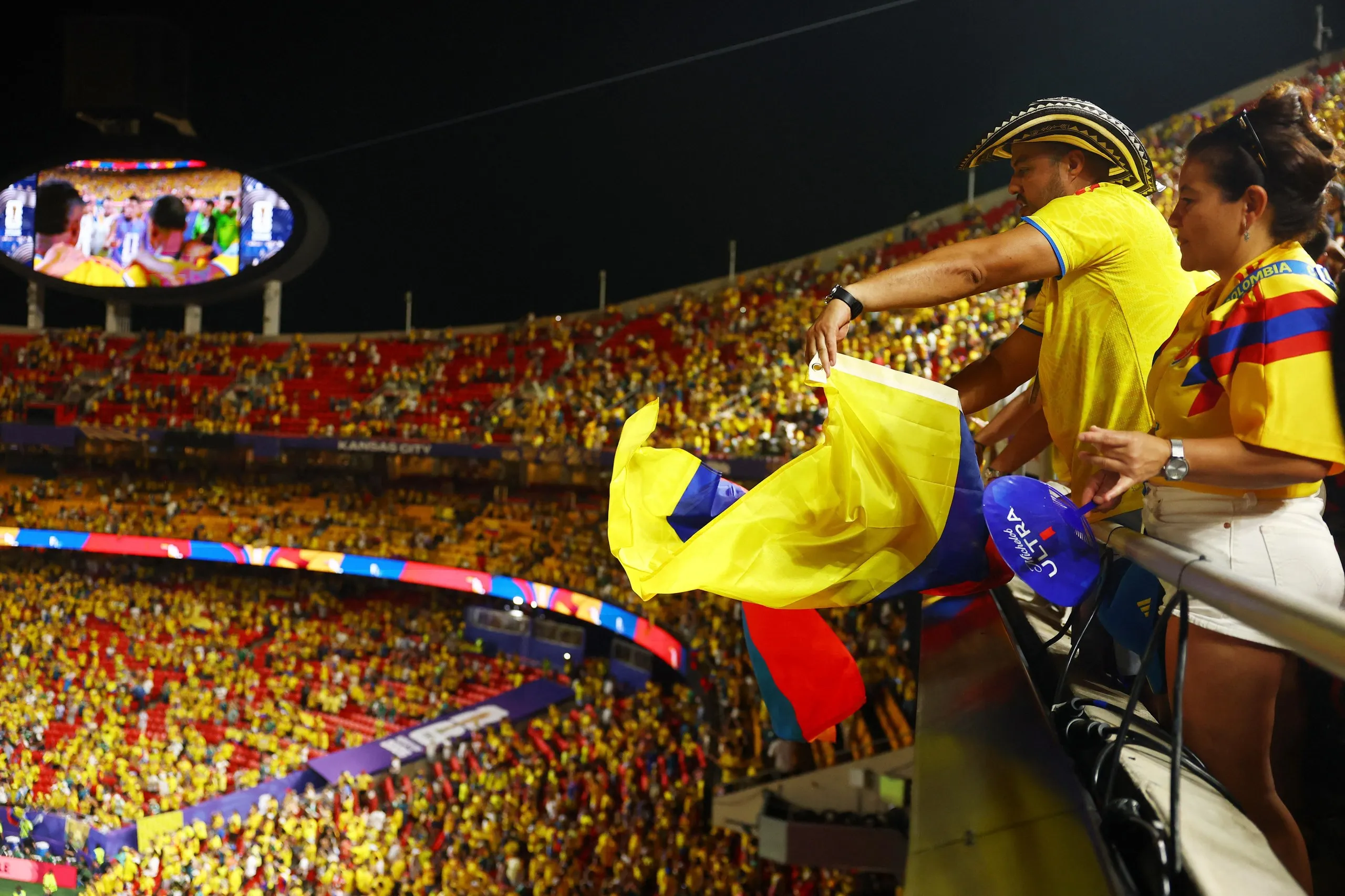
The Colombian supporters, decked out in yellow, far outnumbered their Ghanaian counterparts, placing the pressure on their team to take control of the match. However, it was Ghana’s Thomas Partey who came close to scoring early on, with a shot that narrowly missed the target. An early injury to Colombian striker Jhon Córdoba forced a substitution, bringing Suárez into the game. Unfortunately for Ghana, Marvin Senaya also had to exit due to an incident involving Luis Díaz, who argued for a penalty that appeared more like a dive.
Ghana’s organization, previously impressive in their group stage draw against England, seemed to falter after these changes. Predictably, Suárez found space on the right side and delivered a precise cross to Arias, who was unmarked at the far post, thanks in part to Caleb Yirenkyi’s failure to track his man.
Another troubling statistic for Ghana was their failure to win any of their three previous World Cup encounters against South American teams, including a defeat to Brazil in the 2006 Round of 16 and a loss to Uruguay in the group stage four years later. Queiroz’s reputation had not been built on chasing games, and the Colombian fans expressed their displeasure as Ghana hesitated to push forward.
Alidu Seidu, who replaced Senaya at right-back, squandered possession in a dangerous position, and a better finish from Díaz could have put Ghana in a precarious situation. Goalkeeper Lawrence Ati-Zigi, returning from injury, made a crucial save to deny Johan Mojica’s header from a well-placed Daniel Muñoz cross.
James Rodríguez showed his frustration when substituted at halftime, a clear sign that the 34-year-old’s best days, which included a standout performance in 2014, are behind him. Ghana again started quickly, with Antoine Semenyo’s cross skimming across the goal line. Díaz thought he had scored again, but a late offside flag halted the celebrations, and another attempt was thwarted by Ati-Zigi. Ghana was on the ropes.
In a bid to force extra time, Queiroz brought on Leicester’s Abdul Fatawu as one of four substitutes. Despite Ghana’s attempts to press, Colombia remained the more dangerous side, with Davinson Sánchez’s header from a corner being saved and substitute Jaminton Campaz coming close to extending the lead. Looking ahead, if they can overcome Switzerland, Colombia faces a potential clash with Argentina, presenting challenges far greater than those posed by Ghana.
- World Cup 2026
- Colombia
- Ghana football team
- World Cup
- match reports