


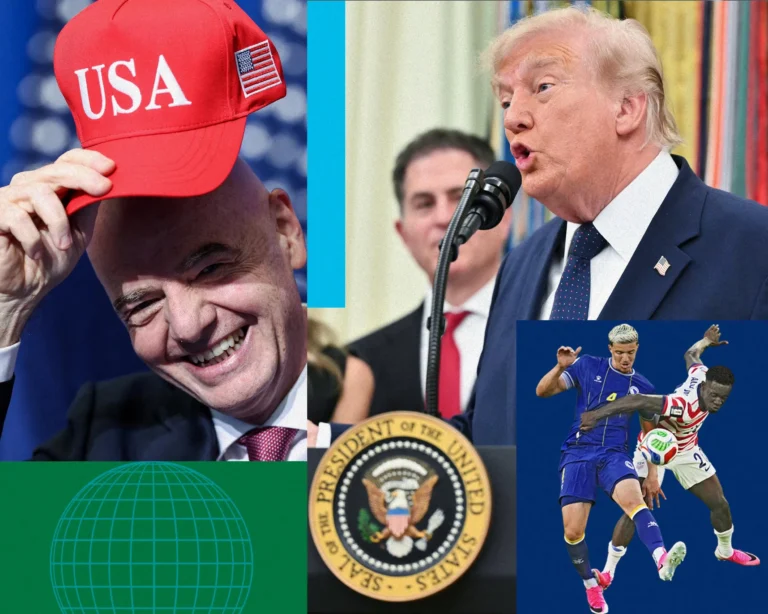
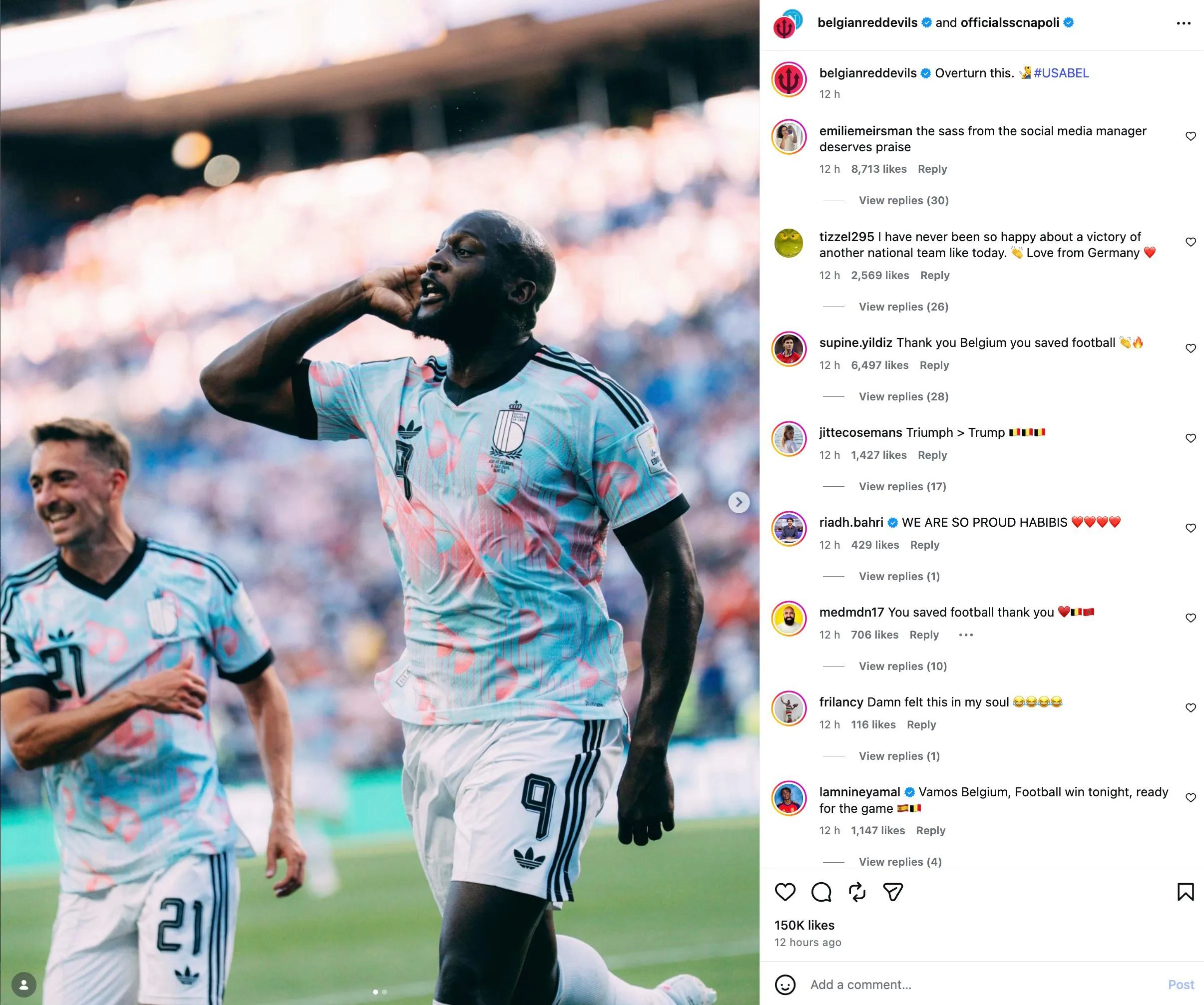
In a stunning turn of events, the United States suffered a disheartening defeat to Belgium, prompting widespread global commentary on President Donald Trump’s controversial involvement in the World Cup. The match ended in a decisive 4-1 loss, sparking a reaction of satisfaction from many observers, who noted the irony of the USA’s early exit from its own tournament.
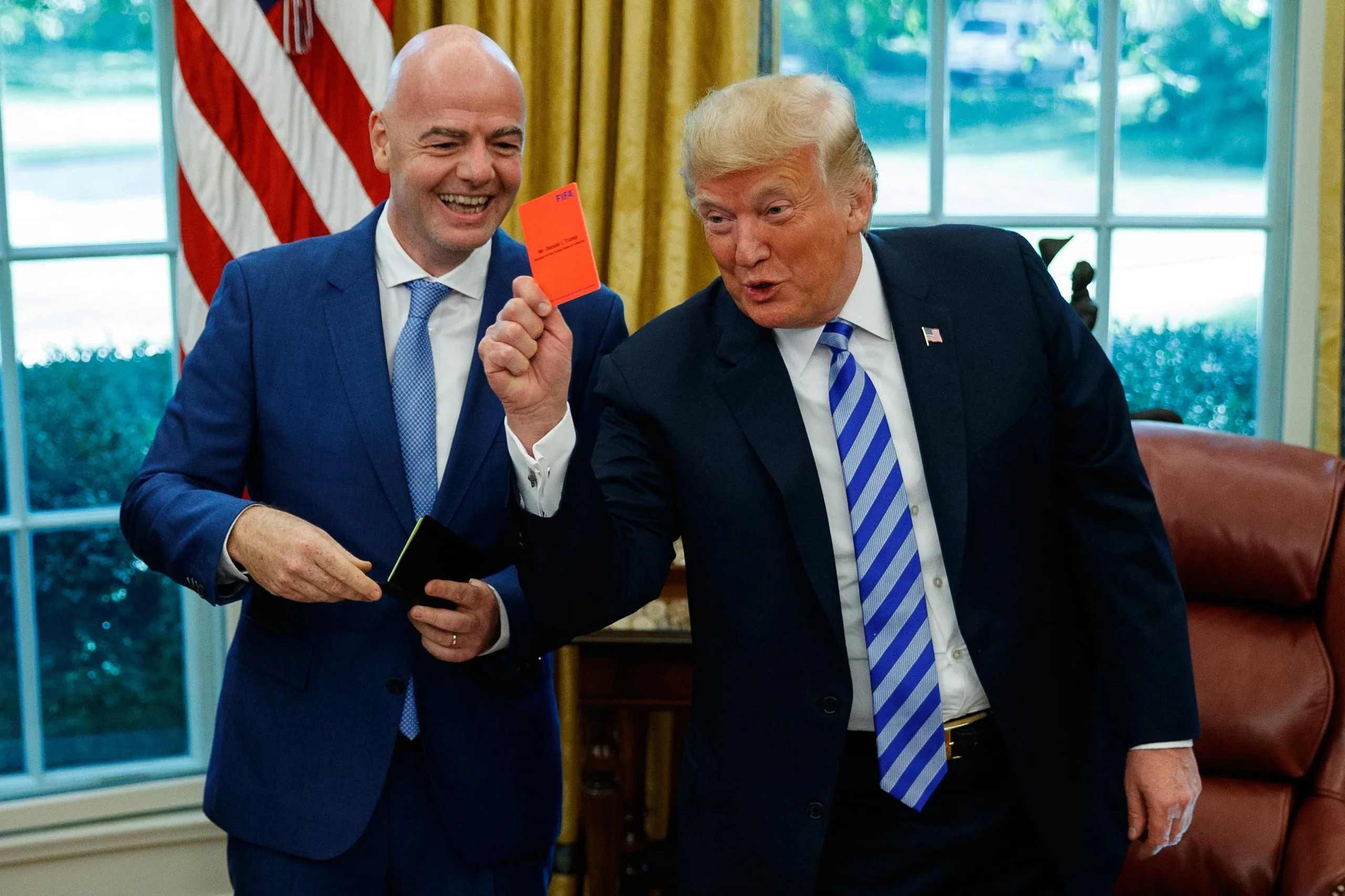
The immediate response around the globe centered on the implications of Trump’s interference, particularly in light of the scandal surrounding Folarin Balogun’s red card, which Trump claimed to have influenced. This raised questions about whether such political meddling could have impacted the team’s performance.
Some have dubbed this phenomenon the ‘Trump Exposed Reactor Core Phenomenon,’ a term I coined to describe how Trump’s touch seems to corrupt everything while he remains steadfastly at the center of it all. However, the reality of the match was straightforward: the US team simply could not compete with Belgium’s superior talent.
Despite the political theatrics surrounding the event, the fundamental sporting facts remain unchanged. The US team, lacking in several key positions, faced a more skilled opponent. Even veteran players like Romelu Lukaku, who may not be at their peak, still outshone the American defense.
Trump’s impact on the game may be overstated, yet his involvement cannot be ignored. His recent strategy of maintaining a low profile during the tournament—after being omnipresent in the lead-up—has sparked discussions about his intentions. For weeks, Trump refrained from commenting publicly on the World Cup, which was unusual given his previous enthusiasm.
Trump’s silence was calculated, reminiscent of tactics used during the 2018 World Cup, allowing the event to unfold without his direct interference. However, just as the tournament began to progress, he made his presence felt again, likening his approach to a reckless handling of a prized possession.
As the tournament unfolded, the repercussions of Trump’s actions became more apparent, affecting the integrity of the sport itself. The USA’s advancement to the knockout stage was marred by political drama, leaving a cloud over their sporting achievements.
Moreover, Trump’s actions have implications not just for the USA team, but also for FIFA under Gianni Infantino’s leadership. Infantino’s governance has come under scrutiny, revealing how unchecked power can lead to significant problems within the organization.
Reports indicate that Trump directly contacted Infantino after Balogun’s controversial ejection during the Bosnia and Herzegovina match. The next day, FIFA unilaterally altered its rules regarding red cards for the first time since the infamous Garrincha incident in 1962.
There were rumors that the Trump administration considered legal action against FIFA, with officials reportedly scouring the regulations for loopholes. This approach characterizes Trump’s style: when facts don’t align with his narrative, he seeks to undermine their credibility.
Infantino, in response to the outcry, has insisted that FIFA’s disciplinary committees operate independently, downplaying any influence he may have over them. He has positioned himself as a protector of due process within the organization.
However, the reality remains that Balogun’s red card stands, and for the first time in a tournament, a player receiving a straight red did not face a suspension for the next match. This situation raises serious concerns about the legitimacy of the competition.
For those outside the football community, it may be hard to grasp the extent of the damage inflicted on the game’s integrity. It appears as if the outcomes are being manipulated, compromising the essence of the sport that fans hold dear.
Ultimately, numerous lives, careers, and substantial financial stakes hinge on these results. If the game is perceived as scripted entertainment, the joy and communal spirit it embodies are at risk.
Trump’s arrogance and lack of accountability are alarming, and the dynamics of his relationship with Infantino raise further questions about the future of FIFA. The fallout from this scandal may affect Infantino’s grip on power as he prepares for reelection.
While FIFA consists of 211 voting members who typically support whoever offers the most incentives, cracks in Infantino’s facade are beginning to show. The Norwegian federation has already raised an ethics complaint regarding Trump’s peace prize, indicating growing dissatisfaction among some within FIFA.
As Infantino navigates the complex landscape of football politics, his obsession with personal branding and power may lead to his downfall. Observers, including former FIFA president Sepp Blatter, suggest Infantino is becoming increasingly isolated.
In contrast, the recent turmoil has provided an opportunity for referees to demonstrate their impartiality, applying strict standards to the enforcement of rules, even when met with public scrutiny.
Surprisingly, despite Trump’s attempts to assert control, the World Cup has retained its essence, showcasing collective joy and a shared understanding of national identity among fans.
As the situation develops, it is clear that the World Cup still holds significant value for the United States, offering a chance to redefine its role on the global stage. This unfolding drama has sparked a flicker of hope for reform, even as it risks fading into the background.
- World Cup 2026
- FIFA
- Football politics
- World Cup
- Commentary